


Buying Guide: Selecting an Electromagnetic Focused Shockwave Device
- Buying Guide: Selecting an Electromagnetic Focused Shockwave Device
- Why choose an electromagnetic focused shockwave therapy device?
- Understanding the technology: how electromagnetic focused devices work
- Clinical evidence and indications for shockwave therapy device use
- Key clinical features to evaluate in a shockwave therapy device
- Technical specifications that matter for electromagnetic focused devices
- Comparing focused vs radial shockwave systems (quick reference)
- Operational and usability considerations for your clinic
- Safety, contraindications, and regulatory considerations
- Why focal depth adjustability matters: clinical examples
- Energy dosing: practical advice for clinicians
- Integrating imaging and targeting into treatments
- Cost, ROI, and purchasing tips
- Case study: how LGT-2520GP addresses typical buyer priorities
- Brand and service considerations: choosing a trustworthy partner
- Frequently Asked Questions (FAQ)
- Q: What conditions respond best to an electromagnetic focused shockwave therapy device?
- Q: How does the LGT-2520GP differ from radial shockwave devices?
- Q: Is focused shockwave therapy painful?
- Q: What safety checks should I perform before purchase?
- Q: Can I use the device without imaging guidance?
- How to proceed: contact us to evaluate the LGT-2520GP
- References and further reading
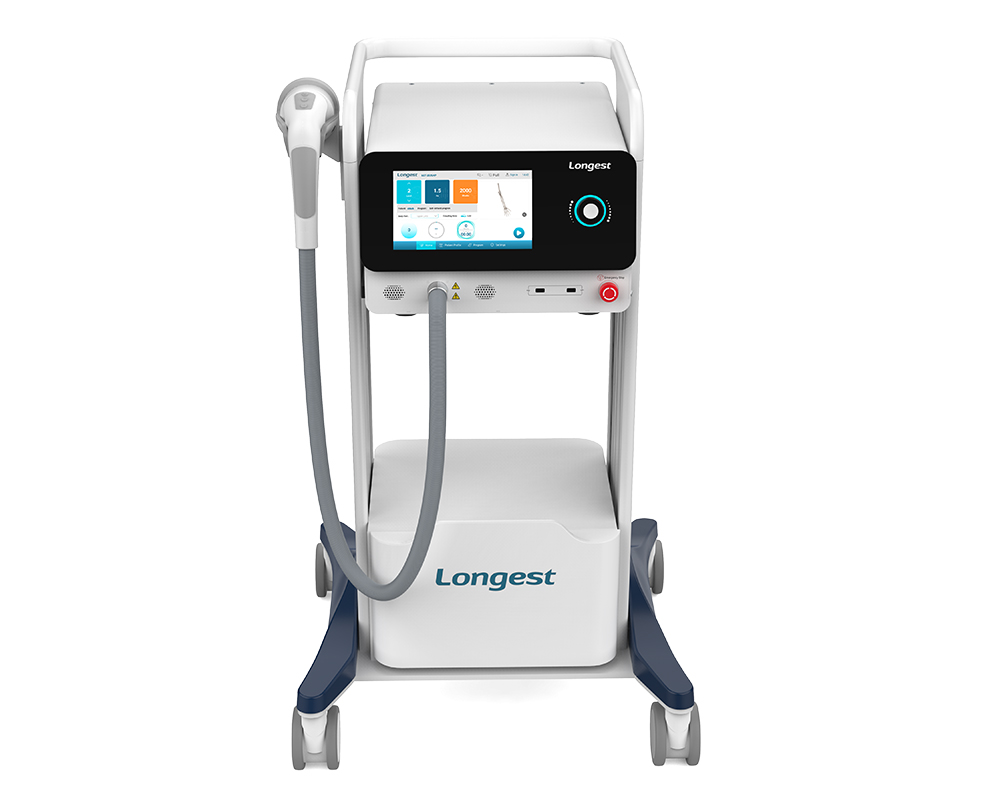
Buying Guide: Selecting an Electromagnetic Focused Shockwave Device
Why choose an electromagnetic focused shockwave therapy device?
The term shockwave therapy device frequently appears in clinic purchasing discussions because of the modality's proven role in treating musculoskeletal pain, tendinopathies, and some chronic soft-tissue conditions. Electromagnetic focused shockwave systems generate a convergent pressure field with a well-defined focus zone at depth. That focus allows clinicians to target the pathologic tissue precisely — which can increase efficacy and reduce discomfort in surrounding tissues. When evaluating a shockwave therapy device for your practice, electromagnetic focused systems are attractive for conditions that require deeper or highly localized energy delivery (for example, certain chronic tendinopathies, deep myofascial trigger points, and plantar heel pain).
Understanding the technology: how electromagnetic focused devices work
An electromagnetic focused shockwave therapy device uses a rapidly changing electromagnetic field to accelerate a projectile or membrane, creating a pressure pulse that is then focused by an acoustic lens into a small focal volume within tissue. The focal depth and focal size are controlled by the system optics and applicator design. The clinical effect derives from mechanical stimulation (mechanotransduction) that can modulate pain signaling, promote local blood flow, and stimulate regenerative processes. Compared with radial (ballistic) systems, electromagnetic focused shockwave devices provide a tighter focal zone and can reach greater depths with higher peak pressures — useful when the pathology lies beneath superficial tissue layers.
Clinical evidence and indications for shockwave therapy device use
When choosing a shockwave therapy device, match device capability to the clinical indications you treat most often. Evidence supports the use of focused shockwave for conditions including chronic plantar fasciitis, calcific shoulder tendinopathy, and certain tendinopathies resistant to conservative care. Clinical guidelines and randomized trials indicate variable but often clinically meaningful improvements in pain and function for selected indications. Keep in mind that outcomes depend on correct dosing (energy, impulses, frequency), accurate targeting, and appropriate patient selection.
Key clinical features to evaluate in a shockwave therapy device
Look for these clinical features when comparing devices: adjustable focal depth, variable energy flux density (EFD) settings, real-time targeting feedback (e.g., ultrasound alignment compatibility or clear applicator markings), multiple applicator heads for different focal sizes, and protocols for common conditions. Adjustable focus capability is especially valuable because it lets clinicians adapt treatment depth to patient anatomy and pathology, increasing treatment precision and safety.
Technical specifications that matter for electromagnetic focused devices
Technical specifications can be used to compare devices objectively. Important specs include:
- Focal depth range (e.g., 5–40 mm) — select depth to reach target tissues
- Focal zone diameter — smaller diameters permit higher spatial precision
- Energy flux density (EFD) range (mJ/mm²) and ability to deliver low to high-energy protocols
- Pulse frequency and rep rate — affects treatment time
- Applicator types and interchangeability
- Device footprint, portability, and ease of maintenance
Comparing focused vs radial shockwave systems (quick reference)
Many purchasers compare focused electromagnetic systems with radial (ballistic) devices. The table below summarizes typical practical differences — use it as a starting point when aligning device capabilities to clinical needs.
| Feature | Electromagnetic Focused | Radial (Ballistic) |
|---|---|---|
| Mechanism | Electromagnetic generation with acoustic focusing | Compressed-air / pneumatic projectile generating radial pressure waves |
| Focality | Small, well-defined focal zone (high precision) | Diffuse energy distribution (superficial) |
| Typical penetration depth | Variable; can reach deeper tissues (device-dependent) | Shallow (usually superficial soft tissue) |
| Best for | Deep tendinopathies, calcifications, focal lesions | Superficial muscle pain, trigger points, broader soft-tissue disorders |
| Clinical evidence | Strong for specific indications (e.g., plantar fasciitis, calcific tendonitis) | Evidence for some conditions, but many studies are mixed |
Sources: peer-reviewed reviews and technology summaries (see references below).
Operational and usability considerations for your clinic
Beyond clinical performance, consider day-to-day practicalities: user interface and protocol presets, ergonomics of the handpiece, ease of cleaning and sterilization of applicators, setup time, training and technical support, and warranty or service plans. A system with clinician-friendly protocols and clear controls reduces treatment variability and shortens the learning curve, boosting throughput and patient satisfaction.
Safety, contraindications, and regulatory considerations
Ensure the device you choose meets local regulatory standards (CE marking, FDA clearance/510(k) where applicable) and comes with clear safety guidance. Contraindications typically include pregnancy, local infection, coagulopathy or active anticoagulation in certain cases, open growth plates, and the presence of malignancy in the treatment area. Device vendors should provide training on safe energy dose ranges, patient positioning, and contraindication screening.
Why focal depth adjustability matters: clinical examples
Depth adjustability matters in practice. Example scenarios:
- A patient with deep calcific deposits in the rotator cuff requires a device that can concentrate energy at 20–30 mm to reach the deposit without over-stimulating superficial tissues.
- A plantar fasciitis case with diffuse plantar fascia thickening may be treated with a slightly broader focus but still needs penetration to the fascia insertion.
The Electromagnetic Focused Shockwave Therapy Machine LGT-2520GP integrates adjustable focus capability so clinicians can customize the focal depth to the pathology and patient body type, improving accuracy and potentially outcomes.
Energy dosing: practical advice for clinicians
Energy dosing in shockwave therapy is commonly expressed as energy flux density (EFD) in mJ/mm² and number of impulses. Start conservatively for sensitive patients and escalate based on response and tolerance. Protocols vary by indication: some conditions respond well to a smaller number of higher-energy pulses, while others use more pulses at lower energies. The chosen shockwave therapy device should support a broad EFD range and allow fine adjustments so clinicians can follow published protocols and tailor treatment.
Integrating imaging and targeting into treatments
Some clinics incorporate diagnostic ultrasound to localize pathology and guide focused shockwave application. If you plan to combine imaging with shockwave, prefer devices that allow applicator positioning compatibility and have clear markings or jigs for reliable alignment. The LGT-2520GP's adjustable focus and ergonomic applicator simplify aligning the focal zone with ultrasound-identified lesions.
Cost, ROI, and purchasing tips
Consider total cost of ownership: initial device price, consumables (if any), training, maintenance, and expected throughput. Estimate revenue per treatment and realistic patient volume to calculate break-even intervals. High-quality electromagnetic focused units tend to cost more than radial systems but can attract referrals for cases requiring high precision. Negotiate training, warranty, and service agreements, and ask the vendor for clinical outcome data and references from similar clinics.
Case study: how LGT-2520GP addresses typical buyer priorities
The Electromagnetic Focused Shockwave Therapy Machine LGT-2520GP incorporates modern electromagnetic shockwave technology that produces a convergent pressure field with an adjustable focus at precise depths. This allows clinicians to pinpoint musculoskeletal disorder origins, alleviate pain, support tissue repair, and reduce inflammation. Important buyer-focused benefits of the LGT-2520GP include adjustable focal depth for tailored treatments, precise targeting for deeper lesions, and protocol flexibility. These features make it well-suited for orthopedic, sports medicine, podiatry, and rehabilitation clinics seeking a versatile focused shockwave therapy device.
Brand and service considerations: choosing a trustworthy partner
After product specs, brand reliability and post-sale support determine long-term satisfaction. A reputable supplier should provide: clinical training, evidence-based treatment protocols, responsive technical service, warranty terms, and documentation for regulatory compliance. For example, clinics adopting the LGT-2520GP benefit not only from the device’s technical features but also from vendor training packages that help teams apply consistent clinical protocols and integrate the device into everyday workflows.
Frequently Asked Questions (FAQ)
Q: What conditions respond best to an electromagnetic focused shockwave therapy device?
A: Focused shockwave is often effective for chronic plantar fasciitis, calcific shoulder tendinopathy, some chronic lateral epicondylitis cases, and selected deep tendinopathies. Response varies by patient and protocol; realistic expectations and proper patient selection are essential.
Q: How does the LGT-2520GP differ from radial shockwave devices?
A: The LGT-2520GP uses electromagnetic focused technology to create a convergent focal zone at adjustable depths, enabling treatment of deeper or highly localized lesions with higher peak pressure at the focus compared to radial devices, which deliver more diffuse, superficial energy.
Q: Is focused shockwave therapy painful?
A: Patients may feel transient discomfort during treatment depending on energy level and location. Clinicians often begin with lower energy and titrate up as tolerated. Proper technique and communication minimize pain and improve tolerance.
Q: What safety checks should I perform before purchase?
A: Verify regulatory compliance (e.g., CE, FDA where applicable), request clinical data and references, confirm warranty and service terms, and ensure staff training is included or available. Check consumable needs and expected maintenance intervals.
Q: Can I use the device without imaging guidance?
A: Yes — many clinicians use anatomical landmarks and palpation. However, combining shockwave therapy with diagnostic ultrasound can improve targeting accuracy for some deep or complex lesions.
How to proceed: contact us to evaluate the LGT-2520GP
If you are considering an electromagnetic focused shockwave therapy device for your clinic, we invite you to contact our team for a live demo, clinical protocol demonstration, and ROI consultation. Learn how the Electromagnetic Focused Shockwave Therapy Machine LGT-2520GP can fit your service mix, and request clinical case studies from similar practices. Click to view product details or reach out to our sales & clinical support team for personalized guidance.
References and further reading
- Wang CJ. Extracorporeal shockwave therapy in musculoskeletal disorders. Journal of Orthopaedic Surgery and Research. 2012;7:11. Available: https://www.ncbi.nlm.nih.gov/pmc/articles/PMC3447735/
- Cochrane Library — systematic reviews and evidence summaries on extracorporeal shock wave therapy (searchable resource at https://www.cochranelibrary.com). Consult latest reviews for specific conditions and updates.
- U.S. Food & Drug Administration (FDA) Medical Devices resource: device classifications and 510(k) database for regulatory context — https://www.fda.gov/medical-devices
- Technology comparison and user guides from peer-reviewed reviews and society statements summarized in major orthopedic and sports medicine textbooks and review articles (searchable via PubMed at https://pubmed.ncbi.nlm.nih.gov).
Contact us for product demos, clinical protocol support, and purchasing options for the Electromagnetic Focused Shockwave Therapy Machine LGT-2520GP.
Top China Medical Device Manufacturers for Physiotherapy Equipment
Wholesale Lymphatic drainage massage machine manufacturer and supplier
How to Use a Shockwave Therapy Machine: Protocols & Safety
Regulatory Guide: Importing Medical Devices from China to US/EU
LGT-2200SP
How does an intermittent pneumatic compression device (IPCD) relieve lymphedema?
IPCD works by sequentially inflating and deflating a garment worn over the affected area, thereby applying directional compression. The cycle of pressure and release stimulates the lymph vessels to absorb lymph fluid. Simultaneously, this directional compression facilitates the upward flow of lymph towards the torso, guiding the fluid towards healthy lymph vessels. Moreover, IPC can utilize the "squeeze out" effect to expel certain metabolites and inflammatory substances that cause pain. These substances are removed through blood circulation and lymphatic circulation, ultimately helping to eliminate edema.
Company
What is the establishment time and development history of the company?
Guangzhou Longest Medical Technology Co., Ltd. was established in 2000. Over the past 25 years, with research and development as the core, it has gradually built a mature operation system integrating research and development, design, manufacturing, and marketing. Starting from China and expanding globally, its products have been exported to more than 80 countries.
2500s plus physical therapy version
What are the benefits of combining shockwave therapy and vibration massage therapy?
After shockwave treatment, patients may have mild discomfort and pain. Vibration massage therapy can relieve these mild side effects, providing a better patient experience.
2520GP
What are the basic parameters of LGT-2520GP?
1. Output frequency: 0.5 ~ 20 Hz adjustable, error ±10%; step by 0.5 Hz.
2. Dimensions: 780 mm (L) × 786 mm (W), including the trolley.
3. Net weight of the product: main unit about 25 kg, trolley about 59 kg.
4. Maximum cumulative impact times: 2,000,000 times.
LGT-2210DS
How does the gradient pressure feature benefit patients?
The gradient pressure feature applies sequential, varying pressures from the distal to the proximal end of the limb. This mimics the natural flow of lymph and blood, enhancing drainage, reducing swelling more effectively, and promoting better circulation.
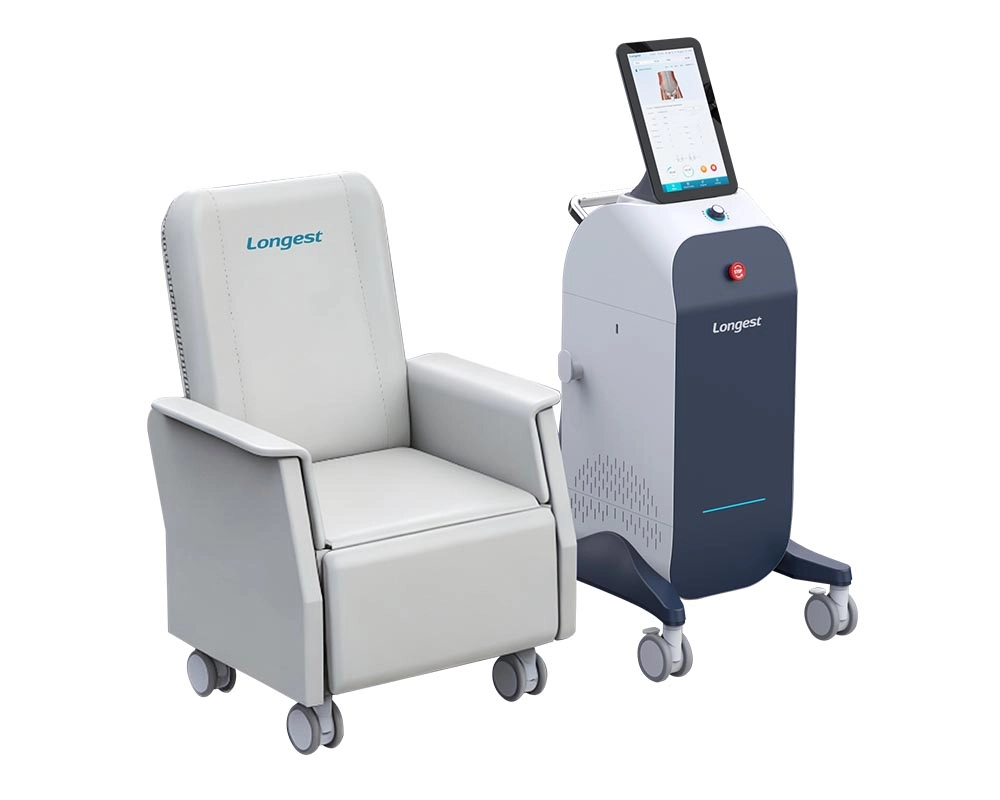
Electromagnetic Stimulator for Pelvic floor rehabilitation LGT-2640AP
The LGT-2640AP Pelvic Floor Magnetic Stimulator is a precision rehabilitation device designed for targeted pelvic floor therapy. Featuring 24 visualized preset protocols (paired with anatomical diagrams), customizable treatment plans, and a pre-adaptation function, it delivers non-invasive, painless stimulation to support postpartum recovery, male pelvic floor rehabilitation, and geriatric pelvic health.
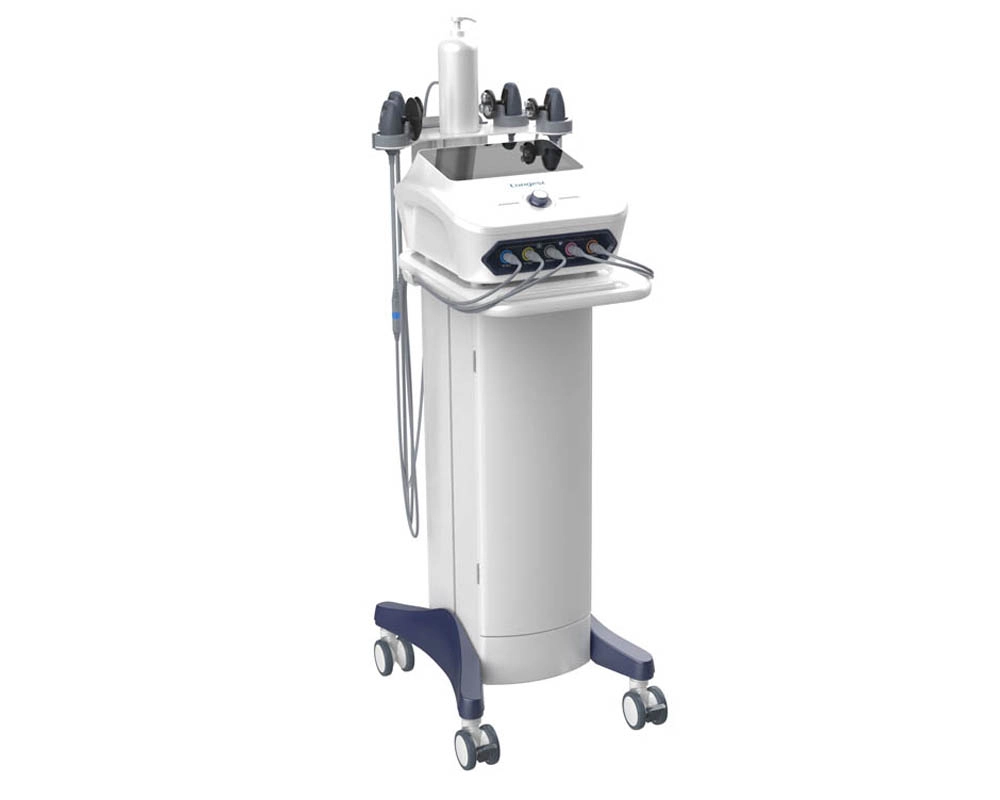
High-Frequency Therapy Device LGT-3500GP(Desktop Design)
LGT-3500GP fits tight spaces without sacrificing performance. Equipped with full TECAR tech, dual tissue-targeting modes, and core safety features, it handles post-op rehab, shallow tissue care, and more—lightweight, durable, and perfect for space-conscious facilities.
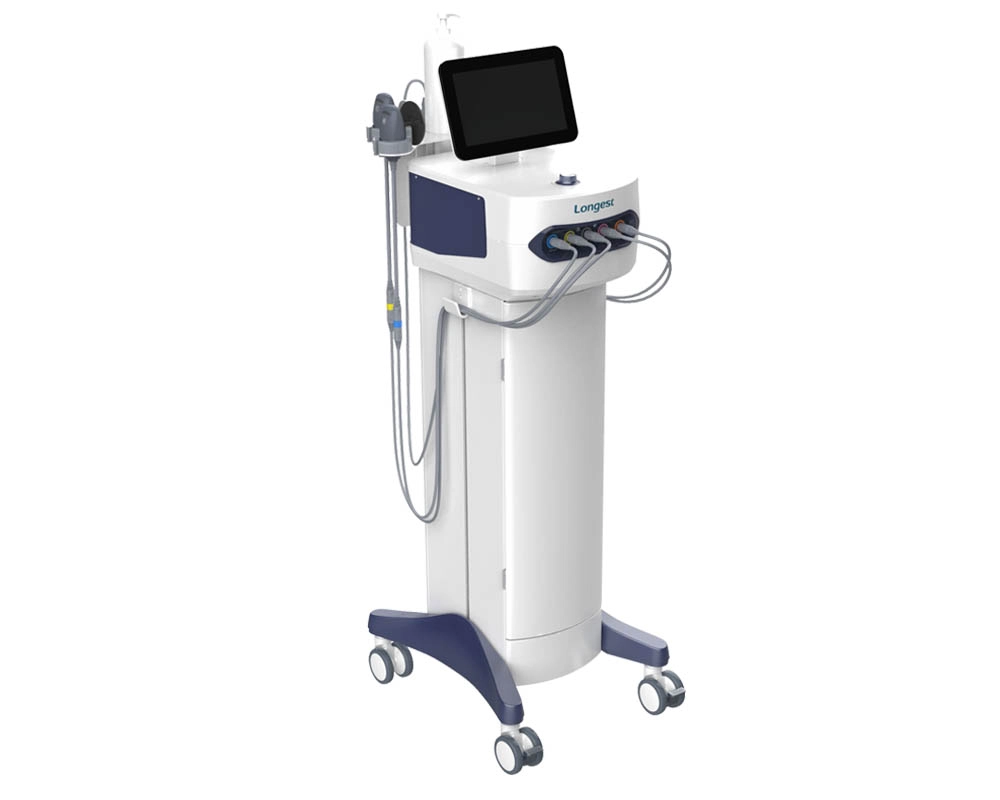
High Frequency Therapy Device LGT-3500LP(Upright Design)
The LGT-3500LP has an upright design with plenty of storage and rolling casters for easy mobility. It uses TECAR Therapy, and it has dual CET/RET modes, 300 KHz~1 MHz frequencies, and safety features like real-time temperature monitoring. This gives you precise, efficient treatments for deep tissue repair and pain relief.
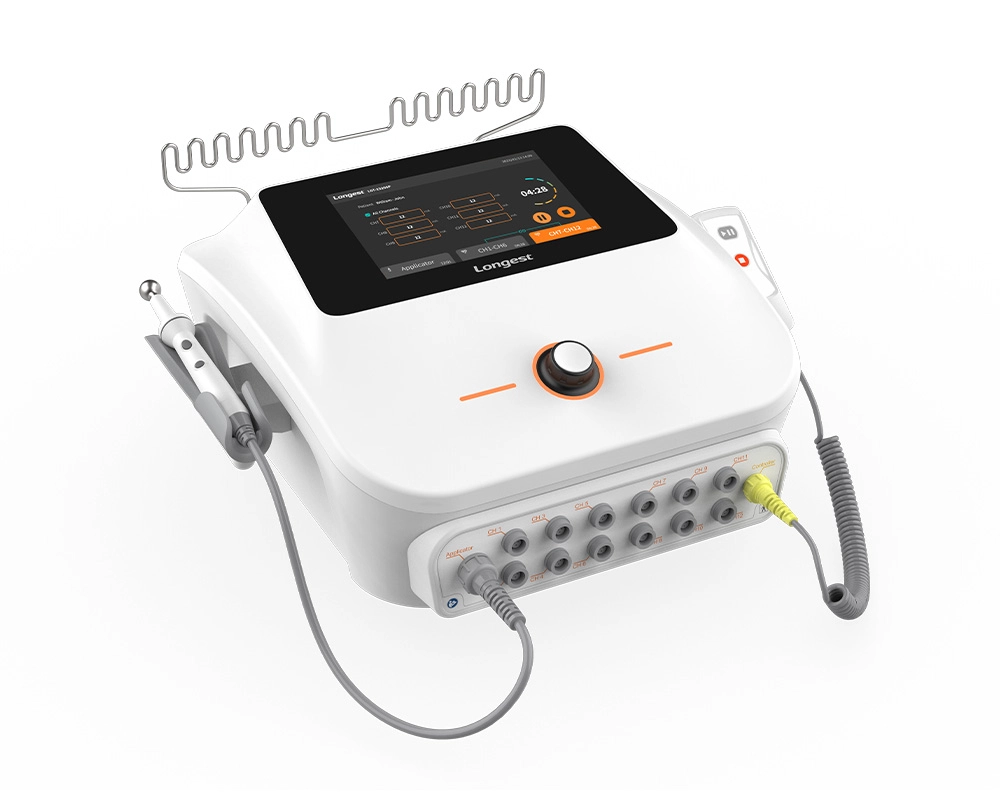
Professional 12-Channel Low-Frequency Electrical Stimulation Machine LGT-2320SP
LGT-2320SP is an advanced electrical stimulation sports training station. It leads to multisite high-efficiency strength gain and realizes bilateral balanced development with motor point detection.
Specifically designed for sports medicine professionals, this device is ideal for the treatment and rehabilitation of sports-related injuries. It delivers precise electrical impulses to targeted areas of the body, promoting pain relief, muscle strengthening, and accelerated recovery.

Call us:
+86 020 – 66353999

export@longest.cn

Address:
301 & 401 of Building 2 & Building 3, No. 96, Chuangqiang Road, Ningxi Street, Zengcheng District, Guangzhou, Guangdong Province, 511399, P.R. China.
Tips: The content on this website is a general description of the product.
The final configuration, parameters, and functions of the product may vary in accordance with the regulatory requirements of different countries and regions.
© 2025 Longest Medical. All Rights Reserved. Powered by gooeyun.
LongestMedical
LongestGloba
longest
guangzhou_longest
GzLongest