


Clinical Evidence: Does LGT-2520GP Improve Tendon Healing?
- Clinical Evidence: Does LGT-2520GP Improve Tendon Healing?
- Why tendon healing matters and where shockwave therapy fits in
- What the LGT-2520GP is and how it differs from other shockwave therapy devices
- How focused electromagnetic shockwaves promote tendon healing (mechanisms)
- Clinical evidence: summary across common tendinopathies using shockwave therapy devices
- Plantar fasciitis
- Lateral epicondylitis (tennis elbow)
- Achilles tendinopathy
- Calcific rotator cuff tendinopathy
- Comparing modalities: focused electromagnetic vs radial and other treatments
- What the clinical trials recommend: typical treatment parameters
- Practical considerations for clinicians using a shockwave therapy device
- Real-world outcomes and economic value
- Evidence gaps and ongoing research
- Brand advantages: why consider the LGT-2520GP as your shockwave therapy device
- Simple decision checklist for adopting the LGT-2520GP
- Frequently Asked Questions (FAQ)
- 1. Is ESWT painful and does the LGT-2520GP require anesthesia?
- 2. How many sessions are usually needed?
- 3. Can ESWT replace surgery?
- 4. Are there any contraindications?
- 5. How does focused electromagnetic ESWT compare to platelet-rich plasma (PRP)?
- Contact us / View the product
- References and sources

Clinical Evidence: Does LGT-2520GP Improve Tendon Healing?
Why tendon healing matters and where shockwave therapy fits in
Tendon injuries and chronic tendinopathies (Achilles tendinopathy, lateral epicondylitis, rotator cuff tendinopathy, plantar fasciitis, etc.) are common, painful, and often slow to heal. Patients and clinicians increasingly seek conservative, non‑invasive treatments that speed recovery, reduce pain and restore function. A growing body of clinical research supports extracorporeal shockwave therapy (ESWT) as one such option. As an advanced shockwave therapy device, the Electromagnetic Focused Shockwave Therapy Machine LGT-2520GP is designed to deliver focused energy at adjustable depths to target the pathologic tissue precisely. This article examines mechanisms, summary evidence across tendinopathies, device-specific considerations, and practical guidance for clinicians and purchasers.
What the LGT-2520GP is and how it differs from other shockwave therapy devices
The LGT-2520GP incorporates the state-of-the-art Electromagnetic Shockwave technology. This technology gives rise to a pressure field that converges within the adjustable focus at precise depths within particular tissues, attaining the maximum pressure. It is capable of precisely pinpointing the origin of musculoskeletal disorders, efficiently alleviating pain, facilitating tissue repair, and diminishing inflammation. The adjustable focus feature allows medical professionals to customize the treatment according to the specific requirements of each patient and the nature of their condition.
Key distinctions of the LGT-2520GP as a shockwave therapy device include:
- Electromagnetic generation: consistent, repeatable shock pulses with tunable energy settings.
- Focused wavefield with adjustable focal depth: permits targeting deep tendon insertions and mid-substance lesions while sparing adjacent tissues.
- Clinical versatility: programmable protocols to match different tendinopathies and patient tolerances.
How focused electromagnetic shockwaves promote tendon healing (mechanisms)
Understanding biological mechanisms helps clinicians decide when ESWT may be effective. Controlled preclinical and clinical studies indicate several processes triggered by focused shockwaves that are relevant to tendon healing:
- Biological stimulation: shockwaves induce mechanotransduction resulting in upregulation of growth factors (VEGF, eNOS), and increased local circulation and neovascularization around tendon-bone insertions.
- Cellular responses: enhanced tenocyte proliferation and collagen turnover, promoting remodeling.
- Modulation of inflammation and nociception: transient microtrauma can shift chronic low-grade inflammation toward a healing phenotype and reduce pain signaling.
- Fragmentation of calcific deposits: focused energy can disintegrate calcifications in calcific tendinitis, facilitating resorption.
These mechanisms are not unique to electromagnetic generation, but focused electromagnetic devices like LGT-2520GP can precisely place energy at the intended depth, which may be important when addressing deep insertions or calcific foci.
Clinical evidence: summary across common tendinopathies using shockwave therapy devices
Randomized controlled trials (RCTs) and systematic reviews provide the highest-quality clinical evidence. Overall, the evidence shows that ESWT can reduce pain and improve function for several chronic tendinopathies — although effect sizes, optimal dosing, and protocols vary by condition. Important findings by condition include:
Plantar fasciitis
Multiple RCTs and meta-analyses have shown that focused ESWT reduces pain and improves functional outcomes for chronic plantar fasciitis refractory to conservative care. Benefits are typically seen at 3–12 months after treatment. Focused ESWT tends to perform better than placebo and similarly or better than radial devices in some studies, likely due to deeper penetration and concentrated focal energy at the plantar fascia insertion.
Lateral epicondylitis (tennis elbow)
Clinical trials report mixed but generally favorable results for chronic lateral epicondylitis. Several RCTs show pain reduction and improved grip strength compared to sham or other treatments, particularly when using focused protocols targeted at the extensor tendon origin.
Achilles tendinopathy
ESWT (both focused and radial) has demonstrated benefit for chronic midportion and insertional Achilles tendinopathy in improving pain scores and activity levels, especially when combined with eccentric loading programs.
Calcific rotator cuff tendinopathy
For calcific tendinopathy of the shoulder, focused ESWT is effective in reducing pain and facilitating resorption of calcium deposits in many patients. Higher-energy focused protocols are usually preferred for calcific lesions.
Important caveat: response rates vary and patient selection (chronicity, size/location of lesion), energy settings, number of sessions, and combination therapies influence outcomes. The LGT-2520GP’s adjustable focus and energy settings allow clinicians to align protocols with published positive regimens.
Comparing modalities: focused electromagnetic vs radial and other treatments
Not all shockwave therapy devices are identical. Clinicians should understand modality differences when evaluating devices or interpreting literature.
| Modality | Generation | Depth & Focus | Typical clinical uses |
|---|---|---|---|
| Focused ESWT (electromagnetic/piezo/ electrohydraulic) | Electromagnetic, piezoelectric, electrohydraulic | Concentrated focal point; adjustable depth (especially electromagnetic focused) | Plantar fasciitis, calcific tendinitis, deep insertional tendinopathies |
| Radial shockwave | Ballistic/radial pressure wave | Shallow, surface-dispersing energy | Superficial tendinopathies, trigger points, broader muscle pain |
| Other conservative options | Ultrasound, PRP, corticosteroid injection, ECC exercise | N/A | Often combined with ESWT; choice depends on pathology and stage |
Source references for modality differences and clinical uses are provided at the end of this article. In practice, focused electromagnetic devices such as the LGT-2520GP are preferred when precise depth targeting or high focal energy is required (eg, deep insertional tendinopathies or calcific deposits).
What the clinical trials recommend: typical treatment parameters
Although protocols vary, common practical parameters derived from successful clinical studies include:
- Energy flux density (EFD): low-to-medium or high depending on pathology (exact EFD depends on device calibration and is described in device manuals and clinical protocols).
- Number of pulses: typically 1500–4000 pulses per session, depending on target and energy.
- Session frequency: 1–3 sessions spaced 1–3 weeks apart; some protocols use a single high-energy session.
- Adjuncts: combining ESWT with eccentric loading, activity modification, or physiotherapy often improves outcomes.
The LGT-2520GP supports adjustable focal depth and energy settings that allow clinicians to reproduce such effective protocols and tailor treatment to the patient's anatomy and tolerance.
Practical considerations for clinicians using a shockwave therapy device
When integrating a focused electromagnetic shockwave therapy device into practice, consider:
- Patient selection: best evidence is for chronic tendinopathies refractory to conservative care (usually >3 months).
- Pain management: local anesthesia may alter efficacy for certain treatments; follow manufacturer and published protocol recommendations.
- Safety: ESWT is generally safe; common short-term effects include transient pain, local swelling, or petechiae. Contraindications include pregnancy, local infection, and coagulation disorders.
- Training and protocols: clinicians should follow device-specific training (LGT-2520GP manuals and clinical guidance) and evidence-based protocols for each indication.
Real-world outcomes and economic value
Beyond pain scores, clinicians and health systems consider return to activity, reduced need for injections or surgery, and patient satisfaction. Several health-economic analyses suggest that successful ESWT can reduce subsequent invasive interventions and associated costs. Device selection (focused electromagnetic devices like the LGT-2520GP) that increases clinical success rates for deep or calcific lesions could improve value by reducing retreatments and surgical referrals.
Evidence gaps and ongoing research
Despite promising data, areas needing more high-quality evidence include standardized dosing across devices, long-term outcomes beyond 12 months for certain conditions, head-to-head trials comparing electromagnetic focused devices to other generators, and optimal combination therapies (eg, ESWT + PRP or exercise). As technologies evolve, device-specific trials (including the LGT-2520GP) strengthen the case for device adoption.
Brand advantages: why consider the LGT-2520GP as your shockwave therapy device
In addition to the general clinical evidence supporting ESWT for tendinopathies, the LGT-2520GP offers several practical advantages for clinics and hospitals:
- Precision: electromagnetic focused delivery with adjustable focal depth enables targeted therapy for deep tendon and calcific lesions.
- Versatility: programmable protocols make it suitable across a range of musculoskeletal conditions, improving utilization in multi-specialty practices (orthopedics, sports medicine, physiatry, podiatry).
- Repeatability & reliability: electromagnetic generation produces consistent pulses with stable output over time for reproducible treatments.
- Patient comfort & workflow: optimized handpieces and protocol presets reduce procedure time and allow efficient patient throughput.
These benefits help translate the clinical potential of ESWT into predictable in-clinic results, improving both clinical outcomes and operational efficiency.
Simple decision checklist for adopting the LGT-2520GP
- Do you treat a high volume of chronic tendinopathies (plantar fasciitis, Achilles, lateral epicondylitis, rotator cuff)? If yes, a focused shockwave therapy device adds clinical options.
- Is there a need to treat deep or calcific lesions where focal depth matters? If yes, the LGT-2520GP’s adjustable focus is an advantage.
- Do you require a device with repeatable output and simple, protocol-driven workflow? If yes, electromagnetic generation supports consistent treatment delivery.
Frequently Asked Questions (FAQ)
1. Is ESWT painful and does the LGT-2520GP require anesthesia?
Patients may experience transient discomfort during treatment. Some protocols use local anesthesia or cooling for patient comfort; however, in certain indications anesthesia may blunt therapeutic effects. Follow published protocols and manufacturer guidance for LGT-2520GP settings.
2. How many sessions are usually needed?
Protocols vary by condition. Typical regimens range from 1 high-energy session to 3 low/medium-energy sessions spaced 1–3 weeks apart. The LGT-2520GP supports variable protocols to match evidence-based regimens.
3. Can ESWT replace surgery?
ESWT is a non-invasive option that can reduce the need for surgery in many patients with chronic tendinopathies. However, severe structural ruptures or advanced pathology may still require surgical management. Discuss case-by-case.
4. Are there any contraindications?
Contraindications include pregnancy, local infection, open wounds, and disorders of coagulation or anticoagulation therapy. Implantable electronic devices (eg, pacemakers) require caution and device-specific guidance. Always review safety instructions in the LGT-2520GP manual.
5. How does focused electromagnetic ESWT compare to platelet-rich plasma (PRP)?
Both are conservative biologic approaches. PRP aims to deliver concentrated growth factors directly, whereas ESWT stimulates endogenous healing processes by mechanical stimulation. Comparative trials are limited; sometimes combination therapy is used. Choice depends on pathology, patient preference, and local availability.
Contact us / View the product
If you would like clinical protocols, device demonstrations, or to discuss how the Electromagnetic Focused Shockwave Therapy Machine LGT-2520GP can be integrated into your practice, please contact our clinical sales team or request a product demo. Our specialists can provide evidence summaries, training support, and ROI assessments tailored to your clinic.
References and sources
The article draws on systematic reviews, randomized controlled trials, and authoritative reviews on extracorporeal shockwave therapy. Key sources include:
- Wang CJ. Extracorporeal shockwave therapy in musculoskeletal disorders. J Orthop Surg Res. 2012;7:11. (Review of mechanisms and clinical applications)
- Systematic reviews and meta-analyses of ESWT for plantar fasciitis, lateral epicondylitis and Achilles tendinopathy (see Cochrane Library and PubMed entries summarizing RCT evidence)
- Device modality reviews comparing focused and radial ESWT and clinical indications (peer-reviewed orthopedic and sports medicine journals)
For device-specific clinical protocols and safety information, review the LGT-2520GP operator manual and published clinical series when available.
Wholesale eswt shockwave therapy machine manufacturer and supplier

How to Use Electromagnetic Focused Shockwave Device Safely
Active Passive Trainer Cost in France: Complete Buyer’s Guide for 2025
Wholesale radial shockwave therapy machine manufacturer and supplier
LGT-2640AP Electromagnetic Stimulator for Pelvic Floor Rehabilitation
What software functions does the LGT-2640AP Electromagnetic Stimulator have?
- Pre-installed with 24 pelvic floor magnetic stimulation prescriptions, each with a part diagram
- Patient case data recording and management, which can memorize the patient's last treatment parameters for quick start of treatment
- Account management system with doctor login function
What are the absolute contraindications for using the LGT-2640AP Electromagnetic Stimulator?
The absolute contraindications for using the LGT-2640AP include:
① Presence of magnetic metal implants (such as cochlear implants, cardiac pacemakers, and stents) in the treatment target area (non-magnetic metals like titanium alloy are usually safe).
② Malignant tumors.
③ Abdomen and lower abdomen of pregnant women.
④ Severe arrhythmia.
⑤ Acute bleeding.
5- LGT-2500X copywriting, physical therapy version
Does your product come with a warranty?
Yes, we're committed to delivering quality products and excellent after-sales service to enhance your overall experience.
LGT-2500F Copywriting - Physical Therapy Edition
Does the software/application have multiple language interface options?
Yes, the software/application supports more than 10 kinds of languages.
LGT-233
May I use MStim Drop LGT-233 without app control?
You can directly operate the host by buttons if don't use the walk mode. All parameters are defaulted as that in the last treatment, except the intensity. If use the walk mode, you should control the device by Mstim Drop.
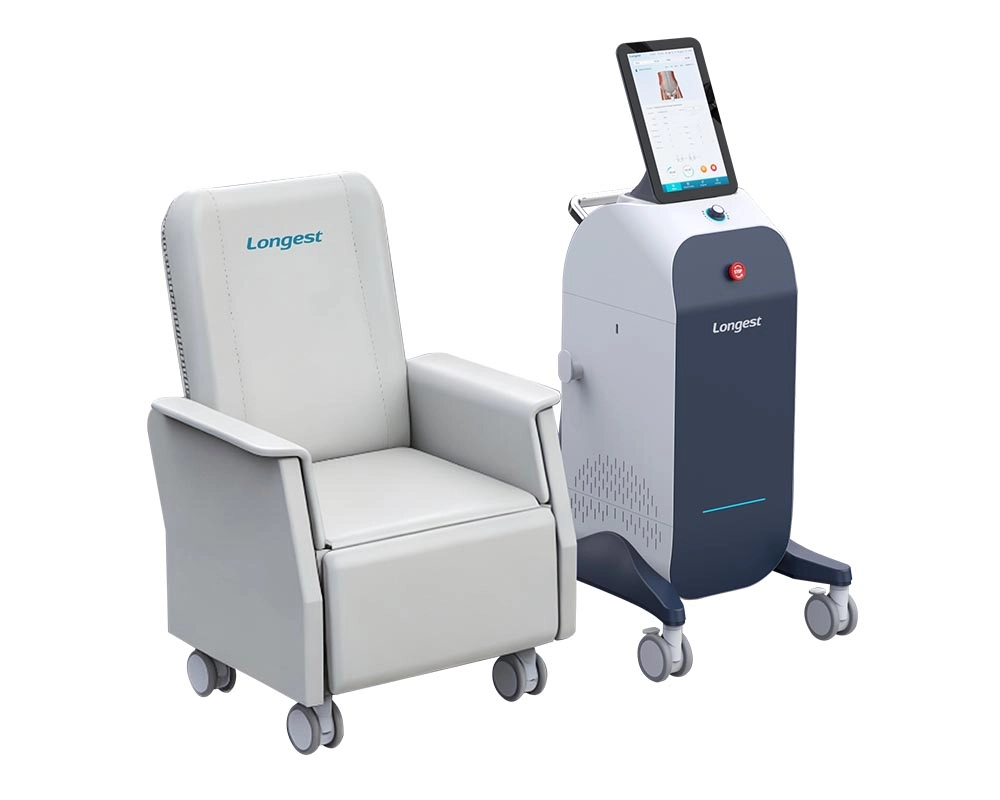
Electromagnetic Stimulator for Pelvic floor rehabilitation LGT-2640AP
The LGT-2640AP Pelvic Floor Magnetic Stimulator is a precision rehabilitation device designed for targeted pelvic floor therapy. Featuring 24 visualized preset protocols (paired with anatomical diagrams), customizable treatment plans, and a pre-adaptation function, it delivers non-invasive, painless stimulation to support postpartum recovery, male pelvic floor rehabilitation, and geriatric pelvic health.
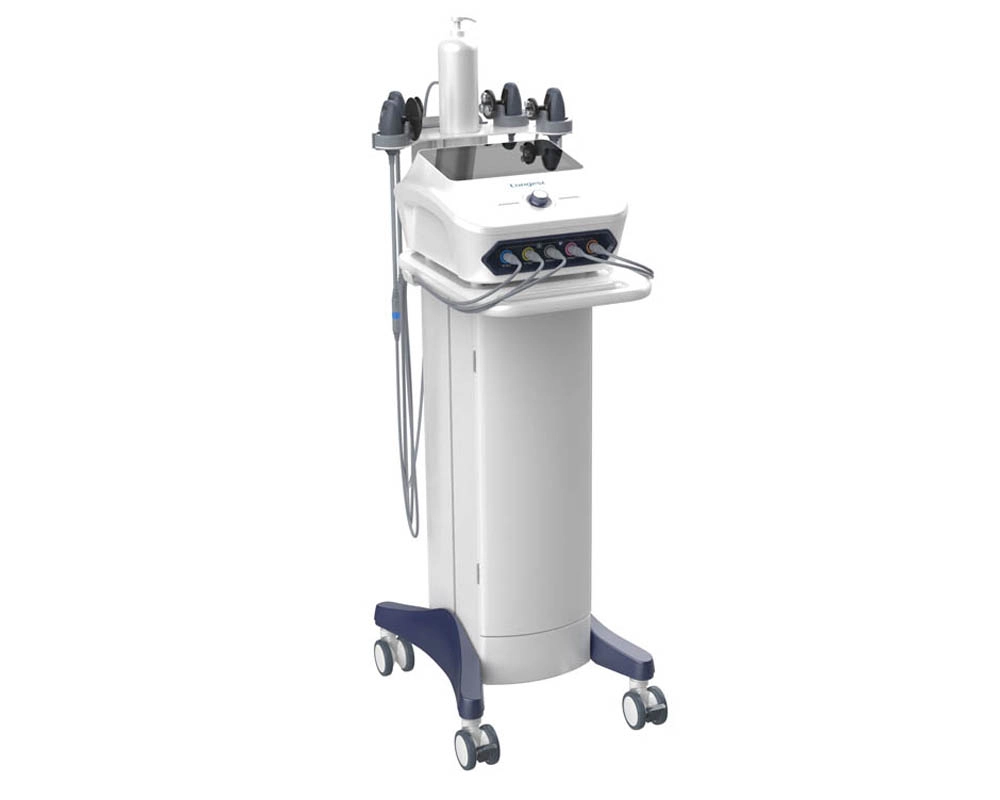
High-Frequency Therapy Device LGT-3500GP(Desktop Design)
LGT-3500GP fits tight spaces without sacrificing performance. Equipped with full TECAR tech, dual tissue-targeting modes, and core safety features, it handles post-op rehab, shallow tissue care, and more—lightweight, durable, and perfect for space-conscious facilities.
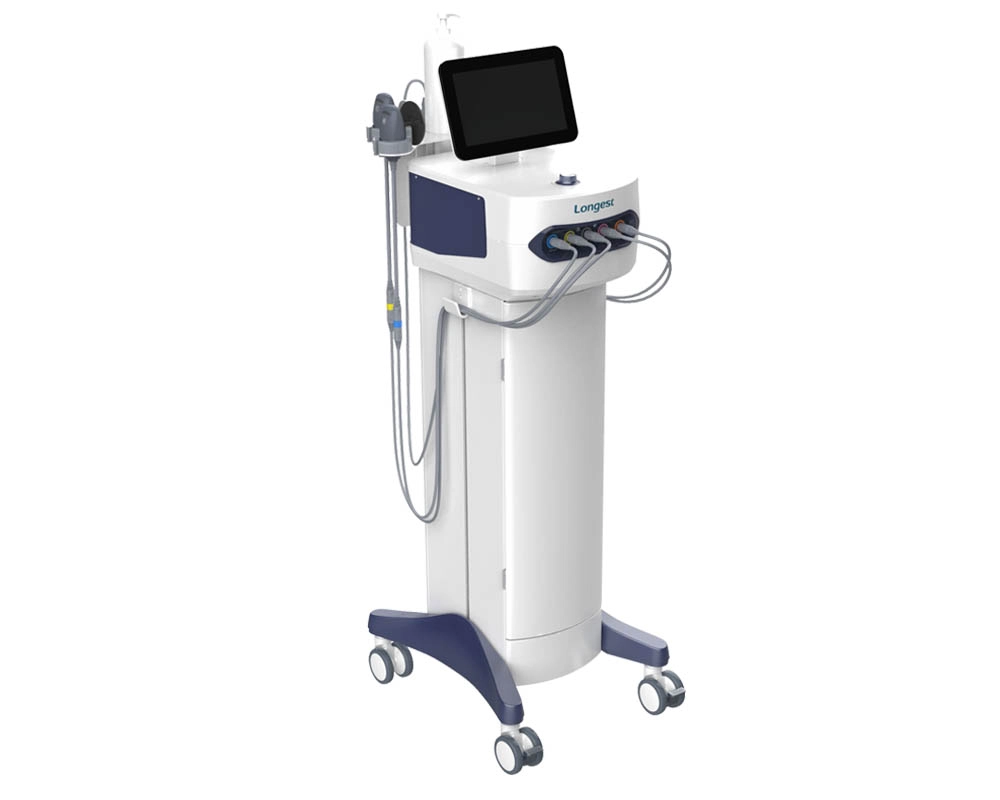
High Frequency Therapy Device LGT-3500LP(Upright Design)
The LGT-3500LP has an upright design with plenty of storage and rolling casters for easy mobility. It uses TECAR Therapy, and it has dual CET/RET modes, 300 KHz~1 MHz frequencies, and safety features like real-time temperature monitoring. This gives you precise, efficient treatments for deep tissue repair and pain relief.
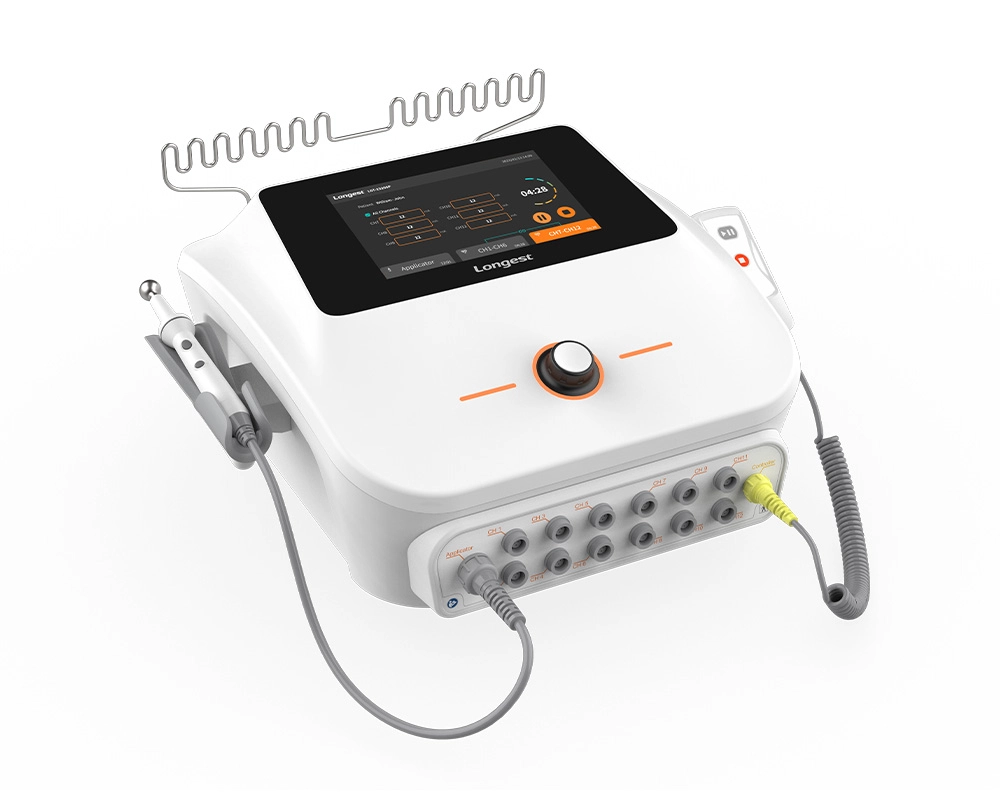
Professional 12-Channel Low-Frequency Electrical Stimulation Machine LGT-2320SP
LGT-2320SP is an advanced electrical stimulation sports training station. It leads to multisite high-efficiency strength gain and realizes bilateral balanced development with motor point detection.
Specifically designed for sports medicine professionals, this device is ideal for the treatment and rehabilitation of sports-related injuries. It delivers precise electrical impulses to targeted areas of the body, promoting pain relief, muscle strengthening, and accelerated recovery.

Call us:
+86 020 – 66353999

export@longest.cn

Address:
301 & 401 of Building 2 & Building 3, No. 96, Chuangqiang Road, Ningxi Street, Zengcheng District, Guangzhou, Guangdong Province, 511399, P.R. China.
Tips: The content on this website is a general description of the product.
The final configuration, parameters, and functions of the product may vary in accordance with the regulatory requirements of different countries and regions.
© 2025 Longest Medical. All Rights Reserved. Powered by gooeyun.
LongestMedical
LongestGloba
longest
guangzhou_longest
GzLongest