


Patient FAQs: What to Expect During Shockwave Therapy
- Patient FAQs: What to Expect During Shockwave Therapy
- What is shockwave therapy and how does a shockwave therapy device work?
- Which types of shockwave therapy devices are used in clinics?
- How should I prepare for a session with a shockwave therapy device?
- What happens during a typical shockwave therapy session?
- Will shockwave therapy hurt? What sensations should I expect when using a shockwave therapy device?
- How many sessions will I need and how soon will I notice improvement?
- What are the risks and contraindications for shockwave therapy?
- How does radial therapy compare to focused therapy?
- Is shockwave therapy device treatment covered by insurance?
- How should I care for the treated area after a shockwave therapy session?
- What outcomes can I realistically expect?
- Why choose a modern shockwave therapy device like the PowerShocker LGT-2500X?
- Comparing treatment options: Where does a shockwave therapy device fit in my care plan?
- Patient checklist: Questions to ask before starting shockwave therapy
- FAQs
- 1. Is shockwave therapy device treatment safe for older adults?
- 2. Can I drive myself home after a session with a shockwave therapy device?
- 3. How soon can I exercise after shockwave therapy?
- 4. Will shockwave therapy device treatment interact with my medication?
- 5. How much does a typical course of shockwave therapy cost?
- Why PowerShocker LGT-2500X: brand and product advantages
- Contact and next steps
- References and sources

Patient FAQs: What to Expect During Shockwave Therapy
What is shockwave therapy and how does a shockwave therapy device work?
Shockwave therapy (also called extracorporeal shock wave therapy, ESWT) is a non-invasive treatment used to promote healing in musculoskeletal conditions such as plantar fasciitis, Achilles tendinopathy, tennis elbow, and certain chronic tendon injuries. A shockwave therapy device generates controlled acoustic pulses that deliver mechanical energy to the targeted tissue. This energy stimulates biological responses — increased blood flow, reduction of pain-signaling chemicals, and promotion of tissue repair — without cutting or injecting the area.
Which types of shockwave therapy devices are used in clinics?
There are two main types of clinical shockwave devices: focused and radial. Focused devices concentrate energy at a specific deep point, while radial devices deliver energy that spreads out from the applicator and generally treats more superficial tissue. Clinics choose devices based on the condition treated, depth of tissue, and workflow needs. For example, the PowerShocker LGT-2500X is a compressed pneumatic ballistic radial shockwave therapy device designed to treat musculoskeletal disorders with speed and ease. It is optimized for clinics that prioritize efficiency, reproducibility, and patient comfort.
Product highlight:
PowerShocker LGT-2500X is a compressed pneumatic ballistic shockwave therapy device, bringing the most advanced way to treat musculoskeletal disorders with quality, speed, and ease. With High Quality features and a sleek design, it is a premier solution for clinics to streamline workflow, increase efficiency, and improve patient care.
How should I prepare for a session with a shockwave therapy device?
Preparation is minimal. Wear comfortable clothing that allows access to the treatment site. Your clinician will review your medical history, medications, and any contraindications (for example, pregnancy, active infection at the treatment site, blood-clotting disorders, or use of certain blood-thinning medications). Avoid applying topical creams or lotions on the treatment area before your appointment unless your clinician instructs otherwise. Bring any previous imaging (X-rays, ultrasounds) if available; they can help guide treatment planning.
What happens during a typical shockwave therapy session?
Sessions are straightforward and usually take 5–20 minutes, depending on the condition and area treated. Typical steps include:
- Positioning: You will be seated or lying comfortably and the clinician will expose the treatment area.
- Assessment: The clinician locates the precise pain-generating area, sometimes using palpation or ultrasound guidance.
- Coupling: A water-based gel is applied to improve acoustic coupling between the applicator and your skin.
- Treatment: The clinician applies the shockwave therapy device to the area and delivers a series of pulses. Energy, frequency, and number of pulses are chosen based on your condition and tolerance.
- Post-treatment: Gel is wiped off. You’ll be given short-term activity and pain-management advice.
Most patients can return to normal activities the same day, though clinicians may advise avoiding intense exercise for 24–48 hours.
Will shockwave therapy hurt? What sensations should I expect when using a shockwave therapy device?
Sensations vary by patient and by device energy level. Common feelings include mild to moderate discomfort, sharp tapping, tingling, or a deep ache at the treatment site. Pain is typically short-lived and tied to pulse delivery; many clinicians start at a lower energy setting and gradually increase to improve tolerance. Numbing or local anesthesia is rarely necessary for radial devices and is used selectively. After treatment, temporary soreness or bruising can occur for 24–72 hours.
How many sessions will I need and how soon will I notice improvement?
Treatment protocols vary by condition. Typical courses for a shockwave therapy device are 3–6 sessions spaced 1–2 weeks apart. Some patients report pain relief after the first session, while tissue remodeling and longer-term benefits often become noticeable after several weeks to a few months. Clinically meaningful improvement commonly occurs within 4–12 weeks following a full course of treatment, depending on chronicity of the condition and concurrent rehabilitation efforts.
What are the risks and contraindications for shockwave therapy?
Shockwave therapy is generally safe when performed by trained clinicians. Possible minor risks include transient pain, bruising, swelling, numbness, or skin redness at the treated area. Serious adverse events are rare. Absolute contraindications commonly include pregnancy, active local infection, local malignancy, and uncorrected coagulopathy. Relative contraindications (where clinician judgment is needed) include use of anticoagulant medication and certain implanted electronic devices — always disclose your full medical history before treatment.
How does radial therapy compare to focused therapy?
Both radial and focused shockwave approaches have clinical value. Here is a brief comparison:
| Feature | Radial Shockwave (ballistic) | Focused Shockwave |
|---|---|---|
| Energy distribution | Spreads from applicator; treats superficial to mid-depth tissue | Concentrated at a focal point; can reach deeper tissues |
| Typical indications | Plantar fasciitis, lateral epicondylitis, superficial tendon pain | Deep calcific tendinopathy, bone lesions, some deep-seated tendinopathies |
| Comfort | Often better tolerated; adjustable energy | Can be more intense; may require anesthesia for high-energy protocols |
| Clinical workflow | Quick, often easier to integrate into busy clinics (e.g., PowerShocker LGT-2500X) | May require additional imaging guidance |
Source: Professional clinical reviews and device manufacturer guidance (see references).
Is shockwave therapy device treatment covered by insurance?
Coverage varies widely between countries, insurance plans, and clinical indications. Some insurers cover ESWT for specific diagnoses like chronic plantar fasciitis after conservative therapies fail, while others consider it experimental for certain uses. Ask your clinic to provide documentation and coding information to submit to your insurer, and check coverage details before scheduling a full treatment course.
How should I care for the treated area after a shockwave therapy session?
- Expect mild soreness; use ice for short periods if recommended by your clinician.
- Avoid anti-inflammatory medications immediately post-treatment if your clinician advises, as some protocols rely on natural inflammatory signaling for tissue repair.
- Follow a supervised rehabilitation or stretching program provided by your clinician or physiotherapist; combining ESWT with exercise often improves outcomes.
- Report any unusual symptoms (increasing redness, fever, severe pain) promptly.
What outcomes can I realistically expect?
Outcomes depend on the diagnosis, severity, and duration of the condition. Many patients experience meaningful pain reduction and improved function after a full course. Chronic conditions that haven’t responded to conservative care tend to show the most measurable benefit. Success rates reported in clinical reviews vary by condition but commonly show clinically relevant improvement in a substantial portion of treated patients when compared to placebo or standard care.
Why choose a modern shockwave therapy device like the PowerShocker LGT-2500X?
When clinics evaluate shockwave therapy devices, they consider treatment consistency, durability, ease of use, and patient comfort. The PowerShocker LGT-2500X is a compressed pneumatic ballistic radial shockwave therapy device designed to deliver adjustable energy levels, reproducible pulses, and a compact workflow-friendly design. Benefits for clinics and patients include streamlined sessions, simplified training, and reliable performance for commonly treated musculoskeletal conditions.
Comparing treatment options: Where does a shockwave therapy device fit in my care plan?
Shockwave therapy is typically considered after failing conservative measures (rest, targeted exercise, orthotics, activity modification, or injections) or as an adjunct to rehabilitation. It is a non-surgical option that may reduce pain and improve function while avoiding or postponing more invasive interventions. Your clinician will weigh factors such as symptom duration, diagnostic imaging, prior treatments, and personal health before recommending ESWT with a suitable device like the PowerShocker LGT-2500X.
Patient checklist: Questions to ask before starting shockwave therapy
- What diagnosis are you treating and what outcome can I expect?
- Which type of shockwave therapy device will you use (radial vs focused)?
- How many sessions are advised and what is the estimated cost?
- What are the contraindications and expected side effects?
- Will I need follow-up imaging or a rehabilitation program?
FAQs
1. Is shockwave therapy device treatment safe for older adults?
Yes, when appropriately screened. Age alone is not a contraindication. Clinicians will evaluate coexisting conditions and medication use to ensure safety.
2. Can I drive myself home after a session with a shockwave therapy device?
Yes. Most patients can drive immediately after treatment. If you experience dizziness or receive sedation (rare), arrange transport.
3. How soon can I exercise after shockwave therapy?
Your clinician will provide personalized guidance. Generally, light activity is okay the same day; intensive training is often paused for 24–48 hours and gradually reintroduced as symptoms improve.
4. Will shockwave therapy device treatment interact with my medication?
Anticoagulants increase bleeding risk; disclose medications and follow your clinician’s instructions. Some clinicians avoid anti-inflammatories immediately after treatment to preserve the therapy’s biological effects.
5. How much does a typical course of shockwave therapy cost?
Costs vary by region, clinic, device, and number of sessions. Ask your clinic for a fee schedule and whether they offer bundled session pricing.
Why PowerShocker LGT-2500X: brand and product advantages
PowerShocker LGT-2500X offers clinics a modern radial shockwave solution designed with workflow in mind. Key advantages include:
- Compressed pneumatic ballistic mechanism for consistent pulse delivery.
- Adjustable energy and frequency to tailor treatments per patient tolerance and indication.
- Sleek design and compact footprint for busy multispecialty clinics.
- Durable construction and serviceability to minimize downtime.
- Training and clinical support to ensure proper use and evidence-based protocols.
Together, these features help clinics increase throughput without compromising care quality.
Contact and next steps
If you’re a patient interested in shockwave therapy or a clinic evaluating a shockwave therapy device like the PowerShocker LGT-2500X, contact our clinical sales team or request a demo to discuss indications, protocols, and pricing. Speak with a specialist to determine if shockwave therapy is a suitable option for your condition and to arrange an assessment.
Contact us: Phone: , Email: , or request a demo via our product page.
References and sources
- General clinical reviews and overviews of extracorporeal shock wave therapy: PubMed and PubMed Central review articles on ESWT and musculoskeletal applications (search: extracorporeal shock wave therapy musculoskeletal review).
- Comparative device and procedural guidance: Manufacturer device literature and clinical device white papers (example: product technical sheets and user manuals for radial and focused ESWT devices).
- Guidance on patient selection, contraindications, and safety: Professional society position statements and peer-reviewed clinical practice reviews available via PubMed.
Note: For detailed clinical evidence and condition-specific data, consult your treating clinician or search peer-reviewed publications on PubMed (https://pubmed.ncbi.nlm.nih.gov/) and open-access reviews on PubMed Central (https://www.ncbi.nlm.nih.gov/pmc/).
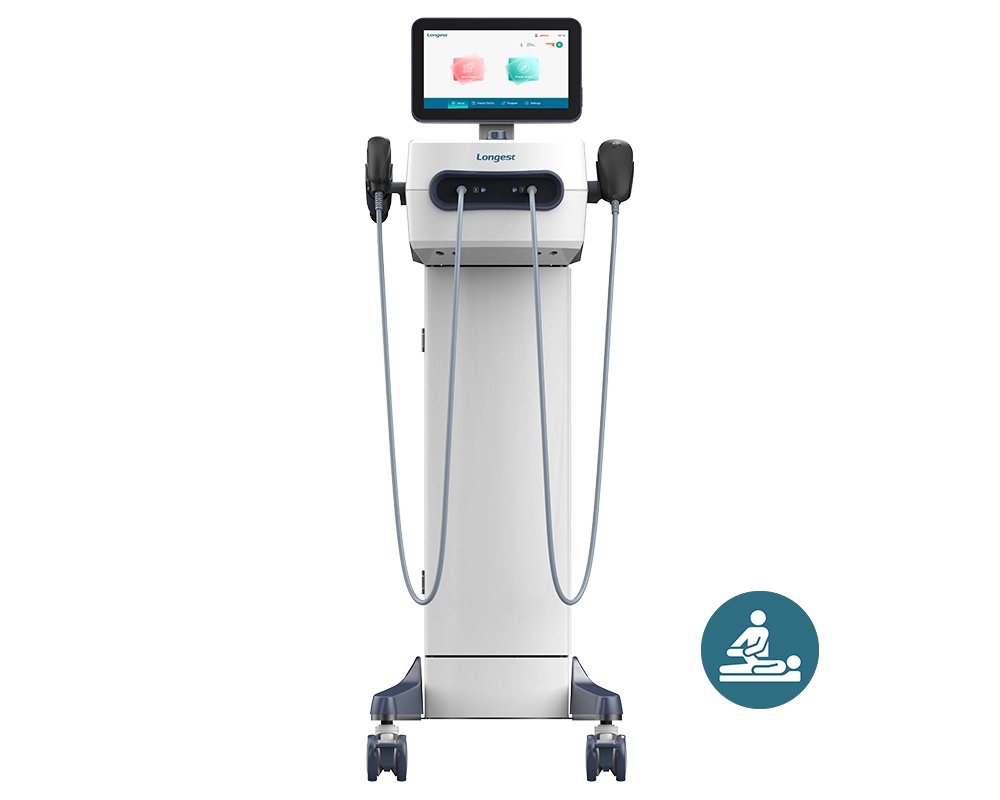
PowerShocker LGT-2500X Review: Is It Worth Buying?
Safe and Effective Exercises for Cardiac Rehab at Home: A Comprehensive Guide
Can I Do Shockwave Therapy at Home? A Complete Guide for Safe and Effective Use
How to Vet China Medical Device Manufacturers for Physio Gear
2500s plus physical therapy version
What are the characteristics of the radial pulse wave therapy machine PowerShocker LGT-2500S Plus?
The PowerShocker LGT-2500S Plus is characterized by compact dimension, easy operation, reliability, and low maintenance.
2510A-beauty
How does PowerShocker LGT- 2510A assist with patient management?
It can save patients’ information and treatment records. This gives caregivers access to valuable patient data, enabling them to make more informed decisions and achieve better treatment results.
2410S-Mechine
Can the trolley and host be separated?
No, the trolley and the host are integrated and cannot be separated.
2500X
Is OEM/ODM service available?
Yes. Contact us for more details. We offer professional OEM/ODM services.
2410S
What is the maximum capacity of the case database and patient treatment records?
There is no upper limit.
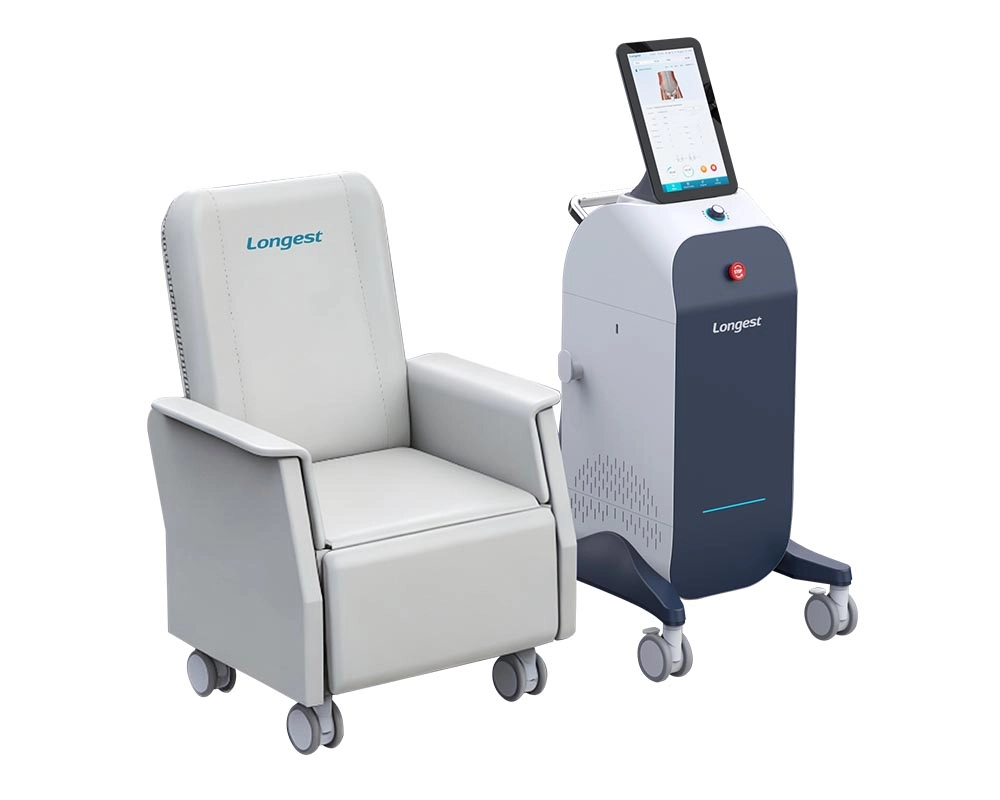
Electromagnetic Stimulator for Pelvic floor rehabilitation LGT-2640AP
The LGT-2640AP Pelvic Floor Magnetic Stimulator is a precision rehabilitation device designed for targeted pelvic floor therapy. Featuring 24 visualized preset protocols (paired with anatomical diagrams), customizable treatment plans, and a pre-adaptation function, it delivers non-invasive, painless stimulation to support postpartum recovery, male pelvic floor rehabilitation, and geriatric pelvic health.
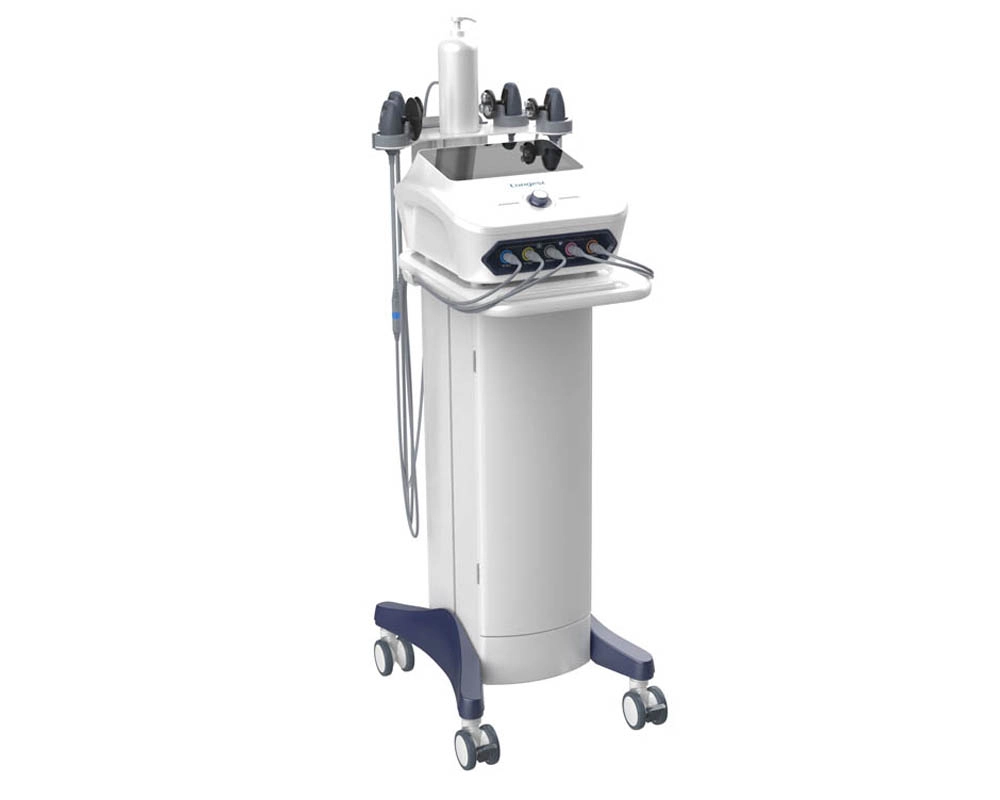
High-Frequency Therapy Device LGT-3500GP(Desktop Design)
LGT-3500GP fits tight spaces without sacrificing performance. Equipped with full TECAR tech, dual tissue-targeting modes, and core safety features, it handles post-op rehab, shallow tissue care, and more—lightweight, durable, and perfect for space-conscious facilities.
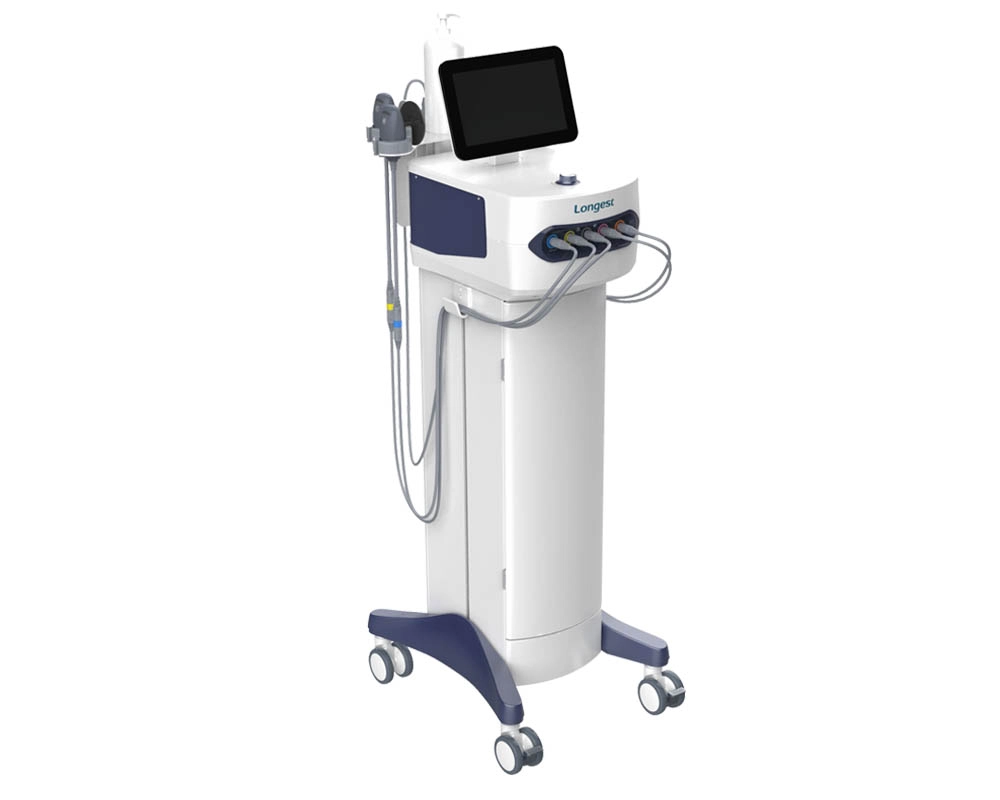
High Frequency Therapy Device LGT-3500LP(Upright Design)
The LGT-3500LP has an upright design with plenty of storage and rolling casters for easy mobility. It uses TECAR Therapy, and it has dual CET/RET modes, 300 KHz~1 MHz frequencies, and safety features like real-time temperature monitoring. This gives you precise, efficient treatments for deep tissue repair and pain relief.
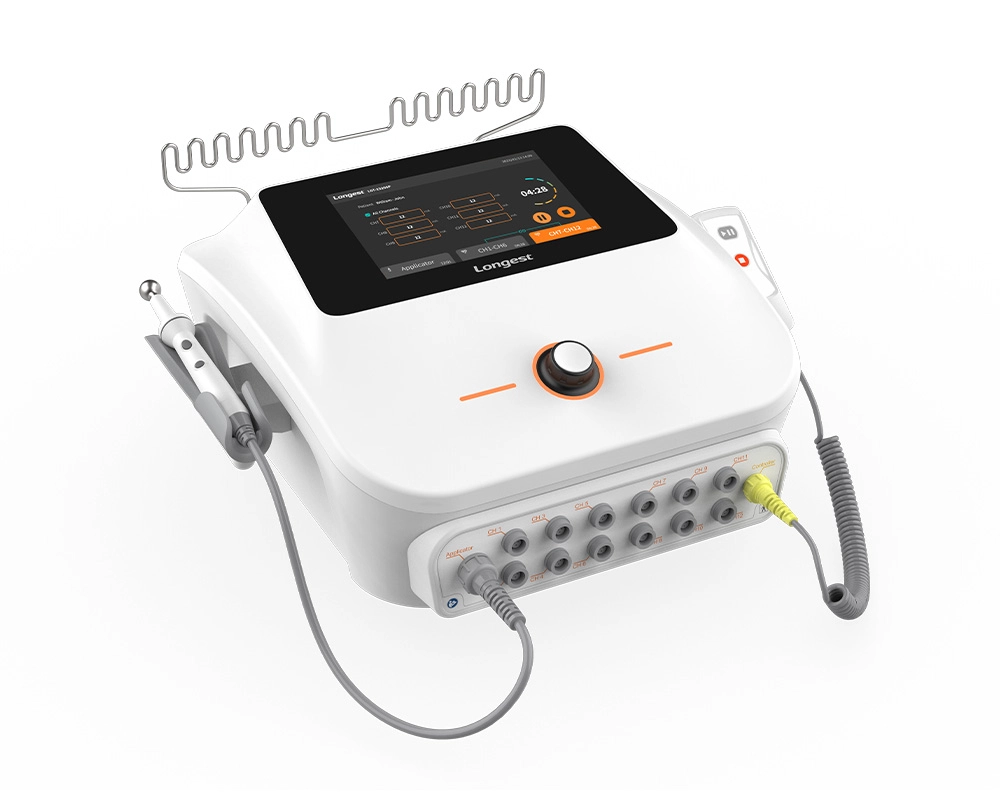
Professional 12-Channel Low-Frequency Electrical Stimulation Machine LGT-2320SP
LGT-2320SP is an advanced electrical stimulation sports training station. It leads to multisite high-efficiency strength gain and realizes bilateral balanced development with motor point detection.
Specifically designed for sports medicine professionals, this device is ideal for the treatment and rehabilitation of sports-related injuries. It delivers precise electrical impulses to targeted areas of the body, promoting pain relief, muscle strengthening, and accelerated recovery.

Call us:
+86 020 – 66353999

export@longest.cn

Address:
301 & 401 of Building 2 & Building 3, No. 96, Chuangqiang Road, Ningxi Street, Zengcheng District, Guangzhou, Guangdong Province, 511399, P.R. China.
Tips: The content on this website is a general description of the product.
The final configuration, parameters, and functions of the product may vary in accordance with the regulatory requirements of different countries and regions.
© 2025 Longest Medical. All Rights Reserved. Powered by gooeyun.
LongestMedical
LongestGloba
longest
guangzhou_longest
GzLongest