


PowerShocker LGT-2500X Review: Is It Worth Buying?
- PowerShocker LGT-2500X Review: Is It Worth Buying?
- What is the PowerShocker LGT-2500X and how is it described?
- How radial/ballistic shockwave therapy devices work
- Clinical evidence: what conditions respond to shockwave therapy?
- Key device features clinics should evaluate
- Safety profile and contraindications for radial shockwave therapy
- Comparing radial/ballistic devices to other shockwave technologies
- Practical clinic integration: throughput, training and consumables
- Cost, reimbursement and ROI considerations
- Pros and cons — objective considerations
- Who should consider buying the PowerShocker LGT-2500X?
- Brand strengths and final assessment
- FAQ — Common questions about the PowerShocker LGT-2500X and shockwave therapy devices
- Is radial shockwave therapy effective?
- Can it replace physical therapy or injections?
- Is treatment painful?
- What maintenance is required?
- Does the device have regulatory approvals?
- Contact sales / See the product
- References and sources

PowerShocker LGT-2500X Review: Is It Worth Buying?
If you are evaluating a shockwave therapy device for your clinic, the Newest Radial Shockwave Therapy Device PowerShocker LGT-2500X is positioned as a High Quality compressed pneumatic ballistic system designed to treat musculoskeletal disorders with speed, quality, and ease. This review breaks down how the device works, the clinical evidence for radial/ballistic shockwave therapy, practical pros and cons for clinic use, comparisons with alternative technologies, safety and regulatory considerations, and a final recommendation to help you decide whether it’s worth buying.
What is the PowerShocker LGT-2500X and how is it described?
The PowerShocker LGT-2500X is a compressed pneumatic ballistic shockwave therapy device marketed for musculoskeletal treatment. According to the product description, it offers a modern, ergonomic design with clinical presets and workflow-focused features intended to improve clinic throughput and patient care. As a radial (ballistic) shockwave system, it generates pressure waves using compressed air that accelerates a projectile inside a handpiece to transfer energy into tissues — a technology commonly used in outpatient orthopedics, sports medicine, and physical therapy clinics.
How radial/ballistic shockwave therapy devices work
Radial (ballistic) shockwave therapy devices (often called radial ESWT or rESWT) create mechanically generated pressure waves that spread out radially from the applicator tip. These waves interact with soft tissue and bone interfaces, facilitating biological responses including increased local circulation, promotion of tissue regeneration, and modulation of pain signaling. While focused extracorporeal shock wave therapy (fESWT) concentrates energy at a deeper focal point, radial/ballistic devices deliver lower peak pressures distributed more superficially — an important distinction for clinical selection.
Clinical evidence: what conditions respond to shockwave therapy?
Shockwave therapy devices, including radial systems, have been studied for several common musculoskeletal conditions. High-quality randomized controlled trials and systematic reviews identify positive outcomes for conditions such as chronic plantar fasciitis, lateral epicondylitis (tennis elbow), calcific shoulder tendinopathy, and some tendinopathies when conservative care has failed. Effect sizes, optimal protocols (energy, frequency, session number), and durability of benefit vary by condition and device type. When evaluating a shockwave therapy device, confirm that your intended indications align with the published evidence and that your device can deliver appropriate energy/frequency ranges and applicator options.
Key device features clinics should evaluate
When judging the PowerShocker LGT-2500X or any shockwave therapy device, consider practical features that affect daily operations. Important items include treatment presets and memory for common protocols, adjustable energy and frequency, multiple applicator tips for anatomical targeting, ergonomic handpiece design, touchscreen or intuitive UI for fast setup, integrated safety controls, maintenance needs and local service options. According to the product summary, the LGT-2500X emphasizes High Quality features and streamlined workflow — aspects that directly influence throughput and clinician satisfaction in busy clinics.
Safety profile and contraindications for radial shockwave therapy
Shockwave therapy devices are generally safe when used by trained clinicians following manufacturer guidelines. Common transient adverse effects include local pain during or after treatment, bruising, reddening, or numbness; serious complications are rare. Absolute contraindications typically include pregnancy, malignancy at the treatment site, local infection, bleeding disorders, and presence of certain implanted devices near the treatment zone. Device-specific safety instructions should always be followed; verify the LGT-2500X's contraindications, recommended safety distances from implants, and required training before purchase and clinical use.
Comparing radial/ballistic devices to other shockwave technologies
Picking the right shockwave therapy device requires understanding how radial (ballistic) devices compare with focused and electromagnetic systems. The table below summarizes practical differences clinics use to decide which technology fits their case mix.
| Characteristic | Radial / Ballistic (e.g., PowerShocker LGT-2500X) | Focused ESWT | Electromagnetic |
|---|---|---|---|
| Energy delivery | Lower peak pressure, energy disperses superficially from applicator tip | High peak pressure concentrated at a focal point (deeper target) | Variable; can provide focused or semi-focused waves depending on design |
| Typical clinical uses | Superficial tendinopathies, plantar fasciitis, myofascial trigger points | Deeper pathologies, calcifications, bone-related applications | Used for both soft tissue and deeper targets depending on model |
| Patient comfort | Often well tolerated with lower intensity; sessions can be brisk | Can be more uncomfortable; sometimes requires anesthesia for high-energy protocols | Varies by system and energy settings |
| Cost and maintenance | Tends to be lower cost and simpler maintenance | Higher initial cost and servicing complexity | Mid-to-high cost depending on functionality |
Sources for these general distinctions include peer-reviewed reviews and clinical guidance summarizing ESWT modalities (see references at the end). When comparing devices, align your purchase decision with the primary patient population you treat.
Practical clinic integration: throughput, training and consumables
Integrating a shockwave therapy device into clinical workflow requires planning. Items to evaluate for the LGT-2500X include session time per patient (setup + treatment), how many preset protocols are available for common indications, the learning curve for therapists, and consumables such as applicator tips. A device that reduces setup time and simplifies protocol selection will increase patient throughput and revenue. Factor in staff training (manufacturer or distributor training programs), warranty coverage, and local technical support availability — these often determine long-term satisfaction more than initial purchase price.
Cost, reimbursement and ROI considerations
Is the PowerShocker LGT-2500X worth buying financially? That depends on several clinic-specific factors: purchase price, expected volume of shockwave treatments, average session reimbursement (if applicable in your market), consumable costs, and maintenance. Create a simple ROI model: estimate monthly treatments × reimbursement (or private pay fee) minus operational costs (consumables, maintenance, staff time). Many clinics recoup a shockwave device investment within 1–3 years if utilization is consistent and the device addresses common refractory conditions in their practice.
Pros and cons — objective considerations
Pros:
- Designed for clinic efficiency with ergonomic design and clinical presets.
- Radial/ballistic waveforms are effective for many superficial musculoskeletal problems and well tolerated by patients.
- Lower complexity and maintenance compared with some focused systems.
- Radial devices are less suitable for deep focal lesions that require focused ESWT.
- Clinical outcomes depend on correct protocol selection and operator skill; training is essential.
- Regulatory clearance and local reimbursement vary by market — verify before purchase.
Who should consider buying the PowerShocker LGT-2500X?
Clinics that treat a high volume of superficial tendinopathies, plantar fasciitis, myofascial pain, and sports-related soft tissue complaints will likely find a radial device like the LGT-2500X valuable, especially if they prioritize ease of use, throughput, and a lower-maintenance platform. Private practices, sports medicine centers, physiotherapy clinics, and multi-specialty clinics that can integrate shockwave therapy into conservative care pathways are prime candidates. Conversely, centers that treat deep calcific deposits, specialist bone pathologies, or need the highest focal energies may require a focused ESWT system instead.
Brand strengths and final assessment
Based on the product positioning — a compressed pneumatic ballistic shockwave therapy device with High Quality features and streamlined workflow — the PowerShocker LGT-2500X appears tailored for clinics seeking a reliable radial platform. Brand advantages likely include modern ergonomics, clinical presets to simplify use, and design choices aimed at efficiency. To finalize a buying decision: verify device specifications (energy/frequency range, applicator options), confirm regulatory clearances in your market, request a demonstration and trial period if possible, and calculate a realistic ROI based on expected case mix and reimbursement.
FAQ — Common questions about the PowerShocker LGT-2500X and shockwave therapy devices
Is radial shockwave therapy effective?
Yes — for many superficial musculoskeletal conditions (e.g., chronic plantar fasciitis, lateral epicondylitis, calcific tendinopathy) randomized trials and systematic reviews show benefit when compared with placebo or certain conservative treatments. Effect size and optimal protocol depend on the condition and device used. See references below for systematic reviews and RCTs.
Can it replace physical therapy or injections?
Shockwave therapy is typically an adjunct to conservative care, not an outright replacement. It can reduce pain and improve function, and in some cases reduce need for steroid injections or surgery, but best results often come from combined approaches (exercise therapy, load management, manual therapy).
Is treatment painful?
Most patients tolerate radial shockwave therapy well. Some discomfort during application is common; clinicians can adjust energy/intensity, apply local analgesia if needed, and use gradual ramping protocols to improve comfort.
What maintenance is required?
Maintenance varies by manufacturer but usually includes periodic checks of pneumatic components, replacement of applicator tips when worn, calibration and software updates, and routine cleaning. Confirm the LGT-2500X maintenance schedule and local service options before purchase.
Does the device have regulatory approvals?
Regulatory status is market-specific (e.g., CE marking for EU, FDA clearance in the U.S.). Before purchase, request documentation from the supplier verifying compliance with local medical device regulations and any applicable importation paperwork.
Contact sales / See the product
If you want a hands-on demo, clinical protocol guidance, pricing, or documentation for regulatory status, contact the PowerShocker LGT-2500X sales team. Arrange an in-clinic trial or remote demo to see workflow in action and request references from clinics currently using the device.
References and sources
- Wang CJ. Extracorporeal shockwave therapy in musculoskeletal disorders. Journal of Orthopaedic Translation. 2012. (Review summarizing mechanisms and clinical uses of ESWT) — PubMed/Journal search.
- Gerdesmeyer L, et al. Randomized placebo-controlled trials demonstrating radial shock wave therapy efficacy in plantar fasciitis and other conditions. (Representative RCTs summarized in systematic reviews) — PubMed.
- Rompe JD, et al. Comparative randomized trials of ESWT vs other conservative therapies for tendinopathies. (Examples include Achilles and lateral epicondylitis trials) — PubMed.
- Systematic reviews and meta-analyses on ESWT for tendinopathy and plantar fasciitis (search terms: extracorporeal shock wave therapy, radial shock wave, systematic review) — PubMed/Medline.
- Manufacturer product specification and marketing materials for PowerShocker LGT-2500X (product description provided by the supplier).
Note: For device-specific specifications (energy, frequency ranges, handpiece types, warranty and regulatory documentation), request official technical files and clinical evidence from the manufacturer or authorized distributor. Clinical adoption should follow local regulations and accepted clinical protocols.
Top Manufacturing Trends in China for Physiotherapy Devices 2025
Leg Compression Therapy Machine Benefits Explained
The Ultimate Guide to Compression Boots Recovery in Physiotherapy
Troubleshooting Common Problems with Electrotherapy Devices
LGT-2500F Copywriting - Physical Therapy Edition
Is acoustic wave therapy safe and what are the side effects?
Acoustic wave therapy is extremely safe. Minor side effects like mild bruising, swelling, pain, numbness, or tingling in the treated area may occur, but they recover quickly and don't affect daily activities.
LGT - 2510B
Why is the investment in this devices worthwhile?
It has a favorable price, long lifespan, and low maintenance cost. There is also comprehensive after - sales service and technical support.
LGT-2500S
What is the product status of the PowerShocker LGT-2500S?
The PowerShocker LGT-2500S is the first independently developed pneumatic ballistic extracorporeal shockwave with NMPA certification in China. It is also the first to obtain CE medical registration and be certified by and become a member of ISMST in China.
LGT-231
What is low - frequency electrical stimulation?
Low - frequency electrical stimulation uses electrical currents with frequencies typically below 1000 Hz to stimulate nerves and muscles. This stimulation can help with muscle contraction, pain relief, and nerve function improvement.
LGT-2500F Copywriter - Medical Beauty Edition
What is the shell material and design of the device?
The entire shell is made of high-quality metal, and the whole machine has a modern and stylish design. The rotating knob allows for smooth and fast parameter settings.
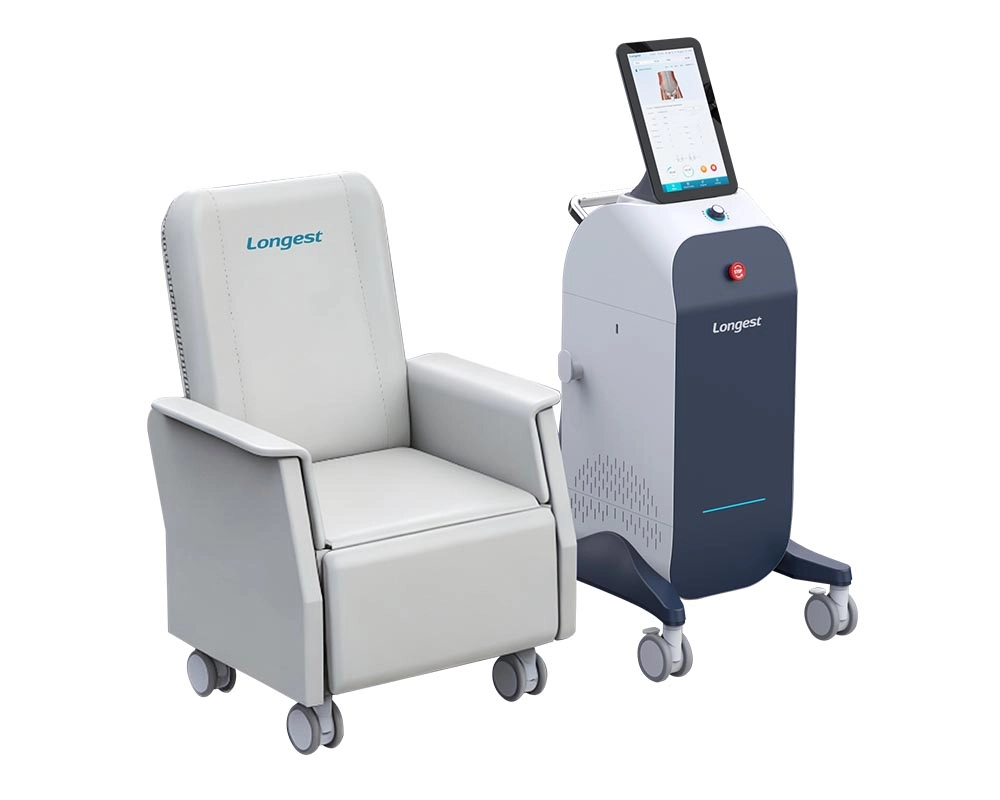
Electromagnetic Stimulator for Pelvic floor rehabilitation LGT-2640AP
The LGT-2640AP Pelvic Floor Magnetic Stimulator is a precision rehabilitation device designed for targeted pelvic floor therapy. Featuring 24 visualized preset protocols (paired with anatomical diagrams), customizable treatment plans, and a pre-adaptation function, it delivers non-invasive, painless stimulation to support postpartum recovery, male pelvic floor rehabilitation, and geriatric pelvic health.
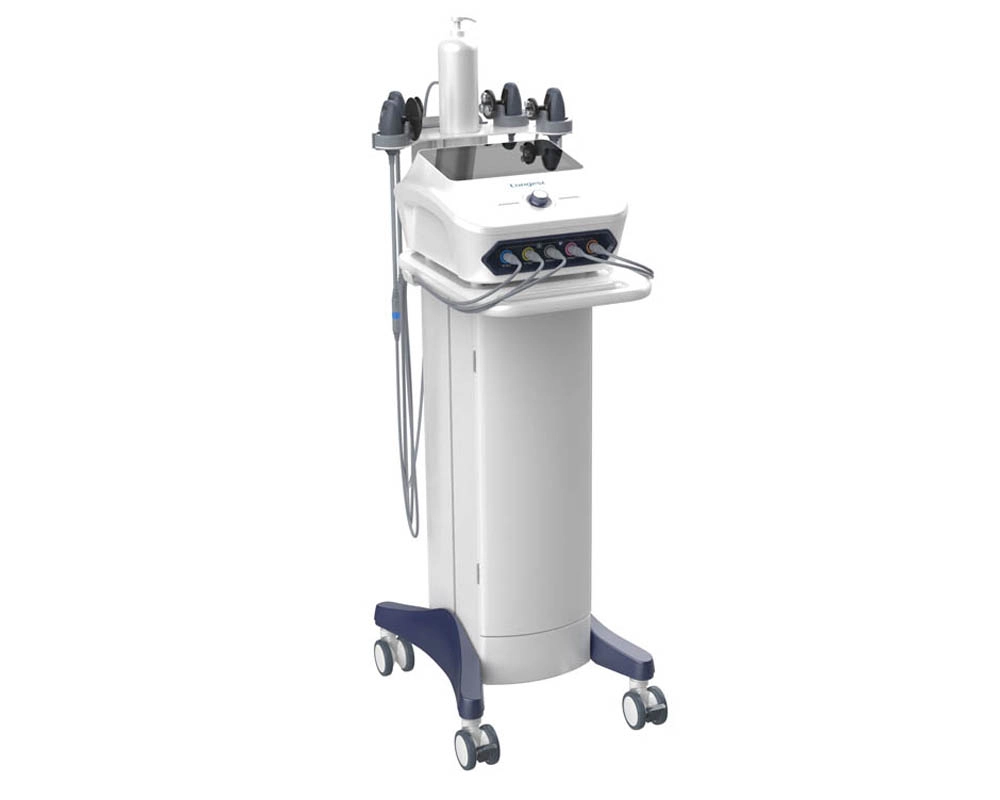
High-Frequency Therapy Device LGT-3500GP(Desktop Design)
LGT-3500GP fits tight spaces without sacrificing performance. Equipped with full TECAR tech, dual tissue-targeting modes, and core safety features, it handles post-op rehab, shallow tissue care, and more—lightweight, durable, and perfect for space-conscious facilities.
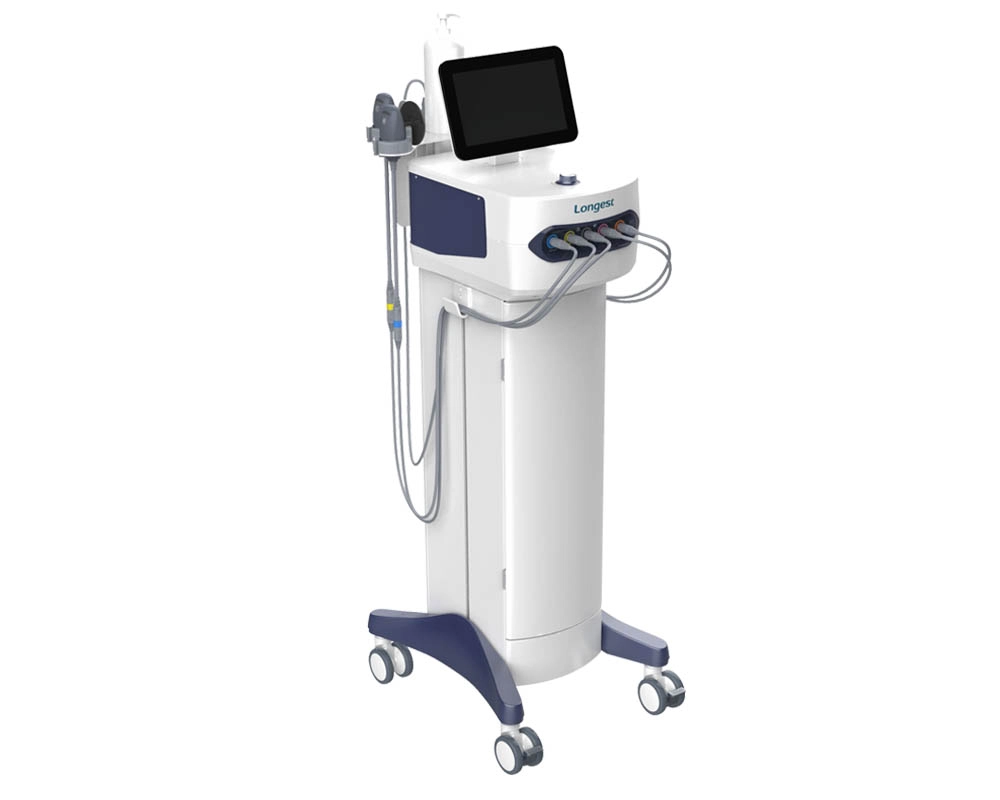
High Frequency Therapy Device LGT-3500LP(Upright Design)
The LGT-3500LP has an upright design with plenty of storage and rolling casters for easy mobility. It uses TECAR Therapy, and it has dual CET/RET modes, 300 KHz~1 MHz frequencies, and safety features like real-time temperature monitoring. This gives you precise, efficient treatments for deep tissue repair and pain relief.
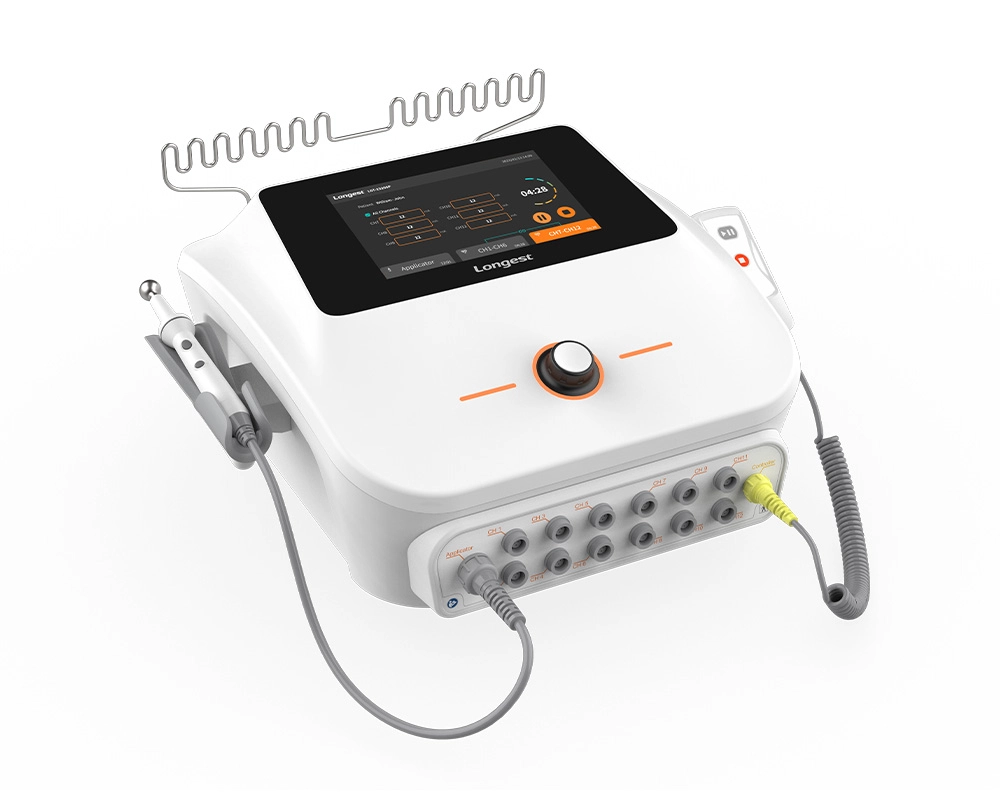
Professional 12-Channel Low-Frequency Electrical Stimulation Machine LGT-2320SP
LGT-2320SP is an advanced electrical stimulation sports training station. It leads to multisite high-efficiency strength gain and realizes bilateral balanced development with motor point detection.
Specifically designed for sports medicine professionals, this device is ideal for the treatment and rehabilitation of sports-related injuries. It delivers precise electrical impulses to targeted areas of the body, promoting pain relief, muscle strengthening, and accelerated recovery.

Call us:
+86 020 – 66353999

export@longest.cn

Address:
301 & 401 of Building 2 & Building 3, No. 96, Chuangqiang Road, Ningxi Street, Zengcheng District, Guangzhou, Guangdong Province, 511399, P.R. China.
Tips: The content on this website is a general description of the product.
The final configuration, parameters, and functions of the product may vary in accordance with the regulatory requirements of different countries and regions.
© 2025 Longest Medical. All Rights Reserved. Powered by gooeyun.
LongestMedical
LongestGloba
longest
guangzhou_longest
GzLongest