


How to Use Electromagnetic Focused Shockwave Device Safely
- How to Use Electromagnetic Focused Shockwave Device Safely
- What is an electromagnetic focused shockwave therapy device and how does it work?
- Clinical indications and contraindications for shockwave therapy device use
- Pre-treatment assessment and informed consent when using a shockwave therapy device
- Device setup, calibration, and environment requirements for safe operation
- Selecting treatment parameters: energy, frequency, and focal depth
- Practical targeting and coupling technique for focused electromagnetic devices
- Pain control and anesthesia considerations during shockwave therapy device use
- Infection control and device hygiene
- Monitoring during treatment, expected immediate responses, and managing adverse events
- Post-treatment care and follow-up protocol for lasting outcomes
- Training, credentialing, and legal responsibilities when operating a shockwave therapy device
- Comparing focused electromagnetic devices to other shockwave therapy device types
- Brand advantages: Why choose the Electromagnetic Focused Shockwave Therapy Machine LGT-2520GP
- Practical checklist: Safe operation of the LGT-2520GP before, during, and after each session
- FAQ
- Is shockwave therapy device treatment painful?
- How many sessions are usually needed with the LGT-2520GP?
- Can shockwave therapy device be used with imaging guidance?
- What side effects should patients expect?
- Is shockwave therapy device a replacement for surgery?
- Contact us / Learn more
- References and evidence sources

How to Use Electromagnetic Focused Shockwave Device Safely
What is an electromagnetic focused shockwave therapy device and how does it work?
Electromagnetic focused shockwave devices generate short, high-intensity acoustic pulses that converge at a controllable focal point beneath the skin. The Electromagnetic Focused Shockwave Therapy Machine LGT-2520GP incorporates the state-of-the-art Electromagnetic Shockwave technology. This technology gives rise to a pressure field that converges within the adjustable focus at precise depths within particular tissues, attaining the maximum pressure. It is capable of precisely pinpointing the origin of musculoskeletal disorders, efficiently alleviating pain, facilitating tissue repair, and diminishing inflammation. The adjustable focus feature allows medical professionals to customize the treatment according to the specific requirements of each patient and the nature of their condition.
In practice, focused shockwaves reach deeper structures with high spatial precision compared with radial systems; they mechanically stimulate cells, increase local blood flow, and trigger biological repair pathways. Because of those properties, focused electromagnetic devices like the LGT-2520GP are widely used for tendinopathies, myofascial pain, chronic plantar fasciitis, and some bone-healing applications.
Clinical indications and contraindications for shockwave therapy device use
Knowing when to use a shockwave therapy device is essential for patient safety and efficacy. Typical indications include chronic tendinopathies (e.g., Achilles, patellar), chronic plantar fasciitis, lateral epicondylopathy, certain myofascial trigger points, and delayed bone union when conservative care has failed. The LGT-2520GP is designed for these musculoskeletal indications due to its adjustable focal depth and energy settings.
Absolute and relative contraindications should be screened before every session. Common contraindications include pregnancy (over the abdomen/pelvis), active infection at the treatment site, malignant lesions, untreated coagulation disorders or ongoing anticoagulation without clearance, and the presence of electronic implants (e.g., pacemakers) in or adjacent to the focal zone unless cleared by cardiology. Relative contraindications include acute inflammation, corticosteroid injection within the last 6 weeks at the treatment site, and severe peripheral vascular disease. Always consult local regulations and institutional policies when in doubt.
Pre-treatment assessment and informed consent when using a shockwave therapy device
A structured assessment reduces risk. Key steps: review medical history and medications, perform focused physical and neurological exam, confirm imaging if indicated (ultrasound or MRI for complex cases), and document baseline pain and function (e.g., visual analog scale, validated functional score). Explain expected benefits, realistic timelines (improvement often occurs over weeks), common side effects (transient pain, bruising), and rare risks (nerve irritation). Obtain written informed consent that specifically mentions the use of a shockwave therapy device and the LGT-2520GP if the device identity is relevant to institutional records.
Device setup, calibration, and environment requirements for safe operation
Before each treatment, perform a device checklist: visual inspection of the handpiece and applicators, confirm appropriate coupling gel, verify energy output calibration per manufacturer guidance, and test emergency stop function. Position the patient for comfort and access. Use imaging guidance (ultrasound) when available for precise focusing, especially for deep targets. The LGT-2520GP's adjustable focal depth is optimized when the handpiece is perpendicular to the target tissue and coupling is continuous to avoid energy loss.
Selecting treatment parameters: energy, frequency, and focal depth
Parameter selection is the clinical core of safe and effective use. Key variables are energy flux density (EFD), number of impulses, frequency (pulses per second), and focal depth. Start conservatively for first sessions: low-to-moderate EFD with progressive titration based on pain tolerance and tissue response. Typical protocols in literature range from 0.08 to 0.35 mJ/mm2 for tendinopathies, 1,500 to 3,000 impulses per session, and frequencies between 4 and 15 Hz. Focused electromagnetic devices permit deeper targeting—set focal depth according to tissue depth measured on ultrasound or anatomical estimate. Always follow the manufacturer's recommended parameter ranges; for the LGT-2520GP, consult the device manual for model-specific limits and recommended protocols for various indications.
Practical targeting and coupling technique for focused electromagnetic devices
Accurate targeting improves outcomes and reduces adverse events. Steps: identify the most symptomatic area by palpation, correlate with imaging if available, mark skin if needed, and apply a liberal amount of medical-grade coupling gel to eliminate air gaps. Maintain steady contact and perpendicular orientation to focus to avoid off-axis energy delivery. Move the handpiece only if the treatment plan calls for multiple focal zones; otherwise, maintain focal contact to deliver planned impulses. The LGT-2520GP's adjustable focus can be fine-tuned during treatment to treat layers of tissue without increasing superficial dose.
Pain control and anesthesia considerations during shockwave therapy device use
Most patients tolerate focused electromagnetic shockwave treatment with only topical or local analgesia; overt local anesthesia can blunt the neuromodulatory effects of shockwave therapy and is generally discouraged unless necessary. Studies suggest that strong local anesthetic infiltration may reduce efficacy for some indications. For anxious or highly sensitive patients, consider short-acting oral analgesics or regional blocks after weighing potential impact on therapeutic mechanisms. Communicate with the patient throughout; graded exposure and slow ramping of energy can improve tolerance. Document any analgesia used.
Infection control and device hygiene
Follow standard infection-control practices. Clean and disinfect handpieces and applicators between patients using manufacturer-approved disinfectants. Use single-use covers when recommended. Ensure coupling gel containers are single-patient use or disinfected between uses. Maintain device service logs and replace consumable parts per schedule. These steps protect patients and preserve device performance.
Monitoring during treatment, expected immediate responses, and managing adverse events
Monitor patient comfort continuously. Common immediate responses include transient pain at the focal site, local erythema, hematoma, or swelling that typically resolves within days. Advise patients that soreness similar to post-exercise discomfort is common. Rare adverse events include nerve irritation, tendon rupture (extremely rare and usually associated with pre-existing severe degeneration), or prolonged pain. If severe or persistent adverse events occur, stop treatment and evaluate with imaging and specialist consultation. Keep an emergency plan and contact numbers available.
Post-treatment care and follow-up protocol for lasting outcomes
After each session, recommend rest for 24-48 hours from strenuous activity and avoid anti-inflammatory medications for several days if possible, as early inflammatory signaling contributes to healing. Provide clear home-exercise programs to complement shockwave therapy, as combined approaches often yield superior results. Schedule follow-up visits to document progress (pain scores, functional indices) and to adjust parameters. Typical treatment courses are 1 to 6 sessions spaced weekly to monthly depending on indication and response.
Training, credentialing, and legal responsibilities when operating a shockwave therapy device
Operators should complete manufacturer training for the LGT-2520GP and relevant institutional credentialing. Training should include device mechanics, parameter selection, safety checks, hands-on targeting practice, and adverse event management. Maintain continuing education and document competency. Check local regulatory requirements for use of extracorporeal shockwave therapy and retain informed consent and treatment records to meet medico-legal standards.
Comparing focused electromagnetic devices to other shockwave therapy device types
Understanding differences helps choose the right device and protocol. The table below summarizes the commonly cited differences between radial, focused electrohydraulic/EM, and electromagnetic focused systems like the LGT-2520GP.
| Characteristic | Radial ESWT | Focused ESWT (Electromagnetic) |
|---|---|---|
| Energy delivery | Pressure wave disperses superficially | Convergent pressure wave with defined focal point, deeper penetration |
| Tissue depth | Superficial (0-2 cm) | Superficial to deep (up to several cm depending on device and settings) |
| Best for | Superficial tendinopathies, soft tissue | Deep tendons, bone interface, focal lesions |
| Clinical evidence | Good for plantar fasciitis and lateral epicondylitis | Strong evidence for several chronic tendinopathies and bone healing contexts |
Source for general comparisons: peer-reviewed reviews and device-specific clinical data (see references below).
Brand advantages: Why choose the Electromagnetic Focused Shockwave Therapy Machine LGT-2520GP
The LGT-2520GP offers several advantages when safety and precision are priorities. Its electromagnetic generator produces a consistent, reproducible energy output that allows for precise focal adjustment at various tissue depths, which is especially useful for deep-seated lesions. The adjustable focus reduces unnecessary superficial exposure while maximizing energy at the pathological site. Practical advantages include intuitive controls for quick parameter changes, compatibility with ultrasound guidance for image-targeted therapy, and manufacturer-supported training and maintenance programs—features that support both safety and clinical effectiveness.
Practical checklist: Safe operation of the LGT-2520GP before, during, and after each session
Use this quick checklist to standardize practice and reduce errors:
- Confirm indication and obtain informed consent specific to shockwave therapy device use.
- Screen for contraindications and document medical history.
- Inspect device, applicators, and coupling gel; check calibration and emergency stop.
- Mark and image-target treatment zone; apply gel liberally.
- Start with conservative parameters and titrate based on tolerance and response.
- Monitor patient continuously; manage pain and stop if severe adverse events occur.
- Document parameters used, patient response, and follow-up plan.
FAQ
Is shockwave therapy device treatment painful?
Mild to moderate discomfort during a session is common and typically transient. Many patients describe it as intense pressure or brief stinging. Pain tolerance varies; adjusting energy levels and using graded exposure helps. Analgesics can be used as appropriate, but avoid deep local anesthetic infiltration unless clinically necessary because it may reduce therapeutic effect.
How many sessions are usually needed with the LGT-2520GP?
Treatment courses commonly range from 1 to 6 sessions depending on diagnosis, chronicity, and response. Protocols vary by indication; clinicians should assess outcomes at each visit and individualize treatment frequency.
Can shockwave therapy device be used with imaging guidance?
Yes. Ultrasound guidance enhances targeting accuracy for deep or anatomically complex lesions and is recommended when available. The LGT-2520GP is compatible with image-guided workflows.
What side effects should patients expect?
Expected side effects include transient soreness, local redness, bruising, or swelling. These typically resolve within days to a week. Serious complications are rare when protocols and contraindications are respected.
Is shockwave therapy device a replacement for surgery?
Not necessarily. Shockwave therapy can be an effective conservative option that in many cases reduces the need for surgery. For certain conditions or failed conservative care, surgical referral may still be needed. Collaborative decision-making with the patient and care team is recommended.
Contact us / Learn more
If you want to evaluate the Electromagnetic Focused Shockwave Therapy Machine LGT-2520GP for your clinic, request a demo, or discuss training and clinical protocols, contact our sales and clinical support team. Email: sales@example.com | Phone: +1-800-XXX-XXXX. Our clinical specialists can provide product datasheets, safety manuals, and training schedules tailored to your team.
References and evidence sources
- Wang CJ. Extracorporeal shockwave therapy in musculoskeletal disorders. Journal of Orthopaedic Surgery and Research. 2012; (Review of mechanisms and clinical indications).
- Rompe JD, Maffulli N. Repetitive shock wave therapy for chronic tendinopathy: A review. Sports Medicine. (Review articles on protocols and outcomes).
- Cochrane Reviews and meta-analyses on extracorporeal shock wave therapy for plantar fasciitis and tendinopathies (see Cochrane Library for specific updates).
- Device-specific clinical data and user manual provided by LGT (product literature for the LGT-2520GP) for calibration, parameter ranges, and safety recommendations.
- Professional society guidance on ESWT indications and safety (e.g., International Society for Medical Shockwave Treatment publications and consensus statements).
Note: The references above point to peer-reviewed reviews, meta-analyses, device literature, and society guidance. For specific clinical decisions consult the s and your institution's clinical governance.
Best Type of Bike for Rehabilitation: A Comprehensive Guide by Longest Medical
The B2B Buyer’s Guide to shockwave therapy machine | Longest Ultimate Insights
How Electrotherapy Devices Work: A Simple Guide
Wholesale dvt medical device manufacturer and supplier
LGT-2900EUV
What is the main role of Vacuum Therapy?
Vacuum therapy secures electrodes via suction cups, addressing the common issue of electrode displacement in traditional electrotherapy, especially on irregular body parts like the shoulders and knees. It also offers the following benefits:
1.Enhances current conduction efficiency, reducing treatment time by over 30%.
2.Promotes lymphatic drainage, relaxes muscles, and improves cellulite and local blood circulation.
LGT-2510B Copywriting - Physical Therapy Edition
Why is the investment in this devices worthwhile?
It has a favorable price, long lifespan, and low maintenance cost. There is also comprehensive after - sales service and technical support.
2500s plus beauty version
Does the software/application have multiple language interface options?
Yes, the software/application supports more than 10 kinds of languages.
LGT-231
What is low - frequency electrical stimulation?
Low - frequency electrical stimulation uses electrical currents with frequencies typically below 1000 Hz to stimulate nerves and muscles. This stimulation can help with muscle contraction, pain relief, and nerve function improvement.
LGT-233
What kind of foot drop can be applied with MStim Drop LGT-233?
The MStim Drop LGT-233 is applicable for foot drop caused by MS, incomplete spinal cord injury, lumbar disc herniation, peripheral neuropathy, and other neurological disease. It can help to improve gait, reduce the risk of falling, improve walking balance, walk faster and further, and reduce spasticity.
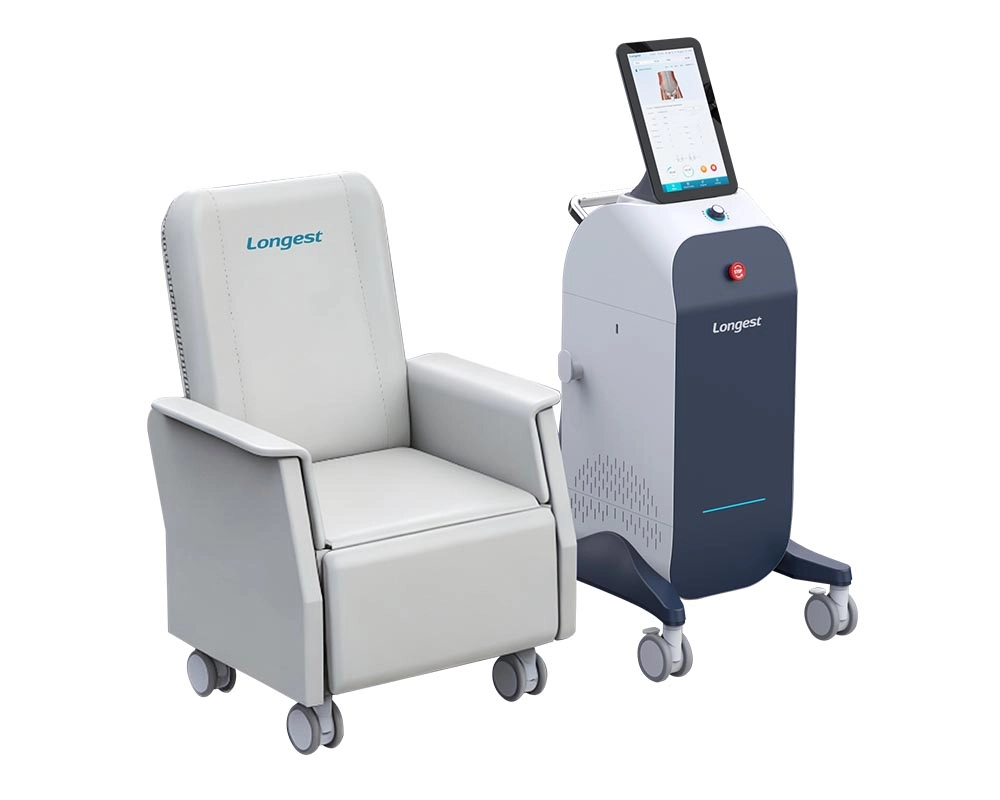
Electromagnetic Stimulator for Pelvic floor rehabilitation LGT-2640AP
The LGT-2640AP Pelvic Floor Magnetic Stimulator is a precision rehabilitation device designed for targeted pelvic floor therapy. Featuring 24 visualized preset protocols (paired with anatomical diagrams), customizable treatment plans, and a pre-adaptation function, it delivers non-invasive, painless stimulation to support postpartum recovery, male pelvic floor rehabilitation, and geriatric pelvic health.
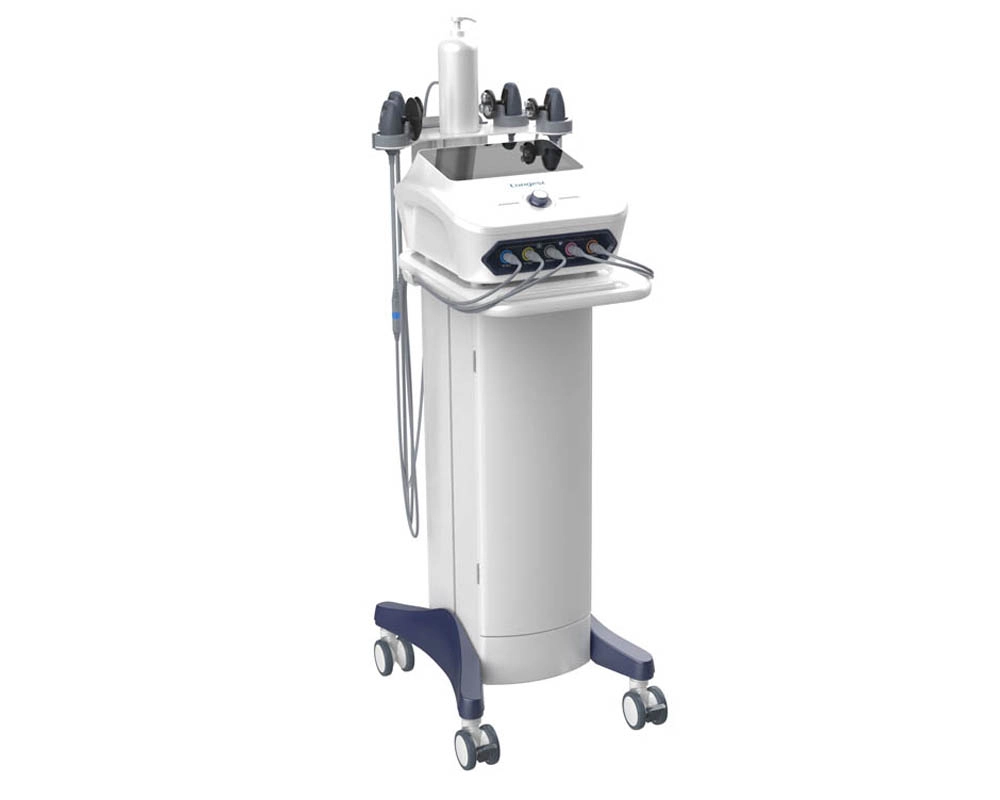
High-Frequency Therapy Device LGT-3500GP(Desktop Design)
LGT-3500GP fits tight spaces without sacrificing performance. Equipped with full TECAR tech, dual tissue-targeting modes, and core safety features, it handles post-op rehab, shallow tissue care, and more—lightweight, durable, and perfect for space-conscious facilities.
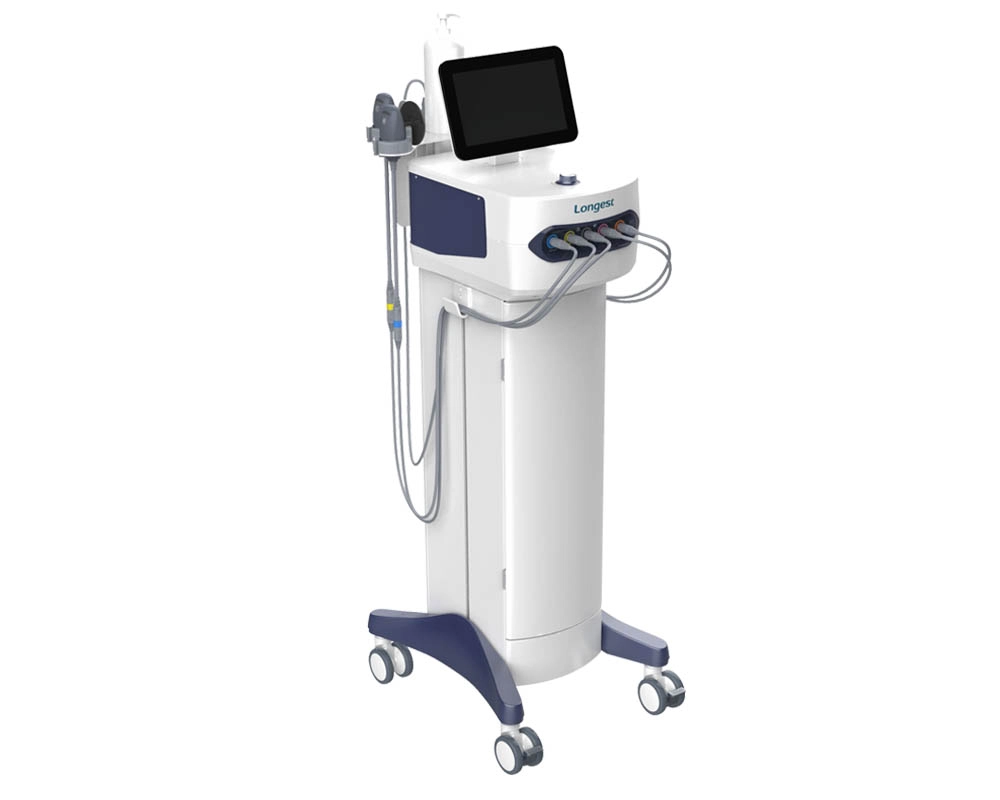
High Frequency Therapy Device LGT-3500LP(Upright Design)
The LGT-3500LP has an upright design with plenty of storage and rolling casters for easy mobility. It uses TECAR Therapy, and it has dual CET/RET modes, 300 KHz~1 MHz frequencies, and safety features like real-time temperature monitoring. This gives you precise, efficient treatments for deep tissue repair and pain relief.
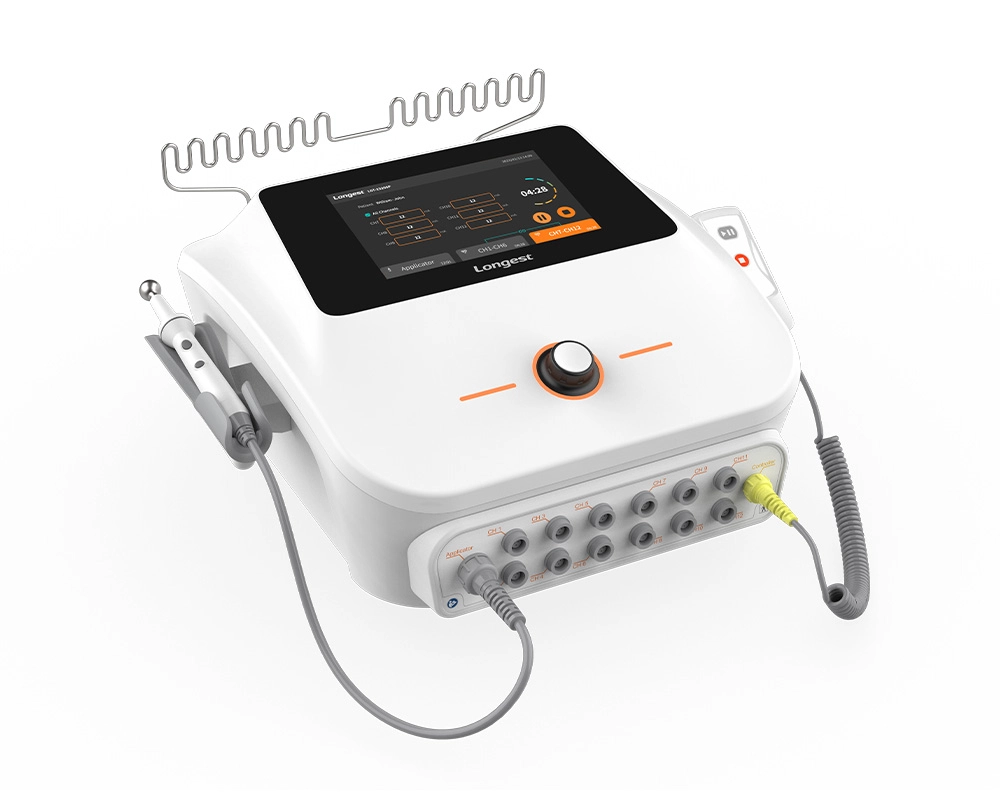
Professional 12-Channel Low-Frequency Electrical Stimulation Machine LGT-2320SP
LGT-2320SP is an advanced electrical stimulation sports training station. It leads to multisite high-efficiency strength gain and realizes bilateral balanced development with motor point detection.
Specifically designed for sports medicine professionals, this device is ideal for the treatment and rehabilitation of sports-related injuries. It delivers precise electrical impulses to targeted areas of the body, promoting pain relief, muscle strengthening, and accelerated recovery.

Call us:
+86 020 – 66353999

export@longest.cn

Address:
301 & 401 of Building 2 & Building 3, No. 96, Chuangqiang Road, Ningxi Street, Zengcheng District, Guangzhou, Guangdong Province, 511399, P.R. China.
Tips: The content on this website is a general description of the product.
The final configuration, parameters, and functions of the product may vary in accordance with the regulatory requirements of different countries and regions.
© 2025 Longest Medical. All Rights Reserved. Powered by gooeyun.
LongestMedical
LongestGloba
longest
guangzhou_longest
GzLongest