


Unlocking Deep Healing: The Definitive Guide to Focused Shockwave Therapy Machines
Focused shockwave therapy represents a breakthrough in noninvasive pain management. Unlike radial options, focused shockwave therapy machines target deep-seated musculoskeletal conditions with high-energy precision. This guide explores the science behind the technology, compares it to radial methods, and highlights its clinical benefits for conditions like calcifications and tendinopathies. Discover how this advanced medical solution offers patients a drug-free alternative to surgery, promoting tissue regeneration and long-term recovery with minimal downtime.
- How Focused Shockwave Therapy Works: The Science of Precision Healing
- The Mechanism of Convergence
- Generation Techniques
- Focused vs. Radial Shockwave Therapy: Understanding the Key Differences
- The Physics of Propagation
- Depth and Precision
- Clinical Guidance
- Clinical Applications and Therapeutic Benefits
- Common Conditions Treated
- The Alternative to Surgery
- What to Look for in a High-Quality Focused Shockwave Therapy Machine
- Critical Specifications
- User Experience and Interface
- Safety Profile and Patient Experience
- The Patient Sensation
- Recovery and Downtime
- Precautions
- Conclusion
- FAQ
- References

Chronic pain, particularly when located deep within the musculoskeletal system, has traditionally posed a significant challenge for medical professionals. For years, the treatment gap between conservative management (medication, physical therapy) and invasive surgery was vast. Enter the focused shockwave therapy machine—a revolutionary advancement in Extracorporeal Shockwave Therapy (ESWT) designed to bridge this gap.
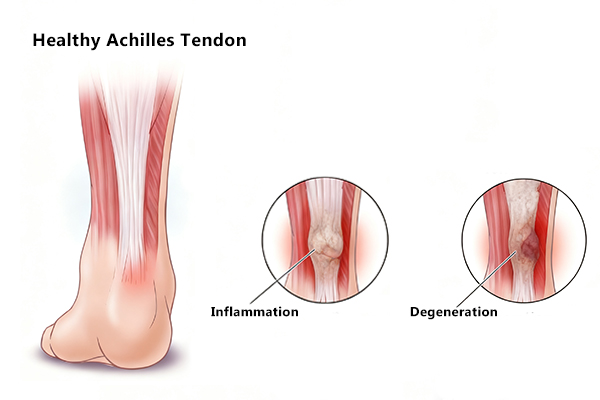
Focused shockwave therapy is a modern, non-invasive, and drug-free solution specifically engineered to treat deep-seated chronic pain and injuries. Unlike traditional therapies that treat the surface, this technology allows clinicians to deliver high-energy acoustic waves with pinpoint accuracy to damaged tissues lying deep beneath the skin. As a result, it has become a primary intervention for conditions such as calcific tendonitis, bone nonunions, and chronic deep-tissue inflammation.
By leveraging the power of precision medicine, these devices offer patients a pathway to recovery that minimizes downtime and eliminates the risks associated with surgical procedures. In this guide, we will explore the mechanics, benefits, and critical considerations of focused shockwave therapy machines, positioning them as an essential tool in modern rehabilitation.
How Focused Shockwave Therapy Works: The Science of Precision Healing
At the heart of every focused shockwave therapy machine is the sophisticated generation of high-energy acoustic waves. Understanding the mechanism of action is crucial for appreciating why this therapy is so effective for deep tissue repair.
The Mechanism of Convergence
Unlike other forms of wave therapy that disperse energy as they travel, focused shockwaves are generated to converge at a specific, adjustable focal point within the body. The machine emits waves that travel through the skin and soft tissue without losing significant energy. The energy density reaches its peak only at the defined target zone (the focal point).
When these waves hit the targeted damaged tissue, they create a physical phenomenon known as mechanotransduction. This process converts the mechanical stimulus of the shockwave into biochemical signals within the cells. This stimulation triggers a cascade of biological responses, including:
· Neovascularization: The formation of new blood vessels, improving blood supply and oxygenation to the injured area.
· Reduction of Inflammation: Down-regulation of inflammatory markers to alleviate chronic pain.
· Collagen Stimulation: Promoting the synthesis of collagen, which is vital for the repair of tendon and ligament structures.
· Dissolution of Calcifications: Breaking down calcium deposits in tendons, which are then reabsorbed by the lymphatic system.
Generation Techniques
To achieve this precision, focused shockwave therapy machines utilize advanced generation technologies. The three primary methods are:
1. Electrohydraulic: Uses a spark plug in water to create a shockwave. This is the original method, known for high energy but often louder operation.
2. Electromagnetic: Uses a coil and membrane to generate waves. This is currently the most common method in modern high-end devices due to its durability, consistent energy output, and finer focal zones.
3. Piezoelectric: Utilizes piezoceramic crystals that expand and contract rapidly. This method creates extremely precise, small focal points, ideal for pinpointing very specific small structures.
Focused vs. Radial Shockwave Therapy: Understanding the Key Differences
One of the most common sources of confusion in the field of ESWT is the difference between focused shockwave therapy and radial shockwave therapy. While both are valuable, they are fundamentally different technologies suited for different purposes.
The Physics of Propagation
· Radial Shockwaves (Pressure Waves): These are generated pneumatically (using compressed air) to fire a projectile against a transmitter. The energy disperses (spreads out) from the tip of the applicator. The highest energy is at the skin's surface, and it diminishes rapidly as it penetrates. It is like a shotgun approach—covering a broad area but lacking depth.
· Focused Shockwaves: These are true acoustic pulses. The energy is gathered and directed to a specific depth. The maximum energy is not at the skin, but at the focal point inside the body. It is comparable to a sniper's approach—delivering maximum impact exactly where it is needed.
Depth and Precision
The most critical differentiator is the penetration depth.
· Radial devices typically treat superficial indications (up to 3-4 cm deep), such as Achilles tendinopathy or myofascial trigger points.
· Focused shockwave therapy machines offer significantly deeper penetration. High-quality devices can target tissues up to 7-12cm deep. This makes them indispensable for treating deep hip pain, proximal hamstring tendinopathy, and issues near the bone.
Clinical Guidance
Selecting the appropriate therapy depends on the condition. Radial is excellent for smoothing out large muscle chains and treating superficial tendons. Focused is the gold standard for specific, deep, or stubborn injuries that require high energy density to stimulate healing. Many comprehensive clinics utilize both technologies to cover the full spectrum of musculoskeletal injuries.
Clinical Applications and Therapeutic Benefits
The versatility of an ESWT device for deep tissue treatment allows it to address a wide array of pathologies that are often resistant to standard conservative care.
Common Conditions Treated
Focused shockwave therapy is particularly renowned for its efficacy in treating:
· Tendinopathies: Including chronic tennis elbow, golfer's elbow, patellar tendonitis, and Achilles tendonitis.
· Calcifications: It is highly effective at breaking up calcific deposits in the shoulder (calcific tendonitis), restoring range of motion and reducing pain.
· Bone Pathologies: Uniquely, focused shockwaves can treat bone nonunions (fractures that fail to heal) and stress fractures by stimulating osteoblasts (bone-forming cells).
· Plantar Fasciitis: Specifically, chronic proximal plantar fasciitis which lies deep within the foot structure.
· Deep Joint Pain: Treating conditions in the hip, shoulder, and knee where the pathology lies well below the surface muscles.
The Alternative to Surgery
Perhaps the most compelling benefit is its role as a non-invasive alternative to surgery. For patients facing the prospect of surgical debridement for chronic tendonitis or internal fixation for nonunions, focused shockwave therapy offers a viable "middle ground." It provides significant pain reduction and functional improvement without the risks of anesthesia, infection, or lengthy post-operative rehabilitation. Studies have shown high patient satisfaction rates, with many reporting long-term relief after just a few sessions.
What to Look for in a High-Quality Focused Shockwave Therapy Machine
For clinics and practitioners looking to invest in a chronic pain relief machine, understanding the technical specifications is vital to ensuring clinical success and return on investment.
Critical Specifications
1. Adjustable Treatment Depth: A top-tier machine must offer variable depth control. Look for devices that can range from superficial treatment (0.5 cm) up to deep tissue penetration of 7cm to 12 cm. This versatility allows the practitioner to treat a finger joint and a deep hip issue with the same device.
2. Energy and Pressure: The device should offer robust energy output, typically measured in energy flux density ($mJ/mm^2$). Additionally, look for frequency capabilities up to 10Hz or 12Hz and pressure settings up to 8Bar (if applicable to the interface), allowing for customization based on patient tolerance.
3. Generator Durability: The lifespan of the shockwave generator (the handpiece or coil) is a major cost factor. High-quality electromagnetic coils should guarantee millions of shocks at constant intensity before requiring replacement or refurbishment.
User Experience and Interface
Modern machines are designed with workflow in mind. A large, intuitive interface—such as a 15-inch touch screen—allows practitioners to quickly select protocols, adjust parameters, and view anatomical guides. Some advanced systems come with pre-loaded clinical protocols and a comprehensive set of ESWT tips (standoffs) to adjust the focal depth physically.
Safety Profile and Patient Experience
Despite the high energy levels involved, focused shockwave therapy maintains an excellent safety profile. It is a non-invasive procedure, preserving the integrity of the skin and surrounding healthy tissues.
The Patient Sensation
Patients often ask, "Is it painful?" The experience is generally described as a sensation of pressure or mild pulsing. Because focused shockwaves have a very short pulse duration, they do not stimulate the sensory nerves as aggressively as one might expect. While some discomfort may be felt at the focal point (often described as "finding the pain"), it is usually well-tolerated. Most modern machines allow for intensity ramping to help the patient acclimate.
Recovery and Downtime
One of the greatest advantages is the lack of downtime. Patients can typically return to their daily activities immediately after the session. While strenuous high-impact activity might be restricted for 24-48 hours to allow the tissue to rest, there is no need for crutches or immobilization. Side effects are rare and mild, usually limited to slight redness or minor bruising at the contact site.
Precautions
While safe, contraindications exist. Treatment should generally be avoided over air-filled tissue (lungs), major nerves and blood vessels, malignancies (tumors), and in patients with blood clotting disorders or those who are pregnant. A thorough patient history is essential before application.
Conclusion
Focused shockwave therapy machines represent a paradigm shift in the management of chronic musculoskeletal conditions. by combining the physics of acoustic convergence with the biology of tissue regeneration, these devices offer a potent, non-invasive tool for unlocking deep healing.
For patients suffering from debilitating pain who wish to avoid surgery, and for clinicians seeking to expand their therapeutic arsenal, focused ESWT provides a scientifically backed, precise, and effective solution. As technology advances, the role of these machines in modern medicine continues to grow, offering renewed hope for deep tissue recovery and pain-free living.
FAQ
1. What conditions can focused shockwave therapy machines treat?
They are ideal for deep chronic pain conditions like tendinopathies, calcifications, bone nonunion, and chronic plantar fasciitis, as well as various musculoskeletal conditions in the shoulder, hip, knee, and foot.
2. Is focused shockwave therapy painful?
The treatment is generally well-tolerated and often described as pain-free or involving only mild discomfort. It is a non-invasive procedure designed for effective pain relief, and intensity can be adjusted to patient tolerance.
3. How does focused shockwave therapy differ from radial shockwave therapy?
Focused shockwave therapy delivers high-energy waves that converge at a specific point for deep tissue penetration and precise targeting. Radial shockwave therapy provides lower energy, broad dispersion, and acts superficially. Focused is the "sniper," while radial is the "shotgun."
4. How deep can focused shockwaves penetrate into tissues?
Focused shockwave therapy machines are capable of deep tissue penetration, with high-quality devices reaching depths up to 7-12cm, allowing them to target deep-seated injuries in the hip or glutes effectively.
5. What technologies are used to generate focused shockwaves?
Focused shockwaves are typically generated using electrohydraulic, electromagnetic, or piezoelectric techniques. These methods produce strong sound waves that converge to deliver maximum energy density at the specific target area.
6. Is focused shockwave therapy a non-invasive treatment?
Yes, focused shockwave therapy is a completely non-invasive treatment. The shockwaves are delivered externally through the skin via a coupling gel, eliminating the need for incisions, injections, or anesthesia.
7. How many sessions are typically required for focused shockwave therapy?
The number of sessions varies based on the severity and chronicity of the condition. Typically, a course of 3 to 5 treatments, spaced one week apart, is the standard recommendation for optimal results.
8. Are there any side effects or contraindications for focused shockwave therapy?
Side effects are generally mild and temporary, such as slight redness, swelling, or localized soreness. Contraindications include pregnancy, blood clotting disorders, malignancies, or treatment over air-filled organs (lungs) or major nerve bundles.
References
1. Simplicio, C. L., et al. (2020). The efficacy of extracorporeal shock wave therapy in the treatment of plantar fasciitis. Journal of Foot and Ankle Research. (Discusses efficacy in chronic foot conditions).
2. Digiovanni, B. F., et al. (2003). Tissue-specific effects of acoustic wave technologies. The American Journal of Sports Medicine. (Comparison of radial and focused mechanisms).
3. Wang, C. J. (2012). Extracorporeal shockwave therapy in musculoskeletal disorders. Journal of Orthopaedic Surgery and Research. (Overview of biological mechanisms including neovascularization and tissue regeneration).
4. International Society for Medical Shockwave Treatment (ISMST). Consensus Statement on ESWT Indications and Contraindications. (Guidance on safety and depth of penetration standards).
The Definitive Guide to Shockwave Therapy Machines: Technology, Benefits, and Choosing the Best Device
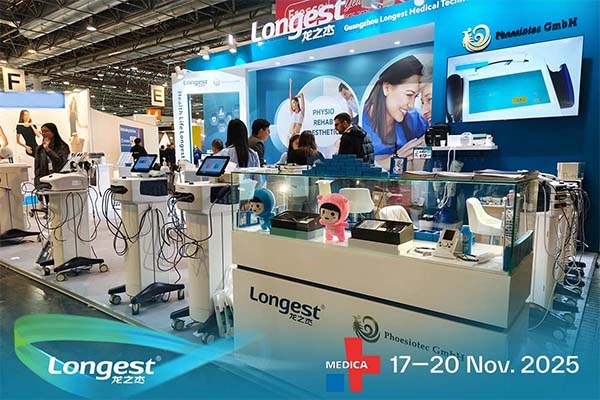
Longest Medical Concludes a Brilliant Journey at MEDICA 2025
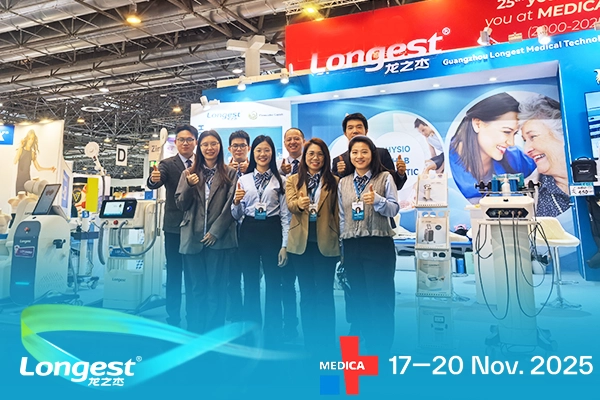
LONGEST MEDICAL Shines at MEDICA 2025 with Innovative Rehabilitation Releases
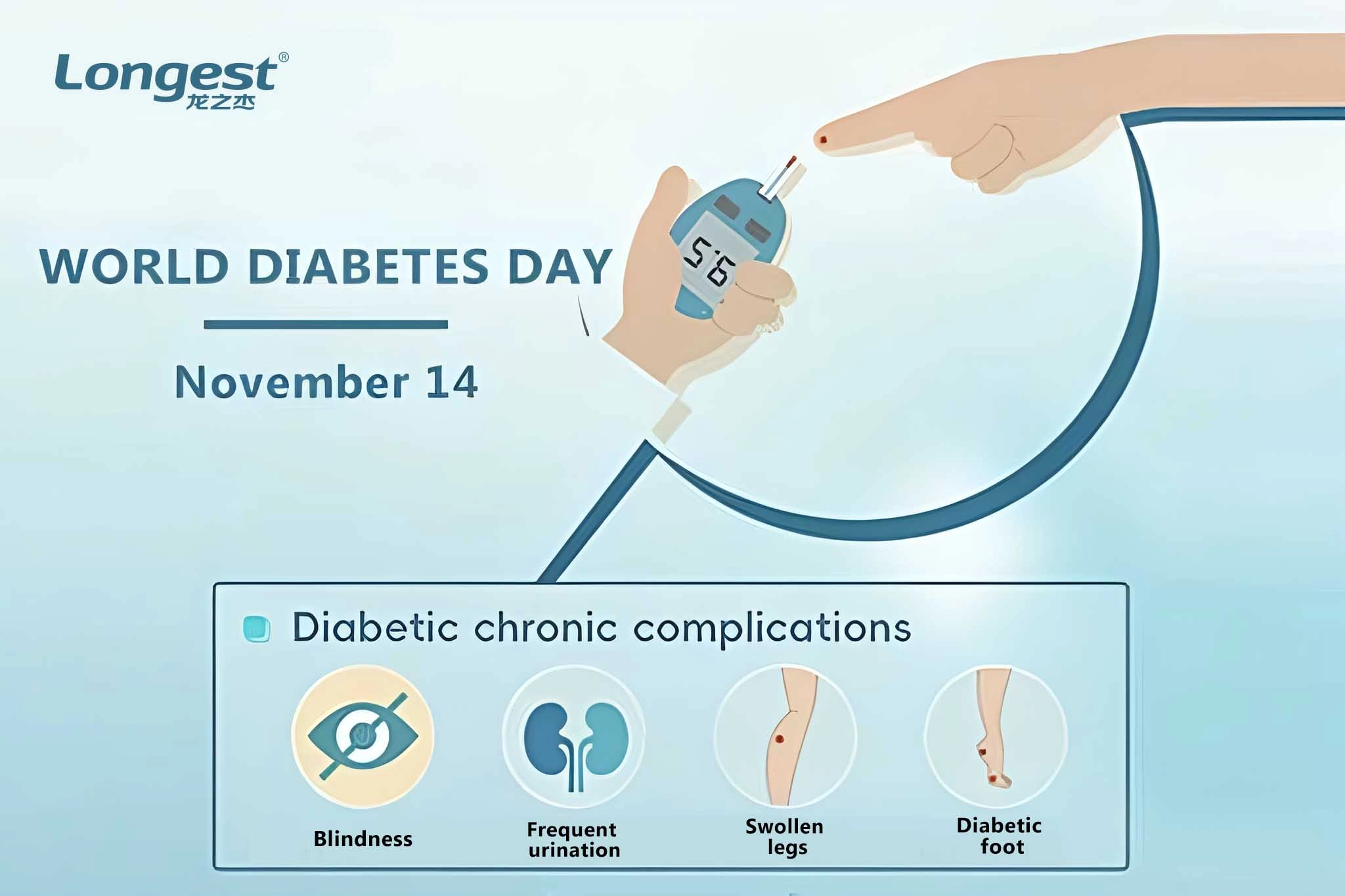
World Diabetes Day: Longest Shockwave Therapy—New Hope for Diabetic Foot
World Stroke Day 2025: A Complete Guide from Prevention to Recovery
LGT-2500F Copywriter - Medical Beauty Edition
Is OEM/ODM service available?
Yes. Contact us for more details. We offer professional OEM/ODM services.
Shockwave
What's the price of your shockwave therapy devices?
The price varies depending on the type, accessories, quantity, and other factors. Please contact us via export@longest.cn and tell us your specific requirements, so that we can give you an accurate quote. Longest Medical is a manufacturer of shockwave therapy devices, providing distributors and wholesalers with attractive factory prices.
Are there any warranties or guarantees for the device?
Yes. All of our products come with a warranty period. During the warranty period, if there are any quality - related issues not due to improper use, we will provide free repair or replacement services to ensure your smooth use of the device.
2500X
Does your product come with a warranty?
Yes, we're committed to delivering quality products and excellent after-sales service to enhance your overall experience.
2500s plus beauty version
What are the investment benefits of the PowerShocker LGT-2500S Plus?
Favorable price, long lifespan, low maintenance cost, and good after-sales service and technical support.

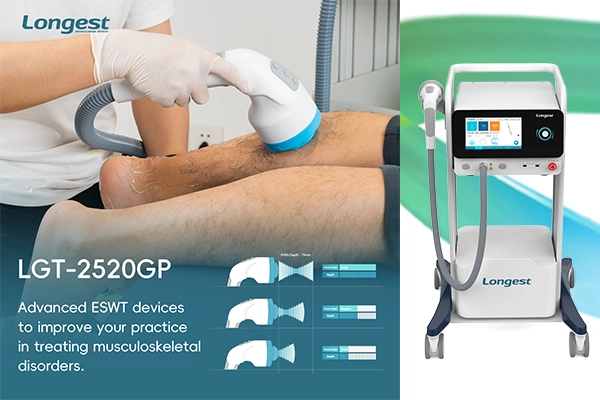
Electromagnetic Focused Shockwave Therapy Machine LGT-2520GP
The LGT-2520GP incorporates the state-of-the-art "Electromagnetic Shockwave" technology. This technology gives rise to a pressure field that converges within the adjustable focus at precise depths within particular tissues, attaining the maximum pressure. It is capable of precisely pinpointing the origin of musculoskeletal disorders, efficiently alleviating pain, facilitating tissue repair, and diminishing inflammation. The adjustable focus feature allows medical professionals to customize the treatment according to the specific requirements of each patient and the nature of their condition.
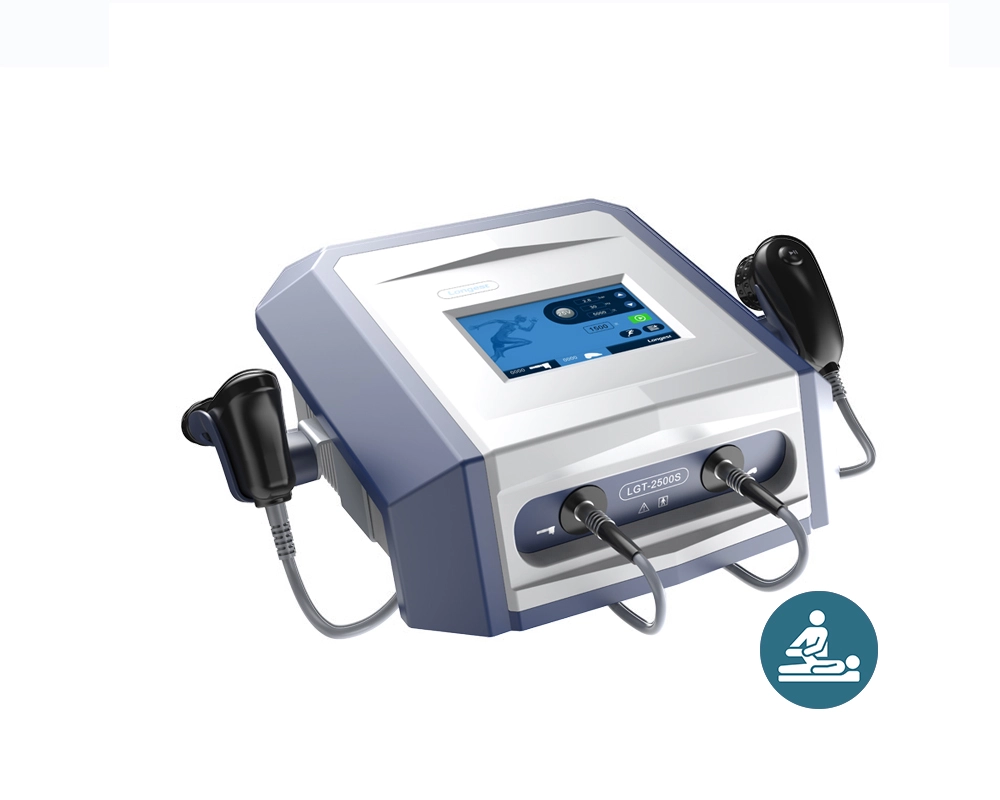
Electrical Extracorporeal Shock Wave Therapy Device PowerShocker LGT-2500S PLUS
PowerShocker LGT-2500S Plus is a professional dual-channel radial extracorporeal shock wave therapy machine for physiotherapy, orthopedics, and sports medicine. This ESWT machine allows clinicians, chiropractors, and physiotherapists to target deep tissue to help patients reduce musculoskeletal pain, improve microcirculation, and accelerate the healing of the injured areas. It is an easy-to-operate, high-performance, and quality-guaranteed shockwave therapy device. With the dual-channel design, the physical therapy machine allows therapists to improve treatment efficiency and capacity, delivering greater value to patients and clinics.
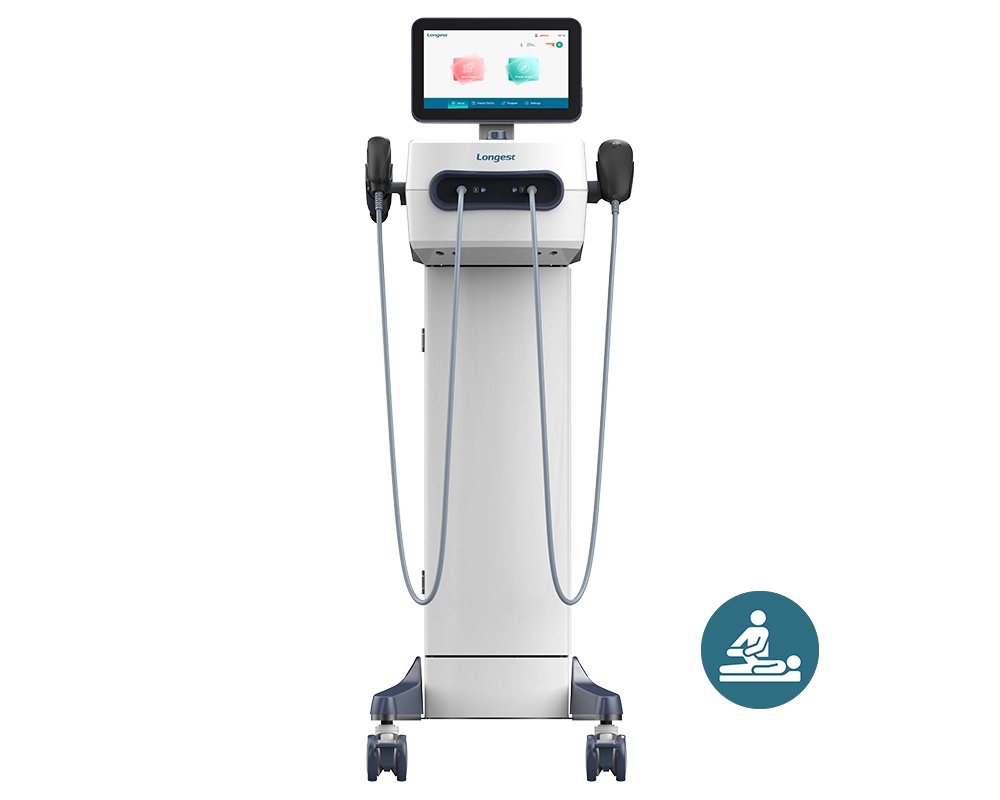
Newest Radial Shockwave Therapy Device PowerShocker LGT-2500X
PowerShocker LGT-2500X is a compressed pneumatic ballistic shockwave therapy device, bringing the most advanced way to treat musculoskeletal disorders with quality, speed, and ease. With premium features and a sleek design, it is a premier solution for clinics to streamline workflow, increase efficiency, and improve patient care.
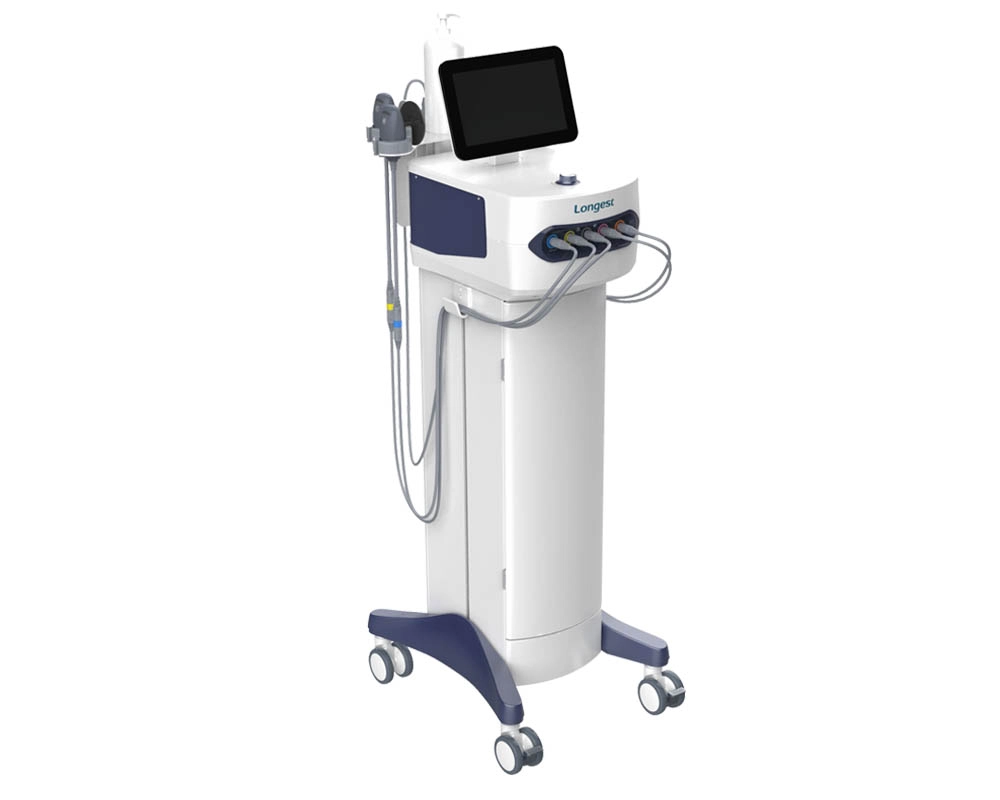
High Frequency Therapy Device LGT-3500LP(Upright Design)
The LGT-3500LP has an upright design with plenty of storage and rolling casters for easy mobility. It uses TECAR Therapy, and it has dual CET/RET modes, 300 KHz~1 MHz frequencies, and safety features like real-time temperature monitoring. This gives you precise, efficient treatments for deep tissue repair and pain relief.
Get in touch with us

Call us:
+86 020 – 66353999

export@longest.cn

Address:
301 & 401 of Building 2 & Building 3, No. 96, Chuangqiang Road, Ningxi Street, Zengcheng District, Guangzhou, Guangdong Province, 511399, P.R. China.
Tips: The content on this website is a general description of the product.
The final configuration, parameters, and functions of the product may vary in accordance with the regulatory requirements of different countries and regions.
© 2025 Longest Medical. All Rights Reserved. Powered by gooeyun.
LongestMedical
LongestGloba
longest
guangzhou_longest
GzLongest