


Active Passive Trainer Cost in Japan: Complete Price Guide & Buying Tips
- Active Passive Trainer Cost in Japan: What Clinics and Buyers Need to Know
- Overview of active passive trainer price landscape in Japan
- Why prices vary: features and commercial buying intent
- Device types and typical price bands for Japan purchasers
- Buy vs. lease vs. rent: commercial procurement strategies in Japan
- Import, regulation and certification costs affecting price
- Used equipment market and certified pre-owned trainers for cost savings
- Service contracts, spare parts and lifecycle costs buyers must plan for
- Reimbursement and ROI: will buying an active passive trainer pay off?
- How Longest Medical supports buyers of active passive trainers in Japan
- Checklist: questions to ask suppliers when evaluating price and value
- Tips to negotiate better pricing and terms in Japan
- Installation, staff training and patient onboarding best practices
- Case examples: realistic budget scenarios for Japanese clinics
- Where to buy: recommended channels for purchasing in Japan
- Conclusion: balancing price and clinical value when buying in Japan
- Frequently Asked Questions
Active Passive Trainer Cost in Japan: What Clinics and Buyers Need to Know
Overview of active passive trainer price landscape in Japan
If you are searching for active passive trainer cost in Japan with the intent to buy or lease rehabilitation equipment, you need realistic price ranges and procurement guidance. Active-passive trainers vary widely in capability and price. Entry-level home or light-clinic units typically cost roughly ¥100,000–¥500,000 (approx. $700–$3,500). Mid-range clinic-grade motorized trainers usually range from ¥500,000–¥3,000,000 (approx. $3,500–$21,000). High-end robotic gait and intensive neurorehabilitation systems can cost ¥5,000,000 and up (tens of thousands of dollars). These ranges reflect the market segments you will encounter when buying an active passive trainer in Japan.
Why prices vary: features and commercial buying intent
Understanding why the active passive trainer price Japan buyers see differs helps make a commercial decision. Key cost drivers include motor power, programmable therapy modes, digital interfaces and software, weight capacity, portability, and approved medical indications. Additional costs for clinics include installation, staff training, maintenance contracts, and optional accessories. If your aim is to buy an active passive trainer in Japan for revenue-generating rehabilitation services, prioritize clinic-grade features and robust after-sales service.
Device types and typical price bands for Japan purchasers
When comparing active passive trainer price Japan listings, group devices by type: simple passive/CPM-style machines (lowest cost), active-passive cycle trainers for upper or lower limbs (mid-range), and advanced robotic trainers with biofeedback and gait support (high-end). Simple devices are best for home use or basic ROM therapy; mid-range units serve outpatient clinics and small hospitals; high-end systems are aimed at major rehabilitation centers and hospitals that want intensive, repeatable therapy protocols and research capability.
Buy vs. lease vs. rent: commercial procurement strategies in Japan
Clinics searching for buy active passive trainer in Japan should also consider leasing or rental options to lower up-front capital. Leasing spreads costs and often includes service; rentals are appropriate for short-term needs or trials. Many Japanese clinics choose lease-to-own or operational lease contracts when active passive trainer price Japan quotes are high, since these improve cash flow and reduce procurement risk. Always compare total cost of ownership, not just sticker price.
Import, regulation and certification costs affecting price
Active passive trainer price in Japan can include import duties, compliance testing, and registration. Medical devices must meet Japan's regulatory expectations; suppliers commonly work with PMDA/MHLW pathways or sell via locally certified distributors. Buyers with commercial intent to import should budget for documentation translation, local technical service setup, and potential certification steps that add to initial cost and lead time.
Used equipment market and certified pre-owned trainers for cost savings
If your priority is to minimize active passive trainer cost in Japan, certified pre-owned devices are a practical option. Used trainers can reduce purchase cost substantially, but verify refurbishment, safety testing, spare parts availability, and warranty. Purchasing used units from reputable medical equipment wholesalers in Japan or through manufacturer-certified refurbishment programs helps protect clinics from unexpected downtime and repair costs.
Service contracts, spare parts and lifecycle costs buyers must plan for
Commercial buyers focusing on active passive trainer cost Japan should include recurring expenses: preventive maintenance, consumables, software updates, and spare parts. Service contracts typically add 5–15% of purchase price annually. Investing in a comprehensive service package from the vendor will reduce long-term operating costs and improve patient uptime.
Reimbursement and ROI: will buying an active passive trainer pay off?
Many Japanese clinics evaluate active passive trainer price against reimbursement and revenue potential. Therapy sessions using motorized trainers can support higher-value rehabilitation programs and attract referrals. While Japan’s National Health Insurance (NHI) reimburses therapy services rather than device purchase directly, offering advanced therapy modalities can increase billed therapy units and patient throughput. Additionally, long-term care insurance (Kaigo Hoken) may support some assistive technologies for eligible users; always verify reimbursement pathways with a local billing specialist.
How Longest Medical supports buyers of active passive trainers in Japan
As a global rehabilitation and aesthetic solutions company founded in 2000, Longest Medical offers a range of active-passive trainers along with shock wave therapy, compression therapy, electrotherapy and more. If your search intent is commercial — to buy active passive trainer in Japan — Longest provides clinic-grade products, local technical support options, and flexible procurement (purchase, lease, rental) tailored to Japanese market needs. Working with an experienced supplier reduces regulatory friction and ensures local-language service and training.
Checklist: questions to ask suppliers when evaluating price and value
When you request active passive trainer cost Japan quotes, ask suppliers for: itemized price (unit, installation, shipping), warranty and service level agreement, spare parts pricing, on-site training, evidence of local regulatory compliance, available financing, and case studies from Japanese clinics. This commercial checklist will help you compare total cost of ownership and make an informed purchase decision.
Tips to negotiate better pricing and terms in Japan
To lower active passive trainer price in Japan, negotiate package deals (multiple devices or consumables), ask for bundled service and training, explore lease financing, and consider certified refurbished units. Japanese distributors often provide tiered pricing based on volumes or long-term service agreements. Request a pilot or trial period before full purchase to validate clinical benefits and patient acceptance.
Installation, staff training and patient onboarding best practices
Budgeting for installation and staff training is essential when buying an active passive trainer in Japan. Proper setup and clinician instruction shorten the learning curve and increase device utilization, improving ROI. Ask suppliers for local-language manuals, on-site or remote training sessions, and patient education materials tailored to Japanese patients to accelerate adoption in your facility.
Case examples: realistic budget scenarios for Japanese clinics
Example budgets based on active passive trainer price Japan realities: For a small outpatient clinic aiming to provide basic motor-assisted cycling, budget ¥600,000–¥1,200,000 including installation and a one-year service plan. For a mid-sized rehabilitation center adopting multiple units with advanced biofeedback, budget ¥2,000,000–¥6,000,000 per unit when factoring software modules and multi-year service contracts. For major hospitals acquiring robotic gait trainers and integrated clinic solutions, plan budgets starting at ¥10,000,000 and upward depending on features and facility integration.
Where to buy: recommended channels for purchasing in Japan
Buyers searching active passive trainer price Japan should consider: authorized distributors with local technical teams, direct purchase from manufacturers with Japanese representation, medical equipment dealers specializing in rehab devices, or certified refurbished suppliers. Choosing a vendor with Japan experience ensures compliance checks, Japanese-language support, and faster after-sales response.
Conclusion: balancing price and clinical value when buying in Japan
Searching for active passive trainer cost in Japan means balancing sticker price with clinical outcomes, service quality, and regulatory compliance. Evaluate devices by total cost of ownership, patient throughput impact, and reimbursement potential. Longest Medical, established in 2000, can support Japanese clinics with device selection, local service options, and flexible procurement models to match budgets and clinical goals. Contact a reputable supplier to get tailored quotes and a side-by-side cost-benefit analysis before purchasing.
Frequently Asked Questions
How much does an entry-level active passive trainer cost in Japan?Entry-level units typically range from ¥100,000 to ¥500,000 depending on features, brand, and whether the unit is new or refurbished. This is suitable for home use and basic ROM therapy.
What is the price range for clinic-grade active passive trainers in Japan?Clinic-grade motorized trainers generally cost ¥500,000–¥3,000,000. Prices depend on programmability, software, and included accessories. Factor in service contracts and installation when budgeting.
Are there rental or lease options to reduce up-front cost?Yes. Many suppliers in Japan offer rentals, operational leases, or lease-to-own plans. These spread payments and often include maintenance, which lowers initial capital requirements.
Will insurance cover the cost of buying an active passive trainer in Japan?National Health Insurance typically reimburses therapy services, not device purchase. Some long-term care programs may subsidize assistive equipment for eligible patients. Check with local billing experts for exact pathways.
What additional costs should buyers expect beyond the purchase price?Plan for installation, Japanese-language training, annual maintenance (often 5–15% of purchase price), spare parts, software licensing, and possible import/compliance costs if importing from overseas.
How can Longest Medical help clinics buy an active passive trainer in Japan?Longest Medical provides a portfolio of active-passive trainers with clinical support, flexible procurement options, warranty packages, and training. Contact Longest for localized quotes and service arrangements tailored to Japanese clinics.
Clinical Evidence for Shockwave Therapy Machines: Studies
Can I Do Shockwave Therapy at Home? A Complete Guide for Safe and Effective Use
Top 10 physio equipment Manufacturers and Supplier Brands
Top 10 aesthetic medical device Manufacturers and Supplier Brands
LGT-233
When should be the MStim Drop LGT-233 applied to a patient?
No matter the stage of foot drop, the MStim Drop LGT-233 can be used for intervention. In the early stage, when patients are bed-bound, the device's train mode can prevent muscle atrophy and conduct strength training. When patients start step training, the walk mode of the MStim Drop LGT-233 can assist. Even if the foot drop is difficult to improve, it can serve as a neuroprosthesis, helping patients walk better and safer.
2500X
How is patient privacy protected in the PowerShocker LGT-2500X?
It has an account management feature. Therapists need to log in to their personal accounts to view patient data, ensuring patient privacy.
LGT-2500S - Beauty
In which circumstances is AWT not suitable?
Pregnancy
Over major blood vessels and nerves
Having pacemakers or other implanted devices
Open wounds
Taking oral anti-coagulants Having a blood clotting disorder
Having received a Steroid injection within 6 weeks
Tumors are present at the treatment site
Having skin infection or abrasion at the
Treatment site
Over lung
2410S
How long does it usually take to see visible results with the LGT-2410S treatment?
The time to see visible results may vary depending on individual conditions and treatment purposes. Generally, for some skin texture improvements, results might start to show after a few sessions, while for more complex issues like significant body contouring, it may take several weeks of regular treatments.
LGT-2500F Copywriting - Physical Therapy Edition
Is acoustic wave therapy safe and what are the side effects?
Acoustic wave therapy is extremely safe. Minor side effects like mild bruising, swelling, pain, numbness, or tingling in the treated area may occur, but they recover quickly and don't affect daily activities.
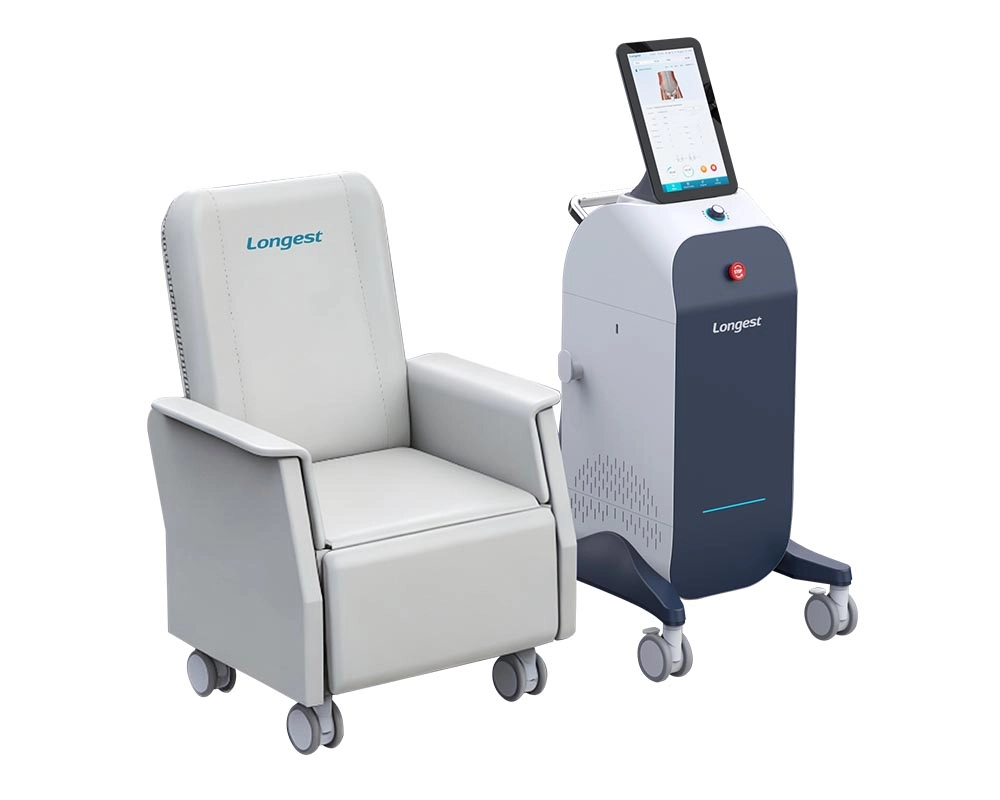
Electromagnetic Stimulator for Pelvic floor rehabilitation LGT-2640AP
The LGT-2640AP Pelvic Floor Magnetic Stimulator is a precision rehabilitation device designed for targeted pelvic floor therapy. Featuring 24 visualized preset protocols (paired with anatomical diagrams), customizable treatment plans, and a pre-adaptation function, it delivers non-invasive, painless stimulation to support postpartum recovery, male pelvic floor rehabilitation, and geriatric pelvic health.
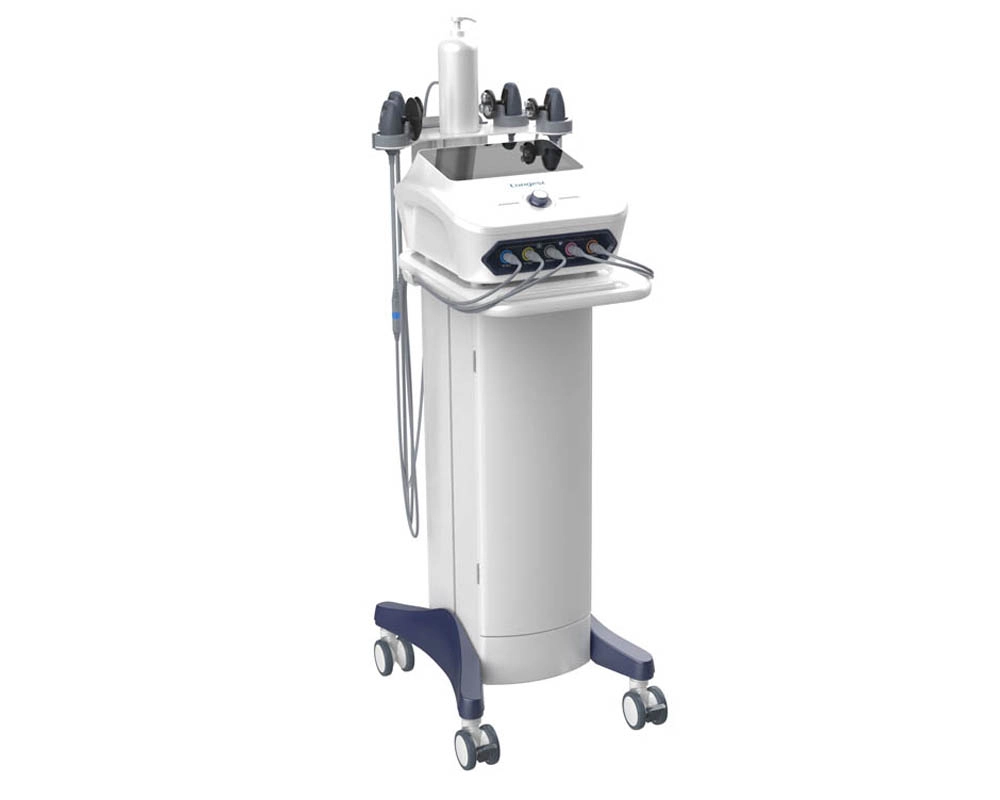
High-Frequency Therapy Device LGT-3500GP(Desktop Design)
LGT-3500GP fits tight spaces without sacrificing performance. Equipped with full TECAR tech, dual tissue-targeting modes, and core safety features, it handles post-op rehab, shallow tissue care, and more—lightweight, durable, and perfect for space-conscious facilities.
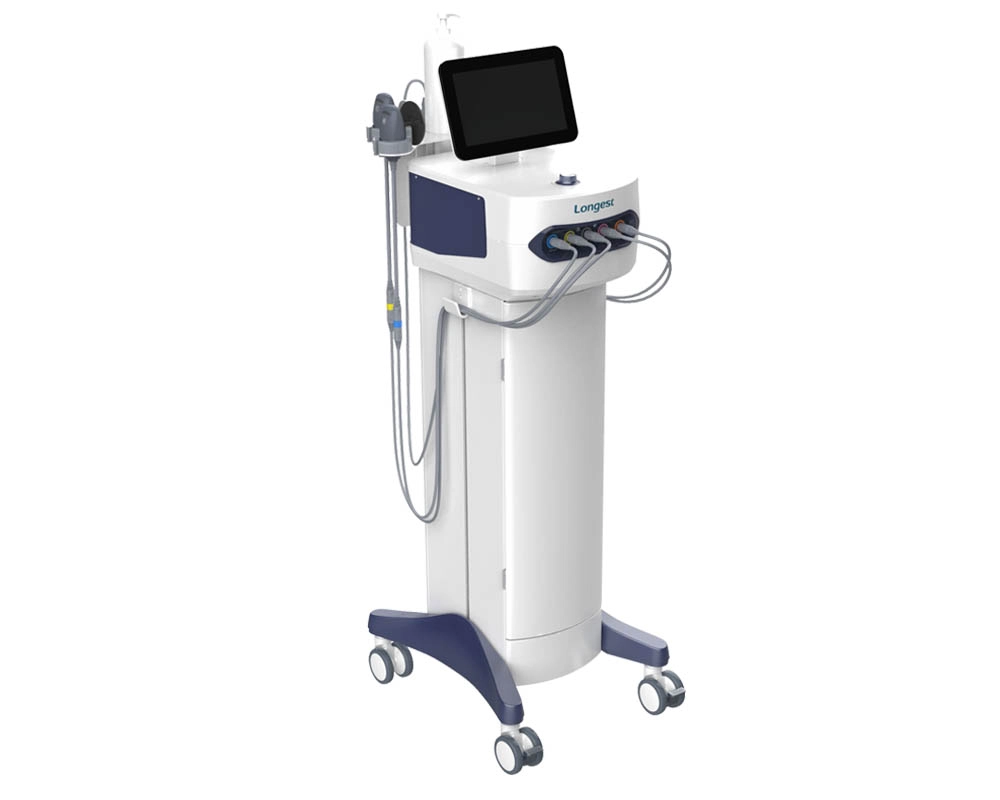
High Frequency Therapy Device LGT-3500LP(Upright Design)
The LGT-3500LP has an upright design with plenty of storage and rolling casters for easy mobility. It uses TECAR Therapy, and it has dual CET/RET modes, 300 KHz~1 MHz frequencies, and safety features like real-time temperature monitoring. This gives you precise, efficient treatments for deep tissue repair and pain relief.
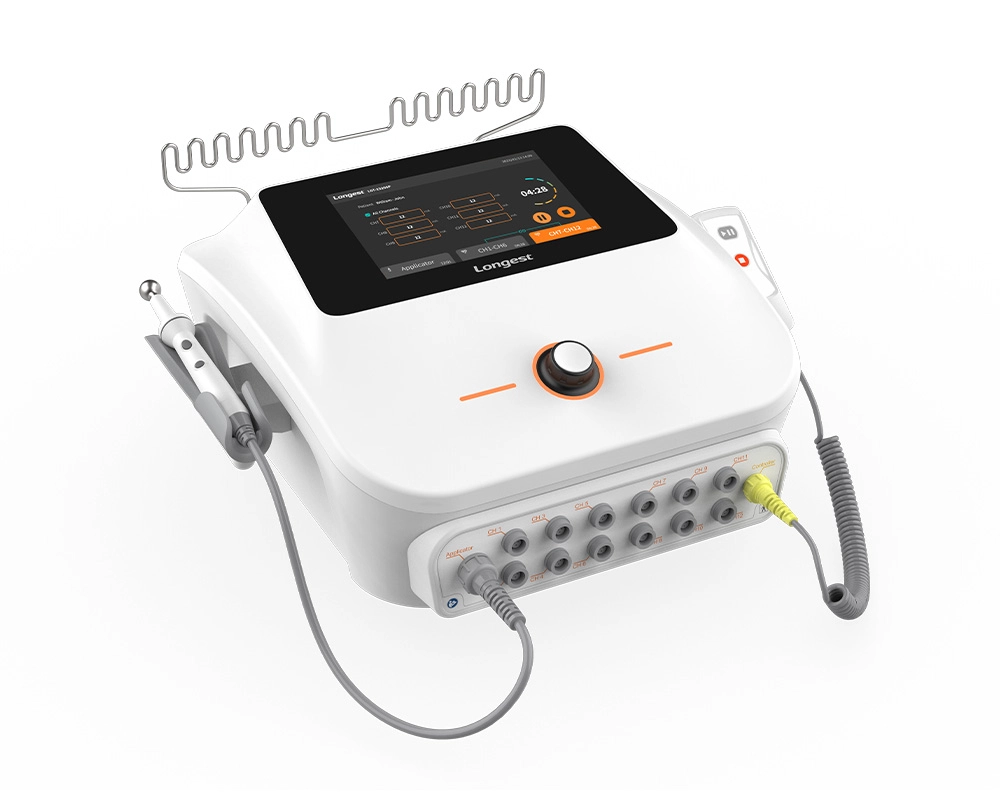
Professional 12-Channel Low-Frequency Electrical Stimulation Machine LGT-2320SP
LGT-2320SP is an advanced electrical stimulation sports training station. It leads to multisite high-efficiency strength gain and realizes bilateral balanced development with motor point detection.
Specifically designed for sports medicine professionals, this device is ideal for the treatment and rehabilitation of sports-related injuries. It delivers precise electrical impulses to targeted areas of the body, promoting pain relief, muscle strengthening, and accelerated recovery.

Call us:
+86 020 – 66353999

export@longest.cn

Address:
301 & 401 of Building 2 & Building 3, No. 96, Chuangqiang Road, Ningxi Street, Zengcheng District, Guangzhou, Guangdong Province, 511399, P.R. China.
Tips: The content on this website is a general description of the product.
The final configuration, parameters, and functions of the product may vary in accordance with the regulatory requirements of different countries and regions.
© 2025 Longest Medical. All Rights Reserved. Powered by gooeyun.
LongestMedical
LongestGloba
longest
guangzhou_longest
GzLongest