


What Are the Best Types of Facilities for Stroke Care?
- What Are the Best Types of Facilities for Stroke Care?
- Introduction to Stroke Care Facilities
- Acute Stroke Care Centers: The First Line of Defense
- Inpatient Rehabilitation Facilities (IRFs)
- Skilled Nursing Facilities (SNFs) for Long-term Rehabilitation
- Home-based Stroke Rehabilitation Programs
- Specialized Neurological Rehabilitation Hospitals
- The Role of Longest Medical’s Equipment in Stroke Care Facilities
- Choosing the Right Facility Based on Patient Needs
- Conclusion
What Are the Best Types of Facilities for Stroke Care?
Introduction to Stroke Care Facilities
Stroke is a leading cause of disability and death worldwide. According to the World Health Organization, stroke affects approximately 15 million people globally each year, with 5 million deaths and millions more living with long-term disabilities. Effective stroke care requires specialized facilities tailored to address the acute, rehabilitative, and long-term needs of stroke patients. we explore the best types of facilities for stroke care and how advanced equipment solutions can improve patient outcomes.
Acute Stroke Care Centers: The First Line of Defense
Acute stroke care centers, often referred to as Primary Stroke Centers (PSCs) or Comprehensive Stroke Centers (CSCs), provide immediate medical interventions such as intravenous thrombolysis and mechanical thrombectomy. These facilities are essential in reducing mortality and limiting neurological damage. Essential features include 24/7 neurologist availability, advanced neuroimaging technologies, and stroke-specific protocols.
Inpatient Rehabilitation Facilities (IRFs)
Following acute care, many stroke patients benefit from intensive inpatient rehabilitation. Inpatient Rehabilitation Facilities provide multidisciplinary therapies including physical therapy, occupational therapy, and speech-language pathology. IRFs are equipped with advanced rehabilitation equipment such as electrotherapy devices, active-passive trainers, and shock wave therapy, which Longest Medical specializes in. The integration of these technologies supports neurological recovery and functional independence.
Skilled Nursing Facilities (SNFs) for Long-term Rehabilitation
Skilled Nursing Facilities provide ongoing care and rehabilitation for patients who no longer require intensive inpatient services but still need medical and therapeutic support. SNFs focus on maintaining functional improvements, preventing complications, and managing secondary conditions. Compression therapy and cryotherapy equipment, which contribute to edema control and pain management, are often utilized here.
Home-based Stroke Rehabilitation Programs
Home-based rehabilitation is a growing trend, supported by telemedicine and portable rehabilitation devices. Active-passive trainers and portable ultrasound therapy devices are examples of Longest Medical’s products facilitating effective neurological rehabilitation in the home environment. This option is beneficial for patients who have achieved initial recovery yet need continued therapy with flexible scheduling and personalized care.
Specialized Neurological Rehabilitation Hospitals
These hospitals offer comprehensive care integrating advanced diagnostic and therapeutic technologies tailored specifically to neurological conditions like stroke. Facilities here often incorporate electrostatic oscillation therapy, electrotherapy, and shock wave therapy to promote neuroplasticity and early functional recovery. The multidisciplinary teams include neurologists, physiatrists, and rehabilitation therapists working in concert.
The Role of Longest Medical’s Equipment in Stroke Care Facilities
Since 2000, Longest Medical has been at the forefront of providing non-invasive rehabilitation solutions essential for stroke care. Our product range—including shock wave therapy, compression therapy, electrotherapy, electrostatic oscillation therapy, cryotherapy, ultrasound therapy, and active-passive trainers—offers comprehensive tools for improving post-stroke recovery phases. These devices enhance motor function restoration, reduce pain and inflammation, and facilitate better neurological outcomes.
Choosing the Right Facility Based on Patient Needs
Stroke care is highly individualized. The choice of facility depends on the stroke severity, phase of recovery, and patient comorbidities. Acute care centers are critical immediately post-stroke; inpatient rehab is necessary for moderate to severe cases needing intense therapy, while skilled nursing facilities and home rehabilitation support long-term needs. Collaboration among these care settings ensures continuity and maximizes recovery potential.
Conclusion
Understanding the best types of facilities for stroke care is crucial for optimizing patient outcomes. Acute stroke centers, inpatient rehabilitation facilities, skilled nursing facilities, home rehab programs, and specialized neurological hospitals each play distinct roles in the continuum of stroke recovery. Integrating advanced rehabilitation equipment from leading providers like Longest Medical further enhances efficacy across these settings. Together, these components form a comprehensive stroke care ecosystem that supports recovery, reduces disability, and improves quality of life.
Frequently Asked Questions
What are the best types of facilities for stroke care?
The best types are acute stroke care centers, inpatient rehabilitation facilities, skilled nursing facilities, home-based rehab programs, and specialized neurological hospitals.
Why is specialized equipment important in stroke care facilities?
Specialized equipment such as shock wave therapy devices and active-passive trainers supports neurorehabilitation, pain management, and functional recovery.
Can stroke patients receive rehabilitation at home?
Yes, home-based rehabilitation with portable devices and telehealth support is effective for continued recovery after initial inpatient care.
What role does Longest Medical play in stroke rehabilitation?
Longest Medical provides non-invasive equipment solutions like electrotherapy and compression therapy that support comprehensive stroke rehabilitation.
How do I choose the right stroke care facility?
Consult healthcare providers to evaluate stroke severity and rehabilitation needs; consider facilities offering appropriate medical support and rehabilitation technology.
Top 10 cardiac medical device Manufacturers and Supplier Brands
The B2B Buyer’s Guide to air relax compression boots | Longest Ultimate Insights
Wholesale active passive trainer manufacturer and supplier
Clinical Evidence for Electrotherapy in Neuropathic Pain
LGT - 2360S
How does PowerOsci LGT - 2360S Work?
An electrostatic field is built up between the applicator/therapist's hands and the patient's tissue. With the friction caused by the movement of the applicator or the therapist's hands, electrostatic induction occurs, and then the soft tissues, which are attracted to the applicator or glove, react to the movement.
LGT-2500S
How many treatment sessions could cure the indications?
It varies depending on the severity of the patient's condition and should be diagnosed by a professional therapist.
LGT-2200DVT
Is OEM/ODM service available?
Yes. Contact us for more details. We offer professional OEM/ODM services.
LGT-2320ME
Do we need to use some medium to transfer the current like gel?
For pen or silicone rubber electrodes, you can put a wet gauze or wet sponge cover over the electrode or put some conductive gel over the skin before using it. For self-adhesive electrode pads, it is unnecessary to use conductive gel.
LGT-2640AP Electromagnetic Stimulator for Pelvic Floor Rehabilitation
Is the treatment process of the LGT-2640AP invasive or painful?
No, it is non-invasive and painless. Unlike traditional electrical stimulation, it does not require invasive probes or electrodes to be inserted into the body, avoiding the risk of injury and infection. The treatment is performed through clothing without exposing private parts, and patients may only feel slight vibration during the process, with high comfort.
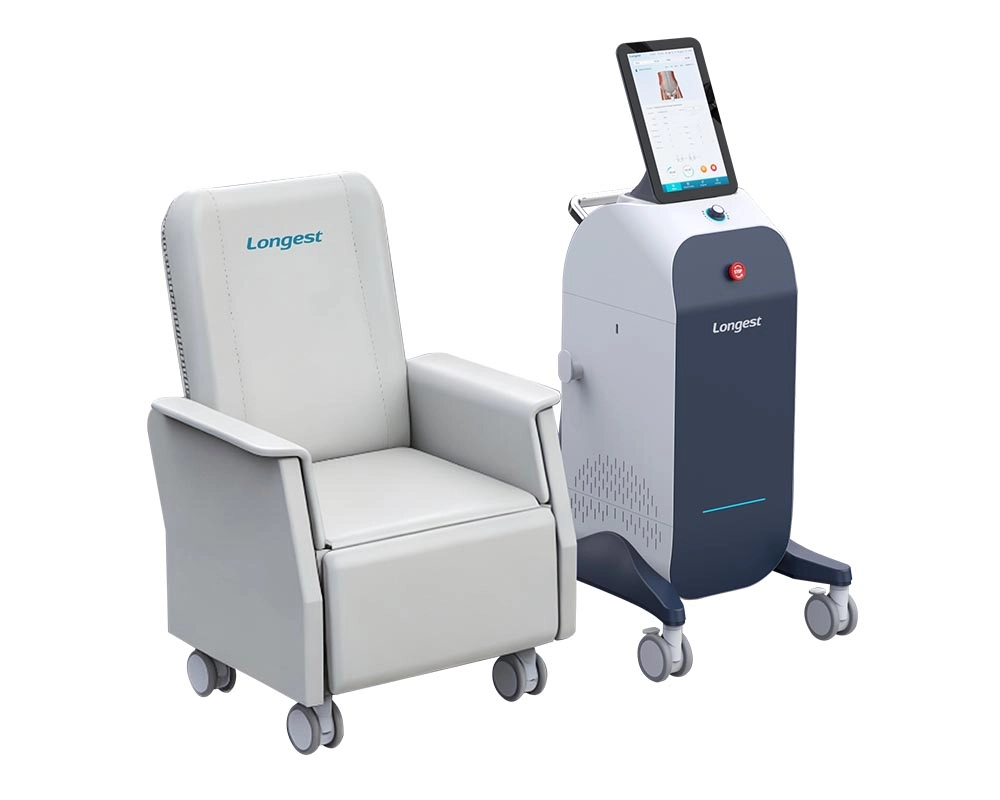
Electromagnetic Stimulator for Pelvic floor rehabilitation LGT-2640AP
The LGT-2640AP Pelvic Floor Magnetic Stimulator is a precision rehabilitation device designed for targeted pelvic floor therapy. Featuring 24 visualized preset protocols (paired with anatomical diagrams), customizable treatment plans, and a pre-adaptation function, it delivers non-invasive, painless stimulation to support postpartum recovery, male pelvic floor rehabilitation, and geriatric pelvic health.
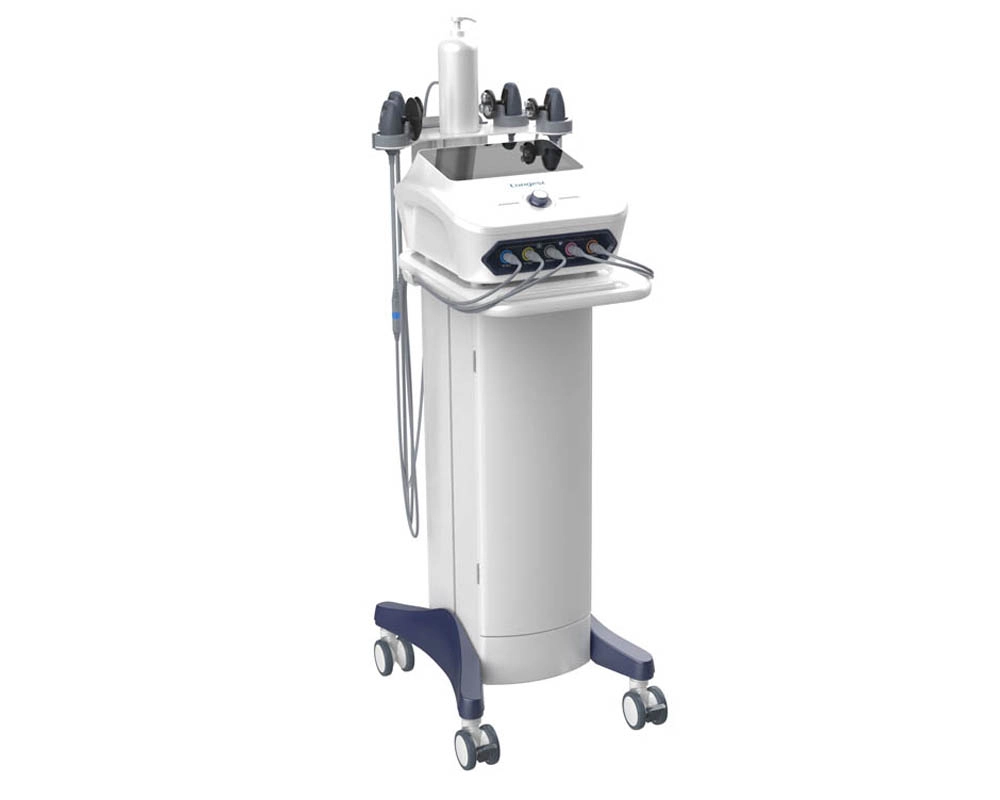
High-Frequency Therapy Device LGT-3500GP(Desktop Design)
LGT-3500GP fits tight spaces without sacrificing performance. Equipped with full TECAR tech, dual tissue-targeting modes, and core safety features, it handles post-op rehab, shallow tissue care, and more—lightweight, durable, and perfect for space-conscious facilities.
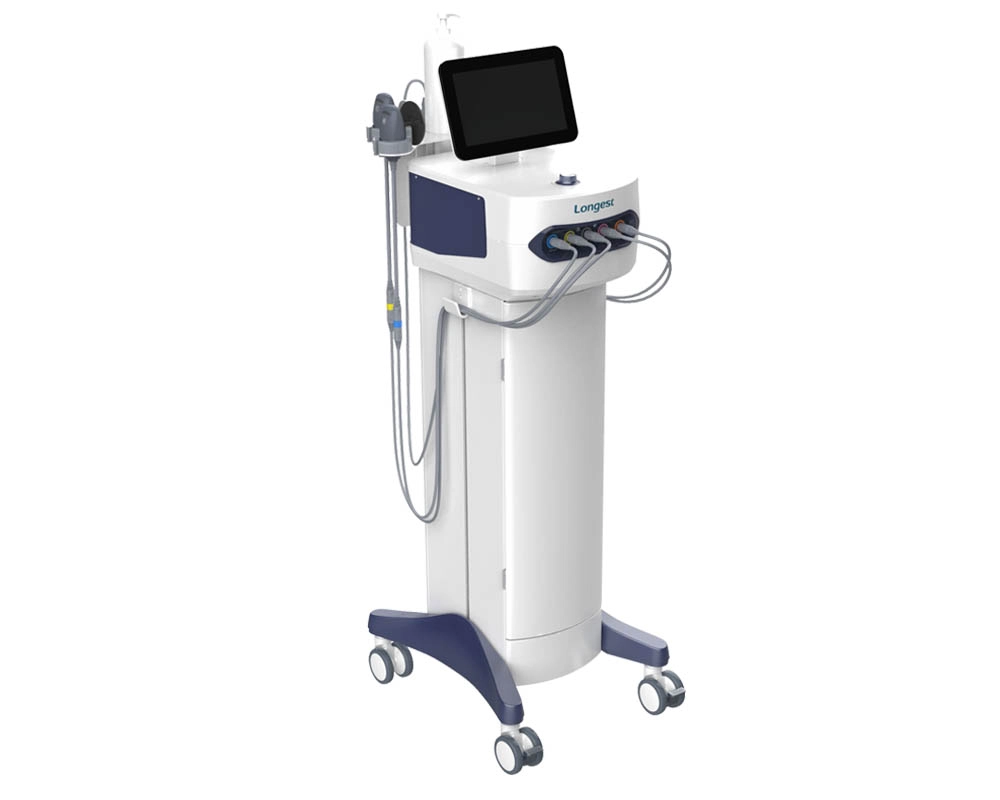
High Frequency Therapy Device LGT-3500LP(Upright Design)
The LGT-3500LP has an upright design with plenty of storage and rolling casters for easy mobility. It uses TECAR Therapy, and it has dual CET/RET modes, 300 KHz~1 MHz frequencies, and safety features like real-time temperature monitoring. This gives you precise, efficient treatments for deep tissue repair and pain relief.
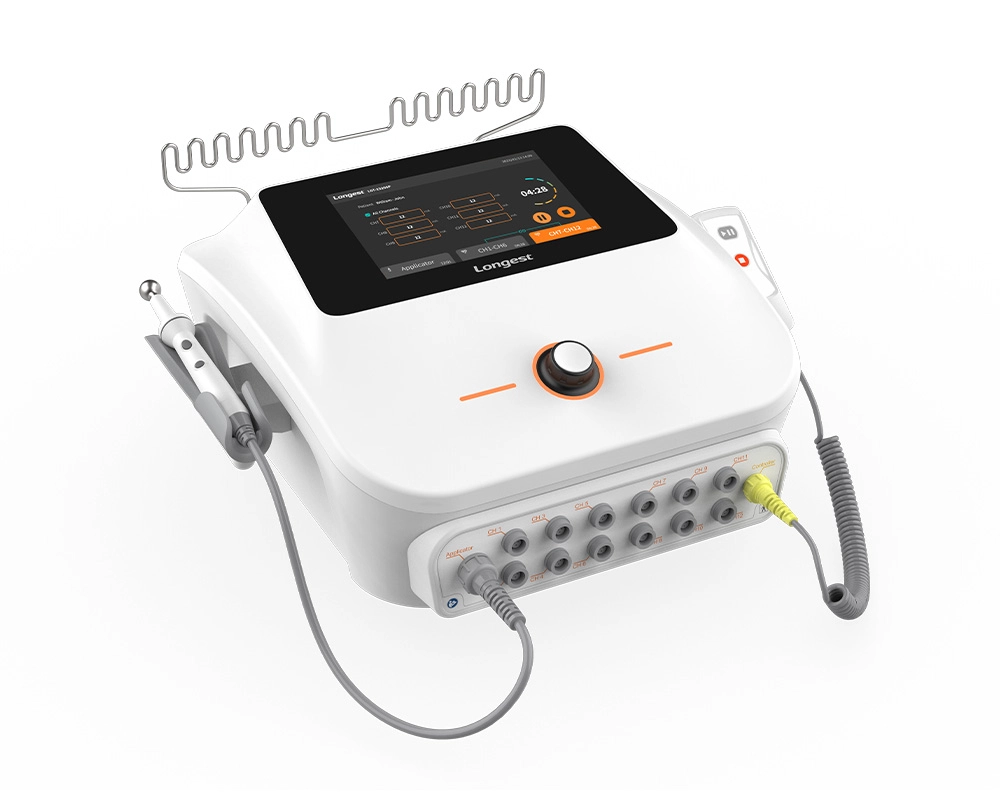
Professional 12-Channel Low-Frequency Electrical Stimulation Machine LGT-2320SP
LGT-2320SP is an advanced electrical stimulation sports training station. It leads to multisite high-efficiency strength gain and realizes bilateral balanced development with motor point detection.
Specifically designed for sports medicine professionals, this device is ideal for the treatment and rehabilitation of sports-related injuries. It delivers precise electrical impulses to targeted areas of the body, promoting pain relief, muscle strengthening, and accelerated recovery.

Call us:
+86 020 – 66353999

export@longest.cn

Address:
301 & 401 of Building 2 & Building 3, No. 96, Chuangqiang Road, Ningxi Street, Zengcheng District, Guangzhou, Guangdong Province, 511399, P.R. China.
Tips: The content on this website is a general description of the product.
The final configuration, parameters, and functions of the product may vary in accordance with the regulatory requirements of different countries and regions.
© 2025 Longest Medical. All Rights Reserved. Powered by gooeyun.
LongestMedical
LongestGloba
longest
guangzhou_longest
GzLongest