


Cost, Pricing and ROI of Shockwave Therapy Machines for Clinics
- Cost, Pricing and ROI of Shockwave Therapy Machines for Clinics
- Executive overview: why cost and ROI matter for a shockwave therapy machine
- Types of shockwave therapy machines and how they affect cost
- Device comparison: radial vs focused shockwave therapy machine (typical market ranges)
- Upfront purchase price and financing options for a shockwave therapy machine
- Ongoing operating costs: maintenance, consumables and training
- Clinic pricing strategies for shockwave therapy machine services
- ROI model: sample calculations for a shockwave therapy machine
- Interpreting the ROI table for your shockwave therapy machine
- Clinical throughput and scheduling considerations with a shockwave therapy machine
- Evidence and payer considerations for shockwave therapy machine services
- How to choose the right shockwave therapy machine for your clinic
- Purchasing tips: negotiate warranty, training and trial with your shockwave therapy machine vendor
- Practical checklist before buying a shockwave therapy machine
- Longest Medical: company strengths and their shockwave therapy machine offerings
- Key advantages of Longest’s major devices including shockwave therapy machine
- Products overview: Longest’s shockwave and complementary therapy devices
- Conclusion: balancing clinical value and commercial sense for a shockwave therapy machine
- FAQ: common questions clinics ask about shockwave therapy machine costs and ROI
- Q: How much does a clinic typically charge per shockwave session?
- Q: How quickly can I expect to break even on a shockwave therapy machine?
- Q: Is radial or focused shockwave therapy machine better for general clinics?
- Q: What ongoing costs should I budget for after buying a shockwave therapy machine?
- Q: Can I bill insurance for shockwave therapy machine treatments?
- Q: What should I ask a vendor when comparing shockwave therapy machine offers?
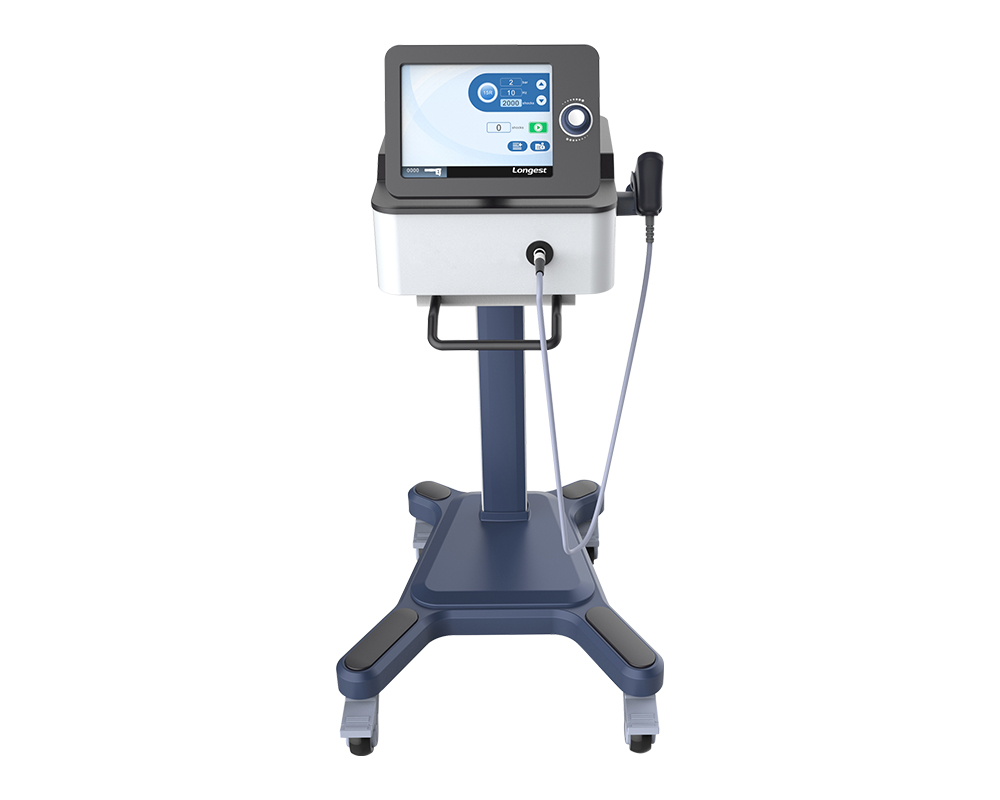
Cost, Pricing and ROI of Shockwave Therapy Machines for Clinics
Executive overview: why cost and ROI matter for a shockwave therapy machine
Adding a shockwave therapy machine to a clinic is both a clinical and commercial decision. Clinically, shockwave therapy machines deliver evidence-based care for conditions such as plantar fasciitis, tendinopathies and certain soft-tissue injuries. Commercially, understanding upfront costs, ongoing expenses and realistic patient volumes determines how quickly a clinic recovers its investment and turns a profit. This guide walks through device types, typical price ranges, operating costs, pricing strategies, and practical ROI examples to help clinic owners evaluate the business case for acquiring a shockwave therapy machine.
Types of shockwave therapy machines and how they affect cost
There are two primary technologies: radial shockwave therapy (R-SWT) and focused shockwave therapy (F-SWT). Each category includes portable and cart-based units and differences in technology drive cost, indications and ROI. When assessing options, consider how the device type aligns with your patient mix and revenue goals.
Device comparison: radial vs focused shockwave therapy machine (typical market ranges)
| Feature | Radial Shockwave Therapy Machine | Focused Shockwave Therapy Machine |
|---|---|---|
| Typical clinical indications | Superficial tendinopathies, muscle trigger points, plantar fasciitis, larger surface areas | Deeper tendon insertions, calcifications, precise focal lesions |
| Penetration depth (typical) | Up to ~20–30 mm (superficial) | Typically 10–60 mm (deeper targets) |
| Typical price range (USD) | $5,000–$25,000 | $15,000–$60,000+ |
| Portability | Many portable/handheld options | Mostly cart-based or larger systems; some portable focused units exist |
| Clinical throughput | Good for high-volume, general use | Often used for targeted cases, referral-based practice |
Upfront purchase price and financing options for a shockwave therapy machine
Purchase prices vary based on technology, brand, and included accessories. Portable radial units and entry-level devices often start around $5,000–$8,000. Mid-range radial or basic focused systems typically cost $15,000–$30,000. High-end focused systems with advanced settings, imaging compatibility or multi-therapy capabilities can exceed $40,000–$60,000.
Financing is commonly available through manufacturers or third-party healthcare equipment lenders. Typical options include lease-to-own, fixed-term loans, or monthly payment plans. Clinics should model finance interest, down payment and term length when calculating ROI because financing costs affect breakeven timing for a shockwave therapy machine.
Ongoing operating costs: maintenance, consumables and training
Beyond the purchase price, plan for service contracts, periodic maintenance, consumables (e.g., ultrasound gel, disposable applicators if used) and staff training. Annual service contracts commonly range from 5% to 10% of device price, although exact costs vary by manufacturer. Warranties often cover 1–3 years; extended warranties can be purchased for additional protection. Training—either included or offered for a fee—reduces clinical errors and improves throughput, directly impacting revenue from your shockwave therapy machine.
Clinic pricing strategies for shockwave therapy machine services
Clinics typically price shockwave therapy by session or package. Market pricing per session commonly ranges from $75 to $300 depending on geography, clinic specialization and included services. Many clinics offer packages (e.g., 3–6 sessions) at a slight discount, which improves patient adherence and predictable revenue. When setting prices, factor clinical results, competitor pricing, local demand and payer coverage.
ROI model: sample calculations for a shockwave therapy machine
Below are simplified ROI examples showing breakeven months for different device costs, treatment prices and patient volumes. Assumptions used: average price per session = $120, average sessions per patient = 3, revenue per patient = $360. These conservative inputs reflect common clinic practices and allow quick scenario analysis for a shockwave therapy machine.
| Device cost (USD) | Revenue per patient (USD) | Patients/month (new service) | Months to breakeven |
|---|---|---|---|
| $8,000 | $360 | 10 | ~2.2 months |
| $25,000 | $360 | 10 | ~7.0 months |
| $25,000 | $360 | 30 | ~2.3 months |
| $50,000 | $360 | 20 | ~6.9 months |
Interpreting the ROI table for your shockwave therapy machine
These examples show how patient volume and session pricing heavily influence payback. A clinic that treats more patients or charges a higher session fee recoups the shockwave therapy machine cost faster. Conversely, low patient uptake or deep discounting extends breakeven. When projecting ROI, include realistic marketing, staff time and any promotional pricing costs to attract initial referrals.
Clinical throughput and scheduling considerations with a shockwave therapy machine
Typical shockwave sessions take 10–30 minutes depending on the protocol, body area and whether the visit includes an assessment or exercise therapy. Scheduling efficiency raises throughput and revenue per device. Cross-training clinicians on the shockwave therapy machine and integrating it into standard care pathways (e.g., adding it as an escalation before injections or surgery) improves utilization.
Evidence and payer considerations for shockwave therapy machine services
Clinical studies and meta-analyses support shockwave therapy for conditions like chronic plantar fasciitis and certain tendinopathies. Insurance coverage varies by region and payer; some insurers reimburse when conservative therapy has failed and documentation supports medical necessity. Many clinics rely on direct-pay patients for shockwave sessions, so clear outcome tracking and patient education help justify pricing for out-of-pocket services tied to the shockwave therapy machine.
How to choose the right shockwave therapy machine for your clinic
Match the shockwave therapy machine to expected use: a high-volume sports clinic may benefit from a durable radial unit, while a specialty orthopedic or imaging-integrated practice may prefer a focused system. Consider: clinical indications, typical patient body areas, portability needs, warranty and service, available financing, and training. Trial periods and site demos reduce purchase risk and let staff evaluate clinical workflow with the device.
Purchasing tips: negotiate warranty, training and trial with your shockwave therapy machine vendor
Negotiate for an extended warranty, on-site staff training, marketing support (e.g., clinic listing, patient brochures) and a trial or satisfaction guarantee when buying a shockwave therapy machine. Ask about consumable costs, expected lifespan of applicators, and bundled packages (e.g., multiple probes or modes). Request references from clinics with similar patient mixes to validate real-world throughput and satisfaction.
Practical checklist before buying a shockwave therapy machine
Before purchase, run through a short checklist: confirm the target patient population, forecast monthly patient volumes, set realistic session fees, compare total cost of ownership (purchase + service + consumables), and calculate breakeven scenarios for your clinic. This disciplined approach ensures the shockwave therapy machine aligns with both clinical goals and business realities.
Longest Medical: company strengths and their shockwave therapy machine offerings
Founded in 2000, Longest Medical is a global rehabilitation and aesthetic solutions company focused on non-invasive therapies. Their strengths include a broad product portfolio, years of market presence, and solutions that cover multiple therapy modalities—helpful for clinics seeking multi-service capability from a single vendor. Longest’s product lines include shock wave therapy, focused shockwave therapy, electrical muscle stimulation machines, air-relax compression systems, active-passive trainers, compression therapy machines, DVT prevention devices, lymphatic massage devices, and pressotherapy machines. For clinics, this means consolidated support, combined training packages, and potential bundle pricing when purchasing a shockwave therapy machine alongside complementary equipment.
Key advantages of Longest’s major devices including shockwave therapy machine
Longest designs devices for rehabilitation, aesthetics and postoperative recovery. Specific advantages relevant to clinics include: reliable build quality from a company with decades of experience; multi-modality product options to expand clinic services; training and technical support for device integration; and a range of products at different price points suitable for startup clinics and larger centers. Their shockwave therapy machine and focused shockwave therapy machine lines offer established protocols for musculoskeletal care, while complementary devices such as electrical muscle stimulation machines and compression therapy systems enable integrated rehabilitation programs that improve patient outcomes and increase revenue per patient.
Products overview: Longest’s shockwave and complementary therapy devices
Longest’s shockwave therapy machine (radial and focused options) is built for clinical use with ergonomic applicators and pre-set protocols. The focused shockwave therapy machine provides deeper focal treatment for calcifications and deep tendon issues. Electrical muscle stimulation machines support muscle re-education and pain control, while air relax compression and pressotherapy systems assist with circulation, lymphatic drainage and postoperative care. Active-passive trainers help with joint mobilization and rehab exercises. DVT prevention devices and lymphatic massage devices further support perioperative and long-term care. This breadth allows clinics to develop bundled care pathways and maximize utilization across devices.
Conclusion: balancing clinical value and commercial sense for a shockwave therapy machine
Investing in a shockwave therapy machine is frequently justified when a clinic has sufficient patient demand, clear pricing, and effective marketing. Choose the right technology for your indications, model financing and ongoing costs into your ROI projections, and negotiate favorable warranty and training. Vendors such as Longest Medical provide broad-device portfolios and support that can reduce risk and streamline multi-modality service offerings in your clinic.
FAQ: common questions clinics ask about shockwave therapy machine costs and ROI
Q: How much does a clinic typically charge per shockwave session?
Common session rates range from $75 to $300 depending on location, clinic specialization, and included services. Many clinics offer packages of 3–6 sessions which improves adherence and revenue predictability for the shockwave therapy machine.
Q: How quickly can I expect to break even on a shockwave therapy machine?
Breakeven timing depends on device cost, session price and patient volume. With conservative assumptions (e.g., $25,000 device, $120/session, 3 sessions/patient, 10 new patients/month), breakeven is roughly 7 months. Higher patient volumes or prices shorten this timeframe for the shockwave therapy machine.
Q: Is radial or focused shockwave therapy machine better for general clinics?
Radial devices are often better for high-throughput, superficial conditions and general clinics due to lower cost and ease of use. Focused machines are chosen for deeper-target pathology and specialty practices. The right choice depends on your patient population and treatment goals.
Q: What ongoing costs should I budget for after buying a shockwave therapy machine?
Budget for annual service contracts (commonly 5–10% of purchase price), consumables, occasional (multi-year) probe replacement, and training refreshers. Extended warranties can reduce unexpected repair expenses for your shockwave therapy machine.
Q: Can I bill insurance for shockwave therapy machine treatments?
Insurance coverage varies widely by payer and country. Some insurers reimburse when conservative care has failed and documentation supports medical necessity; many clinics rely on direct-pay patients. Verify local payer policies and document clinical outcomes to support billing where possible for the shockwave therapy machine.
Q: What should I ask a vendor when comparing shockwave therapy machine offers?
Request total cost of ownership (purchase + service + consumables), warranty details, onsite training, trial/demo periods, uptime/MTBF data, and references from similar clinics. Negotiate bundled pricing if purchasing complementary devices like compression therapy or EMS from the same vendor.
Active Passive Trainer Cost in Chicago: Buy, Lease, and Save for Clinics
Active Passive Trainer Cost in UK: Prices, Buying Guide & Where to Buy
The B2B Buyer’s Guide to air relax compression | Longest Ultimate Insights
The B2B Buyer’s Guide to air relax compression boots | Longest Ultimate Insights
LGT-2500F Copywriting - Physical Therapy Edition
What support do I get after buying the equipment?
The Longest team offers professional support. We have over two decades of shockwave technology experience. We customer-centric services ensure your satisfaction. This includes product education and training for understanding the equipment's use and technical aspects and skills for managing it (installation, safe operation, cleaning). We also provide marketing materials (pictures, videos, brochures) to help with sales and business growth.
Electrotherapy
Is the device easy to transport and carry?
Some devices are designed to be portable. For example, the LGT-231 adopts a portable dual-channel design. It is compact and easy to carry, convenient for moving between different rooms at home or taking outside. The LGT-233 is also relatively compact and doesn't feel heavy when in use, making it easy for patients to carry during scenarios like walking training.
However, equipment such as the LGT-2320BE and LGT-2320SP, although they have a certain degree of mobility (such as being equipped with an easy-to-move bracket, etc.), are relatively large in size and are more suitable for use in fixed places. If they need to be transported, users need to take protective measures to avoid collision damage.
Kinesiotherapy
What is an active-passive trainer for mobility rehabilitation?
An active-passive trainer is a type of therapy device used in mobility rehabilitation. It enables individuals with mobility impairments to perform both active and passive movements, thereby improving their muscle strength, range of motion, and overall motor function.
LGT-2320BE
How long do the results of aesthetic treatments with an electrical stimulation machine last?
The longevity of results depends on various factors, such as lifestyle, diet, and exercise habits. It is recommended that with proper maintenance, which may involve occasional follow-up sessions and a healthy lifestyle, the results can last longer.
LGT-2510B - Beauty Edition
Does your product come with a warranty?
Yes, we're committed to delivering quality products and excellent after-sales service to enhance your overall experience.
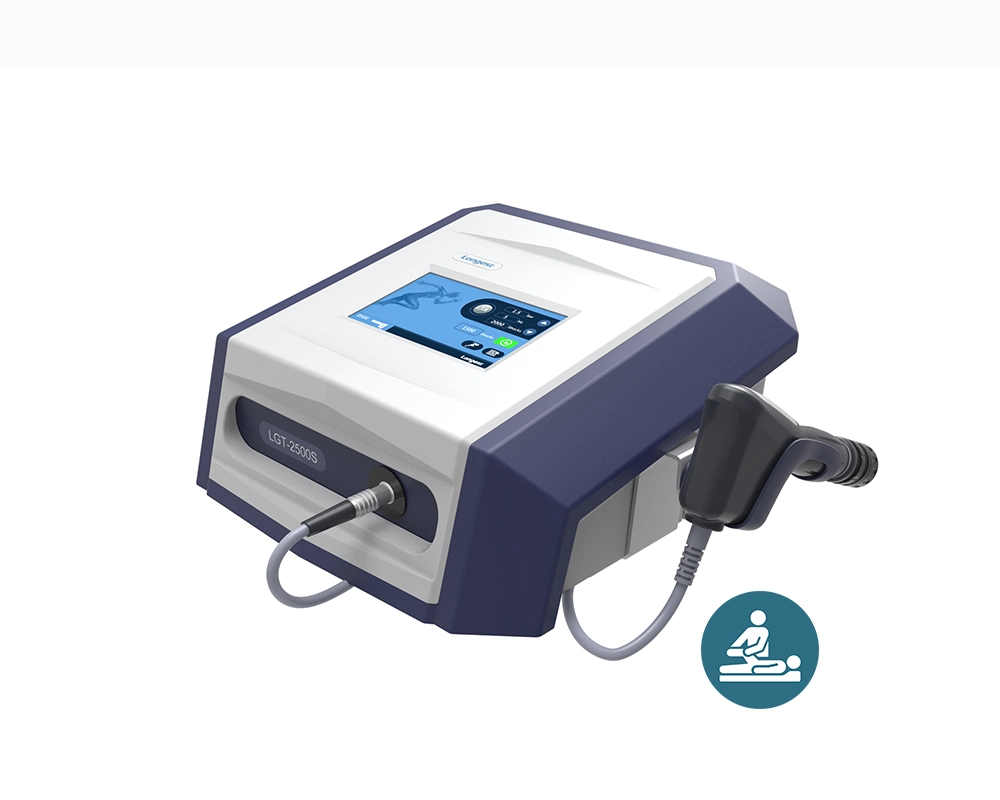
Electrical Extracorporeal Shock Wave Therapy Device PowerShocker LGT-2500S
The LGT-2500S is a portable, tabletop extracorporeal shock wave therapy (ESWT) device. It effectively stimulates the healing of troublesome tissue, alleviates pain, and non-invasively supports the recovery of the patient's tissue. It is a completely natural and drug-free option for various conditions in physiotherapy, veterinary medicine, and aesthetic medicine.
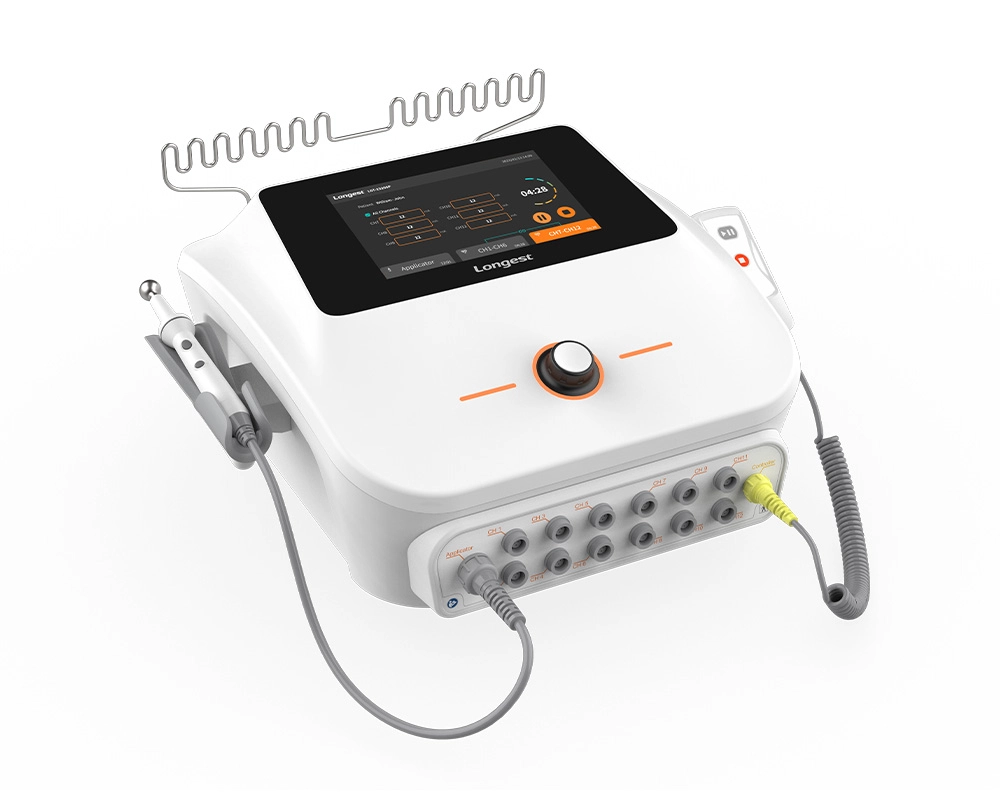
Professional 12-Channel Low-Frequency Electrical Stimulation Machine LGT-2320SP
LGT-2320SP is an advanced electrical stimulation sports training station. It leads to multisite high-efficiency strength gain and realizes bilateral balanced development with motor point detection.
Specifically designed for sports medicine professionals, this device is ideal for the treatment and rehabilitation of sports-related injuries. It delivers precise electrical impulses to targeted areas of the body, promoting pain relief, muscle strengthening, and accelerated recovery.
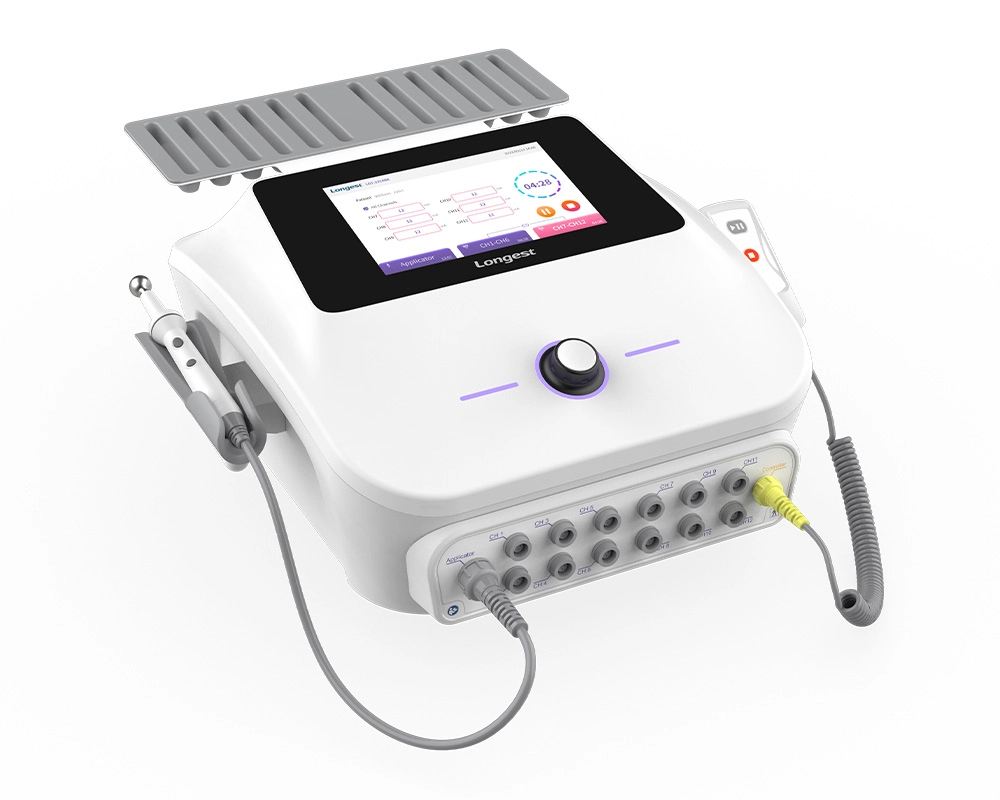
Professional 12-Channel Low-Frequency Electrical Stimulation Machine LGT-2320BE
The LGT-2320BE is an advanced EMS machine, leveraging the power of low-frequency electrical stimulation therapy to achieve remarkable results in body sculpting.
It not only efficiently contours and tones the body but also actively promotes muscle relaxation, relieving tension and soreness. Moreover, it plays a significant role in enhancing skin elasticity, rejuvenating the skin's appearance and suppleness.
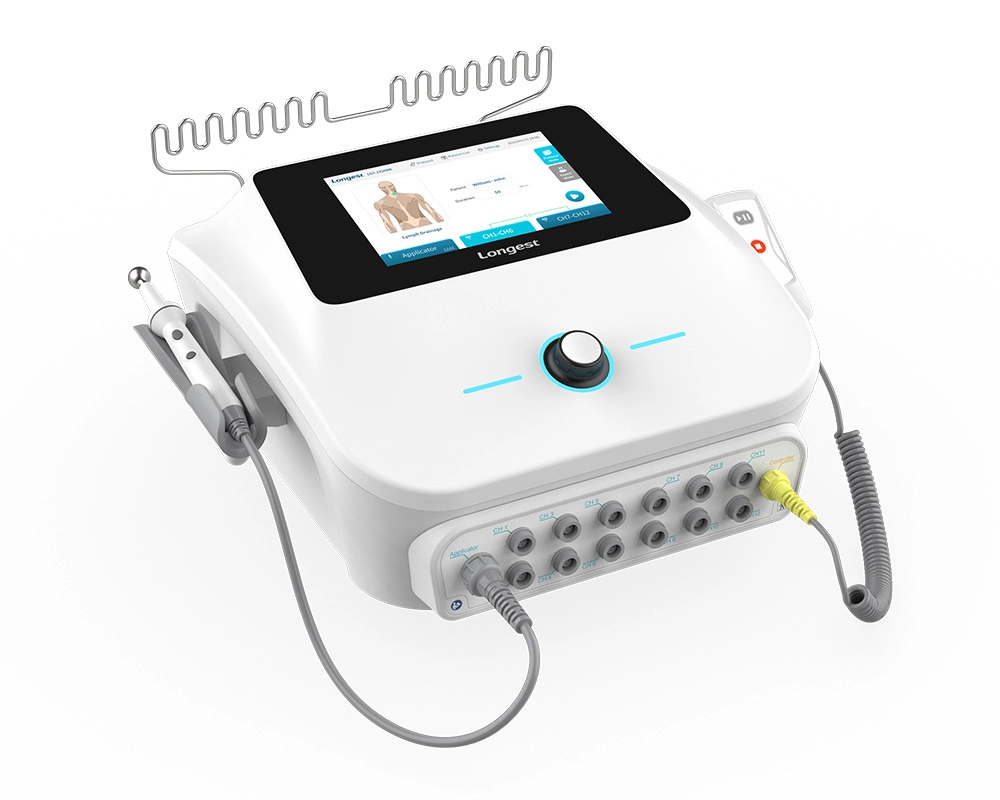
Neuromuscular Electrical Stimulation NMES Machine LGT-2320ME
The LGT-2320ME, a portable electro-stimulation therapy device, is mainly composed of the main unit, a hand switch, a pen electrode controller, and diverse types of electrodes.
It has the capacity to supply three channel groups (CH1-CH6, CH7-CH12, and the Applicator channel) with either TENS or NMES current. Specifically engineered for utilization in hospitals and clinics, this device effectively assists patients in reclaiming lost muscle strength and expedites recovery times, consequently enhancing the overall standard of patient care and bringing about more satisfactory rehabilitation outcomes.

Call us:
+86 020 – 66353999

export@longest.cn

Address:
301 & 401 of Building 2 & Building 3, No. 96, Chuangqiang Road, Ningxi Street, Zengcheng District, Guangzhou, Guangdong Province, 511399, P.R. China.
Tips: The content on this website is a general description of the product.
The final configuration, parameters, and functions of the product may vary in accordance with the regulatory requirements of different countries and regions.
© 2025 Longest Medical. All Rights Reserved. Powered by gooeyun.
LongestMedical
LongestGloba
longest
guangzhou_longest
GzLongest