


The active passive trainer Cost Guide
- The Active Passive Trainer Cost Guide: Decoding Your Investment
- Understanding Active Passive Trainers: What Are They and Why Do They Matter?
- Key Factors Influencing Active Passive Trainer Cost: Unpacking the Price Tag
- Functionality and Features: Beyond Basic Movement
- Build Quality and Durability: An Investment in Longevity
- Brand Reputation and Manufacturer Support: Trust in Your Purchase
- Type and Design: Tailored for Specific Needs
- Included Accessories and Software: Enhancing the Therapeutic Experience
- Warranty and Certifications: Assurance and Safety Standards
- Cost Breakdown: Typical Active Passive Trainer Price Ranges
- Entry-Level Active Passive Trainers (Typically $500 - $2,500)
- Mid-Range Active Passive Trainers (Typically $2,500 - $8,000)
- High-End Professional Active Passive Trainers (Typically $8,000 - $30,000+)
- Beyond the Sticker Price: The Long-Term Value of an Active Passive Trainer
- Where to Purchase Your Active Passive Trainer: Navigating the Market
- Tips for Smart Active Passive Trainer Acquisition: Maximizing Your Budget
- Why Longest Medical is Your Trusted Partner for Active Passive Trainers
- Conclusion: Making an Informed Decision on Your Active Passive Trainer Investment
- Frequently Asked Questions

The Active Passive Trainer Cost Guide: Decoding Your Investment
In the dynamic world of rehabilitation and physical therapy, equipment plays a pivotal role in patient recovery and overall well-being. Among the most versatile and effective tools available are active passive trainers. These innovative devices facilitate both active exercise (where the user contributes effort) and passive movement (where the machine moves the limbs), making them indispensable for a wide range of patients, from those with neurological impairments to individuals recovering from orthopedic surgery. As clinics and individuals seek to enhance their rehabilitation capabilities, a common and critical question arises: What is the actual active passive trainer cost?
Understanding the investment required for an active passive trainer is not just about the sticker price. It involves comprehending the intricate factors that influence its cost, from sophisticated features and build quality to brand reputation and long-term value. As a leading global provider of non-invasive medical solutions since 2000, Longest Medical understands the nuances of advanced rehabilitation equipment. This comprehensive guide aims to demystify the active passive trainer cost, providing you with a transparent overview of typical price ranges, key influencing factors, and essential considerations to ensure you make an informed and valuable purchase for your rehabilitation needs or professional practice.
Understanding Active Passive Trainers: What Are They and Why Do They Matter?
Active passive trainers, often referred to as APTs, are sophisticated exercise devices designed to provide therapeutic movement for individuals with limited mobility or those undergoing rehabilitation. Their unique dual functionality allows them to operate in two distinct modes: passive and active. In passive mode, a motor moves the user's limbs (typically legs or arms) through a predetermined range of motion without any effort from the user. This is crucial for maintaining joint flexibility, improving circulation, and preventing muscle atrophy in bedridden or severely impaired patients. In active mode, the user engages their own muscles to pedal against adjustable resistance, much like a stationary bicycle, thereby strengthening muscles, improving endurance, and enhancing coordination.
The significance of active passive trainers extends across various medical fields, including neurological rehabilitation (e.g., stroke, spinal cord injury, Parkinson's disease), orthopedic recovery (e.g., post-surgery, joint replacement), and geriatric care for maintaining mobility. They are invaluable for reducing spasticity, improving blood flow, preventing contractures, and promoting neuroplasticity. For professionals seeking effective physio equipment, the versatility and therapeutic benefits of an active passive trainer make it a cornerstone of comprehensive physical therapy programs, justifying the investment and highlighting its crucial role in patient recovery.
Key Factors Influencing Active Passive Trainer Cost: Unpacking the Price Tag
The total active passive trainer cost is a multifaceted figure, shaped by a range of specific attributes and market dynamics. Understanding these factors is essential for evaluating different models and ensuring your investment aligns with your needs and budget. From the core capabilities to the subtle design elements, each component contributes to the overall price. When considering a purchase, especially within the physio equipment wholesale market, a detailed examination of these elements will empower you to make a more strategic decision.
Functionality and Features: Beyond Basic Movement
The more advanced the features an active passive trainer offers, the higher its cost. Basic models provide core active and passive modes with adjustable speed and resistance. However, High Quality trainers incorporate sophisticated functionalities like biofeedback, which provides real-time performance data to the user and therapist, encouraging more effective engagement. They may also include customizable exercise programs, spasticity management (which detects and reacts to muscle spasms), gait training simulation, and advanced digital displays with intuitive interfaces. Connectivity options such as Bluetooth or Wi-Fi for data tracking, app integration, and even tele-rehabilitation capabilities can significantly add to the price, reflecting their enhanced therapeutic potential and diagnostic utility in modern rehabilitation practices.
Build Quality and Durability: An Investment in Longevity
The materials and construction quality play a crucial role in determining the active passive trainer cost and its lifespan. Trainers built with high-grade steel, robust motors, and durable components will naturally be more expensive than those made with lighter, less resilient materials. For clinical settings, where equipment sees heavy, continuous use, investing in a robust, medical-grade active passive trainer is paramount. Such durability reduces the frequency of repairs and replacements, translating into lower long-term ownership costs. Manufacturers like Longest Medical prioritize medical-grade materials and rigorous testing to ensure their physio equipment meets stringent safety and performance standards, offering lasting value and reliability.
Brand Reputation and Manufacturer Support: Trust in Your Purchase
The brand behind an active passive trainer significantly impacts its price. Established manufacturers with a long history of innovation, quality, and reliability, such as Longest Medical (founded in 2000), typically command higher prices. This High Quality reflects not just the product's quality but also the assurance of extensive research and development, adherence to international medical standards, and reliable after-sales support. A reputable brand often means better warranties, readily available spare parts, accessible technical assistance, and comprehensive training. For buyers of physio equipment wholesale, partnering with trusted manufacturers ensures peace of mind and long-term operational efficiency.
Type and Design: Tailored for Specific Needs
Active passive trainers come in various forms, each designed for specific rehabilitation needs, and this diversity influences their cost. Simple, portable table-top or floor-standing pedal trainers are generally more affordable. However, specialized designs, such as units that accommodate both upper and lower body rehabilitation, or those integrated into larger therapy systems (e.g., combined with tilt tables or standing frames), will have a higher active passive trainer price. The complexity of the mechanism, the range of adjustability (e.g., height, angle), and ergonomic design elements engineered for patient comfort and therapist ease of use also contribute to the overall manufacturing and retail cost.
Included Accessories and Software: Enhancing the Therapeutic Experience
The overall active passive trainer cost can also escalate with the inclusion of various accessories and software packages. Basic models might come with standard pedals and grips. More advanced units often include specialized accessories like ergonomic handgrips, adjustable foot supports, limb stabilizers, anti-spasm footplates, or even therapy gloves designed for specific conditions. Additionally, proprietary software for patient progress tracking, customized exercise protocols, virtual reality (VR) integration for engaging therapy sessions, or tele-rehabilitation platforms can add significant value and, consequently, cost. These additions enhance the therapeutic experience and provide valuable data for therapists, justifying their contribution to the overall investment.
Warranty and Certifications: Assurance and Safety Standards
A comprehensive warranty period provides peace of mind and indicates the manufacturer's confidence in their product's durability. Longer warranties often contribute to a higher initial active passive trainer cost but can save significant repair expenses over the device's lifespan. Furthermore, medical device certifications from regulatory bodies such as the FDA (USA) or CE (Europe) are crucial for ensuring safety, efficacy, and compliance with healthcare standards. Obtaining these certifications involves rigorous testing and compliance procedures, adding to the manufacturing cost and, subsequently, the retail price. For professional physio equipment, these certifications are non-negotiable and reflect a commitment to patient safety and product integrity.
Cost Breakdown: Typical Active Passive Trainer Price Ranges
When exploring the active passive trainer cost, it's helpful to categorize devices into general price tiers. These ranges are typical estimates and can vary based on the manufacturer, supplier, region, and specific features included. Understanding these tiers helps buyers gauge what they can expect within their budget and identify the best value for their specific rehabilitation or clinical needs.
Entry-Level Active Passive Trainers (Typically $500 - $2,500)
This category generally includes more basic, compact active passive trainers primarily designed for home use or very light clinical applications. They offer core active and passive modes with fundamental speed and resistance adjustments. These units are often portable and user-friendly, focusing on essential movement therapy. While they may lack advanced features like biofeedback or extensive data tracking, they are an excellent option for individuals seeking to maintain mobility, improve circulation, or engage in simple, low-impact exercise without a significant initial investment. They provide an accessible entry point into rehabilitation equipment.
Mid-Range Active Passive Trainers (Typically $2,500 - $8,000)
Mid-range active passive trainers represent a significant step up in terms of features, build quality, and therapeutic capabilities. These models are suitable for small to medium-sized clinics, nursing homes, or individuals requiring more robust and versatile equipment. They often include advanced features such as more precise resistance control, multiple pre-set programs, basic biofeedback, and improved digital displays. The construction is typically more durable, designed to withstand more frequent use in a professional setting. This price point offers a strong balance between advanced functionality and affordability for expanding rehabilitation practices looking for reliable physio equipment.
High-End Professional Active Passive Trainers (Typically $8,000 - $30,000+)
At the top end of the spectrum are professional-grade active passive trainers designed for specialized rehabilitation centers, large hospitals, and neurology clinics. These high-end units boast the most advanced features, including sophisticated software for detailed patient progress tracking, advanced spasticity management, gait re-education modules, and often integrated robotic assistance for highly precise and intensive therapy. They are built with the highest quality, medical-grade components for extreme durability and continuous heavy use. Some models might even include virtual reality environments or complex multi-joint movement capabilities. While the initial active passive trainer cost is substantial, these machines offer unparalleled therapeutic outcomes and are considered long-term investments in cutting-edge rehabilitation technology, potentially benefiting from physio equipment wholesale discounts for large-scale purchases.
Beyond the Sticker Price: The Long-Term Value of an Active Passive Trainer
While the initial active passive trainer cost is a crucial consideration, a truly informed decision requires looking beyond the sticker price to evaluate the long-term value and return on investment (ROI). For clinics and rehabilitation centers, investing in high-quality physio equipment like an advanced active passive trainer can lead to significant benefits that outweigh the upfront expense. Improved patient outcomes, faster recovery times, and enhanced patient satisfaction can lead to increased referrals and a stronger reputation within the community. The ability to offer cutting-edge therapy also positions a facility as a leader in rehabilitation services.
For individual users, an active passive trainer can dramatically improve their quality of life, maintain independence, and potentially reduce the long-term costs associated with continuous external therapy sessions. Furthermore, considering factors like energy consumption, routine maintenance, and the availability and cost of spare parts is essential. A more expensive, durable model might have lower overall operational costs over its lifespan due to less frequent breakdowns and repairs, making it a more economical choice in the long run. The true value lies in the consistent, effective therapy it can provide, making it a worthwhile investment in health and recovery.
Where to Purchase Your Active Passive Trainer: Navigating the Market
Choosing the right vendor is as important as selecting the right active passive trainer. The market offers several channels for purchasing rehabilitation equipment, each with its own advantages. Understanding these options can help you secure the best active passive trainer cost and reliable post-purchase support.
One of the most reliable avenues is purchasing directly from manufacturers like Longest Medical. Buying directly ensures you receive authentic products, access to the latest models, comprehensive warranties, and direct technical support from the experts who designed the equipment. Manufacturers often provide competitive pricing, especially for physio equipment wholesale orders, and can offer valuable insights into product usage and maintenance. Additionally, they may have financing options available for larger investments.
Authorized distributors are another excellent option. These local partners often provide convenient sales, installation, and localized technical support. They act as a bridge between the manufacturer and the end-user, sometimes offering tailored solutions and faster response times for service needs. While their prices might be slightly higher than direct manufacturer pricing due to their operational overhead, the added convenience and personalized service can be invaluable. Online retailers and marketplaces also offer active passive trainers, sometimes at seemingly lower prices. However, caution is advised here: verify the seller's legitimacy, check product authenticity, and thoroughly investigate their warranty and return policies. Support and service for such purchases can often be limited. Always prioritize reputable suppliers to ensure product quality, safety, and reliable after-sales service, which are critical for medical devices.
Tips for Smart Active Passive Trainer Acquisition: Maximizing Your Budget
Acquiring an active passive trainer, whether for personal or professional use, is a significant investment. To ensure you maximize your budget and select the most appropriate device, consider these practical tips. A strategic approach will help you navigate the options and secure the best active passive trainer cost relative to its value and your specific requirements for physio equipment.
First, thoroughly assess your needs. For clinics, consider your patient demographic, the types of conditions you treat, and the volume of patients who will use the trainer. For home users, evaluate your specific mobility challenges, available space, and therapeutic goals. This initial assessment will help narrow down the features and type of trainer you truly require, preventing overspending on unnecessary functionalities. Second, set a realistic budget, but remain flexible enough to consider models that offer superior long-term value, even if their initial active passive trainer cost is slightly higher. Investing in durability and advanced features often pays off through extended lifespan and better therapeutic outcomes.
Third, conduct thorough research. Read product reviews, compare specifications across different models and brands, and inquire about certifications and safety standards. If possible, request a demonstration or trial period to experience the trainer firsthand. This allows you to evaluate its ease of use, comfort, and actual performance. Fourth, inquire about financing or leasing options, especially for high-end professional models. Many manufacturers and distributors offer flexible payment plans that can make a substantial investment more manageable. Finally, do not overlook the importance of after-sales support and warranty. A comprehensive warranty and readily available technical support can save you significant time and money on maintenance and repairs, ensuring your active passive trainer remains operational and effective for years to come. Choosing wisely means balancing the upfront active passive trainer price with the long-term benefits and support structure.
Why Longest Medical is Your Trusted Partner for Active Passive Trainers
When it comes to non-invasive medical solutions and rehabilitation equipment, Longest Medical stands as a global leader with over two decades of experience. Founded in 2000, our mission has been to provide innovative and comprehensive equipment solutions that truly make a difference in physical therapy, neurological rehabilitation, postoperative recovery, and more. Our commitment to excellence, coupled with our deep understanding of the active passive trainer market, makes us an ideal partner for your acquisition needs.
Longest Medical's range of active passive trainers is designed with patient outcomes and therapist efficiency in mind. We prioritize cutting-edge technology, robust build quality, and user-friendly interfaces, ensuring that our products deliver consistent, effective therapy. Our comprehensive product lines, which also include shock wave therapy, compression therapy, and electrotherapy, reflect our dedication to providing holistic solutions for various therapeutic fields. Choosing Longest Medical means investing in reliable, high-performance physio equipment backed by a company with a proven track record of innovation and customer support. We are committed to transparency regarding active passive trainer cost and value, helping you make the best decision for your practice or personal rehabilitation journey. When considering your next physio equipment wholesale purchase or an individual unit, Longest Medical offers not just a product, but a partnership built on trust and expertise.
Conclusion: Making an Informed Decision on Your Active Passive Trainer Investment
The journey to acquiring the ideal active passive trainer is an important one, fraught with considerations beyond just the immediate active passive trainer cost. As we've explored, the price is influenced by a complex interplay of factors including functionality, build quality, brand reputation, design, included accessories, and crucial warranty and certification standards. From economical entry-level models suitable for home use to advanced professional systems engineered for complex neurological rehabilitation, the market offers a diverse range of options tailored to various needs and budgets.
ly, a wise investment in an active passive trainer is about balancing the upfront price with the long-term value it delivers in terms of therapeutic effectiveness, durability, and reliable support. For clinics, it translates into enhanced patient outcomes and operational efficiency; for individuals, it means improved quality of life and sustained independence. By thoroughly assessing your specific needs, diligently researching available options, and prioritizing reputable manufacturers and suppliers like Longest Medical, you can confidently navigate the market. Making an informed decision ensures that your investment in an active passive trainer not only fits your budget but also significantly contributes to the success of your rehabilitation goals, providing lasting benefits for years to come.
Frequently Asked Questions
Q: What is the average active passive trainer cost?
A: Active passive trainers vary widely in price. Basic models for home use can range from $500 to $2,500. Mid-range clinical units with more features typically cost between $2,500 and $8,000. High-end professional systems designed for specialized rehabilitation centers can exceed $30,000, depending on features, brand, and type.
Q: Can I use an active passive trainer at home?
A: Yes, many compact and user-friendly active passive trainers are specifically designed for home use. They are generally more affordable and simpler to operate than professional clinical models, focusing on essential active and passive movement therapy for personal rehabilitation or maintenance.
Q: What features should I look for in a professional active passive trainer?
A: For professional use, look for robust build quality, customizable programs, adjustable resistance and speed levels, biofeedback capabilities, spasticity management features, detailed data tracking, and connectivity options. Comprehensive warranty, reliable after-sales support, and medical certifications (e.g., CE, FDA) are also crucial for clinic-grade physio equipment.
Q: How does the brand affect the active passive trainer cost?
A: Reputable brands, like Longest Medical, often have higher initial costs due to their commitment to research, superior engineering, advanced technology, and proven reliability. However, they typically offer better long-term value, durability, and more reliable after-sales support, justifying the higher active passive trainer price.
Q: Are there financing options available for active passive trainers?
A: Yes, many manufacturers and authorized distributors, especially for professional-grade physio equipment, offer various financing or leasing options to help make the investment more manageable. It's advisable to inquire directly with suppliers like Longest Medical about available payment plans.
Q: What is the lifespan of an active passive trainer?
A: The lifespan of an active passive trainer varies significantly with its build quality, frequency of use, and adherence to maintenance schedules. Well-built professional models can last 10-15 years or even longer with proper care and regular servicing, while lighter home-use models may have a shorter lifespan of 5-10 years.
Compression Machine for Legs Benefits

Clinical Evidence: Does LGT-2520GP Improve Tendon Healing?
Cost, Pricing and ROI of Shockwave Therapy Machines for Clinics
Air Relax Compression Boots Manual: Comprehensive Guide for Therapists and Clinics
LGT-2500F Copywriter - Medical Beauty Edition
Question: Is acoustic wave therapy safe and what are the side effects?
Acoustic wave therapy is extremely safe. Minor side effects like mild bruising, swelling, pain, numbness, or tingling in the treated area may occur, but they recover quickly and don't affect daily activities.
LGT-2202DVT
Is OEM/ODM service available?
Yes. Contact us for more details. We offer professional OEM/ODM services.
LGT-2410S W
How do I maintain the rehab bike?
Regular maintenance includes cleaning the bike after each use, checking for any loose parts or screws, lubricating moving components as recommended by the manufacturer, and storing it in a dry and safe place. The user manual will provide detailed maintenance instructions.
2520GP
Are there any contraindications?
Yes. People with bleeding disorders, active infections in the treatment area, pregnancy, and those with implanted electronic devices (such as pacemakers) near the treatment site are generally not suitable for this treatment. Also, patients with severe osteoporosis or certain types of tumors in the area may not be eligible.
Company
How is the company's cooperation with the international market?
In 2012, the International Sales Department was established, and cooperative relationships have been established with distributors and agents in more than 80 countries around the world. The products are widely used in overseas medical institutions and are highly recognized. We actively participate in international academic exchange activities to promote resource sharing.
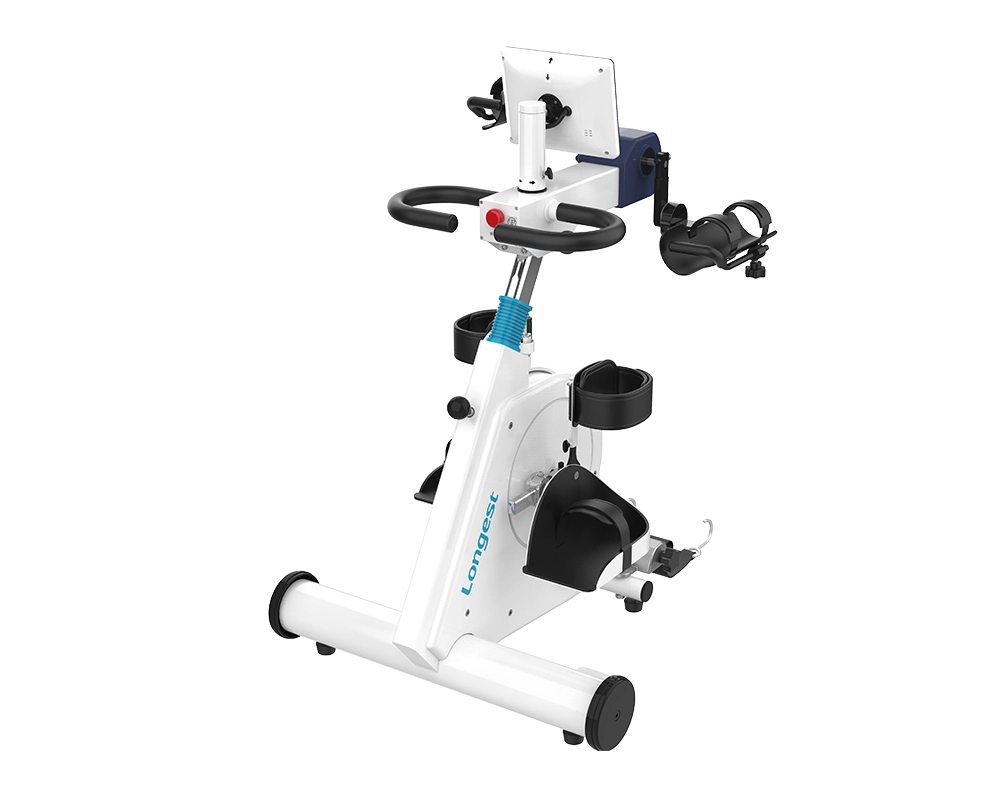
Rehab Bike for Upper and Lower Limbs, Active-Passive Trainer (APT) RehaMoto LGT-5100P
The RehaMoto LGT-5100P is an outstanding device that offers safe, engaging, and efficacious exercise opportunities to individuals whose mobility is restricted due to neurological conditions, injuries, surgical procedures, or musculoskeletal disorders. As an active-passive trainer for both the upper and lower limbs, it features five training modes and several protection mechanisms.
Moreover, it is crafted from top-notch materials with excellent workmanship and showcases a simple, contemporary, and stylish appearance. With its screen upgraded to the Android system, a wider range of applications becomes accessible, thus enhancing convenience and versatility.
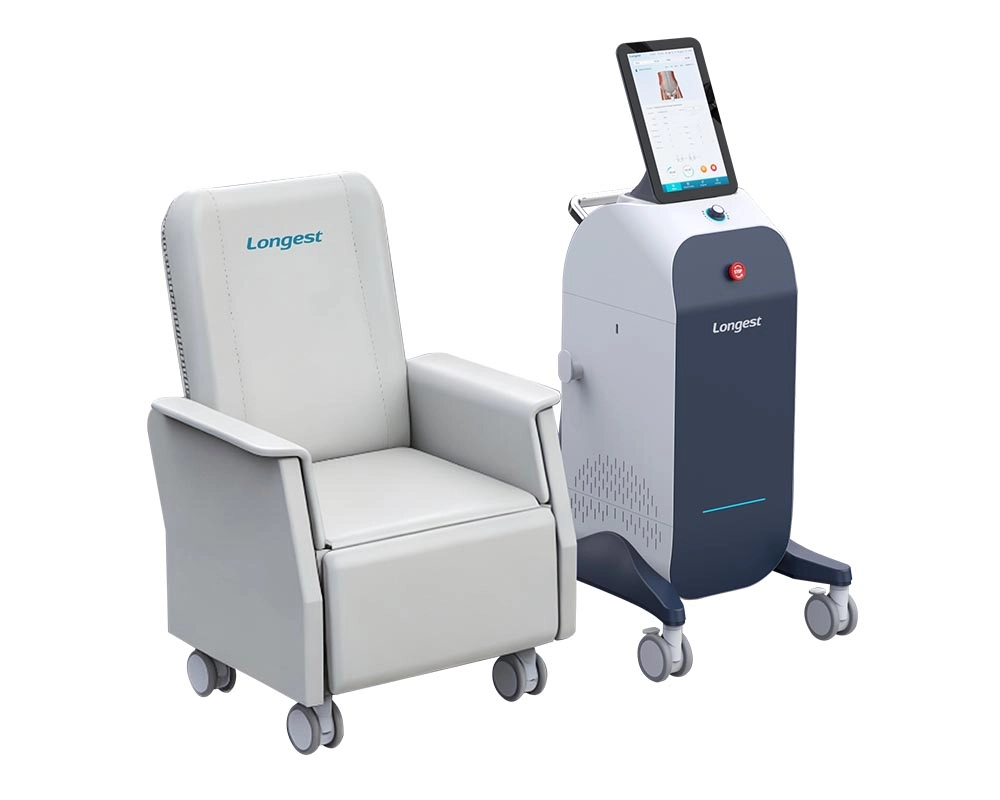
Electromagnetic Stimulator for Pelvic floor rehabilitation LGT-2640AP
The LGT-2640AP Pelvic Floor Magnetic Stimulator is a precision rehabilitation device designed for targeted pelvic floor therapy. Featuring 24 visualized preset protocols (paired with anatomical diagrams), customizable treatment plans, and a pre-adaptation function, it delivers non-invasive, painless stimulation to support postpartum recovery, male pelvic floor rehabilitation, and geriatric pelvic health.
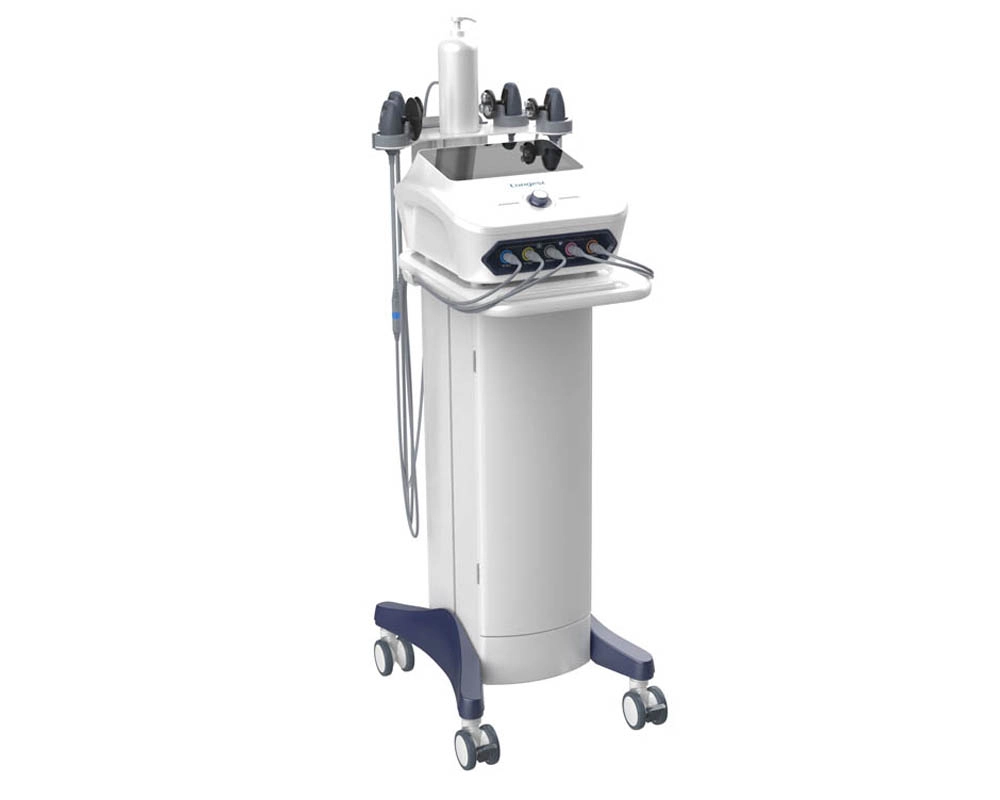
High-Frequency Therapy Device LGT-3500GP(Desktop Design)
LGT-3500GP fits tight spaces without sacrificing performance. Equipped with full TECAR tech, dual tissue-targeting modes, and core safety features, it handles post-op rehab, shallow tissue care, and more—lightweight, durable, and perfect for space-conscious facilities.
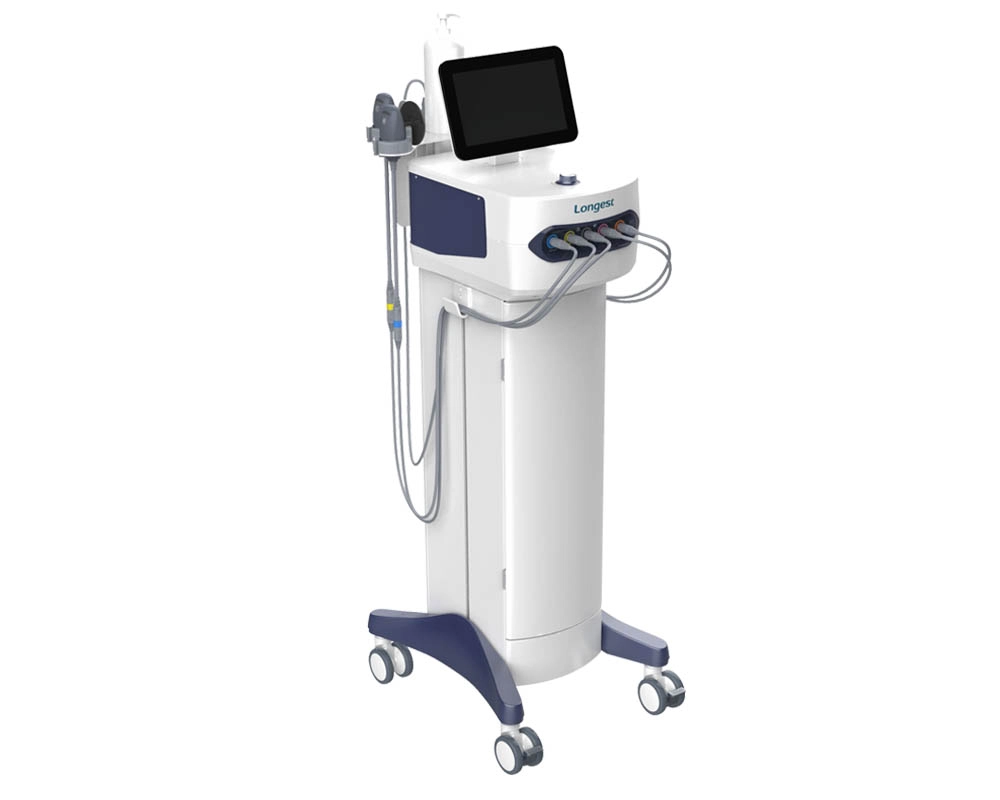
High Frequency Therapy Device LGT-3500LP(Upright Design)
The LGT-3500LP has an upright design with plenty of storage and rolling casters for easy mobility. It uses TECAR Therapy, and it has dual CET/RET modes, 300 KHz~1 MHz frequencies, and safety features like real-time temperature monitoring. This gives you precise, efficient treatments for deep tissue repair and pain relief.

Call us:
+86 020 – 66353999

export@longest.cn

Address:
301 & 401 of Building 2 & Building 3, No. 96, Chuangqiang Road, Ningxi Street, Zengcheng District, Guangzhou, Guangdong Province, 511399, P.R. China.
Tips: The content on this website is a general description of the product.
The final configuration, parameters, and functions of the product may vary in accordance with the regulatory requirements of different countries and regions.
© 2025 Longest Medical. All Rights Reserved. Powered by gooeyun.
LongestMedical
LongestGloba
longest
guangzhou_longest
GzLongest