


Active Passive Trainer Cost in Canada: A Practical Buyer’s Guide
- Introduction: Understanding active passive trainer cost in Canada
- What is an active-passive trainer?
- Typical price ranges for active passive trainers in Canada
- Entry-level CPM and basic passive trainers
- Mid-range motorized arm/leg trainers and combined units
- Advanced robotic and functional trainers
- Rental and leasing options
- Key factors that affect active passive trainer cost in Canada
- 1. Device complexity and functionality
- 2. Target clinical use and load capacity
- 3. Certification, compliance, and safety standards
- 4. Warranty, service agreements and training
- 5. Software licenses and upgrades
- 6. Shipping, import duties and taxes
- Funding, reimbursement and procurement paths in Canada
- Public and institutional procurement
- Private clinics and outpatient practices
- Home use and private insurance
- How to evaluate total cost of ownership (TCO)
- Components of TCO
- Where to buy, lease or rent active passive trainers in Canada
- Authorized distributors and manufacturers
- Medical equipment rental companies
- Used equipment marketplaces
- Choosing the right model: clinical use cases and features to prioritize
- Outpatient clinics
- Hospital and intensive rehab
- Home-based therapy
- Veterinary use
- Procurement checklist for buyers in Canada
- Pre-purchase
- Contract and post-purchase
- Why working with an experienced supplier matters
- About Longest Medical
- Conclusion: Estimating active passive trainer cost in Canada and next steps
- Frequently Asked Questions
Introduction: Understanding active passive trainer cost in Canada
When searching for active passive trainer cost in Canada, buyers—whether clinic owners, hospital procurement officers, therapists, or home users—are usually trying to answer three things: how much will it cost upfront, what will it cost over time, and which model best fits the intended clinical use. This article unpacks price ranges, explains cost drivers, outlines procurement and funding paths in Canada, and provides a pragmatic checklist to help you choose the right active-passive trainer.
What is an active-passive trainer?
An active-passive trainer is a rehabilitation device that assists limb or full-body movement either passively (device moves the patient) or actively (patient initiates movement, device provides resistance or assistance). These machines range from simple continuous passive motion (CPM) units for joint recovery to motorized arm/leg cycle trainers and advanced robotic gait or functional trainers for neurological rehab. They are used in physiotherapy, neurological rehabilitation, postoperative recovery, and veterinary care.
Typical price ranges for active passive trainers in Canada
Prices for active-passive trainers vary widely depending on the type, features, and intended clinical application. The following ranges are approximate market-wide estimates (as of 2024) to help you plan your budget:
Entry-level CPM and basic passive trainers
Typical range: approximately CAD 1,000 to CAD 6,000. These units provide controlled passive motion for joints (knee, shoulder, elbow) and are commonly used for postoperative recovery and simple rehab settings. They are compact and often portable.
Mid-range motorized arm/leg trainers and combined units
Typical range: approximately CAD 4,000 to CAD 25,000. These are motorized cycle trainers or adjustable systems that support active-assisted training, biofeedback, adjustable resistance, and basic software for tracking progress. They are common in outpatient clinics and rehab departments.
Advanced robotic and functional trainers
Typical range: approximately CAD 30,000 to CAD 300,000+. These systems include sophisticated robotics, gait trainers, body-weight support, and integrated software for intensive neurological rehabilitation. They are typically purchased by hospitals and specialized rehab centers.
Rental and leasing options
If you need a unit short-term or want to reduce upfront costs, rental and lease options are available. Typical rental rates vary: short-term rentals might be CAD 100 to CAD 1,500 per week depending on the device; long-term leasing often spreads the cost over 12–60 months with monthly fees that depend on machine value and service inclusions.
Key factors that affect active passive trainer cost in Canada
Understanding the cost drivers helps buyers make informed comparisons and avoid surprises.
1. Device complexity and functionality
Simple CPM devices cost much less than multifunctional trainers with programmable therapy protocols, force feedback, or robotic actuators. Integrated software, touchscreen interfaces, and data logging increase price.
2. Target clinical use and load capacity
Devices designed for hospital use or heavy-duty clinical throughput have higher build quality and cost. Veterinary or pediatric models may have specialized attachments that also affect price.
3. Certification, compliance, and safety standards
Equipment that meets Health Canada registration, IEC medical safety standards, or ISO manufacturing standards can be more expensive due to testing and documentation costs—but these certifications are crucial for clinical settings.
4. Warranty, service agreements and training
Extended warranties and service-level agreements (SLA) increase budget but reduce operational risk. Onsite training, remote support, and preventive maintenance are additional cost factors.
5. Software licenses and upgrades
Some trainers include software updates and analysis platforms; others charge recurring licensing fees. Budget for software maintenance especially for devices that rely on data-driven protocols.
6. Shipping, import duties and taxes
If importing equipment into Canada, anticipate shipping, customs, and provincial sales tax/HST. Local distributors may include delivery and installation in the quote, which simplifies procurement but can raise price.
Funding, reimbursement and procurement paths in Canada
Buyers often ask whether public funding or insurance covers active passive trainers. Coverage varies by province, clinical indication, and care setting.
Public and institutional procurement
Hospitals and public rehab centers typically purchase through centralized procurement processes and may receive capital funding for large-ticket items. Tender processes and vendor prequalification are common.
Private clinics and outpatient practices
Private clinics usually pay out-of-pocket for equipment, though some provincial programs or philanthropic grants may fund specific projects. Clinics often opt for leases to preserve capital.
Home use and private insurance
Private insurance coverage depends on policy terms. Some insurers will cover rental costs or partial purchase for home-use devices prescribed by a clinician. Veterans and workers’ compensation programs may provide funding in eligible cases.
How to evaluate total cost of ownership (TCO)
Beyond purchase price, calculate TCO to compare options fairly.
Components of TCO
- Purchase or lease payments- Installation and setup- Staff training and onboarding- Annual maintenance and service contracts (typically 5–10% of purchase price per year)- Consumables and replacement parts- Software licenses and cloud fees- Downtime costs and productivity impact- Decommissioning or resale valueA simple TCO model helps you decide between a low-cost entry device with higher maintenance vs a High Quality device with inclusive service.
Where to buy, lease or rent active passive trainers in Canada
Choosing a reliable supplier is as important as selecting the device.
Authorized distributors and manufacturers
Buy from authorized Canadian distributors or directly from manufacturers with Canadian support. Authorized dealers provide warranty service, training, and local parts inventory. For example, Longest Medical, founded in 2000, is a global rehabilitation and aesthetic solutions company offering active-passive trainers among other therapy systems—contact them for product specifications and Canadian distribution partners.
Medical equipment rental companies
Specialized rental firms supply rehab devices for short-term use and can provide maintenance and training included in the rental fee—useful for post-op rehab or trial periods.
Used equipment marketplaces
Used devices can reduce upfront costs substantially, but verify service history, calibration, and whether OEM parts and software are still supported. Consider a local inspection and test run before purchase.
Choosing the right model: clinical use cases and features to prioritize
Match the device to your clinical goals and patient population rather than price alone.
Outpatient clinics
Look for compact, durable devices with quick setup, easy-to-use interfaces, and solid warranty/service. Mid-range motorized trainers with active-assist modes are often best for broad patient populations.
Hospital and intensive rehab
Prioritize robust devices with advanced therapy protocols, integration with electronic medical records, infection control features, and vendor SLA commitments.
Home-based therapy
Home units should be lightweight, user-friendly, and have remote monitoring or tele-rehab options so clinicians can track compliance and progress.
Veterinary use
Choose models with animal-compatible attachments and higher weight capacities; factor in cleaning and disinfection needs.
Procurement checklist for buyers in Canada
Use this checklist to streamline procurement and avoid costly oversights.
Pre-purchase
- Define clinical goals and patient profiles.- Identify whether the device needs Health Canada registration.- Request product demos and trial periods.- Compare multiple quotes including shipping, installation, training, and SLA.- Check references from other Canadian clinics or hospitals.
Contract and post-purchase
- Confirm warranty, service response times, and parts availability.- Get a clear maintenance and calibration schedule.- Validate software licensing terms and data ownership.- Schedule staff training and patient onboarding sessions.- Plan for storage, cleaning protocols, and infection control.
Why working with an experienced supplier matters
Reliable suppliers reduce downtime, ensure compliance, and help with clinical implementation. Vendors who provide on-site training, clinical support materials, and robust service contracts deliver better long-term value—even if their initial price is higher. For clinics in Canada, local or well-established international companies with Canadian distribution networks are preferable for faster support and parts delivery.
About Longest Medical
Founded in 2000, Longest Medical is a global leader in rehabilitation and aesthetic solutions focused on non-invasive medical technologies. Their product lines include shock wave therapy, compression therapy, electrotherapy, electrostatic oscillation therapy, cryotherapy, ultrasound therapy, and active-passive trainers. These product lines support physical therapy, neurological rehabilitation, postoperative recovery, veterinary diagnosis and treatment, and medical aesthetics. If you need quotes, technical specifications, or local distributor information for active-passive trainers in Canada, contact Longest Medical or an authorized Canadian partner to request a demo and detailed pricing.
Conclusion: Estimating active passive trainer cost in Canada and next steps
Active passive trainer cost in Canada depends heavily on device type, clinical application, software and service inclusions. As a guideline, expect entry-level CPM devices from roughly CAD 1,000–6,000, mid-range motorized trainers CAD 4,000–25,000, and advanced robotic systems CAD 30,000–300,000+. Always calculate total cost of ownership, verify Health Canada compliance where required, request demos, and compare full-service quotes rather than purchase price alone. For clinically focused purchasing, prioritize devices with strong local support, clear warranty terms, and training to maximize clinical outcomes and return on investment.
Frequently Asked Questions
How much does an active passive trainer cost in Canada?Approximate market ranges (as of 2024) are: entry-level CPM units CAD 1,000–6,000; mid-range motorized arm/leg trainers CAD 4,000–25,000; advanced robotic/functional trainers CAD 30,000–300,000+. Exact prices depend on features, certifications, service agreements, and distributor pricing.
Can I rent or lease an active passive trainer instead of buying?Yes. Rental options are common for short-term needs; leases are available to spread capital costs. Rental rates vary widely by device complexity—ask suppliers for rental and leasing quotes that include service and training.
Will insurance or provincial funding cover the cost?Coverage varies by province, insurer, and clinical indication. Public hospitals typically procure equipment through capital budgets; private insurance may cover rental or purchase if medically prescribed. Check with your provincial health authority or insurer for specifics.
What certifications should I check before buying?Verify Health Canada registration for medical devices (if applicable), IEC/ISO safety standards, and local distributor support. For clinical settings, certified devices reduce procurement risk.
How much should I budget for maintenance and service?Plan for annual service costs and preventive maintenance—commonly 5–10% of purchase price per year depending on device and service level. Include potential costs for replacement parts and software licenses.
How long do active passive trainers last?With proper maintenance, clinical devices can last 5–10+ years. Lifespan depends on usage intensity, preventive maintenance, and availability of replacement parts and software support.
Top electrostatic oscillation device Manufacturers and Suppliers in 2026
Wholesale Lymphatic drainage massage machine manufacturer and supplier
Active Passive Trainer Cost in Russia: Comprehensive Buyer’s Guide for Clinics and Distributors
Comprehensive Guide to Active Passive Trainer Price and Benefits in Rehabilitation Equipment
LGT-233
Does your product come with a warranty?
Yes, we're committed to delivering quality products and excellent after-sales service to enhance your overall experience.
Shockwave
What are the different types of shockwave therapy devices available?
· LGT - 2500S:The most economical ESWT device, it features high durability and can endure up to 2 million pulses.
· LGT -2500S Plus:An ESWT device with integrated vibration massage therapy.
· LGT - 2500X:This ESWT device has a more modern and sleek appearance. Its pressure ranges from 0.3 bar to 5.0 bar. It also provides pre - and post - treatment VAS (Visual Analogue Scale) and range of motion comparisons.
· LGT - 2520GP:A cutting - edge focused shockwave therapy device. It has an adjustable coupling area to reach different depths and offers a wide range of preset protocols with image guidance.
LGT-2320BE
Is there any downtime after using Electrical Stimulation Machine for aesthetic treatments?
Generally, there is little to no downtime. Patients can usually resume their normal activities immediately after the treatment. However, some may experience mild muscle soreness or a tingling sensation in the treated area, which typically subsides within a short period.
2500s plus beauty version
Does your product come with a warranty?
Yes, we're committed to delivering quality products and excellent after-sales service to enhance your overall experience.
Electrotherapy
Who are these devices suitable for?
· LGT-231 is suitable for people who need pain relief (such as chronic strain, acute pain, etc.) and neuromuscular function improvement (such as swallowing disorders, muscle atrophy);
· LGT-233 is suitable for adults suffering from upper motor neuron damage or diseases that cause foot drop;
· LGT-2320BE is suitable for people who want body shaping, facial rejuvenation, postpartum recovery, and muscle strength enhancement. · LGT-2320SP is designed for sports medicine professionals and athletes for sports-related muscle warm-up, training, and rehabilitation.
· GT-2320ME is used to treat chronic pain, soft tissue injuries, certain muscle dysfunctions, etc.
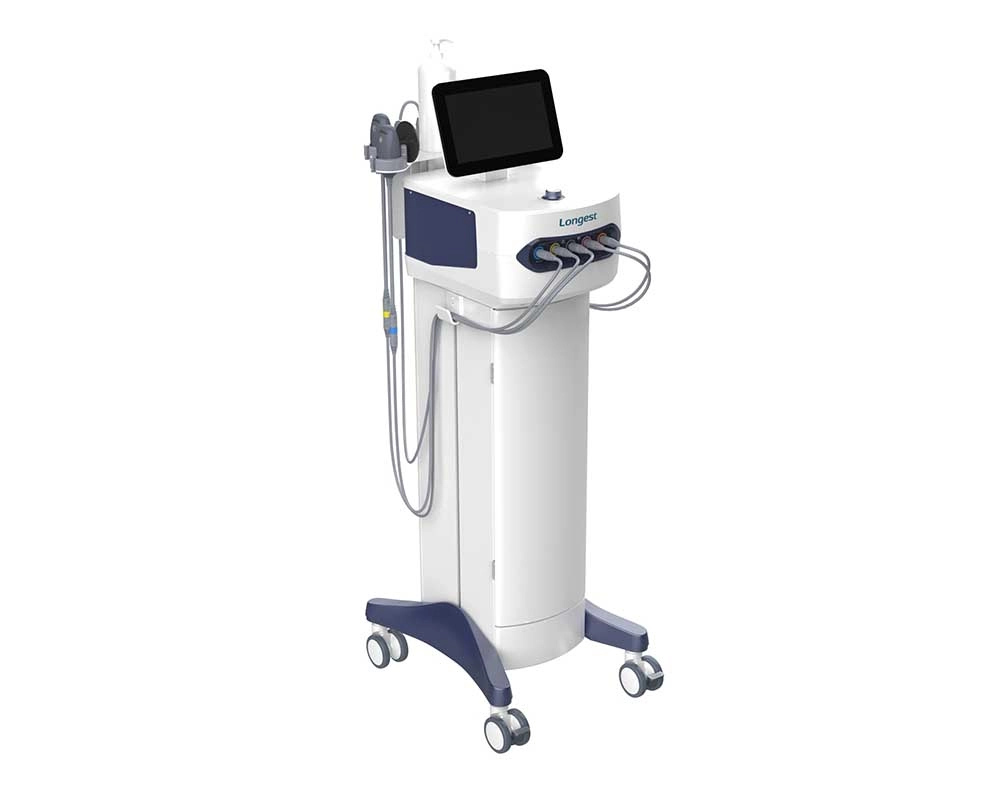
High Frequency Therapy Device LGT-3500LP
The LGT-3500 High Frequency Therapy Device redefines non-invasive electrotherapy. Powered by advanced TECAR Therapy technology, it delivers targeted, safe, and effective treatment for pain management, tissue repair and more—tailored to meet the diverse needs of clinics and hospitals.
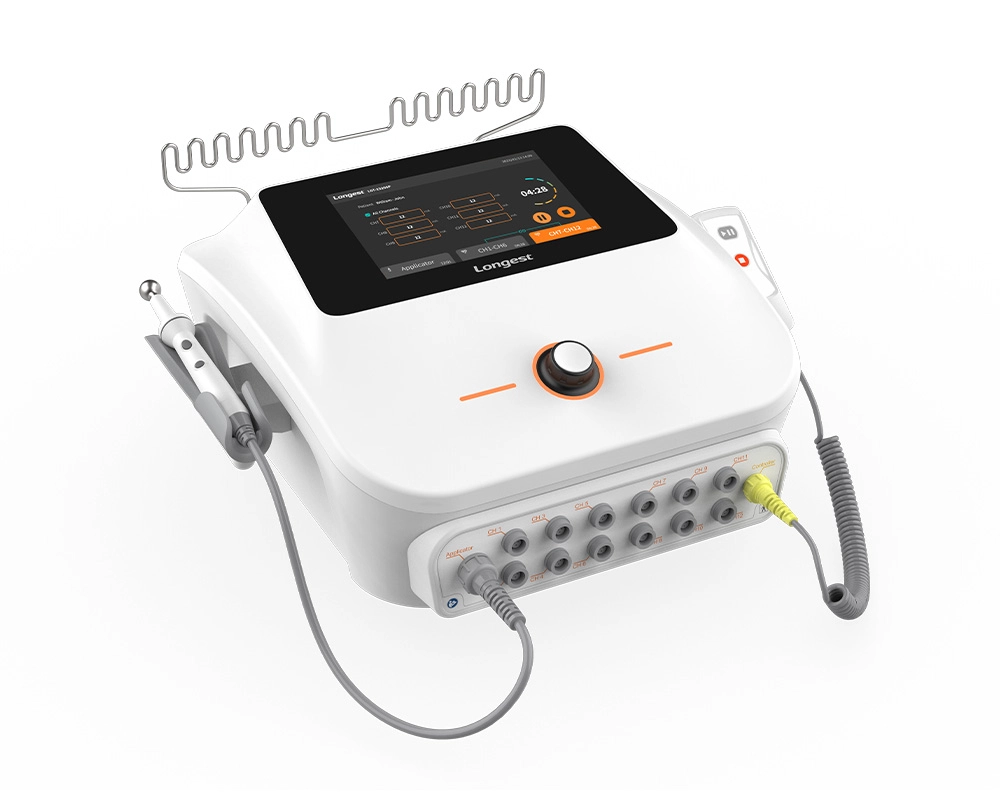
Professional 12-Channel Low-Frequency Electrical Stimulation Machine LGT-2320SP
LGT-2320SP is an advanced electrical stimulation sports training station. It leads to multisite high-efficiency strength gain and realizes bilateral balanced development with motor point detection.
Specifically designed for sports medicine professionals, this device is ideal for the treatment and rehabilitation of sports-related injuries. It delivers precise electrical impulses to targeted areas of the body, promoting pain relief, muscle strengthening, and accelerated recovery.
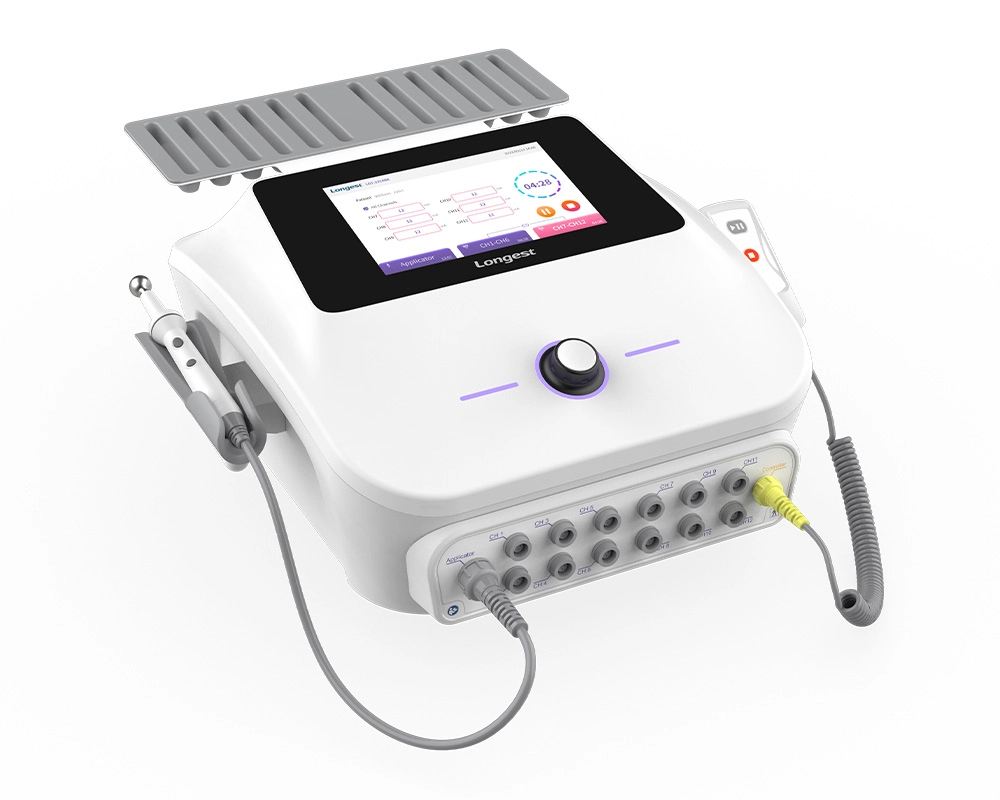
Professional 12-Channel Low-Frequency Electrical Stimulation Machine LGT-2320BE
The LGT-2320BE is an advanced EMS machine, leveraging the power of low-frequency electrical stimulation therapy to achieve remarkable results in body sculpting.
It not only efficiently contours and tones the body but also actively promotes muscle relaxation, relieving tension and soreness. Moreover, it plays a significant role in enhancing skin elasticity, rejuvenating the skin's appearance and suppleness.
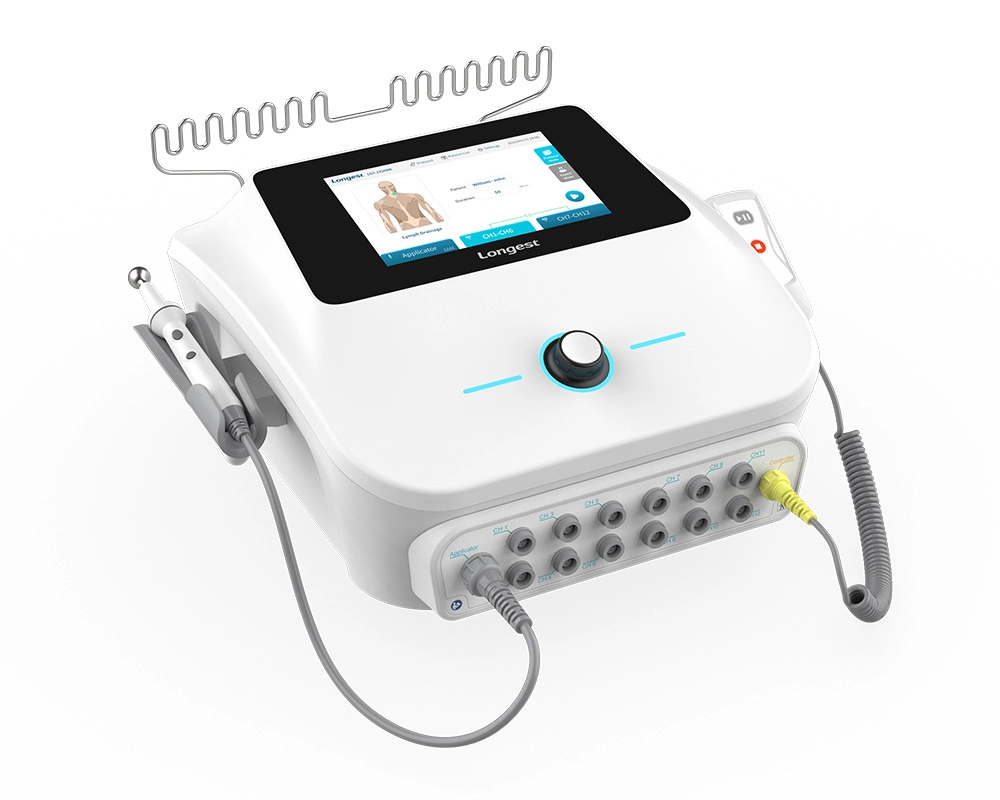
Neuromuscular Electrical Stimulation NMES Machine LGT-2320ME
The LGT-2320ME, a portable electro-stimulation therapy device, is mainly composed of the main unit, a hand switch, a pen electrode controller, and diverse types of electrodes.
It has the capacity to supply three channel groups (CH1-CH6, CH7-CH12, and the Applicator channel) with either TENS or NMES current. Specifically engineered for utilization in hospitals and clinics, this device effectively assists patients in reclaiming lost muscle strength and expedites recovery times, consequently enhancing the overall standard of patient care and bringing about more satisfactory rehabilitation outcomes.

Call us:
+86 020 – 66353999

export@longest.cn

Address:
301 & 401 of Building 2 & Building 3, No. 96, Chuangqiang Road, Ningxi Street, Zengcheng District, Guangzhou, Guangdong Province, 511399, P.R. China.
Tips: The content on this website is a general description of the product.
The final configuration, parameters, and functions of the product may vary in accordance with the regulatory requirements of different countries and regions.
© 2025 Longest Medical. All Rights Reserved. Powered by gooeyun.
LongestMedical
LongestGloba
longest
guangzhou_longest
GzLongest