


Benefits of Using a Shockwave Therapy Device for Pain Relief
- Benefits of Using a Shockwave Therapy Device for Pain Relief
- What is a shockwave therapy device and why it matters
- How electromagnetic focused shockwave works: precision and depth control
- Key clinical benefits of using a shockwave therapy device
- Evidence by condition: what clinical studies show for pain relief
- Focused electromagnetic vs radial shockwave: choosing the right shockwave therapy device
- Safety, contraindications and common side effects
- Treatment planning and expected course using a shockwave therapy device
- How the LGT-2520GP helps clinicians deliver precise, effective pain relief
- Practical benefits for clinics and patients
- Brand advantages and why choose LGT-2520GP for your practice
- Comparative performance snapshot (quick reference)
- FAQs — Frequently Asked Questions about shockwave therapy devices
- Is shockwave therapy painful?
- How many sessions are needed to relieve pain?
- Can shockwave therapy replace surgery?
- Is the LGT-2520GP safe for all patients?
- How do I integrate a shockwave therapy device into my clinic?
- Contact us / See the LGT-2520GP in action
- References and sources
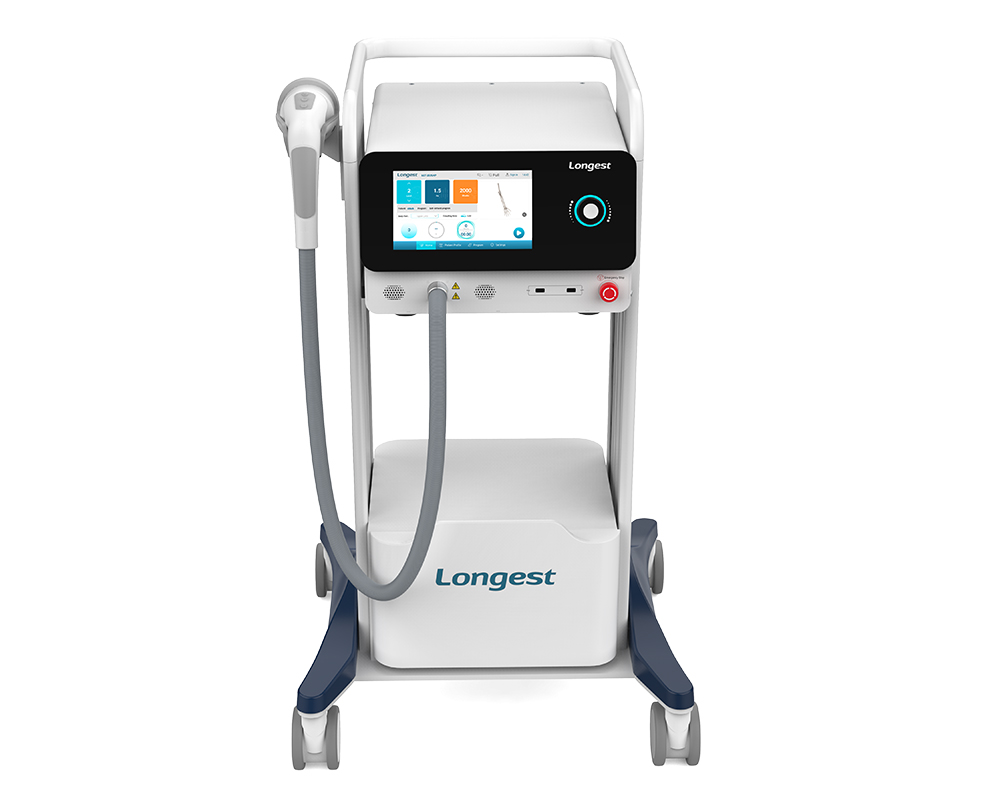
Benefits of Using a Shockwave Therapy Device for Pain Relief
What is a shockwave therapy device and why it matters
Shockwave therapy devices deliver short, high‑energy acoustic pulses into tissue to stimulate biological responses that reduce pain and promote repair. Clinically referred to as extracorporeal shock wave therapy (ESWT), these devices are increasingly used in orthopedics, sports medicine, and rehabilitation for conditions such as tendinopathies, plantar fasciitis, calcific shoulder tendinopathy, and chronic musculoskeletal pain. A modern shockwave therapy device can be an important tool in your clinic to provide rapid, drug‑free pain relief and tissue healing stimulation.
How electromagnetic focused shockwave works: precision and depth control
The Electromagnetic Focused Shockwave Therapy Machine LGT-2520GP incorporates state-of-the-art electromagnetic focused shockwave technology. The device generates a pressure field that converges in an adjustable focal zone at precise depths within targeted tissues, delivering peak pressure exactly where it's needed. This adjustability allows clinicians to localize treatment to the origin of musculoskeletal disorders, improving pain relief while minimizing energy to surrounding structures.
Product brief:
The LGT-2520GP incorporates the state-of-the-art Electromagnetic Shockwave technology. This technology gives rise to a pressure field that converges within the adjustable focus at precise depths within particular tissues, attaining the maximum pressure. It is capable of precisely pinpointing the origin of musculoskeletal disorders, efficiently alleviating pain, facilitating tissue repair, and diminishing inflammation. The adjustable focus feature allows medical professionals to customize the treatment according to the specific requirements of each patient and the nature of their condition.
Key clinical benefits of using a shockwave therapy device
A carefully applied shockwave therapy device can provide several clinically meaningful benefits for patients and clinics alike:
- Rapid pain reduction: Many patients experience measurable pain relief within a few sessions, reducing reliance on analgesics or injections.
- Non‑invasive alternative: Shockwave therapy is a non‑surgical option for chronic tendinopathies and enthesopathies, often delaying or preventing the need for operative intervention.
- Stimulates tissue repair: The mechanical stimulus promotes neovascularization (new blood vessel formation), cellular recruitment and growth factor release that support tendon and soft tissue healing.
- Reduced inflammation: Shockwaves modulate inflammatory mediators and can accelerate the resolution of chronic inflammatory states around tendons and fascia.
- Short treatment time and rapid return to activity: Sessions typically last 10–20 minutes with minimal downtime, enabling faster return to work or sport.
Evidence by condition: what clinical studies show for pain relief
Clinical evidence supports shockwave therapy for several common pain generators. Below is a concise summary of indications with the level of evidence and typical clinical outcomes.
| Condition | Evidence summary | Typical clinical outcome |
|---|---|---|
| Plantar fasciitis | Multiple randomized trials and systematic reviews support ESWT as effective for chronic plantar fasciitis when conservative care has failed. | Reduced pain and improved function in 60–80% of patients in many studies (varies by protocol). |
| Lateral epicondylitis (tennis elbow) | Moderate evidence that ESWT can reduce pain and improve grip strength in chronic cases compared with placebo or some conservative treatments. | Clinically meaningful pain reduction for many patients after a course of treatment. |
| Calcific tendinopathy of the shoulder | Good evidence that focused shockwave therapy can fragment calcific deposits and reduce pain, offering an alternative to invasive procedures. | Many patients achieve pain relief and decreased calcification on imaging. |
| Achilles tendinopathy | Mixed to moderate evidence; ESWT is an adjunct to exercise therapy with reported improvement in pain and function in chronic midportion tendinopathy. | Improved pain and activity tolerance in a proportion of chronic cases. |
Note: Outcomes vary by patient selection, chronicity, shockwave type (focused vs radial), energy settings, and the number of sessions. See references for systematic reviews and RCTs supporting these indications.
Focused electromagnetic vs radial shockwave: choosing the right shockwave therapy device
Not all shockwave therapy devices are the same. Two main categories are focused shockwave devices (electromagnetic, electrohydraulic, piezoelectric) and radial pressure wave devices. Key differences:
- Focus and depth: Focused devices concentrate energy at a defined focal point at variable depths — ideal for precise targeting of deep tendon insertions. Radial devices disperse energy superficially and are often used for more diffuse, superficial conditions.
- Energy and penetration: Focused electromagnetic systems can deliver higher peak pressures at depth compared with radial systems.
- Clinical application: For deep calcific deposits or targeted enthesopathies, an electromagnetic focused shockwave device like the LGT-2520GP may provide superior localization and efficacy.
| Feature | Electromagnetic Focused (e.g., LGT-2520GP) | Radial Pressure Wave |
|---|---|---|
| Energy focus | Adjustable focal zone with high peak pressure | Broad, superficial energy distribution |
| Depth control | Precise depth adjustment for deep targets | Limited depth; better for superficial tissues |
| Typical indications | Calcific tendinopathy, deep enthesopathies, chronic plantar fasciitis | Myofascial pain, superficial tendinopathy |
Sources for comparative data are summarized in the references at the end of this article.
Safety, contraindications and common side effects
Shockwave therapy is generally well tolerated. Common short‑term side effects include transient local pain, bruising, or numbness at the treatment site. Serious complications are rare when protocols are followed. Contraindications typically include pregnancy, local malignancy, coagulation disorders or anticoagulation without physician clearance, and open growth plates in children. Implantable electronic devices (e.g., pacemakers) require careful consideration relative to the device type and settings.
Treatment planning and expected course using a shockwave therapy device
Treatment protocols vary by condition, device, and clinic. A common course includes 3–6 sessions spaced 1–2 weeks apart, with each session lasting 10–20 minutes. Energy flux density and focal depth are adjusted to patient tolerance and the targeted tissue. Combining shockwave therapy with targeted exercise therapy and load management often yields the best long‑term results.
How the LGT-2520GP helps clinicians deliver precise, effective pain relief
The Electromagnetic Focused Shockwave Therapy Machine LGT-2520GP is designed to provide clinicians with a highly controllable and reproducible focal shockwave source. Key attributes that translate into better clinical outcomes include:
- Adjustable focus depth: Allows accurate targeting of deep tendon insertions and calcified deposits without excessive energy to superficial tissues.
- Consistent electromagnetic generation: Produces reproducible pulses for reliable dosing session to session.
- Customizable protocols: Clinicians can tailor energy, focal depth, and pulse count to the patient’s condition and pain tolerance.
- Ergonomic applicators: Facilitate precise placement and efficient workflow in busy clinics.
Practical benefits for clinics and patients
Adopting an advanced shockwave therapy device such as the LGT-2520GP offers operational and patient care advantages:
- Non‑drug, non‑surgical option: Offers patients a conservative, office‑based treatment with low complication rates.
- Rapid turnaround: Short session times increase clinic throughput.
- High patient satisfaction: Fast symptom relief and functional gains increase retention and referrals.
- Revenue diversification: Adds a billable, evidence‑based modality to musculoskeletal service lines.
Brand advantages and why choose LGT-2520GP for your practice
When selecting a shockwave therapy device, clinicians should evaluate evidence, engineering quality, service and training. The LGT-2520GP offers the following brand advantages:
- Clinical precision: Electromagnetic focused delivery with adjustable focal depth to match pathology and patient anatomy.
- Proven technology base: Electromagnetic focused shockwave systems have a strong track record in comparative clinical research for deep tendinopathies and calcific deposits.
- Support and training: Comprehensive setup, clinical protocol training, and ongoing technical support minimize time to clinic proficiency.
- Cost‑to‑benefit: Efficient treatment times and high patient throughput improve amortization compared with some other high‑cost interventional options.
Comparative performance snapshot (quick reference)
Below is a brief comparison of treatment characteristics between typical focused electromagnetic devices (like the LGT-2520GP) and common alternatives:
| Metric | Electromagnetic Focused (LGT-2520GP) | Radial Pressure Wave | Injection Therapies |
|---|---|---|---|
| Tissue targeting | High precision / adjustable depth | Low precision / superficial | Local chemical effect |
| Procedure invasiveness | Non‑invasive | Non‑invasive | Minimally invasive (needle) |
| Typical side effects | Transient pain, bruising | Transient pain, redness | Infection risk, tissue irritation |
| Evidence for chronic tendon pain | Strong for many indications | Variable | Variable; often short‑term relief |
FAQs — Frequently Asked Questions about shockwave therapy devices
Is shockwave therapy painful?
Some patients experience discomfort during treatment, which is generally transient. Energy and pulse settings can be adjusted to patient tolerance. Post‑treatment soreness is possible but usually resolves within a few days.
How many sessions are needed to relieve pain?
Typical courses are 3–6 sessions spaced 1–2 weeks apart. Some conditions may require fewer or additional sessions depending on chronicity and response.
Can shockwave therapy replace surgery?
For many chronic tendinopathies and calcific deposits, shockwave therapy provides a non‑surgical alternative. Some patients still require surgery if they fail conservative measures, but ESWT can reduce the need for operative intervention in a significant proportion.
Is the LGT-2520GP safe for all patients?
Most patients tolerate the LGT-2520GP well; however, standard contraindications apply (pregnancy, local malignancy, uncontrolled anticoagulation, etc.). A clinical assessment should precede treatment.
How do I integrate a shockwave therapy device into my clinic?
Train clinicians on device settings, treatment planning and patient selection. Combine shockwave therapy with structured exercise and load management for best outcomes. The LGT-2520GP is designed for straightforward protocols and clinic workflow.
Contact us / See the LGT-2520GP in action
If you would like to learn more about the Electromagnetic Focused Shockwave Therapy Machine LGT-2520GP, schedule a demo, or discuss treatment protocols for your patient population, contact our clinical team. We offer hands‑on demonstrations, protocol support, and training to help you integrate this evidence‑based shockwave therapy device into your practice.
References and sources
- International Society for Medical Shockwave Treatment (ISMST) — Position statements and clinical guidance on shockwave therapy applications and protocols.
- Systematic reviews and meta‑analyses on ESWT for plantar fasciitis, tendinopathy and calcific tendinopathy (peer‑reviewed journals; see PubMed listings for pooled RCT data).
- Randomized controlled trials and clinical studies by Gerdesmeyer et al., Rompe et al., and others evaluating focused and radial shockwave therapy across common musculoskeletal indications.
- Clinical practice summaries and device technology reviews (orthopedics and sports medicine literature) describing focused vs radial modalities.
For detailed study citations and the most recent evidence, contact our clinical support team and we will provide peer‑reviewed references matched to your specific clinical questions.
Note: This article is for informational purposes and does not replace clinical judgment. Individual patient assessment and device training are required prior to clinical use.
Future Trends: AI, Wearables and Electrotherapy Devices
Patient Success Stories: Recoveries with Shockwave Therapy
Tips for buy best chiropractic rehab equipment for athletes
The Focused Shockwave Therapy Device Cost Guide
LGT-2500F Copywriting - Physical Therapy Edition
Is acoustic wave therapy safe and what are the side effects?
Acoustic wave therapy is extremely safe. Minor side effects like mild bruising, swelling, pain, numbness, or tingling in the treated area may occur, but they recover quickly and don't affect daily activities.
LGT-2640AP Electromagnetic Stimulator for Pelvic Floor Rehabilitation
What are the absolute contraindications for using the LGT-2640AP Electromagnetic Stimulator?
The absolute contraindications for using the LGT-2640AP include:
① Presence of magnetic metal implants (such as cochlear implants, cardiac pacemakers, and stents) in the treatment target area (non-magnetic metals like titanium alloy are usually safe).
② Malignant tumors.
③ Abdomen and lower abdomen of pregnant women.
④ Severe arrhythmia.
⑤ Acute bleeding.
Cryotherapy
What are the benefits of cryotherapy?
· Cryotherapy offers several potential benefits, including skin rejuvenation, reduction of inflammation and swelling, targeting cellulite, and potential athletic performance and recovery benefits.
· Cryotherapy can help improve skin tone, reduce the appearance of wrinkles and sagging skin, promote collagen production, and tighten the skin.
· It can also aid in reducing inflammation and swelling, making it beneficial for post - surgical recovery and managing conditions like arthritis.
· Additionally, cryotherapy shows promise in targeting cellulite and aiding in body sculpting efforts. Athletes often turn to cryotherapy for faster recovery, reduced muscle soreness, and improved performance.
LGT-2510B Copywriting - Physical Therapy Edition
How does PowerShocker LGT - 2510B assist with patient management?
It can save patients' information and treatment records. This gives caregivers access to valuable patient data, enabling them to make more informed decisions and achieve better treatment results.
LGT-2200DVT
When are DVT pumps used?
DVT pumps are commonly used in hospitals after surgery or for individuals at risk of developing blood clots. They can be used prophylactically to prevent DVT or therapeutically to treat existing clots.
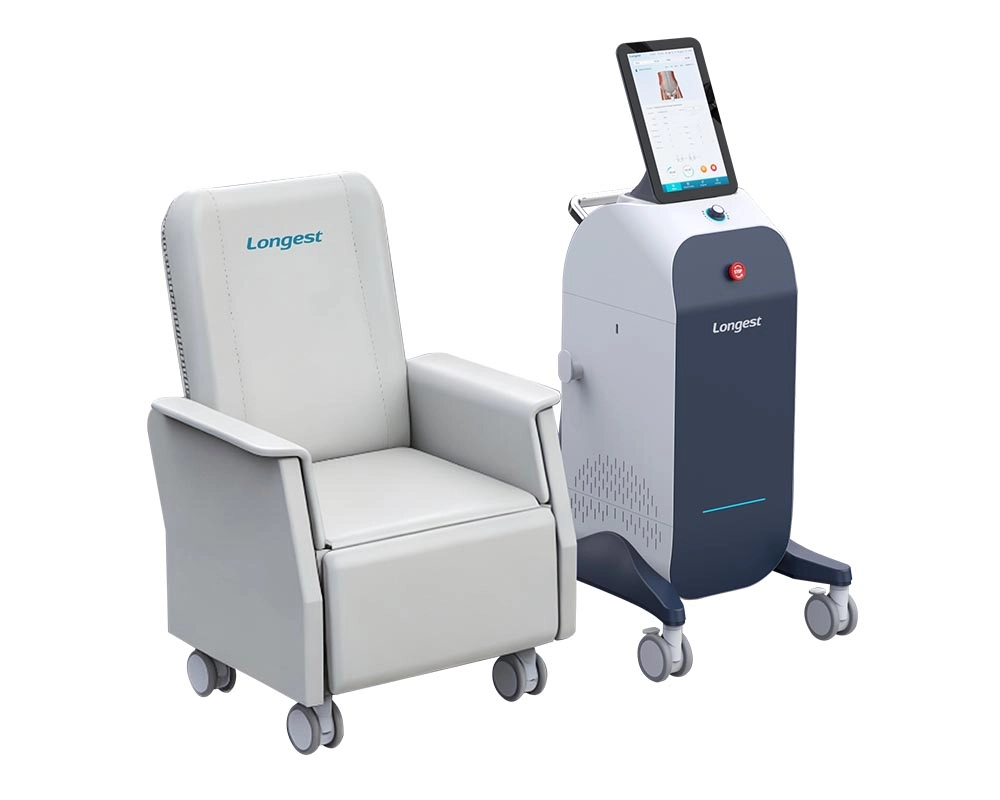
Electromagnetic Stimulator for Pelvic floor rehabilitation LGT-2640AP
The LGT-2640AP Pelvic Floor Magnetic Stimulator is a precision rehabilitation device designed for targeted pelvic floor therapy. Featuring 24 visualized preset protocols (paired with anatomical diagrams), customizable treatment plans, and a pre-adaptation function, it delivers non-invasive, painless stimulation to support postpartum recovery, male pelvic floor rehabilitation, and geriatric pelvic health.
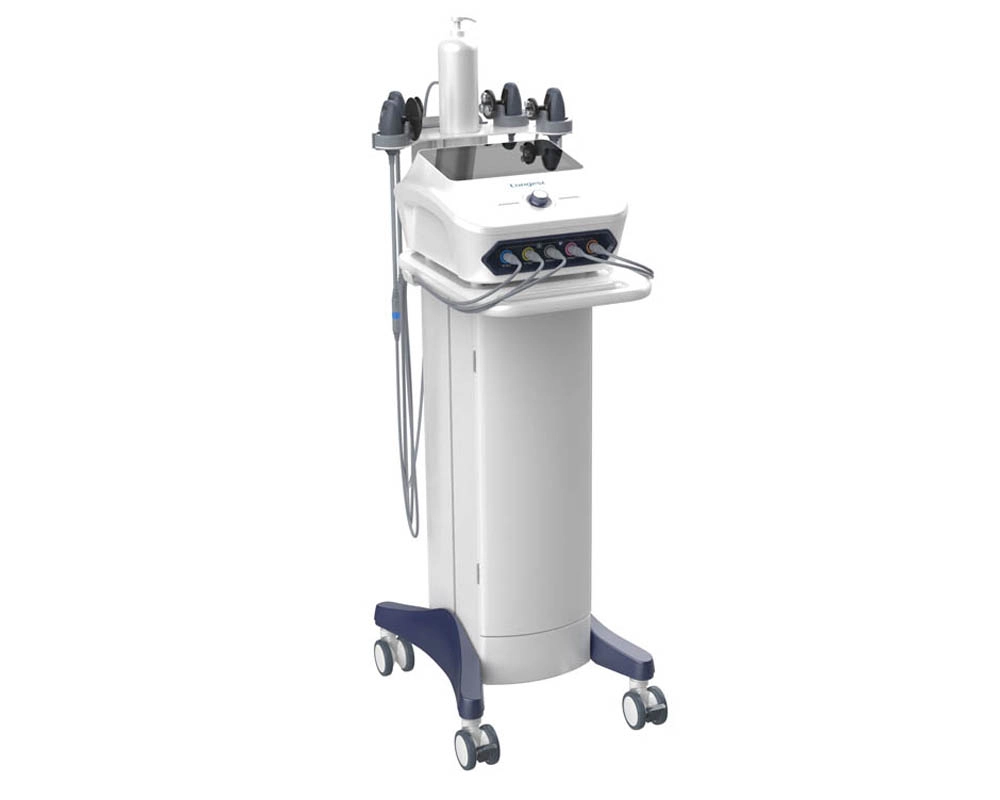
High-Frequency Therapy Device LGT-3500GP(Desktop Design)
LGT-3500GP fits tight spaces without sacrificing performance. Equipped with full TECAR tech, dual tissue-targeting modes, and core safety features, it handles post-op rehab, shallow tissue care, and more—lightweight, durable, and perfect for space-conscious facilities.
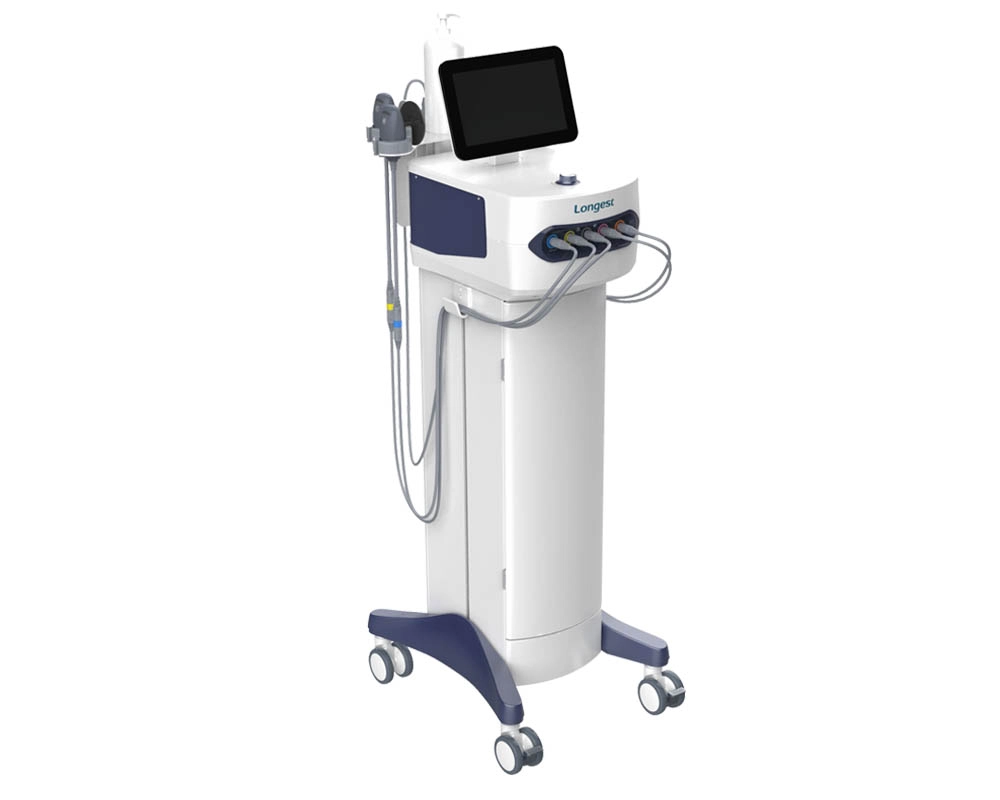
High Frequency Therapy Device LGT-3500LP(Upright Design)
The LGT-3500LP has an upright design with plenty of storage and rolling casters for easy mobility. It uses TECAR Therapy, and it has dual CET/RET modes, 300 KHz~1 MHz frequencies, and safety features like real-time temperature monitoring. This gives you precise, efficient treatments for deep tissue repair and pain relief.
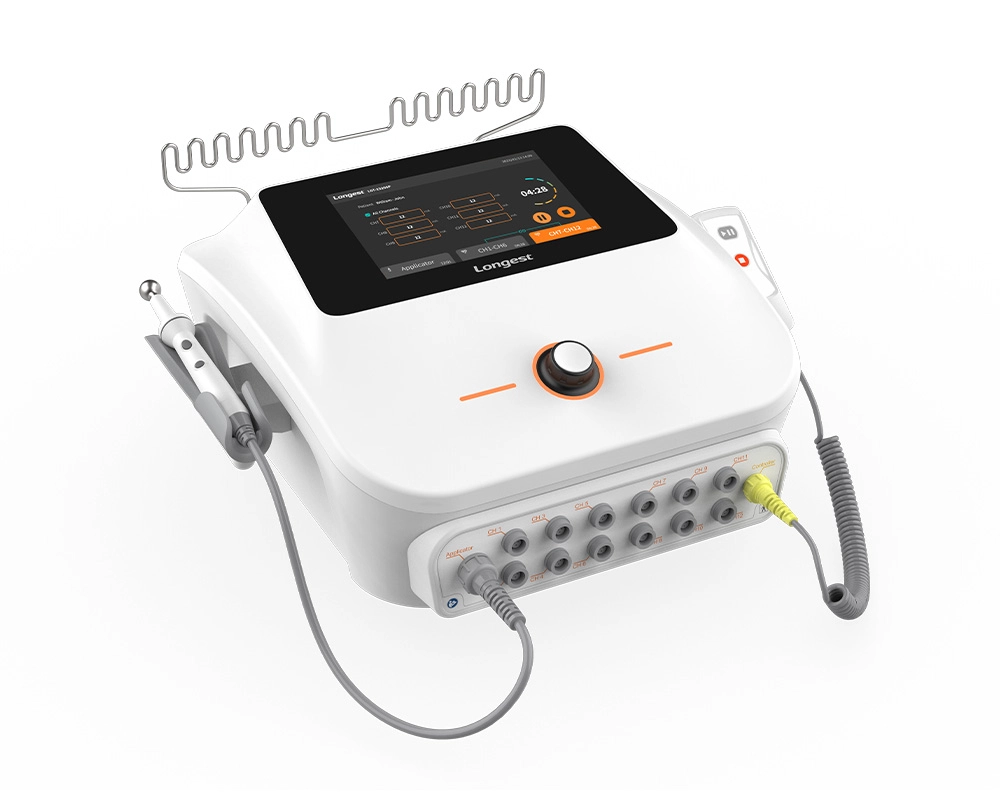
Professional 12-Channel Low-Frequency Electrical Stimulation Machine LGT-2320SP
LGT-2320SP is an advanced electrical stimulation sports training station. It leads to multisite high-efficiency strength gain and realizes bilateral balanced development with motor point detection.
Specifically designed for sports medicine professionals, this device is ideal for the treatment and rehabilitation of sports-related injuries. It delivers precise electrical impulses to targeted areas of the body, promoting pain relief, muscle strengthening, and accelerated recovery.

Call us:
+86 020 – 66353999

export@longest.cn

Address:
301 & 401 of Building 2 & Building 3, No. 96, Chuangqiang Road, Ningxi Street, Zengcheng District, Guangzhou, Guangdong Province, 511399, P.R. China.
Tips: The content on this website is a general description of the product.
The final configuration, parameters, and functions of the product may vary in accordance with the regulatory requirements of different countries and regions.
© 2025 Longest Medical. All Rights Reserved. Powered by gooeyun.
LongestMedical
LongestGloba
longest
guangzhou_longest
GzLongest