


Treatment Protocols: Best Practices Using LGT-2500X
- Treatment Protocols: Best Practices Using LGT-2500X
- Introduction to the PowerShocker LGT-2500X shockwave therapy device
- Why choose a radial shockwave therapy device for musculoskeletal care?
- Clinical indications and evidence base for using the LGT-2500X shockwave therapy device
- Primary indications (where evidence is strongest)
- Patient selection, contraindications, and informed consent for the LGT-2500X
- Selecting appropriate patients
- Contraindications and precautions
- Preparing the clinic and patient for treatment with the PowerShocker LGT-2500X
- Room setup and infection control
- Patient education and positioning
- Practical treatment protocols: recommended settings for common conditions using the LGT-2500X
- Typical parameter definitions
- Comparison table: common indications and sample protocols for a shockwave therapy device
- Step-by-step treatment workflow using PowerShocker LGT-2500X
- Before the first pulse
- During treatment
- After treatment
- Safety, adverse effects, and troubleshooting with the LGT-2500X shockwave therapy device
- Common, expected reactions
- When to stop or modify treatment
- Integrating shockwave with rehabilitation and other treatments
- Device maintenance, calibration, and staff training
- Why PowerShocker LGT-2500X stands out: brand advantages for clinics
- Measuring outcomes and documenting success
- Frequently Asked Questions (FAQ)
- 1. How many treatments with the LGT-2500X are usually needed?
- 2. Is the treatment painful?
- 3. Can I use LGT-2500X after corticosteroid injections?
- 4. How soon will patients feel improvement?
- 5. What maintenance or calibration does the LGT-2500X need?
- Contact and next steps — see PowerShocker LGT-2500X in your clinic
- References and Further Reading

Treatment Protocols: Best Practices Using LGT-2500X
Introduction to the PowerShocker LGT-2500X shockwave therapy device
PowerShocker LGT-2500X is a compressed pneumatic ballistic shockwave therapy device, bringing the most advanced way to treat musculoskeletal disorders with quality, speed, and ease. With High Quality features and a sleek design, it is a premier solution for clinics to streamline workflow, increase efficiency, and improve patient care.
Why choose a radial shockwave therapy device for musculoskeletal care?
Radial shockwave therapy (rESWT) has become a standard option for a range of chronic and subacute tendinopathies and soft-tissue conditions. As a shockwave therapy device, the radial approach provides a broader, superficial energy distribution ideal for insertional tendon disorders, myofascial trigger points, and periosteal pain. Clinical literature supports its use for conditions such as plantar fasciitis, Achilles tendinopathy, lateral epicondylopathy (tennis elbow), and patellar tendinopathy when conservative measures have failed.
Clinical indications and evidence base for using the LGT-2500X shockwave therapy device
Primary indications (where evidence is strongest)
- Chronic plantar fasciitis (heel pain) unresponsive to conservative care
- Lateral epicondylitis (tennis elbow) with persistent symptoms
- Chronic insertional Achilles tendinopathy
- Patellar tendinopathy and jumper's knee
- Myofascial trigger points and superficial soft-tissue scarring
Evidence for rESWT includes randomized controlled trials and systematic reviews showing meaningful pain reduction and functional improvement for many of these conditions. Best outcomes are usually seen when rESWT is integrated with a brief rehabilitation program (home exercise, eccentric loading where appropriate).
Patient selection, contraindications, and informed consent for the LGT-2500X
Selecting appropriate patients
Good candidates are adults with chronic or subacute musculoskeletal conditions (>6 weeks) who have not improved with standard conservative treatments (rest, physical therapy, orthoses, NSAIDs). Consider rESWT for patients seeking non-invasive care or for whom corticosteroid injection is undesirable.
Contraindications and precautions
Absolute contraindications typically include: pregnancy, local malignancy, untreated coagulopathy, and the presence of an open growth plate in children. Relative contraindications include anticoagulant therapy (risk vs benefit), local infection, or a cardiac pacemaker located near the treatment site (consult device manual). Always review patient medication and bleeding risk and obtain informed consent explaining expected benefits, risks, and alternatives.
Preparing the clinic and patient for treatment with the PowerShocker LGT-2500X
Room setup and infection control
Ensure a comfortable treatment couch, clear access to the target region, and adequate space for the device. Use single-use or appropriately sterilized coupling interfaces per your clinic protocol. Clean the skin area and apply coupling gel. Verify device calibration per manufacturer recommendations before the first session each day.
Patient education and positioning
Explain the sensation (tapping/pulsing; transient discomfort possible). Position the patient to allow relaxed muscles and easy access. Mark the target area if needed and locate painful/trigger points by palpation.
Practical treatment protocols: recommended settings for common conditions using the LGT-2500X
Radial devices deliver pressure and frequency rather than focused energy flux density—protocols should be adapted to patient tolerance and clinical response. Below are evidence-informed starting ranges used in clinical practice. Adjust intensity progressively to a tolerable but effective level. Use these as templates, not rigid rules.
Typical parameter definitions
- Pulses: total shockwave impacts per session (commonly 1000–3000)
- Frequency (Hz): pulses per second (commonly 4–15 Hz)
- Pressure (bar): device output pressure for radial systems (commonly 1.5–4.5 bar)
- Sessions: number of treatments in a therapeutic course (commonly 3–6)
- Interval: time between sessions (commonly 5–14 days)
Comparison table: common indications and sample protocols for a shockwave therapy device
| Indication | Session pulses | Frequency (Hz) | Pressure (bar) | Sessions & Interval | Evidence level |
|---|---|---|---|---|---|
| Plantar fasciitis | 1500–2500 | 8–15 | 2.0–3.5 | 3 sessions, 1 week apart (or 3–5 sessions) | Moderate–High (RCTs & meta-analyses) |
| Lateral epicondylitis (tennis elbow) | 1500–2000 | 8–12 | 2.0–3.0 | 3–5 sessions, 1 week apart | Moderate (RCTs show benefit vs placebo) |
| Insertional Achilles tendinopathy | 1500–2500 | 6–12 | 2.0–3.5 | 3–5 sessions, 1–2 weeks apart | Moderate |
| Patellar tendinopathy | 1500–3000 | 6–10 | 2.0–3.5 | 3–5 sessions, 1 week apart | Moderate |
Notes: Ranges reflect published clinical practice and RCT protocols for radial shockwave therapy devices. Individual patient tolerance and response should guide adjustments. Sources: systematic reviews and clinical trials available via PubMed, ISMST resources, and Cochrane reviews.
Step-by-step treatment workflow using PowerShocker LGT-2500X
Before the first pulse
- Confirm indication, complete informed consent and document baseline pain/function scores (VAS, patient-specific functional scale).
- Inspect and mark treatment area; apply coupling gel.
- Select an initial low-to-moderate pressure and frequency to assess tolerance (for example, 2.0 bar at 8 Hz for radial therapy).
During treatment
- Start with a short test run (10–20 pulses) and ask the patient about sensation.
- Increase to target pulse count and gradually raise pressure to the therapeutically effective but tolerable level.
- Keep the applicator perpendicular to the skin; move at a steady pace for area coverage or focus on trigger points with brief stationary pulses.
- Monitor patient comfort; brief breaks can improve tolerance without reducing efficacy.
After treatment
Document device settings, pulse count, and patient feedback. Advise patients on expected soreness for 24–48 hours and recommend ice if needed. Encourage continuation of a prescribed rehabilitation program—gradual loading, stretching, and function-specific exercises as indicated.
Safety, adverse effects, and troubleshooting with the LGT-2500X shockwave therapy device
Common, expected reactions
Transient local pain or soreness, minor bruising, and temporary swelling are common and usually self-limited. Post-treatment soreness typically resolves within 48–72 hours.
When to stop or modify treatment
Stop if there is intense, worsening pain, signs of infection, or unexpected neurologic symptoms. Reduce pressure or pulse count for patients who experience significant discomfort. Reassess care plan for non-responders after 3 sessions—consider alternative or adjunct therapies.
Integrating shockwave with rehabilitation and other treatments
Optimal outcomes occur when shockwave therapy is combined with structured rehabilitation: eccentric strengthening for tendinopathy, progressive loading, and movement retraining. Avoid routine corticosteroid injections immediately before/after rESWT as they may blunt biological responses. Use shared decision-making to sequence interventions (e.g., start rESWT and begin rehab within 48–72 hours).
Device maintenance, calibration, and staff training
Adhere to the manufacturer's recommended preventive maintenance and calibration schedule. Train staff on device settings, safety checks, and clinical protocols. Keep written SOPs for common indications and maintain records of device usage and outcomes to build practice-level evidence.
Why PowerShocker LGT-2500X stands out: brand advantages for clinics
When selecting a shockwave therapy device for practice, consider performance, workflow, and patient experience. The PowerShocker LGT-2500X offers:
- Compressed pneumatic ballistic design delivering consistent radial pressure suitable for a broad range of superficial musculoskeletal conditions.
- Intuitive control panel and presets that streamline treatment setup and reduce training time, improving clinic throughput.
- Sleek, ergonomic applicator design for clinician comfort and precise targeting.
- Robust build quality and service support to minimize downtime and ensure long-term return on investment.
- Compatibility with standard clinical protocols while enabling parameter customization for experienced users.
These attributes make LGT-2500X a practical choice for clinics wanting an evidence-aligned shockwave therapy device that balances efficacy, efficiency, and patient comfort.
Measuring outcomes and documenting success
Use standardized outcome measures (pain VAS/NRS, condition-specific functional scales, return-to-activity timelines) and photo or ultrasound documentation where appropriate. Track outcomes across your patient population to refine protocols and demonstrate value to payers or referrers.
Frequently Asked Questions (FAQ)
1. How many treatments with the LGT-2500X are usually needed?
Most patients receive 3–5 sessions spaced 1 week apart for common indications. Some chronic conditions may need up to 6 sessions. Evaluate progress after 3 sessions and adapt the plan.
2. Is the treatment painful?
Patients typically describe a tapping or pressure sensation. Mild to moderate discomfort can occur but is transient. You can adjust pressure or frequency to maximize tolerability. Routine local anesthesia is generally not recommended because it may reduce effectiveness.
3. Can I use LGT-2500X after corticosteroid injections?
It is preferable to allow a washout period (several weeks) after corticosteroid injections, as steroids may interfere with the biological processes triggered by shockwave therapy. Coordinate treatment timing based on clinical judgment.
4. How soon will patients feel improvement?
Some patients report symptom relief after 1–2 sessions; however, peak benefits often appear 4–12 weeks after treatment as tissue remodeling occurs. Document baseline and follow-up measures to assess progress objectively.
5. What maintenance or calibration does the LGT-2500X need?
Follow the manufacturer's maintenance schedule. Daily visual checks, regular cleaning of applicators, and periodic professional calibration/service help ensure consistent output and safety.
Contact and next steps — see PowerShocker LGT-2500X in your clinic
If you want to evaluate how the PowerShocker LGT-2500X can fit into your clinic’s treatment pathways, contact our sales team for a demo, clinical training package, and ROI discussion. To arrange a product demo or request pricing and clinical support materials, please contact sales or view the product page.
Call-to-action: Contact sales for a demo or view product specifications to start integrating the PowerShocker LGT-2500X shockwave therapy device into your practice.
References and Further Reading
Reliable sources for clinical evidence, guidelines, and reviews on radial extracorporeal shockwave therapy:
- International Society for Medical Shockwave Therapy (ISMST) — clinical resources and consensus material: https://www.ismst.org
- PubMed — database of clinical trials, randomized controlled trials, and systematic reviews for extracorporeal shockwave therapy: https://pubmed.ncbi.nlm.nih.gov
- Cochrane Library — systematic reviews related to musculoskeletal interventions and shockwave therapy: https://www.cochranelibrary.com
- NICE (National Institute for Health and Care Excellence) — device and intervention guidance resources: https://www.nice.org.uk
Note: Protocol parameters provided in this article reflect ranges commonly reported in the literature and clinical practice. Always adapt to patient-specific factors and follow local regulations and manufacturer instructions for use.
Effective Lipoedema Natural Treatment Solutions for Lasting Relief
Wholesale dvt machine manufacturer and supplier
Safe and Effective Exercises for Cardiac Rehab at Home: A Comprehensive Guide
Difference Between DVT Leg Pump and Lymphedema
Electromagnetic Stimulator
What is the core principle of magnetic stimulation therapy?
Based on the principle of Faraday's electromagnetic induction, the pulsed magnetic field generated by electric current passing through a coil can penetrate the skin and bones, produce an induced current in human tissues, and then stimulate deep nerves, muscles and bones to achieve therapeutic purposes.
LGT-2500S
What is the product status of the PowerShocker LGT-2500S?
The PowerShocker LGT-2500S is the first independently developed pneumatic ballistic extracorporeal shockwave with NMPA certification in China. It is also the first to obtain CE medical registration and be certified by and become a member of ISMST in China.
LGT - 2510B
How does PowerShocker LGT - 2510B assist with patient management?
It can save patients' information and treatment records. This gives caregivers access to valuable patient data, enabling them to make more informed decisions and achieve better treatment results.
2500X
Can acoustic wave therapy reduce scars?
Yes. Acoustic wave therapy can reduce scars. It promotes collagen production and remodeling, accelerates cell regeneration, and lessens the appearance of acne scars, surgical scars, and stretch marks.
LGT-2410S W
How do I maintain the rehab bike?
Regular maintenance includes cleaning the bike after each use, checking for any loose parts or screws, lubricating moving components as recommended by the manufacturer, and storing it in a dry and safe place. The user manual will provide detailed maintenance instructions.
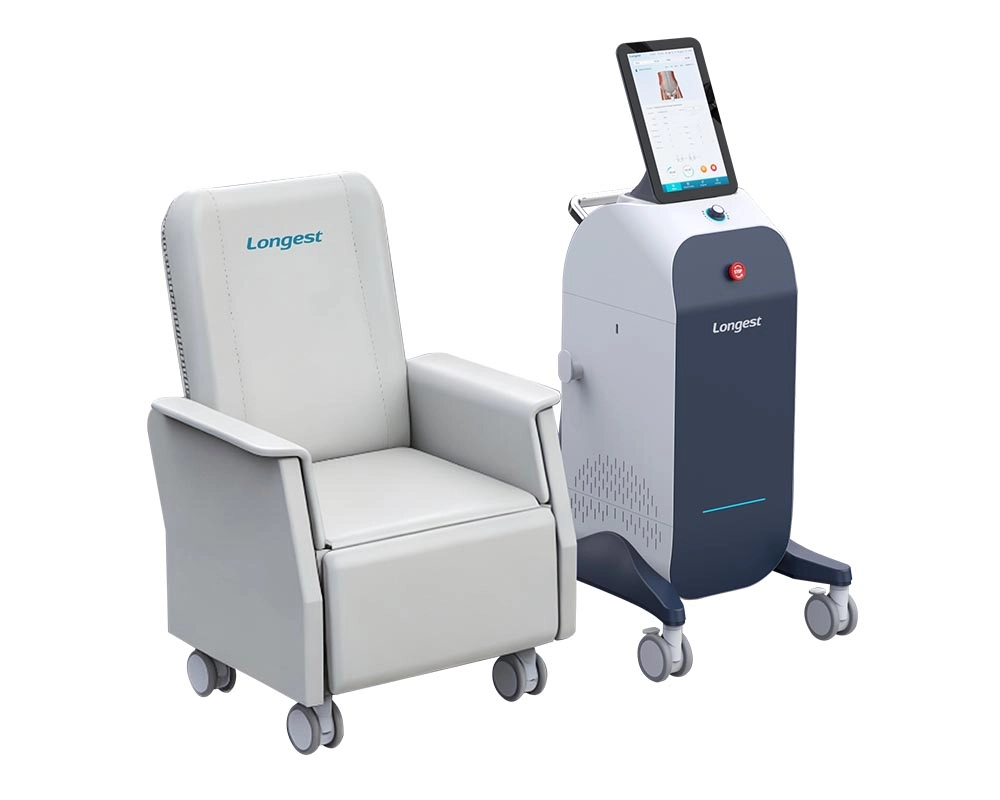
Electromagnetic Stimulator for Pelvic floor rehabilitation LGT-2640AP
The LGT-2640AP Pelvic Floor Magnetic Stimulator is a precision rehabilitation device designed for targeted pelvic floor therapy. Featuring 24 visualized preset protocols (paired with anatomical diagrams), customizable treatment plans, and a pre-adaptation function, it delivers non-invasive, painless stimulation to support postpartum recovery, male pelvic floor rehabilitation, and geriatric pelvic health.
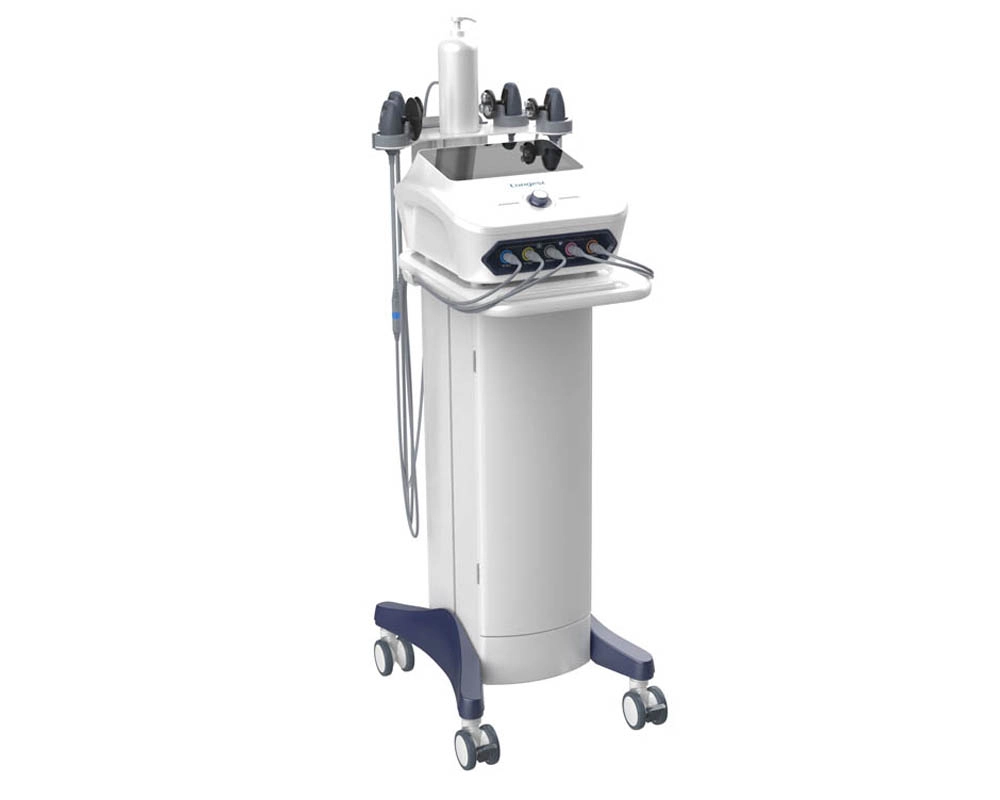
High-Frequency Therapy Device LGT-3500GP(Desktop Design)
LGT-3500GP fits tight spaces without sacrificing performance. Equipped with full TECAR tech, dual tissue-targeting modes, and core safety features, it handles post-op rehab, shallow tissue care, and more—lightweight, durable, and perfect for space-conscious facilities.
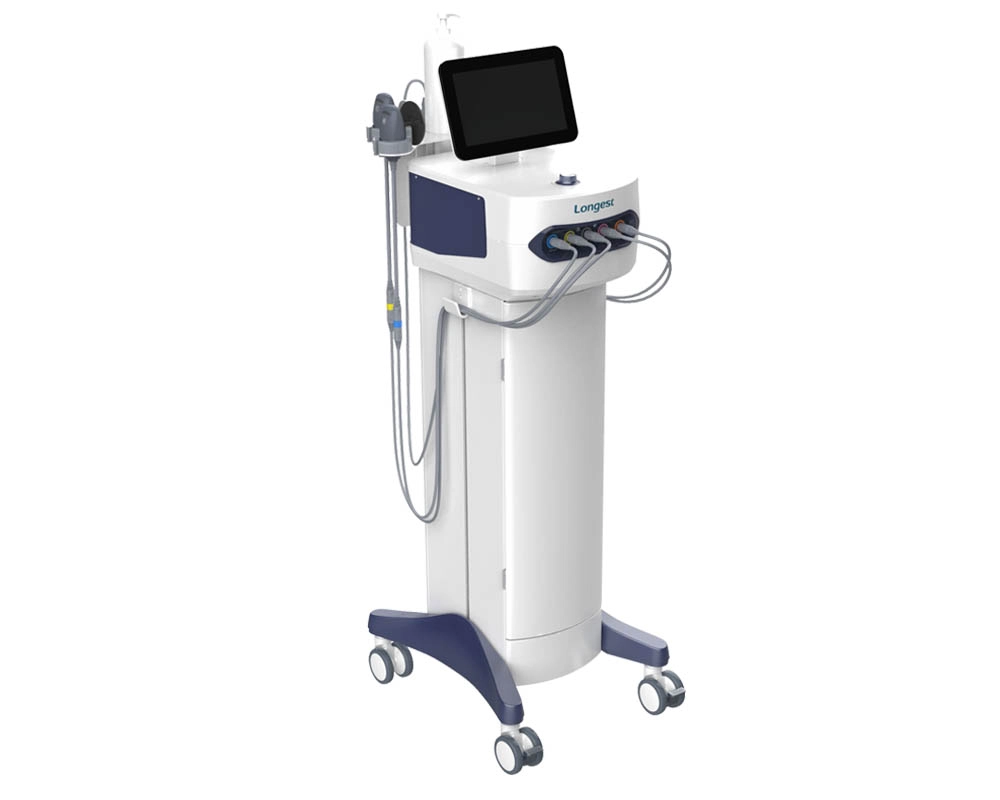
High Frequency Therapy Device LGT-3500LP(Upright Design)
The LGT-3500LP has an upright design with plenty of storage and rolling casters for easy mobility. It uses TECAR Therapy, and it has dual CET/RET modes, 300 KHz~1 MHz frequencies, and safety features like real-time temperature monitoring. This gives you precise, efficient treatments for deep tissue repair and pain relief.
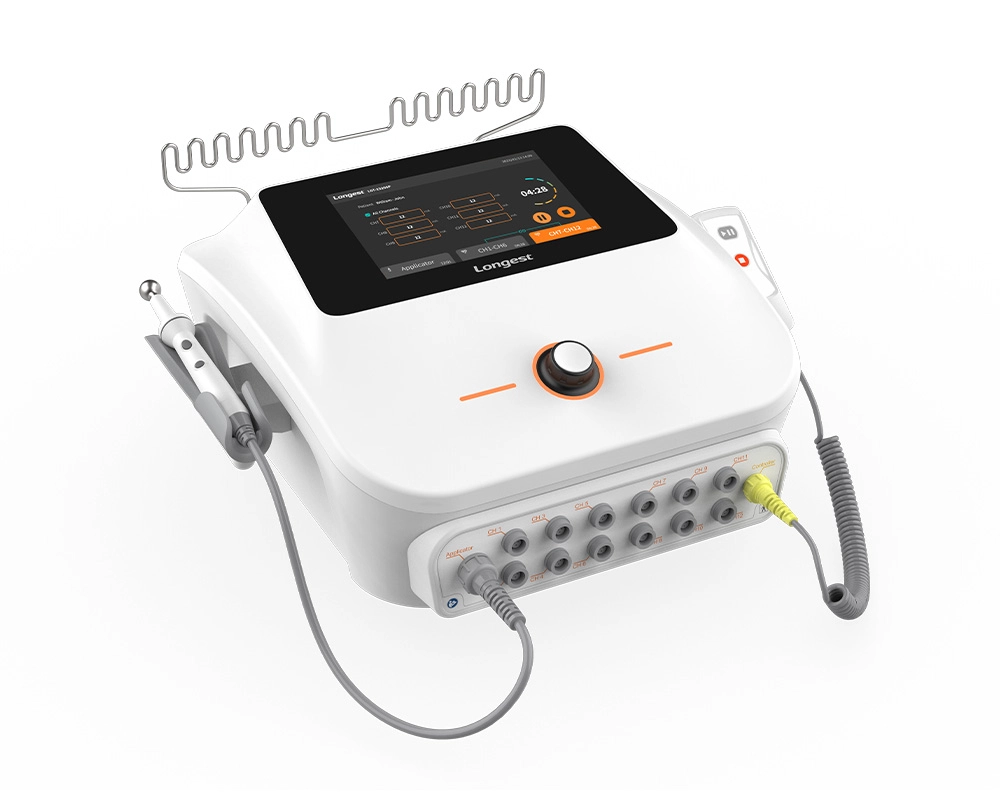
Professional 12-Channel Low-Frequency Electrical Stimulation Machine LGT-2320SP
LGT-2320SP is an advanced electrical stimulation sports training station. It leads to multisite high-efficiency strength gain and realizes bilateral balanced development with motor point detection.
Specifically designed for sports medicine professionals, this device is ideal for the treatment and rehabilitation of sports-related injuries. It delivers precise electrical impulses to targeted areas of the body, promoting pain relief, muscle strengthening, and accelerated recovery.

Call us:
+86 020 – 66353999

export@longest.cn

Address:
301 & 401 of Building 2 & Building 3, No. 96, Chuangqiang Road, Ningxi Street, Zengcheng District, Guangzhou, Guangdong Province, 511399, P.R. China.
Tips: The content on this website is a general description of the product.
The final configuration, parameters, and functions of the product may vary in accordance with the regulatory requirements of different countries and regions.
© 2025 Longest Medical. All Rights Reserved. Powered by gooeyun.
LongestMedical
LongestGloba
longest
guangzhou_longest
GzLongest