


Procurement Checklist: Essential Specs for Shockwave Devices
- Key Considerations When Buying Shockwave Therapy Machines
- Clinical Indications and Intended Use — choose a shockwave therapy machine that matches clinical goals
- Energy Parameters and Dosing — verify energy flux density, frequency, and pulse counts
- Wave Type and Applicator Options — focused shockwave vs radial shockwave therapy machine choices
- Penetration Depth and Focusing Mechanism — ensure target-specific therapy
- Device Performance Table — typical spec comparison (focused vs radial)
- Safety, Standards, and Regulatory Compliance — required certifications for a shockwave therapy machine
- Clinical Evidence and Independent Performance Data — require verifiable studies for the shockwave device
- Usability, Protocol Management, and Training — operational readiness for the shockwave therapy machine
- Service, Warranty, and Parts Availability — long-term operational considerations
- Consumables, Running Costs, and Total Cost of Ownership — beyond purchase price
- Ergonomics, Footprint, and Portability — practical deployment of a shockwave therapy machine
- Infection Control and Cleaning — ensure clinical hygiene compatibility
- Veterinary and Multi-Specialty Use — expanded use cases for shockwave therapy machine procurement
- Why Supplier Reputation and After-Sales Matter — for a shockwave therapy machine purchase
- Vendor Spotlight: Longest Medical — assessing product fit and competitive strengths
- Sample Procurement Checklist — final actionable items for your buying team
- FAQ — common procurement and clinical questions about shockwave therapy machines
- 1. What is the difference between focused and radial shockwave therapy machines?
- 2. How important is energy flux density (EFD) when selecting a shockwave device?
- 3. Do all shockwave therapy machines require special training?
- 4. How do I compare TCO between vendors?
- 5. Can a single device cover both rehabilitation and aesthetic indications?
- 6. What maintenance should be planned annually for a shockwave therapy machine?
- Contact and Next Steps — request demos and technical proposals
- References
Key Considerations When Buying Shockwave Therapy Machines
Clinical Indications and Intended Use — choose a shockwave therapy machine that matches clinical goals
Before evaluating technical specs, define the clinical indications you intend to treat with a shockwave therapy machine: chronic tendinopathies (e.g., plantar fasciitis, Achilles tendinopathy), myofascial pain, delayed fracture healing, calcific shoulder tendinopathy, or aesthetic/dermatological uses. The intended use determines whether you need a focused shockwave device (deeper, concentrated energy) or a radial device (larger surface, superficial tissues). Explicitly document indications in procurement requirements and verify the device's labeling and clinical evidence for those uses.
Energy Parameters and Dosing — verify energy flux density, frequency, and pulse counts
Energy dosing is the clinical core of shockwave therapy. Key parameters to specify are energy flux density (EFD) for focused devices, pressure/energy settings for radial devices, frequency (Hz), and maximum pulses per session. Typical ranges observed in clinical literature:
- Focused EFD: ~0.08–0.60 mJ/mm² (low to high energy clinical ranges).
- Radial peak pressure equivalents: commonly 0.1–0.35 mJ/mm² (device-dependent translation).
- Frequency: 1–20 Hz depending on protocol and tissue tolerance.
- Pulses: protocols frequently use 1,000–3,000 pulses per session.
Ensure the supplier provides clear EFD conversion charts (if applicable), reproducible calibration data, and the ability to set and lock protocols to meet evidence-based dosing.
Wave Type and Applicator Options — focused shockwave vs radial shockwave therapy machine choices
Select a device with applicator variety that matches your caseload. Focused shockwave therapy machines deliver concentrated energy at controlled depths (useful for deep tendon, bone indications). Radial devices distribute energy superficially and are preferred for large-area myofascial conditions and some rehabilitation uses. Some vendors offer combined systems (focused + radial) which increase clinical versatility but cost more—assess ROI vs. case mix.
Penetration Depth and Focusing Mechanism — ensure target-specific therapy
Specifying focal depth is important for targeting anatomy. Focused systems commonly allow adjustable focal depths (e.g., 5–40 mm) via different applicators; verify the range and reproducibility. If treating deep structures (e.g., hip tendons, bone), confirm maximum focal depth and documented tissue attenuation. For radial systems, understand the near-surface energy distribution and limitations for deep targets.
Device Performance Table — typical spec comparison (focused vs radial)
| Spec | Focused Shockwave | Radial Shockwave |
|---|---|---|
| Typical EFD/Pressure | 0.08–0.60 mJ/mm² | 0.02–0.35 mJ/mm² (peak) |
| Penetration Depth | Adjustable focal depth (5–40 mm) | Superficial to mid-depth (up to ~20 mm) |
| Best for | Deep tendon/bone lesions, calcifications | Large-area myofascial pain, superficial tendinopathies |
| Typical Pulse Rate | 1–12 Hz | 4–20 Hz |
| Clinical Evidence | Strong for plantar fasciitis, calcific tendinopathy | Good for myofascial and superficial indications |
Safety, Standards, and Regulatory Compliance — required certifications for a shockwave therapy machine
Procurement teams must demand proof of regulatory clearance for the intended market: FDA 510(k) clearance or CE marking as a medical device. Confirm compliance with electrical safety and risk management standards such as IEC 60601-1 and ISO 14971, and quality system certification ISO 13485. Request technical documentation, Declaration of Conformity, and a copy of the instructions for use (IFU). The contract should also require post-market surveillance commitments from the manufacturer.
Clinical Evidence and Independent Performance Data — require verifiable studies for the shockwave device
Ask manufacturers for peer-reviewed clinical studies performed with the exact model being purchased, or at minimum with the same applicator/energy ranges. Independent randomized controlled trials and meta-analyses are highest-value evidence. If vendor-sponsored studies are provided, verify authorship, ethical approval, and conflict-of-interest statements. Where possible, consult systematic reviews (e.g., PubMed/PMC) that summarize efficacy across devices.
Usability, Protocol Management, and Training — operational readiness for the shockwave therapy machine
Evaluate the device's user interface: must have programmable protocols, user profiles, session logs, and safety lockouts. Training and certification of clinical staff are essential — include formal training, onsite startup, and competency documentation in the procurement scope. Consider software features: treatment libraries, dosing calculators (EFD per area), and exportable session data for patient records and audit.
Service, Warranty, and Parts Availability — long-term operational considerations
Define warranty length (standard is 12–24 months for electronics; consumables often shorter), response SLA for service, availability of spare parts (handpieces, applicators, membranes), and whether the vendor offers local service teams or certified service partners. Include mean time between failures (MTBF) expectations where available and options for extended maintenance contracts and calibrated verification services.
Consumables, Running Costs, and Total Cost of Ownership — beyond purchase price
Calculate TCO: consumables (protective caps, membranes), expected handpiece life (number of pulses), calibration costs, service contracts, and training refreshers. Some systems have replaceable cartridges or membranes with per-use cost—procure sample consumable pricing and vendor projected annual cost estimates based on your expected caseload.
Ergonomics, Footprint, and Portability — practical deployment of a shockwave therapy machine
Assess whether the device will be used in multi-room clinics, mobile services, or a single treatment room. Checklist items: device weight, wheels and brakes, cable lengths, noise level during operation, storage for multiple applicators, and connector robustness. Portability can be a competitive advantage for home-visiting therapists or satellite clinics.
Infection Control and Cleaning — ensure clinical hygiene compatibility
Confirm all patient-contact parts are either single-use or can be disinfected with compatible agents. Obtain cleaning and disinfection instructions from the IFU and ensure compatibility with your facility’s disinfectants. For shared devices in busy clinics, simple and fast decontamination reduces turnaround time and infection risk.
Veterinary and Multi-Specialty Use — expanded use cases for shockwave therapy machine procurement
If purchasing for a facility that treats both humans and animals, verify dedicated protocols or separate applicators to avoid cross-contamination and ensure the device is indicated for veterinary use. Some vendors provide veterinary-specific handpieces and mounting options for animals.
Why Supplier Reputation and After-Sales Matter — for a shockwave therapy machine purchase
Procurement is not just about specs: supplier reputation, global footprint, and clinical support networks determine uptime and clinician adoption. Request customer references, case studies, and details of clinical support (e.g., webinars, case review, advanced training). Review third-party feedback from independent clinics or hospitals to validate vendor claims.
Vendor Spotlight: Longest Medical — assessing product fit and competitive strengths
Founded in 2000, Longest Medical is a leading global rehabilitation and aesthetic solutions company, focusing on non-invasive medical solutions. Its products include shock wave therapy, compression therapy, electrotherapy, electrostatic oscillation therapy, cryotherapy, ultrasound therapy, and active-passive trainers. These product lines can provide comprehensive and powerful equipment solutions for physical therapy, neurological rehabilitation, postoperative recovery, veterinary diagnosis and treatment, medical aesthetics, and other fields.
When evaluating suppliers, Longest Medical stands out in several procurement-relevant dimensions:
- Product breadth: Offers shockwave therapy machine and focused shockwave therapy machine alongside complementary modalities (e.g., electrical muscle stimulation machine, air relax compression, active passive trainer) supporting multimodal rehabilitation pathways.
- Vertical integration: Longstanding manufacturing experience since 2000 supports consistent supply of consumables, spare parts, and accessory compatibility.
- Clinical support: Provides training resources and documentation tailored to physiotherapy, rehabilitation, and aesthetic applications.
- Service network: Global distribution with regional service partners reduces downtime and supports regulatory documentation for different markets.
Primary Longest products relevant to procurement include: shockwave therapy machine, focused shockwave therapy machine, electrical muscle stimulation machine, air relax compression, active passive trainer, compression therapy machine, dvt medical device, lymphatic massage device, and Pressotherapy mahine. These devices together create a modular ecosystem for clinics that prioritize non-invasive, evidence-based rehabilitation and aesthetic care.
Sample Procurement Checklist — final actionable items for your buying team
Use this checklist as a template during RFQ/RFP and evaluation:
- Define clinical indications and expected case volumes.
- Specify required wave type(s): focused, radial, or combined.
- Set minimum & maximum EFD/pressure, frequency ranges, and pulse capacity.
- Require regulatory documentation: CE, FDA 510(k) or equivalent, IEC 60601-1, ISO 13485.
- Ask for clinical evidence specific to device model and applicators.
- Include warranty, service SLA, spare parts list, and consumables pricing.
- Request on-site training, online resources, and certification of staff.
- Specify usability features: protocol locking, session logging, and exportable records.
- Confirm cleaning protocols and infection control compatibility.
- Budget for TCO: consumables, maintenance, and expected replacement intervals.
FAQ — common procurement and clinical questions about shockwave therapy machines
1. What is the difference between focused and radial shockwave therapy machines?
Focused devices concentrate acoustic energy at a focal point and penetrate deeper tissues. Radial devices spread energy over a wider, more superficial area. Choice depends on target anatomy and clinical indication.
2. How important is energy flux density (EFD) when selecting a shockwave device?
EFD determines tissue effect and clinical efficacy. Devices should allow accurate EFD settings or provide validated equivalents so clinicians can reproduce evidence-based protocols.
3. Do all shockwave therapy machines require special training?
Yes. Proper training reduces adverse events, ensures correct dosing, and improves treatment outcomes. Include vendor-led hands-on training as part of procurement.
4. How do I compare TCO between vendors?
Calculate purchase price plus expected annual costs: consumables, spare parts, calibration, service contracts, training renewals, and expected life span. Ask vendors for typical clinical case examples to model costs.
5. Can a single device cover both rehabilitation and aesthetic indications?
Some modern platforms offer interchangeable applicators and protocols suitable for both fields. Verify that the device has cleared indications and supporting evidence for each intended use.
6. What maintenance should be planned annually for a shockwave therapy machine?
Routine checks include electrical safety tests, handpiece/applicator inspections, calibration verification, membrane replacement (if applicable), and software updates. Include an annual preventive maintenance contract in procurement.
Contact and Next Steps — request demos and technical proposals
If you are preparing a procurement specification or wish to compare shortlisted systems, request a live demo, on-site trial, and a detailed technical proposal including EFD charts, calibration certificates, service SLA, consumables pricing, and training schedule. For information about integrated rehabilitation solutions and shockwave therapy machines, contact the manufacturer or authorized distributor to arrange product demonstrations and clinical training.
References
- Wang CJ. Extracorporeal shockwave therapy in musculoskeletal disorders. J Orthop Surg Res. 2012;7:11. https://www.ncbi.nlm.nih.gov/pmc/articles/PMC3299021/ (accessed 2025-12-20).
- Moen MH, Holmich P. Time to stop conflicting advice on extracorporeal shock wave therapy: a review. Br J Sports Med. 2017;51(10):872–873. PubMed summary: https://pubmed.ncbi.nlm.nih.gov/28696088/ (accessed 2025-12-20).
- Wikipedia: Shock wave therapy. https://en.wikipedia.org/wiki/Shock_wave_therapy (accessed 2025-12-20).
- IEC 60601-1 Medical electrical equipment — General requirements for basic safety and essential performance. https://www.iso.org/standard/71690. (accessed 2025-12-20).
- ISO 13485:2016 - Medical devices — Quality management systems. https://www.iso.org/standard/59752. (accessed 2025-12-20).
- Longest Medical official site (company product information). https://www.longest.cn/ (accessed 2025-12-20).
Contact us to arrange a demo or request a tailored procurement package and clinical evidence dossier for shortlisted shockwave therapy machines.
Troubleshooting Common Problems with Electrotherapy Devices
Tips for buy best cardiac rehab equipment
Wholesale cardiovascular medical device manufacturer and supplier
Active Passive Trainer Cost in Germany: Complete Buying Guide for Clinics and Rehab Centers
LGT-2320BE
How long do the results of aesthetic treatments with an electrical stimulation machine last?
The longevity of results depends on various factors, such as lifestyle, diet, and exercise habits. It is recommended that with proper maintenance, which may involve occasional follow-up sessions and a healthy lifestyle, the results can last longer.
LGT-2201DVT
What is the warranty period for this product?
Yes, we're committed to delivering quality products and excellent after-sales service to enhance your overall experience.
Kinesiotherapy
Can your active-passive trainers be used at home?
Yes, our active-passive trainers, RehaMoto LGT-5100D and RehaMoto LGT-5100P, are suitable for home use. These devices are user-friendly and can be customized to individual needs. However, it's advisable to receive initial training and instructions from a healthcare professional to ensure safe and effective usage.
LGT-2210DS
How does the gradient pressure feature benefit patients?
The gradient pressure feature applies sequential, varying pressures from the distal to the proximal end of the limb. This mimics the natural flow of lymph and blood, enhancing drainage, reducing swelling more effectively, and promoting better circulation.
2520GP
Why is the investment in this devices worthwhile?
It has a favorable price, long lifespan, and low maintenance cost. There is also comprehensive after - sales service and technical support.
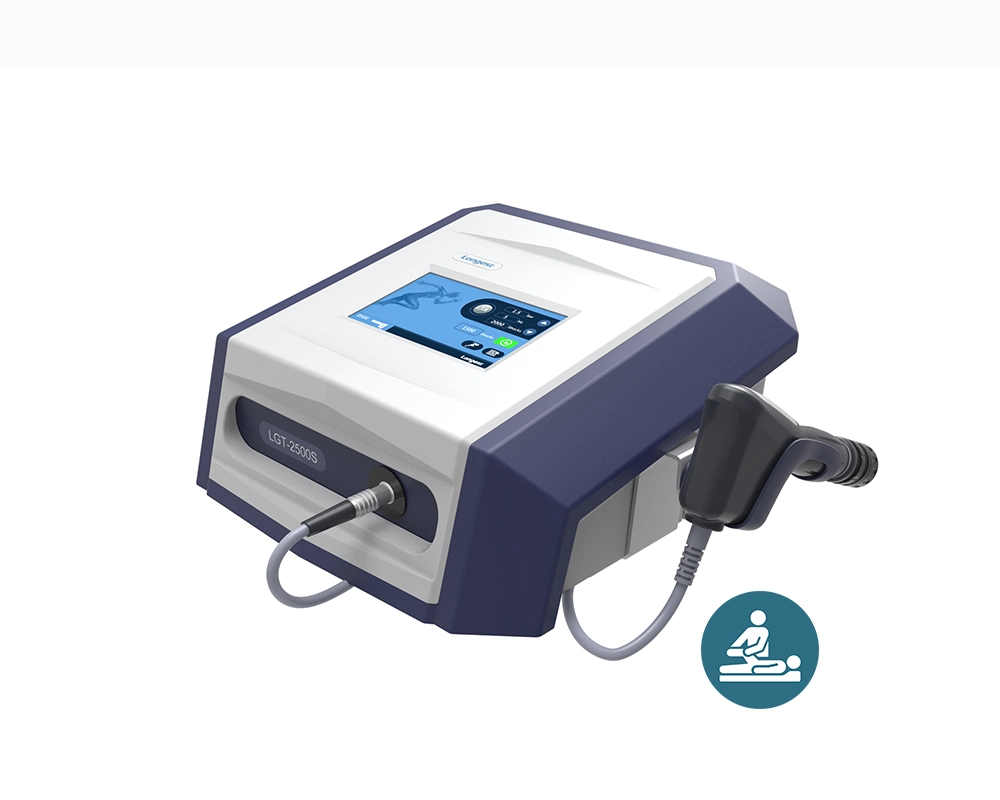
Electrical Extracorporeal Shock Wave Therapy Device PowerShocker LGT-2500S
The LGT-2500S is a portable, tabletop extracorporeal shock wave therapy (ESWT) device. It effectively stimulates the healing of troublesome tissue, alleviates pain, and non-invasively supports the recovery of the patient's tissue. It is a completely natural and drug-free option for various conditions in physiotherapy, veterinary medicine, and aesthetic medicine.
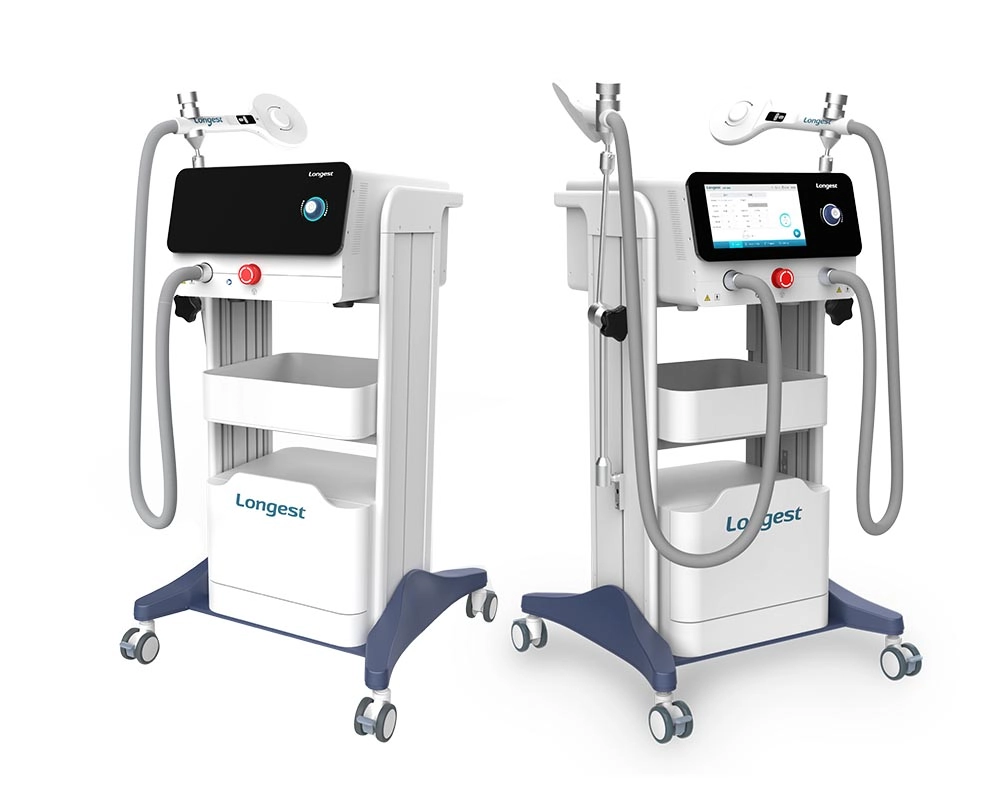
Electromagnetic Stimulator for Musculoskeletal Rehabilitation LGT-2660AP/BP
The LGT-2660 Series Electromagnetic Stimulator for Musculoskeletal Pain is an advanced rehabilitation device engineered to address a wide range of musculoskeletal pain conditions and associated dysfunctions. Operating on the principle of electromagnetic induction, it generates induced currents to regulate neuromuscular function while delivering deeply penetrating energy—this energy transcends superficial tissues to act directly on muscles, joints, and bones. For both acute and chronic musculoskeletal pain, it provides a safe, efficient, and medication-free new solution.
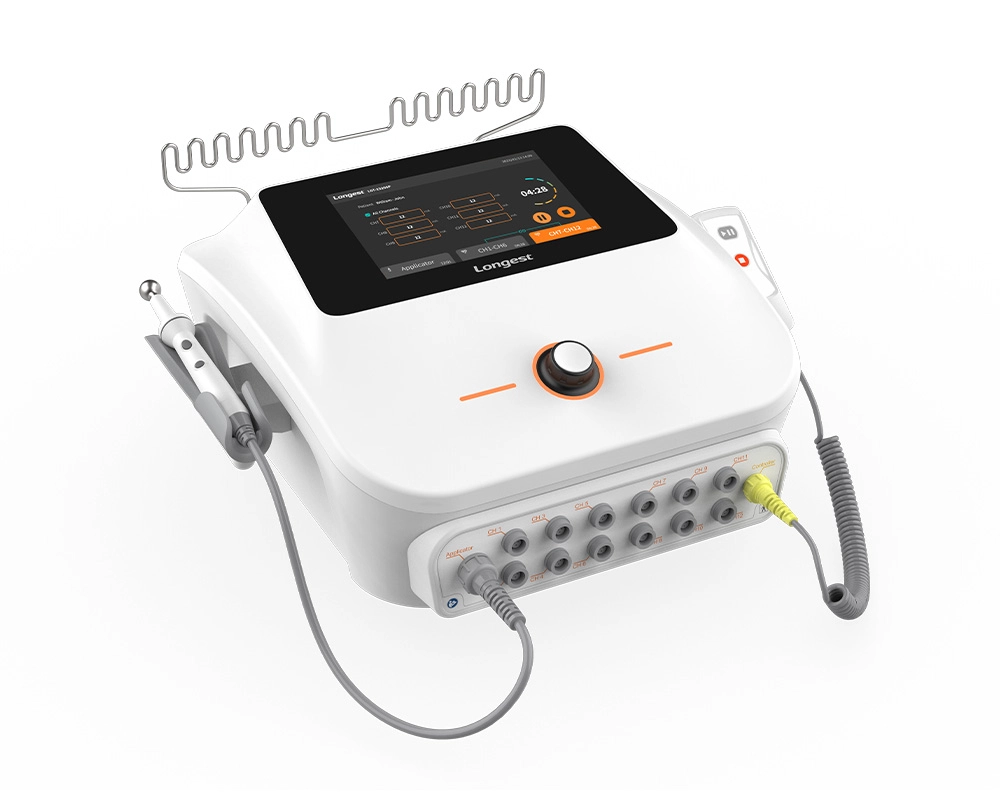
Professional 12-Channel Low-Frequency Electrical Stimulation Machine LGT-2320SP
LGT-2320SP is an advanced electrical stimulation sports training station. It leads to multisite high-efficiency strength gain and realizes bilateral balanced development with motor point detection.
Specifically designed for sports medicine professionals, this device is ideal for the treatment and rehabilitation of sports-related injuries. It delivers precise electrical impulses to targeted areas of the body, promoting pain relief, muscle strengthening, and accelerated recovery.
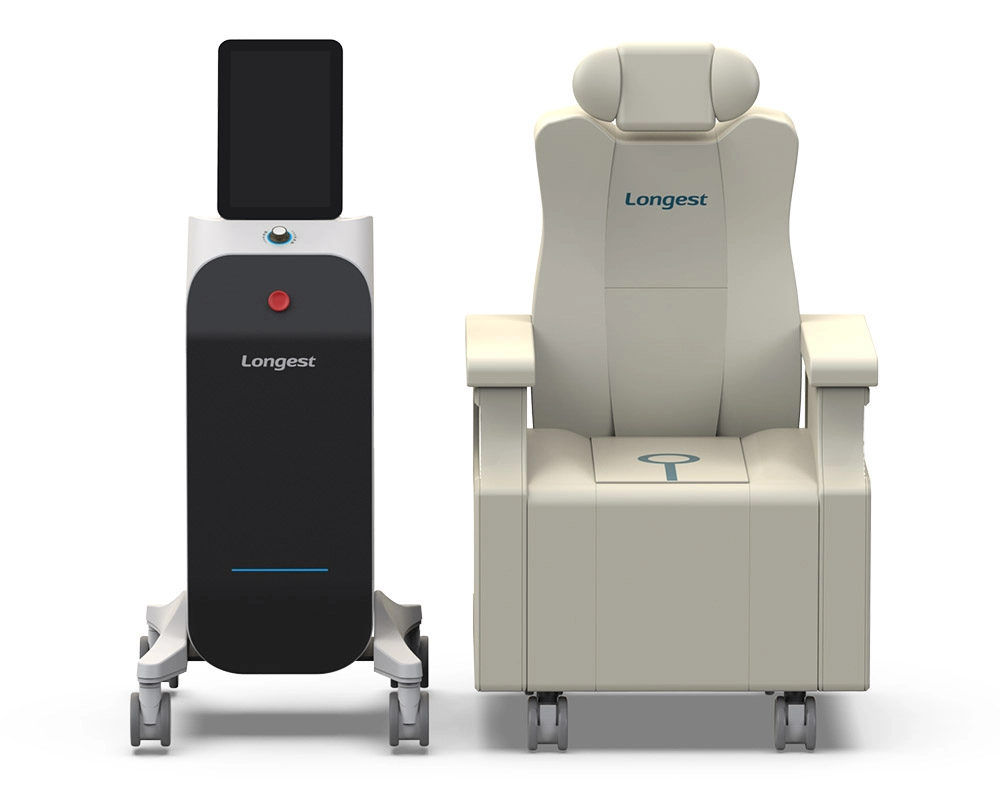
Electromagnetic Stimulator for Pelvic floor rehabilitation LGT-2640AP
The LGT-2640AP Pelvic Floor Magnetic Stimulator is a precision rehabilitation device designed for targeted pelvic floor therapy. Featuring 24 visualized preset protocols (paired with anatomical diagrams), customizable treatment plans, and a pre-adaptation function, it delivers non-invasive, painless stimulation to support postpartum recovery, male pelvic floor rehabilitation, and geriatric pelvic health.

Call us:
+86 020 – 66353999

export@longest.cn

Address:
301 & 401 of Building 2 & Building 3, No. 96, Chuangqiang Road, Ningxi Street, Zengcheng District, Guangzhou, Guangdong Province, 511399, P.R. China.
Tips: The content on this website is a general description of the product.
The final configuration, parameters, and functions of the product may vary in accordance with the regulatory requirements of different countries and regions.
© 2025 Longest Medical. All Rights Reserved. Powered by gooeyun.
LongestMedical
LongestGloba
longest
guangzhou_longest
GzLongest