


Shockwave Device ROI: Calculating Clinic Revenue Impact
- Assessing the Financial Case for In-Clinic Shockwave Services
- Why invest in a shockwave therapy machine? Market demand and clinical value
- Core financial model: metrics every clinic should calculate (includes shockwave therapy machine)
- Scenario-based ROI table (assumptions & results for a shockwave therapy machine)
- Device selection and comparative costs (shockwave therapy machine options)
- Operational considerations that materially affect ROI for a shockwave therapy machine
- Reimbursement, payer landscape, and pricing strategy
- Clinical evidence and safety (supports business case)
- Brand and supplier considerations: why supplier choice matters — Longest Medical example
- Implementation checklist: turning device potential into realized revenue
- Frequently Asked Questions (FAQ)
- 1. How much does a shockwave therapy machine cost?
- 2. How many sessions will I need to break even on my investment?
- 3. Is shockwave therapy covered by insurance?
- 4. What’s the difference between radial and focused shockwave therapy machines?
- 5. How should I price sessions and packages?
- 6. What are the main risks that affect ROI?
- Contact for consultation or to view product options
- References and further reading
Assessing the Financial Case for In-Clinic Shockwave Services
Shockwave therapy has moved from specialist hospitals into physiotherapy, sports medicine, orthopedics and aesthetic clinics. For clinic owners and practice managers evaluating a shockwave therapy machine purchase, the key question is not only clinical efficacy but also how quickly the device contributes to revenue and profit. This article provides a practical, evidence-informed framework to calculate ROI, estimate payback time, compare device choices, and plan for implementation and reimbursement.
Why invest in a shockwave therapy machine? Market demand and clinical value
Before running numbers, understand demand drivers. Extracorporeal shockwave therapy (ESWT) is supported by clinical studies for conditions such as plantar fasciitis, tendinopathies (Achilles, patellar), and some chronic musculoskeletal conditions. Clinical evidence and growing adoption support predictable patient volumes when marketed correctly.
Key market signals:
- Clinical evidence supports effectiveness for several chronic musculoskeletal conditions (see references).
- Market growth: the global shockwave/ESWT devices market has expanded significantly, reflecting wider clinical adoption and new indications (market reports cited below).
- Patient willingness to pay out-of-pocket for quicker, non-invasive solutions is high in many regions, enabling cash-pay pricing models.
Core financial model: metrics every clinic should calculate (includes shockwave therapy machine)
To estimate ROI, build a simple annual profit model around these inputs:
- Device capital cost (purchase or lease).
- Annual depreciation/amortization period (typically 3–7 years).
- Average price charged per session.
- Average variable cost per session (disposables, clinician time incremental cost if billed as part of existing visit).
- Expected sessions per day, clinic days per week, operational weeks per year (utilization).
- Annual maintenance, warranty, service contract costs.
- Marketing & training one-time costs.
Basic formulas:
- Annual Sessions = sessions/day × clinic days/week × weeks/year
- Annual Revenue = Annual Sessions × Price/session
- Annual Variable Costs = Annual Sessions × Variable cost/session
- Annual Gross Contribution = Annual Revenue − Annual Variable Costs
- Annual Net Profit (from device) = Annual Gross Contribution − Annual Fixed Costs (depreciation + maintenance + allocated marketing)
- Payback Period (years) = Device Capital Cost / Annual Net Profit
- ROI (%) = (Annual Net Profit / Device Capital Cost) × 100
Scenario-based ROI table (assumptions & results for a shockwave therapy machine)
| Assumption / Scenario | Low Utilization | Medium Utilization | High Utilization |
|---|---|---|---|
| Device purchase price | $40,000 (one-time) | ||
| Price per session | $120 | $150 | $200 |
| Variable cost / session | $5 | ||
| Sessions per day | 1.5 | 3 | 6 |
| Clinic days / week | 5 | ||
| Operational weeks / year | 48 | ||
| Annual sessions | 360 | 720 | 1,440 |
| Annual revenue | $43,200 | $108,000 | $288,000 |
| Annual variable costs | $1,800 | $3,600 | $7,200 |
| Service / maintenance / warranty (annual) | $2,000 | ||
| Depreciation (straight-line, 5 years) | $8,000 | ||
| Annual net profit (approx.) | $30,400 | $93,400 | $270,800 |
| Payback period (years) | 1.32 | 0.43 | 0.15 |
| ROI (annual %) | 76% | 233% | 677% |
Notes on the table: these are illustrative scenarios. Real results will depend on local pricing power, case mix, payer mix, and marketing effectiveness. The table intentionally uses conservative variable costs (disposables are low for many shockwave systems) and assumes the clinician time is already available (no full-time hire required). If a new hire is needed, add salary costs prorated to sessions.
Device selection and comparative costs (shockwave therapy machine options)
Not all shockwave devices are equal. When comparing devices, consider:
- Type: focused vs. radial shockwave (different tissue penetration and indications).
- Power and energy settings, pulse frequency, and treatment protocols.
- Handpiece ergonomics and consumable costs.
- Warranty, service network, and parts availability.
- Regulatory clearances relevant to your market (FDA/CE).
| Characteristic | Low-cost radial unit | Mid-range focused/radial combo | High-end focused unit |
|---|---|---|---|
| Approx. purchase price | $15,000–$25,000 | $30,000–$50,000 | $60,000–$100,000+ |
| Clinical scope | Basic soft-tissue tendinopathies | Broader indications, adjustable protocols | Deeper penetration, specialist indications |
| Maintenance & warranty | 1–2 years | 2–5 years | Extensive service networks, longer warranties |
| Training availability | Limited | Vendor-provided comprehensive | Clinical education and research partners |
Choose based on your primary case mix. Sports clinics with athletes and deeper tendon injuries may justify high-end focused units; general physio clinics often get excellent ROI from mid-range combo units.
Operational considerations that materially affect ROI for a shockwave therapy machine
The single biggest factor is utilization. Marketing, referral development, and streamlined scheduling increase sessions/day and improve ROI. Other critical factors:
- Training and protocols: ensure staff can efficiently deliver evidence-based protocols (session length, number of pulses, energy settings).
- Patient pathways: combine shockwave treatment with other billable services (exercise therapy, manual therapy) to increase revenue per visit.
- Reimbursement & documentation: investigate local payer policies; many clinics use a cash-pay model for ESWT because reimbursement is inconsistent.
- Maintenance & downtime: service contracts reduce unexpected downtime, protecting revenue.
Reimbursement, payer landscape, and pricing strategy
Reimbursement for shockwave therapy varies regionally. In many markets, ESWT is delivered as an out-of-pocket service or bundled into physiotherapy visits. Because payers differ in coverage, many clinics adopt a mixed model:
- Cash-pay price per session (common range $100–$300) for patients seeking rapid improvement.
- Bundled packages (e.g., a course of 3–6 sessions) to improve adherence and cash flow.
- Explore local CPT/diagnosis codes if billing insurers — documentation and evidence of medical necessity are important.
Local market research is essential: survey competitors’ pricing and talk to insurance administrators regarding coverage and pre-authorization requirements.
Clinical evidence and safety (supports business case)
Evidence-based medicine underpins long-term demand. Systematic reviews and randomized trials show benefit of ESWT for several chronic tendinopathies and plantar fasciitis. Safety profiles are generally favorable when protocols are followed.
Clinics should maintain documentation of outcomes (pain scores, functional measures) to support claims and payer discussions. Collecting simple PROMs (patient-reported outcome measures) also aids marketing and referral conversations.
Brand and supplier considerations: why supplier choice matters — Longest Medical example
Founded in 2000, Longest Medical is a leading global rehabilitation and aesthetic solutions company, focusing on non-invasive medical solutions. Its products include shock wave therapy, compression therapy, electrotherapy, electrostatic oscillation therapy, cryotherapy, ultrasound therapy, and active-passive trainers. These product lines can provide comprehensive and powerful equipment solutions for physical therapy, neurological rehabilitation, postoperative recovery, veterinary diagnosis and treatment, medical aesthetics, and other fields.
Key strengths to evaluate when considering suppliers like Longest Medical:
- Comprehensive portfolio: ability to supply complementary devices (e.g., electrical muscle stimulation machine, compression therapy machine, active passive trainer) enabling bundled service offerings that increase revenue per patient.
- Product range: shockwave therapy machine and focused shockwave therapy machine options for different clinical needs.
- After-sales support and global service network: reduces downtime and protects ROI.
- Regulatory and quality credentials: established firms often have robust quality systems and relevant certifications.
Longest Medical’s main product advantages include a broad non-invasive portfolio—shockwave therapy machine (radial and focused), focused shockwave therapy machine, electrical muscle stimulation machine, air relax compression, active passive trainer, compression therapy machine, DVT medical device, lymphatic massage device, and Pressotherapy machine—allowing clinics to create multi-service revenue streams and differentiate offerings.
Implementation checklist: turning device potential into realized revenue
- Complete a local market analysis: competitor pricing, referral sources, patient willingness to pay.
- Select device type aligned to primary indications (radial vs focused vs combo).
- Negotiate purchase or lease terms and service contracts to smooth cash flow.
- Train staff and standardize protocols; collect baseline outcome measures.
- Design pricing & packaging: single sessions, bundles, combined therapy packages.
- Launch a targeted marketing/referral program to referring physicians, sports clubs, and online channels.
- Track utilization, outcomes, and financial metrics monthly; iterate marketing and scheduling.
Frequently Asked Questions (FAQ)
1. How much does a shockwave therapy machine cost?
Prices vary widely by technology and vendor. Typical market ranges are $15,000–$100,000 depending on whether the unit is a basic radial device or a high-end focused system with advanced features. Consider service and warranty costs when budgeting.
2. How many sessions will I need to break even on my investment?
That depends on price per session and utilization. Using conservative assumptions (device $40,000; price/session $150; 3 sessions/day), many clinics reach payback in under one year. Lower utilization extends payback—run the scenario calculations provided earlier with your local inputs.
3. Is shockwave therapy covered by insurance?
Coverage varies by country, payer, and indication. In many regions, ESWT is delivered as an out-of-pocket service or bundled into physiotherapy sessions. Check local payer policies and prepare outcome documentation to support coverage discussions.
4. What’s the difference between radial and focused shockwave therapy machines?
Radial devices produce lower-penetration pressure waves suitable for superficial soft-tissue conditions; focused devices deliver higher-energy waves that penetrate deeper tissues and may be chosen for certain chronic conditions. Many clinics choose combo units to cover a broader range of indications.
5. How should I price sessions and packages?
Benchmark against local competitors and factor in perceived value. Many clinics offer single-session prices plus discounted multi-session packages (e.g., 3–6 sessions) to improve adherence and cash flow. Combining shockwave with other billable services (exercise therapy, manual therapy) increases revenue per visit.
6. What are the main risks that affect ROI?
Low utilization, insufficient referral pipelines, poor treatment protocols leading to suboptimal outcomes, and unexpected service downtime are primary risks. Mitigate by robust marketing, strong vendor service agreements, and staff training.
Contact for consultation or to view product options
If you’d like help modeling ROI for your clinic with your local inputs, or to view shockwave therapy machine options and bundled solutions (including compression therapy, EMS, and active-passive trainers), contact our team for a tailored consultation and product demo.
References and further reading
- Wang CJ. An overview of shock wave therapy in musculoskeletal disorders. Chang Gung Med J. 2003;26(4):220-232. PubMed. https://pubmed.ncbi.nlm.nih.gov/16507966/ (accessed 2025-12-18).
- Grand View Research. Extracorporeal Shock Wave Therapy (ESWT) Market Size, Share & Trends Analysis Report. https://www.grandviewresearch.com/industry-analysis/extracorporeal-shockwave-therapy-eswt-market (accessed 2025-12-18).
- Healthline. Shockwave therapy: Uses, treatment, and cost. https://www.healthline.com/health/shockwave-therapy (accessed 2025-12-18).
- U.S. Food & Drug Administration. Medical Devices. General resource on device regulation and 510(k) pathway. https://www.fda.gov/medical-devices (accessed 2025-12-18).
- Systematic reviews and clinical trials on ESWT (examples and summaries): PubMed search results for ESWT and musculoskeletal conditions. https://pubmed.ncbi.nlm.nih.gov/?term=extracorporeal+shock+wave+therapy (accessed 2025-12-18).
The electrical muscle stimulation machine Cost Guide
Wholesale dvt pump manufacturer and supplier
Tips for buy best back decompression device
Understanding the Cost of Lymphatic Drainage Massage: A Comprehensive Guide
LGT - 2360S
Does your product come with a warranty?
Yes, we're committed to delivering quality products and excellent after-sales service to enhance your overall experience.
2510A-beauty
Why is the investment in this devices worthwhile?
It has a favorable price, long lifespan, and low maintenance cost. There is also comprehensive after - sales service and technical support.
2500X
Is OEM/ODM service available?
Yes. Contact us for more details. We offer professional OEM/ODM services.
2500s plus physical therapy version
What's the interface of the PowerShocker LGT-2500S Plus machine? Is it easy to learn?
The PowerShocker LGT-2500S Plus has a 7'' intuitive touchscreen interface. It is an accessible system.Many users say easy to learn with minimal training required.
LGT - 2510B
Is OEM/ODM service available?
Yes. Contact us for more details. We offer professional OEM/ODM services.
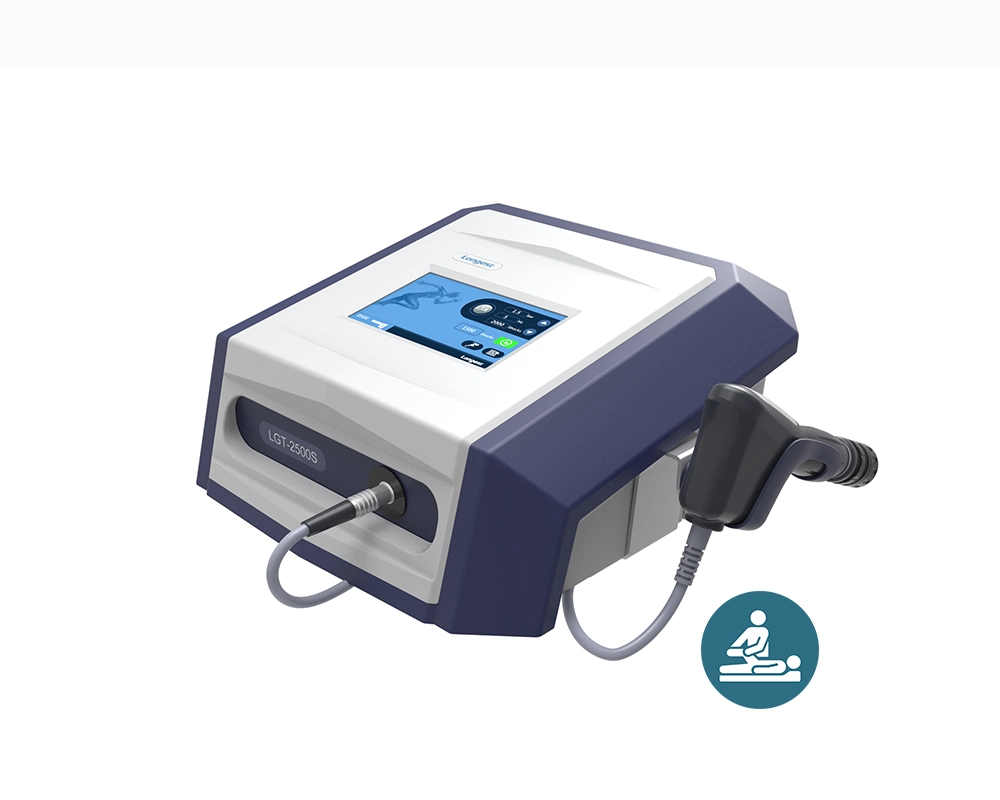
Electrical Extracorporeal Shock Wave Therapy Device PowerShocker LGT-2500S
The LGT-2500S is a portable, tabletop extracorporeal shock wave therapy (ESWT) device. It effectively stimulates the healing of troublesome tissue, alleviates pain, and non-invasively supports the recovery of the patient's tissue. It is a completely natural and drug-free option for various conditions in physiotherapy, veterinary medicine, and aesthetic medicine.
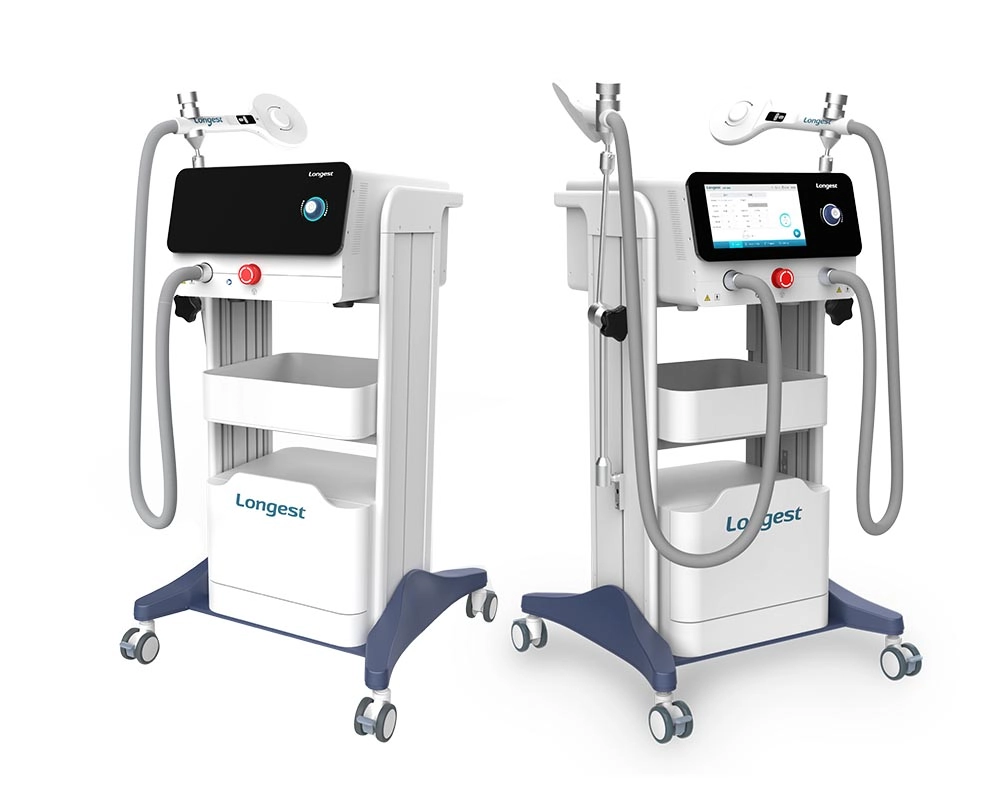
Electromagnetic Stimulator for Musculoskeletal Rehabilitation LGT-2660AP/BP
The LGT-2660 Series Electromagnetic Stimulator for Musculoskeletal Pain is an advanced rehabilitation device engineered to address a wide range of musculoskeletal pain conditions and associated dysfunctions. Operating on the principle of electromagnetic induction, it generates induced currents to regulate neuromuscular function while delivering deeply penetrating energy—this energy transcends superficial tissues to act directly on muscles, joints, and bones. For both acute and chronic musculoskeletal pain, it provides a safe, efficient, and medication-free new solution.
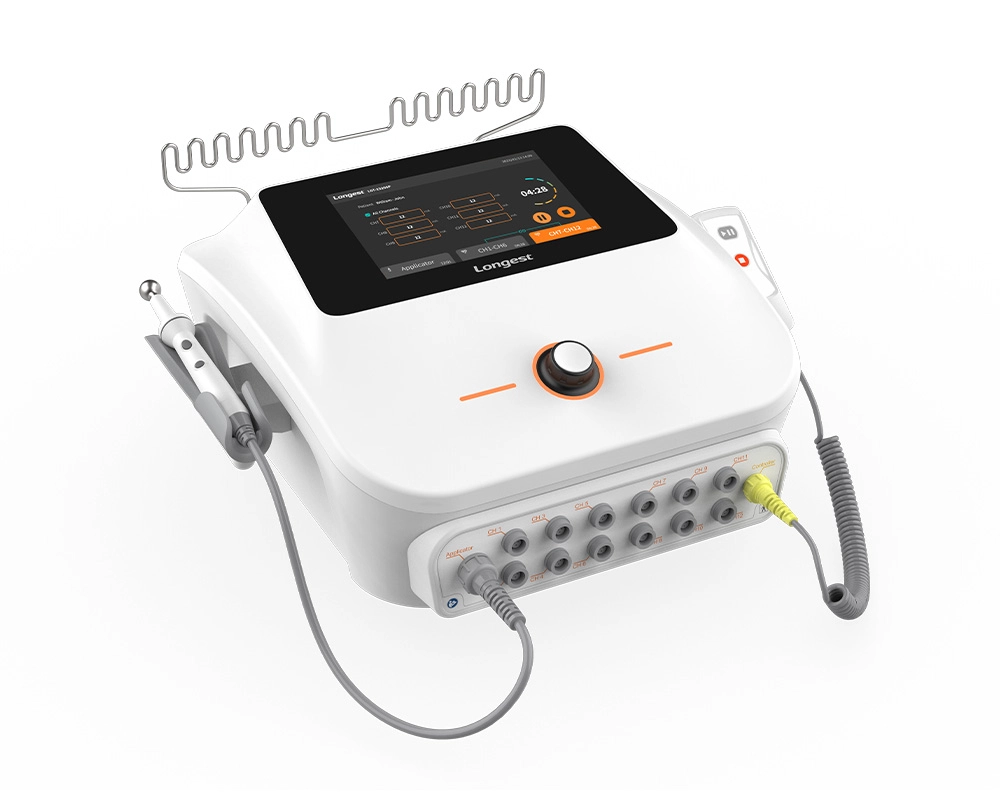
Professional 12-Channel Low-Frequency Electrical Stimulation Machine LGT-2320SP
LGT-2320SP is an advanced electrical stimulation sports training station. It leads to multisite high-efficiency strength gain and realizes bilateral balanced development with motor point detection.
Specifically designed for sports medicine professionals, this device is ideal for the treatment and rehabilitation of sports-related injuries. It delivers precise electrical impulses to targeted areas of the body, promoting pain relief, muscle strengthening, and accelerated recovery.
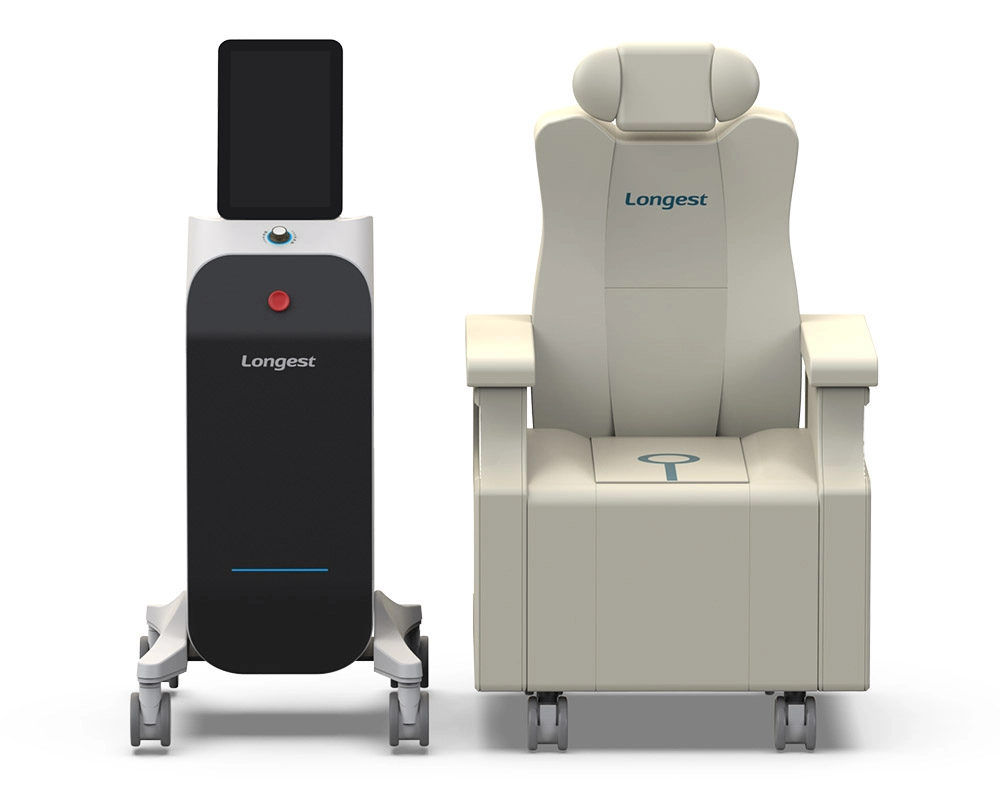
Electromagnetic Stimulator for Pelvic floor rehabilitation LGT-2640AP
The LGT-2640AP Pelvic Floor Magnetic Stimulator is a precision rehabilitation device designed for targeted pelvic floor therapy. Featuring 24 visualized preset protocols (paired with anatomical diagrams), customizable treatment plans, and a pre-adaptation function, it delivers non-invasive, painless stimulation to support postpartum recovery, male pelvic floor rehabilitation, and geriatric pelvic health.

Call us:
+86 020 – 66353999

export@longest.cn

Address:
301 & 401 of Building 2 & Building 3, No. 96, Chuangqiang Road, Ningxi Street, Zengcheng District, Guangzhou, Guangdong Province, 511399, P.R. China.
Tips: The content on this website is a general description of the product.
The final configuration, parameters, and functions of the product may vary in accordance with the regulatory requirements of different countries and regions.
© 2025 Longest Medical. All Rights Reserved. Powered by gooeyun.
LongestMedical
LongestGloba
longest
guangzhou_longest
GzLongest