


Top Indications: What Conditions Shockwave Therapy Device Treats
- Top Indications: What Conditions Shockwave Therapy Device Treats
- What is a shockwave therapy device and the LGT-2520GP?
- How does an electromagnetic focused shockwave therapy device work?
- Primary musculoskeletal indications for a shockwave therapy device
- Plantar fasciitis (chronic)
- Achilles and patellar tendinopathy
- Lateral epicondylitis (tennis elbow)
- Calcific tendinopathy of the shoulder
- Myofascial trigger points and soft tissue pain
- Delayed union, non-union and bone healing adjunct
- Evidence summary and comparative table of indications
- Patient selection and treatment planning with an LGT-2520GP shockwave therapy device
- Contraindications and safety considerations for shockwave therapy device use
- Why choose Electromagnetic Focused Shockwave Therapy Machine LGT-2520GP?
- Practical tips for clinicians using a shockwave therapy device
- Frequently Asked Questions (FAQs)
- Q: Is shockwave therapy device treatment painful?
- Q: How many treatments will I need with the LGT-2520GP?
- Q: Can shockwave therapy device replace surgery?
- Q: Are there patients who should not receive focused shockwave therapy?
- Authoritative references and further reading
- Contact us / View product

Top Indications: What Conditions Shockwave Therapy Device Treats
What is a shockwave therapy device and the LGT-2520GP?
A shockwave therapy device delivers short, high-energy acoustic pulses to target tissues to trigger biological repair processes and reduce pain. The Electromagnetic Focused Shockwave Therapy Machine LGT-2520GP incorporates the state-of-the-art "Electromagnetic Shockwave" technology. This technology gives rise to a pressure field that converges within the adjustable focus at precise depths within particular tissues, attaining the maximum pressure. It is capable of precisely pinpointing the origin of musculoskeletal disorders, efficiently alleviating pain, facilitating tissue repair, and diminishing inflammation. The adjustable focus feature allows medical professionals to customize the treatment according to the specific requirements of each patient and the nature of their condition.
How does an electromagnetic focused shockwave therapy device work?
Electromagnetic focused shockwave therapy (a form of focused extracorporeal shockwave therapy, ESWT) generates a pressure wave outside the body and concentrates it to a focal point inside tissue. At the focus, mechanical energy translates into biological responses: microtrauma stimulates inflammation resolution and remodeling, promotes angiogenesis (new blood vessel formation), increases growth factor release, and can break down calcific deposits. These effects together reduce pain and accelerate tissue repair. Compared to radial shockwave (more superficial, ballistic-type), focused electromagnetic devices like the LGT-2520GP can target deeper structures with adjustable focal depth for precise therapy.
Primary musculoskeletal indications for a shockwave therapy device
Clinicians most commonly use shockwave therapy devices to treat chronic, overuse, and calcific conditions where conservative care has failed. Common indications include plantar fasciitis, Achilles tendinopathy, patellar tendinopathy (jumper’s knee), lateral epicondylitis (tennis elbow), calcific shoulder tendinopathy, myofascial trigger points, delayed or non-union fractures, and medial tibial stress syndrome. Below we summarize each indication, typical rationale, and expected outcomes when using a focused shockwave therapy device.
Plantar fasciitis (chronic)
Plantar fasciitis is one of the most studied indications for ESWT. Focused shockwave disrupts chronic degenerative tissue, stimulates local healing, and reduces nociception. For chronic cases not responding to stretching, orthoses, or injections, ESWT often produces meaningful pain reduction and functional improvement after several sessions. Many protocols use one to three sessions, spaced weekly, with follow-up at 6–12 weeks to assess improvement.
Achilles and patellar tendinopathy
Tendinopathies show degenerative changes and failed healing responses. Focused shockwave therapy promotes tissue remodeling and neovascularization, improving load tolerance. For mid-portion Achilles tendinopathy and patellar tendinopathy, ESWT is used either alone or in combination with eccentric loading programs. Typical treatment plans involve 1–5 sessions across several weeks with progressive rehabilitation.
Lateral epicondylitis (tennis elbow)
For chronic lateral epicondylitis, shockwave therapy can reduce pain and improve grip function. Evidence is mixed across studies, but focused devices with appropriate dosing are associated with clinically relevant benefit in many patients who have failed standard therapies.
Calcific tendinopathy of the shoulder
Calcific deposits in the rotator cuff can be painful and limit motion. Focused shockwave can fragment calcifications and stimulate resorption, decreasing pain and improving range of motion. Energy settings and the ability to concentrate energy at a specific depth (as in the LGT-2520GP) are advantageous for targeting calcific lesions.
Myofascial trigger points and soft tissue pain
Trigger points and chronic soft-tissue pain benefit from the mechanical stimulation and increased local blood flow provided by focused shockwave. Clinicians often see faster pain relief compared with remote modalities when trigger points are accurately targeted.
Delayed union, non-union and bone healing adjunct
Focused shockwave has been used as a non-invasive adjunct to stimulate bone healing in delayed or non-union fractures. The mechanobiological stimulus can enhance callus formation; protocols differ and this indication is often part of a multidisciplinary management plan including imaging and orthopedic evaluation.
Evidence summary and comparative table of indications
Systematic reviews and guideline bodies generally find moderate evidence supporting ESWT for chronic plantar fasciitis and calcific tendinopathy of the shoulder, with varying evidence for other tendonopathies depending on device type, dosing and patient selection. The following table summarizes typical evidence strength, recommended sessions, and expected clinical change. (Evidence strength is generalized from multiple systematic reviews and clinical guidelines.)
| Indication | General evidence strength | Typical sessions | Expected clinical benefit |
|---|---|---|---|
| Chronic plantar fasciitis | Moderate–High | 1–3 sessions (weekly) | Significant pain reduction, improved function in many patients |
| Calcific shoulder tendinopathy | Moderate | 1–3 sessions | Reduction/resorption of calcifications, pain and ROM improvement |
| Achilles & patellar tendinopathy | Moderate | 2–5 sessions over weeks | Improved pain and tendon load tolerance when combined with rehab |
| Lateral epicondylitis | Low–Moderate (variable) | 1–3 sessions | Pain reduction and better function in selected patients |
| Myofascial trigger points | Low–Moderate | 1–3 sessions | Rapid pain relief, improved mobility |
| Delayed union / non-union | Low–Moderate (adjunct) | Protocol-dependent | Potential to stimulate bone healing as part of multimodal care |
Patient selection and treatment planning with an LGT-2520GP shockwave therapy device
Successful outcomes depend on selecting appropriate patients and tailoring treatment. Key points for clinicians:
- Confirm diagnosis clinically and with imaging where appropriate (ultrasound/x-ray).
- Use focused, adjustable depth to target the pathological zone—this is a major advantage of electromagnetic focused devices like the LGT-2520GP.
- Combine ESWT with graded loading or physiotherapy when treating tendinopathy for best outcomes.
- Document baseline pain and function, and schedule follow-up at 6–12 weeks to assess response.
Contraindications and safety considerations for shockwave therapy device use
Shockwave therapy is generally safe when performed by trained clinicians, but there are contraindications and precautions. Common contraindications include pregnancy, local infection or open wounds, malignancy at the treatment site, and untreated coagulation disorders. Caution is advised in patients with implanted electronic devices (e.g., pacemakers) or on anticoagulation — consult device instructions and cardiology where needed. Local, transient side effects can include bruising, temporary pain increase, or swelling; these usually resolve within days.
Why choose Electromagnetic Focused Shockwave Therapy Machine LGT-2520GP?
When selecting a shockwave therapy device, clinicians prioritize targeting precision, consistent energy delivery, and treatment versatility. The LGT-2520GP offers several clinical advantages:
- Focused electromagnetic generation produces a converging pressure field allowing deep, precise targeting of pathologic tissue.
- Adjustable focal depth helps treat a range of conditions from superficial tendon insertions to deeper calcific lesions.
- Reproducible energy output and ergonomic applicators improve clinician control and patient comfort.
- Compatibility with common treatment protocols and easy integration with physiotherapy programs.
These features help clinicians deliver evidence-based shockwave therapy with improved targeting and potentially better outcomes, especially for conditions where depth and focus matter (e.g., calcific tendinopathy, deep tendon pathology).
Practical tips for clinicians using a shockwave therapy device
- Start with conservative energy settings and titrate based on patient tolerance and therapeutic goals.
- Use ultrasound guidance when available to localize focal pathology precisely.
- Integrate ESWT into a broader rehabilitation plan—early movement and eccentric exercises often enhance results.
- Educate patients about the expected course: maximal improvement may take weeks after treatment as tissue remodeling occurs.
Frequently Asked Questions (FAQs)
Q: Is shockwave therapy device treatment painful?
A: Most patients tolerate focused shockwave well. Discomfort varies by energy level and treated area; clinicians can adjust energy settings or provide local analgesia strategies. Brief transient soreness or bruising can occur post-treatment.
Q: How many treatments will I need with the LGT-2520GP?
A: Typical protocols range from 1–5 sessions depending on the condition and response. Commonly, clinicians deliver 1–3 sessions for plantar fasciitis or calcific tendinopathy and up to 4–5 sessions for chronic tendinopathies combined with rehabilitation.
Q: Can shockwave therapy device replace surgery?
A: For many chronic tendinopathies and calcific lesions, ESWT is a non-invasive alternative that can reduce the need for surgery. However, surgical referral remains appropriate when conservative and ESWT-based treatments fail or where structural repair is indicated.
Q: Are there patients who should not receive focused shockwave therapy?
A: Yes. Contraindications include pregnancy, local infection, active malignancy at the treatment site, and certain coagulation disorders. Patients with implanted electronic devices require specialist assessment and adherence to manufacturer guidance.
Authoritative references and further reading
Below are authoritative sources clinicians can consult for in-depth, evidence-based guidance on extracorporeal shockwave therapy:
- Extracorporeal shock wave therapy — Wikipedia: https://en.wikipedia.org/wiki/Extracorporeal_shock_wave_therapy
- NICE Interventional Procedures Guidance: Extracorporeal shockwave therapy for chronic plantar fasciitis: https://www.nice.org.uk/guidance/ipg149
- PubMed search results for systematic reviews on ESWT (overview of clinical evidence): https://pubmed.ncbi.nlm.nih.gov/?term=extracorporeal+shockwave+therapy+systematic+review
Contact us / View product
If you are a clinician or procurement specialist interested in the Electromagnetic Focused Shockwave Therapy Machine LGT-2520GP, contact our team to request full specifications, clinical white papers, or a device demonstration. Request pricing, CE/FDA/registration documentation, or training options by contacting our sales team: sales@yourcompany.com or visit our product page: https://www.yourcompany.com/products/LGT-2520GP
Comprehensive Shockwave Therapy Machine Manual: User Guide and Best Practices
Do Edema Devices Really Work? An In-Depth Look by Longest Medical
Understanding Health Care Equipment Transportation Cost: A Comprehensive Guide by Longest Medical
The B2B Buyer’s Guide to neuromuscular electrical stimulation for dysphagia | Longest Ultimate Insights
5- LGT-2500X copywriting, physical therapy version
How is patient privacy protected in the PowerShocker LGT-2500X?
It has an account management feature. Therapists need to log in to their personal accounts to view patient data, ensuring patient privacy.
2500X
What are the benefits of combining shockwave therapy and vibration massage therapy?
After shockwave treatment, patients may have mild discomfort and pain. Vibration massage therapy can relieve these mild side effects, providing a better patient experience.
2500s plus physical therapy version
Does the software/application have multiple language interface options ?
Yes, the software/application supports more than 10 kinds of languages.
Pressotherapy
Who is Pressotherapy for?
People who rely on lymphatic drainage to detoxify their bodies. People who receive regular body contouring treatments. People suffering from lymphedema. Those undergoing pre - and post - surgery procedures. Athletes or fitness enthusiasts. People who feel pain, stiffness, and fatigue in their muscles and joints. People suffering from poor blood circulation.
Products
Is the operation of the product difficult?
Our product design takes the convenience of operation into full consideration. It is equipped with an intuitive and easy-to-understand operation interface and detailed usage instructions. At the same time, we provide professional operation training, including online video tutorials and on-site guidance offline. Even beginners can quickly master the operation method.
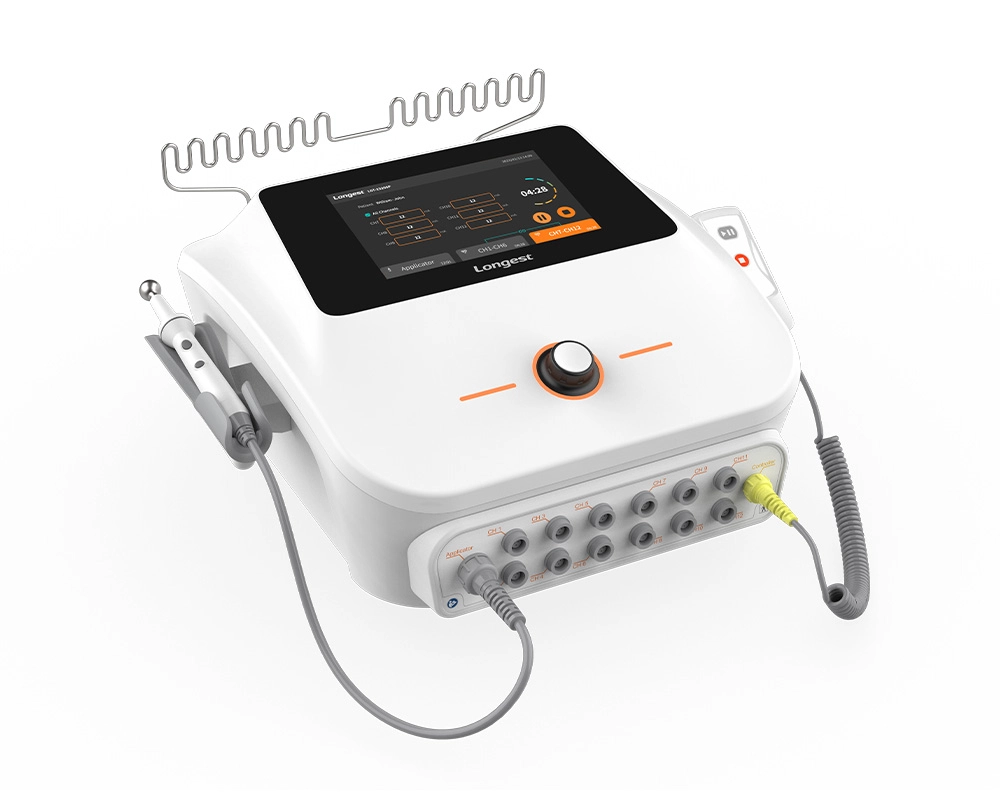
Professional 12-Channel Low-Frequency Electrical Stimulation Machine LGT-2320SP
LGT-2320SP is an advanced electrical stimulation sports training station. It leads to multisite high-efficiency strength gain and realizes bilateral balanced development with motor point detection.
Specifically designed for sports medicine professionals, this device is ideal for the treatment and rehabilitation of sports-related injuries. It delivers precise electrical impulses to targeted areas of the body, promoting pain relief, muscle strengthening, and accelerated recovery.
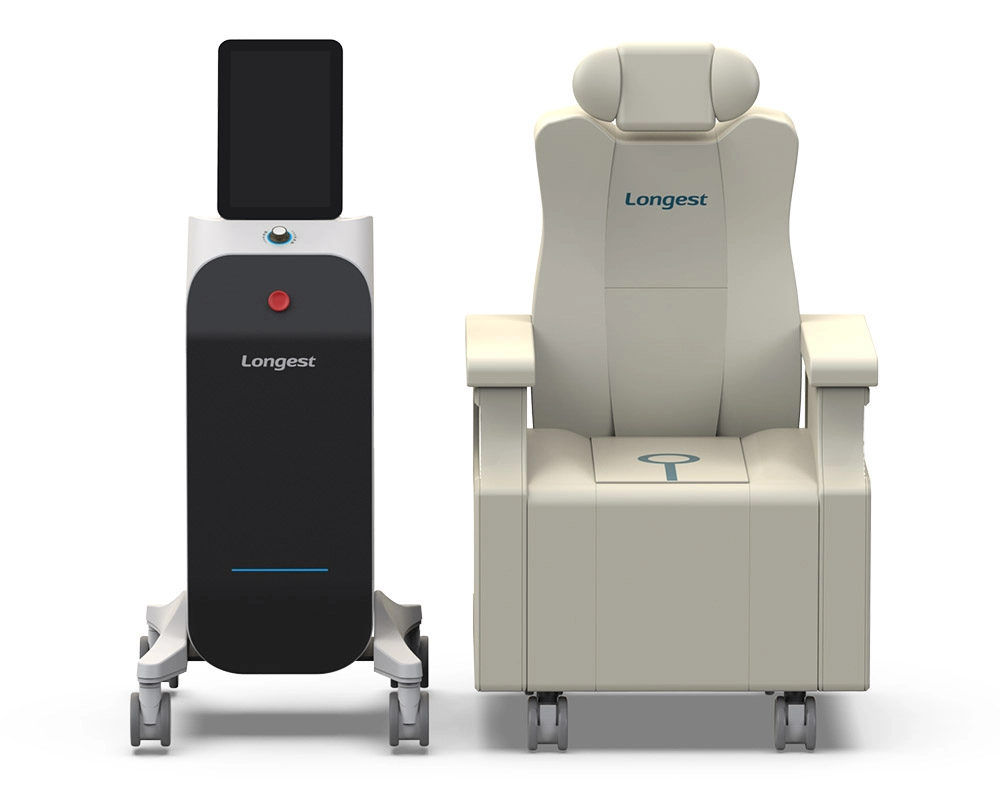
Electromagnetic Stimulator for Pelvic floor rehabilitation LGT-2640AP
The LGT-2640AP Pelvic Floor Magnetic Stimulator is a precision rehabilitation device designed for targeted pelvic floor therapy. Featuring 24 visualized preset protocols (paired with anatomical diagrams), customizable treatment plans, and a pre-adaptation function, it delivers non-invasive, painless stimulation to support postpartum recovery, male pelvic floor rehabilitation, and geriatric pelvic health.
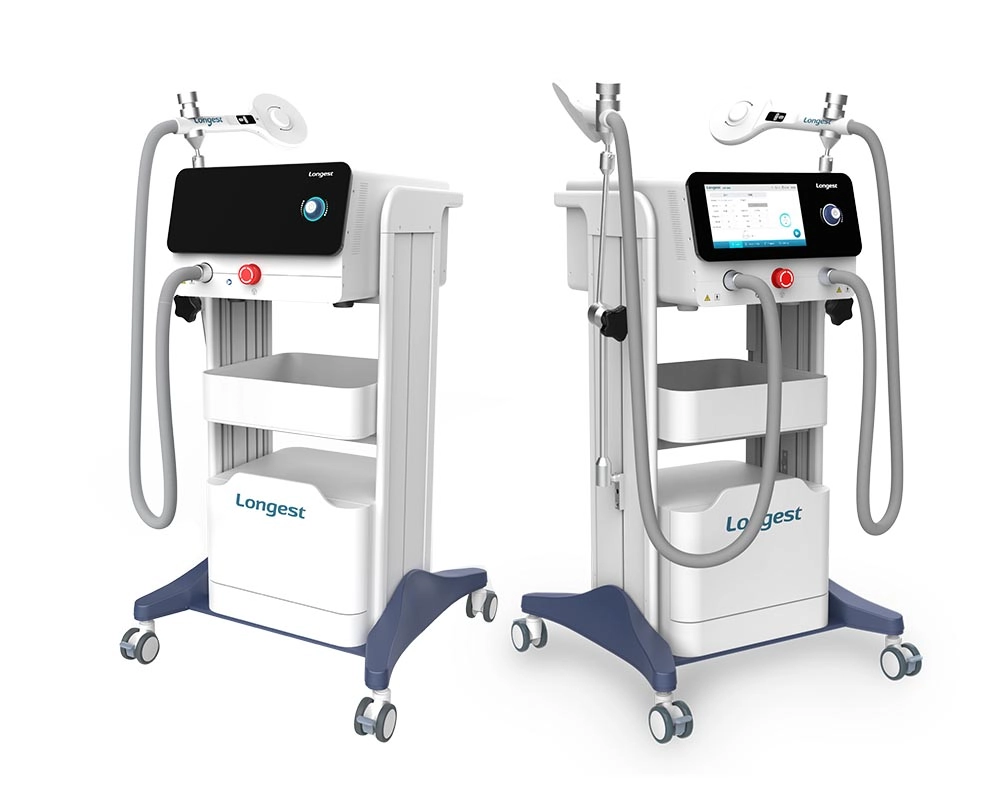
Electromagnetic Stimulator for Musculoskeletal Rehabilitation LGT-2660AP/BP
The LGT-2660 Series Electromagnetic Stimulator for Musculoskeletal Pain is an advanced rehabilitation device engineered to address a wide range of musculoskeletal pain conditions and associated dysfunctions. Operating on the principle of electromagnetic induction, it generates induced currents to regulate neuromuscular function while delivering deeply penetrating energy—this energy transcends superficial tissues to act directly on muscles, joints, and bones. For both acute and chronic musculoskeletal pain, it provides a safe, efficient, and medication-free new solution.
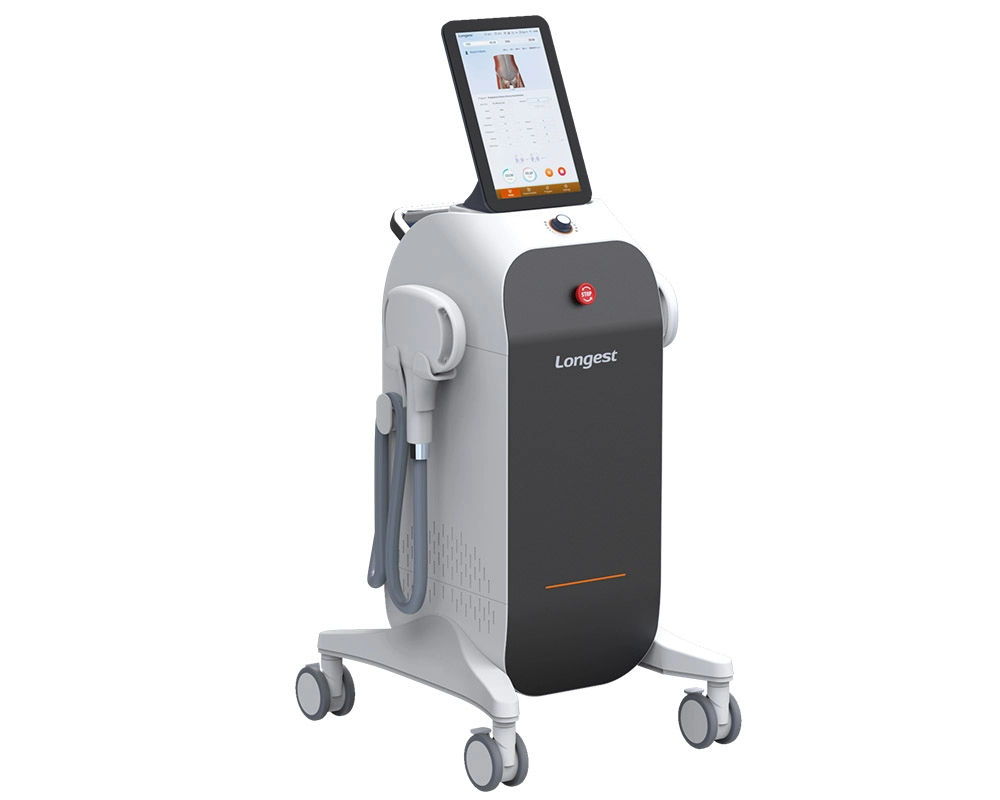
Electromagnetic Stimulator for Body Shaping LGT-2650BP
The LGT-2650BP is a premium unisex body contouring device. Powered by high-intensity magnetic stimulation, it induces intense muscle contractions—effectively boosting muscle tone while reducing stubborn fat deposits. It is widely suited for weight management, body shaping, and individuals with excess weight alike.

Call us:
+86 020 – 66353999

export@longest.cn

Address:
301 & 401 of Building 2 & Building 3, No. 96, Chuangqiang Road, Ningxi Street, Zengcheng District, Guangzhou, Guangdong Province, 511399, P.R. China.
Tips: The content on this website is a general description of the product.
The final configuration, parameters, and functions of the product may vary in accordance with the regulatory requirements of different countries and regions.
© 2025 Longest Medical. All Rights Reserved. Powered by gooeyun.
LongestMedical
LongestGloba
longest
guangzhou_longest
GzLongest