


Active Passive Trainer Cost in Los Angeles: Buy, Rent, Lease Guide
- Introduction: Why active passive trainer cost in Los Angeles matters for clinics
- Quick market context
- What is an active-passive trainer?
- Definition and common clinical uses
- Typical price ranges for active passive trainers in Los Angeles
- New entry-level to mid-tier units (purchase)
- Mid-to-high-end rehabilitation trainers (purchase)
- Advanced robotic systems and integrated solutions (purchase)
- Rental and leasing options in Los Angeles
- Short-term rental typical costs
- Operating leases and capital leases for clinics
- Refurbished and used equipment: cost-saving alternatives
- How much can you save with refurbished units?
- Factors that influence active passive trainer cost in Los Angeles
- Device features and technical specification
- Service, warranty, and local support
- Delivery, installation, and training
- How to evaluate cost versus clinical and business benefits
- Calculate utilization, reimbursement, and revenue potential
- Consider patient outcomes and marketing value
- Where to buy, rent, or lease in Los Angeles
- Local distributors, national manufacturers, and third-party resellers
- Online marketplaces and certified refurbishers
- Financing, tax, and procurement tips
- Financing structures and tax considerations
- Negotiate bundled deals and service agreements
- Maintenance, warranty, and lifecycle costs
- Budget for preventive maintenance and downtime
- Software updates and cybersecurity
- How Longest Medical supports buyers and clinics
- Company profile and product fit
- Commercial benefits from partnering with Longest Medical
- Making a buying decision: practical checklist
- Essential questions to ask before purchase, rental, or lease
- Trial periods and pilot programs
- Conclusion: balancing cost, capability, and clinical outcomes
- Final guidance for Los Angeles buyers
- Frequently Asked Questions
- Common buyer questions (answers follow)
Introduction: Why active passive trainer cost in Los Angeles matters for clinics
Quick market context
Understanding the active passive trainer cost in Los Angeles is essential for clinic owners, physical therapists, and rehab managers who want to expand services, improve patient outcomes, and manage capital wisely. Commercial intent buyers—those looking to buy, rent, or lease—need a clear, realistic view of pricing, operating costs, and value so they can make confident purchasing decisions for their rehabilitation or medical aesthetic practices.
What is an active-passive trainer?
Definition and common clinical uses
An active-passive trainer is a rehabilitation device that can move a patient’s limb passively (device-driven), assist movement (assist-as-needed), or support active patient-driven motion. These trainers are used in physical therapy, neurological rehabilitation, postoperative recovery, and veterinary rehabilitation. When you evaluate active passive trainer cost in Los Angeles, consider the model’s capability—range of motion, programmable protocols, feedback systems, and compatibility with clinical workflows.
Typical price ranges for active passive trainers in Los Angeles
New entry-level to mid-tier units (purchase)
Entry-level passive or simple active-assist devices for single-joint therapy (e.g., wrist, ankle, knee CPM-style or motor-assist exercise trainers) often sell new in the U.S. market for roughly $2,000 to $8,000. These units are suited for outpatient clinics and small practices where budget sensitivity matters.
Mid-to-high-end rehabilitation trainers (purchase)
Mid-tier active-passive trainers with multi-joint capability, programmable therapy sessions, and clinician software generally range from about $8,000 to $30,000. These models add data tracking, more robust motors, and expanded protocol libraries—attributes that increase initial cost but improve throughput and billing opportunities.
Advanced robotic systems and integrated solutions (purchase)
Advanced robotic trainers and integrated rehabilitation stations that include real-time biofeedback, virtual reality modules, or multi-limb capability can cost $30,000 to $200,000 or more. These systems are typically purchased by large hospitals, specialized neurorehab centers, or research institutions that require high-end functionality and data integration.
Rental and leasing options in Los Angeles
Short-term rental typical costs
For clinics testing new services or covering short-term caseload increases, renting an active passive trainer is common. Typical short-term rental for simple units can be about $50 to $250 per week. For larger, more complex trainers, weekly rental may be $200 to $800, depending on the unit, maintenance included, and delivery logistics in Los Angeles.
Operating leases and capital leases for clinics
Leasing spreads cost over time and conserves capital. Monthly lease payments vary widely: expect entry-level leased units to be $100–$400 per month, mid-tier $400–$1,500 per month, and high-end devices potentially $1,500–$6,000 per month depending on lease length, down payment, and residual values. Leasing often includes service agreements—factor that into the active passive trainer cost in Los Angeles.
Refurbished and used equipment: cost-saving alternatives
How much can you save with refurbished units?
Refurbished active passive trainers can reduce upfront cost by 30%–60% versus new, depending on age, warranty, and refurbishment quality. In Los Angeles, reputable refurbishers and medical equipment resellers offer inspected units with limited warranties—an attractive route for small clinics that need functionality but must manage budgets.
Factors that influence active passive trainer cost in Los Angeles
Device features and technical specification
Key cost drivers include number of degrees of freedom (single-joint vs multi-joint), motor power, programmability, data capture and reporting, software licensing, and optional modules (e.g., VR, gait analysis). More features add to both purchase price and maintenance costs.
Service, warranty, and local support
Service contracts and warranty length materially affect total cost of ownership. In Los Angeles, devices with local technical support and on-site servicing reduce downtime—an important commercial factor when calculating the active passive trainer cost in Los Angeles for revenue-generating clinics.
Delivery, installation, and training
Delivery and clinical training are often included for new purchases but may be extra for rented or refurbished equipment. Installation complexity and staff training time should be included in budgeting because they directly affect time-to-bill and the device’s return on investment.
How to evaluate cost versus clinical and business benefits
Calculate utilization, reimbursement, and revenue potential
Estimate patient throughput, reimbursement codes you can bill (where applicable), and session pricing. A higher initial active passive trainer cost in Los Angeles can be justified if the device increases billable sessions, attracts new patients, or enables higher-margin services like postoperative accelerated rehab or specialized neurotherapy.
Consider patient outcomes and marketing value
Devices that produce measurable outcome improvements and patient satisfaction can shorten treatment courses, increase referrals, and strengthen your clinic’s market position. Those intangible benefits should be part of your cost-benefit analysis when comparing purchase, lease, or rental options.
Where to buy, rent, or lease in Los Angeles
Local distributors, national manufacturers, and third-party resellers
Los Angeles has regional medical equipment distributors, national manufacturers’ reps, and independent resellers. For commercial buyers searching “active passive trainer cost in Los Angeles,” request multiple quotes to compare price, warranty terms, delivery, and training. Always ask for references from similar clinics in your area.
Online marketplaces and certified refurbishers
Certified refurbishers and reputable online marketplaces list used devices with inspection reports. Ensure you confirm service history, available spares, and return policy. A trusted refurbisher in LA may provide a cost-effective path to obtaining advanced functionality at reduced active passive trainer cost in Los Angeles.
Financing, tax, and procurement tips
Financing structures and tax considerations
Equipment financing, operating leases, and capital leases each have different balance-sheet and tax implications. Some clinics capitalize equipment; others prefer operating leases to preserve cash and keep debt off the balance sheet. Consult an accountant familiar with medical equipment procurement in California to understand depreciation, Section 179 (where relevant), and local tax incentives.
Negotiate bundled deals and service agreements
Sellers often discount when you buy multiple devices, commit to a service plan, or agree to a multi-year lease. Negotiate delivery, initial training, software licenses, and spare parts into the contract to lower long-term active passive trainer cost in Los Angeles.
Maintenance, warranty, and lifecycle costs
Budget for preventive maintenance and downtime
Plan on annual preventive maintenance and occasional part replacements. Typical maintenance contracts in metropolitan areas like Los Angeles can be a fixed annual fee or hourly rates for service visits. Budgeting for maintenance avoids surprise costs and keeps patient schedules on track.
Software updates and cybersecurity
If your active-passive trainer includes software for patient data or network connectivity, include costs for updates and cybersecurity measures. Compliance with HIPAA when patient data are stored or transmitted is critical for clinics in Los Angeles and across the U.S.
How Longest Medical supports buyers and clinics
Company profile and product fit
Founded in 2000, Longest Medical is a global leader in rehabilitation and aesthetic solutions focusing on non-invasive medical equipment. Its product lines include shock wave therapy, compression therapy, electrotherapy, electrostatic oscillation therapy, cryotherapy, ultrasound therapy, and active-passive trainers—making it a one-stop partner for clinics seeking comprehensive therapy suites in Los Angeles and beyond.
Commercial benefits from partnering with Longest Medical
Clinics in Los Angeles can expect manufacturer-backed warranty options, clinician training programs, and local distribution partnerships that reduce active passive trainer cost in Los Angeles when considering total cost of ownership. Longest Medical often provides configurable solutions, allowing buyers to match device capability to clinical needs and budget.
Making a buying decision: practical checklist
Essential questions to ask before purchase, rental, or lease
When evaluating active passive trainer cost in Los Angeles, ask: What clinical problems will the device solve? What is the realistic utilization rate? What are warranty and service terms? Is on-site training included? Can software integrate with your EMR? Are refurbished options available with service guarantees?
Trial periods and pilot programs
Request a trial or pilot whenever possible. Short-term rentals or pilot programs let you validate clinical workflows, patient acceptance, and billing potential before committing to a full purchase or multi-year lease.
Conclusion: balancing cost, capability, and clinical outcomes
Final guidance for Los Angeles buyers
Active passive trainer cost in Los Angeles varies greatly by device capability, vendor support, and procurement method. For many clinics, mid-tier new units or high-quality refurbished devices offer the best mix of cost and clinical return. Prioritize devices that match your caseload, include solid service agreements, and come from reputable manufacturers—such as Longest Medical—who provide training and post-sale support. Always compare multiple offers, consider leasing or renting to test demand, and budget for maintenance and software over the device lifecycle.
Frequently Asked Questions
Common buyer questions (answers follow)
Q: How much does a basic active-passive trainer cost to buy in Los Angeles?A: Basic entry-level units typically range from about $2,000 to $8,000 new. Refurbished units may be 30%–60% cheaper. Exact pricing depends on features, warranty, and vendor.
Q: What are typical rental rates for clinical use?A: Short-term rentals for simple units can be roughly $50–$250 per week; larger or more advanced trainers may rent for $200–$800 per week. Rates vary by provider, length of rental, and whether maintenance is included.
Q: Is leasing a better option than buying for small clinics?A: Leasing preserves capital and can include maintenance, but it may cost more over time. Buying can be cost-efficient if utilization is high. Choose leasing for flexibility or when you want to upgrade technologies frequently.
Q: Are refurbished active-passive trainers reliable?A: Reputable refurbishers inspect, replace worn parts, and often provide limited warranties. Refurbished units can be reliable and cost-effective when purchased from certified vendors with clear service histories.
Q: Does Longest Medical sell or support active-passive trainers in Los Angeles?A: Longest Medical, founded in 2000, offers active-passive trainers as part of a comprehensive rehab portfolio and provides training, warranty support, and distribution partnerships to clinics evaluating total cost of ownership.
Q: What additional costs should I budget beyond the purchase price?A: Include delivery, installation, staff training, service contracts, spare parts, software licenses, and potential network integration. These can meaningfully affect the total active passive trainer cost in Los Angeles.
Q: How can I estimate ROI for an active-passive trainer?A: Estimate additional billable sessions, patient throughput, payer reimbursement for therapy, and any new service lines the device enables. Compare these projected revenues to total cost of ownership (purchase/leasing, maintenance, operating costs) to model payback time.
Wholesale sequential compression device for dvt manufacturer and supplier
Top electrostatic oscillation device Manufacturers and Suppliers in 2026
Wholesale eswt shockwave therapy machine manufacturer and supplier
Tips for buy best neuro rehabilitation
LGT-2510B Copywriting - Physical Therapy Edition
Is OEM/ODM service available?
Yes. Contact us for more details. We offer professional OEM/ODM services.
LGT-2202DVT
How long should a DVT pump be used?
The duration of DVT pump usage depends on the individual's condition. In some cases, they may be used during hospitalization and then discontinued once the risk of thrombosis decreases. In other instances, individuals may be instructed to continue using the pump at home for a specific period or until they recover fully.
Electrostatic Oscillation
Is it safe to use this device? Are there any side effects?
The product has been strictly tested and FDA-certified, and it is very safe under normal use. However, there may be slight discomfort due to individual differences, which will generally be relieved by itself after stopping use, and there are almost no serious side effects.
Company
What are the company's efforts in research and development and what goals does it aim to achieve through such endeavors?
The company attaches great importance to research and development, regarding it as the core driving force for the enterprise's development. It has over 70 - 80 R&D personnel and invests more than 10 - 12% of its annual revenue in R&D. Committed to developing innovative medical and aesthetic equipment, the company aims to help practitioners, beauticians, and medical aesthetic institutions improve their service levels. By doing so, it enables more people to enjoy effective and reasonably priced aesthetic treatments, thus enhancing people's quality of life and self - confidence.
Kinesiotherapy
How often should one use an active-passive trainer?
The frequency of using an active-passive trainer can vary depending on an individual's condition and the advice of their healthcare professional. Generally, therapy sessions with the trainer can be conducted several times a week, ranging from 2 to 5 sessions, with each session lasting 20 to 60 minutes.
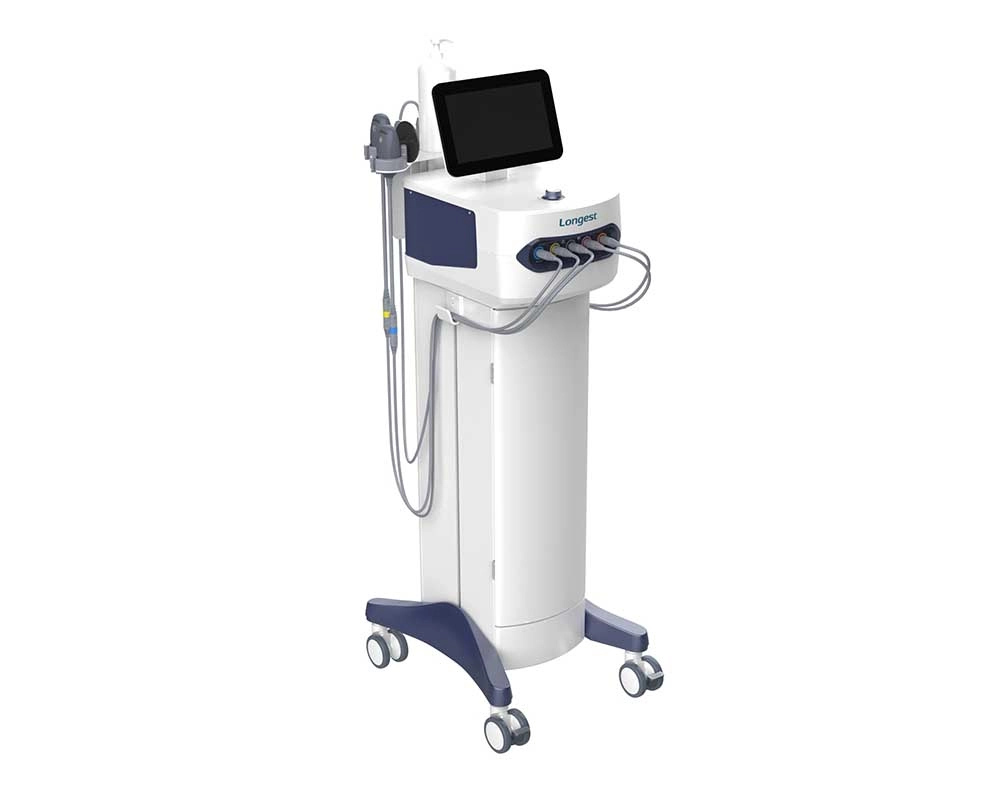
High Frequency Therapy Device LGT-3500LP
The LGT-3500 High Frequency Therapy Device redefines non-invasive electrotherapy. Powered by advanced TECAR Therapy technology, it delivers targeted, safe, and effective treatment for pain management, tissue repair and more—tailored to meet the diverse needs of clinics and hospitals.
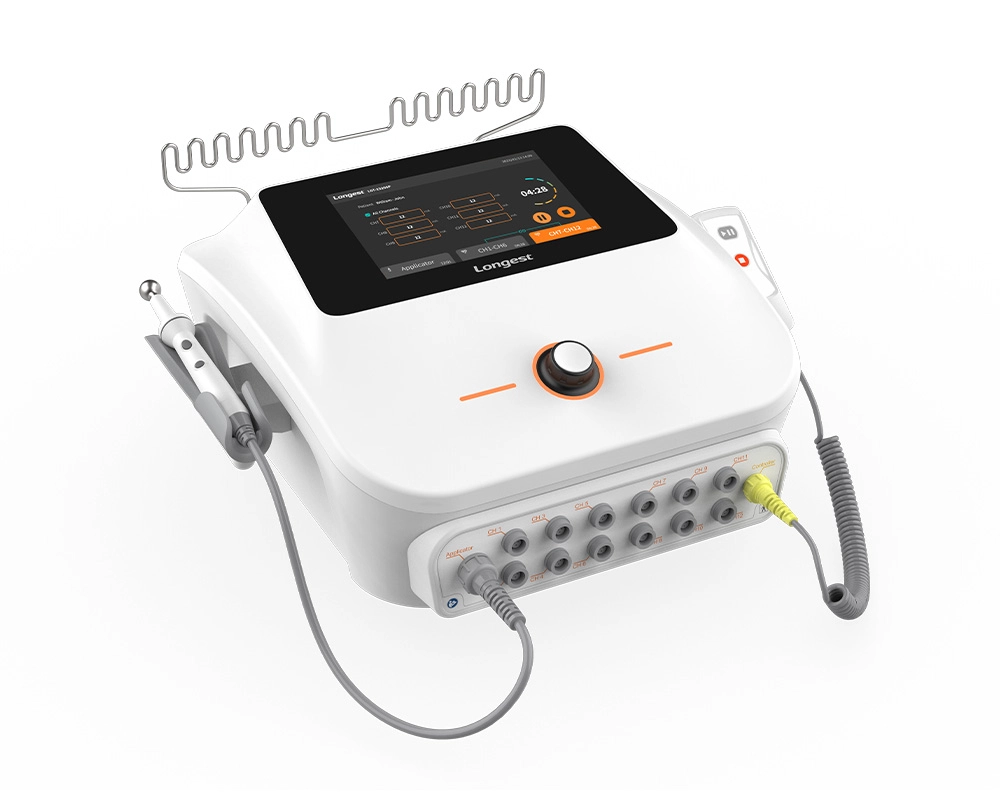
Professional 12-Channel Low-Frequency Electrical Stimulation Machine LGT-2320SP
LGT-2320SP is an advanced electrical stimulation sports training station. It leads to multisite high-efficiency strength gain and realizes bilateral balanced development with motor point detection.
Specifically designed for sports medicine professionals, this device is ideal for the treatment and rehabilitation of sports-related injuries. It delivers precise electrical impulses to targeted areas of the body, promoting pain relief, muscle strengthening, and accelerated recovery.
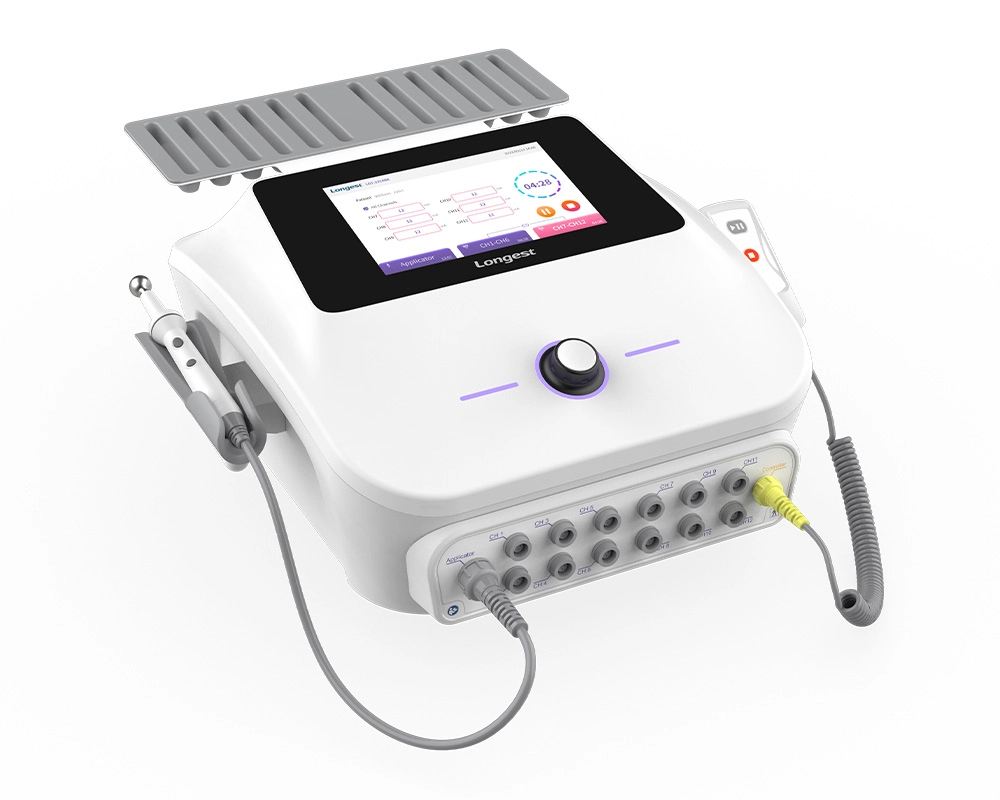
Professional 12-Channel Low-Frequency Electrical Stimulation Machine LGT-2320BE
The LGT-2320BE is an advanced EMS machine, leveraging the power of low-frequency electrical stimulation therapy to achieve remarkable results in body sculpting.
It not only efficiently contours and tones the body but also actively promotes muscle relaxation, relieving tension and soreness. Moreover, it plays a significant role in enhancing skin elasticity, rejuvenating the skin's appearance and suppleness.
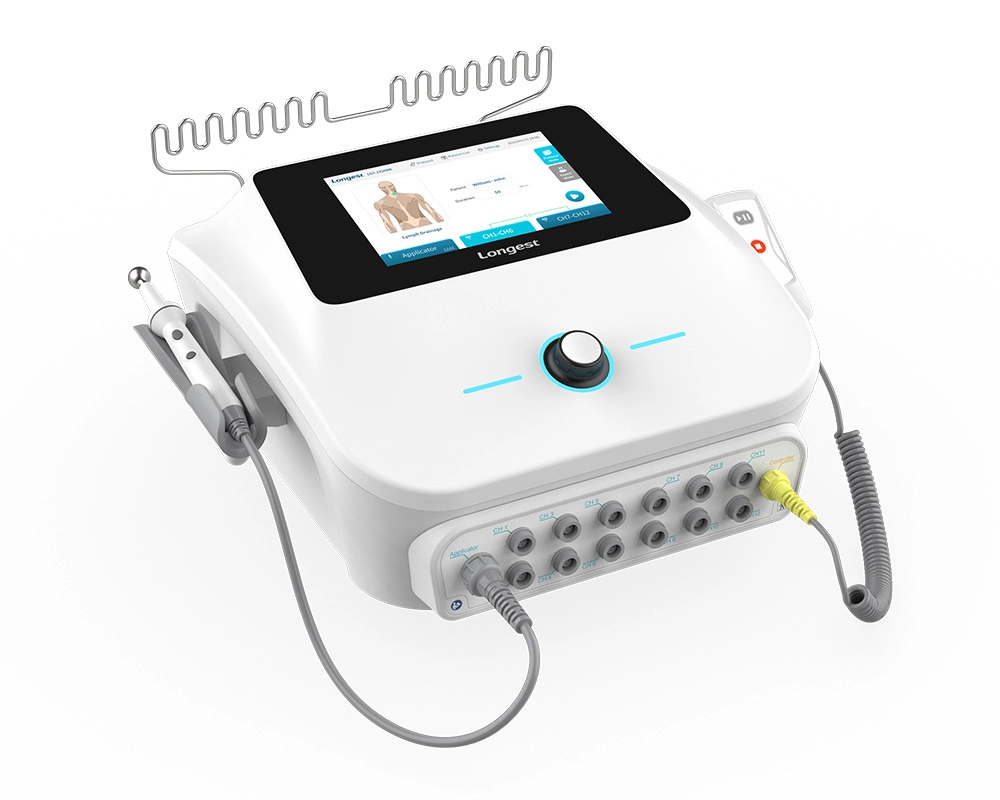
Neuromuscular Electrical Stimulation NMES Machine LGT-2320ME
The LGT-2320ME, a portable electro-stimulation therapy device, is mainly composed of the main unit, a hand switch, a pen electrode controller, and diverse types of electrodes.
It has the capacity to supply three channel groups (CH1-CH6, CH7-CH12, and the Applicator channel) with either TENS or NMES current. Specifically engineered for utilization in hospitals and clinics, this device effectively assists patients in reclaiming lost muscle strength and expedites recovery times, consequently enhancing the overall standard of patient care and bringing about more satisfactory rehabilitation outcomes.

Call us:
+86 020 – 66353999

export@longest.cn

Address:
301 & 401 of Building 2 & Building 3, No. 96, Chuangqiang Road, Ningxi Street, Zengcheng District, Guangzhou, Guangdong Province, 511399, P.R. China.
Tips: The content on this website is a general description of the product.
The final configuration, parameters, and functions of the product may vary in accordance with the regulatory requirements of different countries and regions.
© 2025 Longest Medical. All Rights Reserved. Powered by gooeyun.
LongestMedical
LongestGloba
longest
guangzhou_longest
GzLongest