


Active Passive Trainer Cost in San Jose: A Practical Buyer’s Guide for Clinics and Rehab Centers
- Active Passive Trainer Cost in San Jose: Overview for Buyers
- Why Price Varies: Key Cost Drivers
- Device Class and Features
- New vs. Refurbished vs. Rental
- Typical Price Ranges in the San Jose Market
- Estimated Price Bands (U.S. Benchmarks)
- San Jose-Specific Cost Considerations
- Installation, Training and Service
- Buy vs. Rent vs. Lease: Making the Right Financial Choice
- When to Buy
- When to Rent or Lease
- Total Cost of Ownership (TCO): Beyond the Sticker Price
- Example TCO Factors
- Clinical Value and ROI: How to Justify the Investment
- Reimbursement and Revenue Opportunities
- How to Compare Suppliers in San Jose
- Questions to Ask Vendors
- Why Choose Longest Medical for Active Passive Trainers
- Service and Support Strengths
- Practical Tips for San Jose Buyers
- Conclusion: Making a Cost-Effective Decision
- Frequently Asked Questions
Active Passive Trainer Cost in San Jose: Overview for Buyers
Active passive trainers are motorized rehabilitation devices that support both passive movement and patient-driven active exercise. Clinics, therapy centers, and home-care providers in San Jose increasingly consider these units for neurological rehab, orthopedic recovery, and long-term mobility maintenance. Understanding price drivers and local market factors helps you make a cost-effective purchase or rental choice.
Why Price Varies: Key Cost Drivers
Several factors determine the cost of an active passive trainer: build quality, motor power and smoothness, programmability, supported joints (knee, elbow, shoulder), digital interfaces, data logging, warranty and service, and add-on accessories like custom straps or tablet mounts. Commercial-grade models with advanced biofeedback and remote monitoring are more expensive than simple passive-only machines.
Device Class and Features
Basic continuous passive motion (CPM) units are priced lower than advanced active-passive trainers with resistance control, sensors, and software. If you need adjustable resistance, patient-prescribed exercise programs, or integration with clinic software, expect a higher upfront cost.
New vs. Refurbished vs. Rental
New units come with full warranties and the latest features, while refurbished or used machines offer savings but may carry higher maintenance risk. Rental is a flexible option for post-op or short-term needs and often includes delivery and service in the monthly fee.
Typical Price Ranges in the San Jose Market
In the San Jose area, equipment costs are influenced by higher operating and shipping expenses, local demand, and service availability. The following ranges reflect typical market observations and should be used as a planning reference rather than exact quotes.
Estimated Price Bands (U.S. Benchmarks)
- Entry-level or basic CPM-style passive trainers: approximately $1,000 to $4,000 new. - Mid-range active-passive trainers (motorized with programmability): roughly $3,000 to $12,000 new. - High-end rehabilitation trainers with biofeedback, multi-joint options, and cloud reporting: commonly $10,000 to $25,000+. - Refurbished units: can be 30–60% less than new prices depending on age and condition. - Rentals: short-term programs may cost $100–$600 per month for basic units and more for advanced systems with service included.
San Jose-Specific Cost Considerations
Buying in San Jose often adds local considerations: higher sales tax, High Quality for quick local delivery and on-site setup, and potentially higher service rates if a manufacturer needs specialized technicians. However, San Jose also benefits from a dense healthcare ecosystem where suppliers may offer competitive service plans.
Installation, Training and Service
Installation and clinician training are frequently billed separately or bundled as a service package. Budget for professional setup and at least one on-site or virtual training session to ensure safe, effective use—especially for multi-parameter active-passive trainers.
Buy vs. Rent vs. Lease: Making the Right Financial Choice
Whether you buy, rent, or lease depends on expected utilization, capital budget, and clinical goals. High-utilization clinics often justify buying to lower long-term cost per treatment, while short-term needs or pilot programs may prefer renting.
When to Buy
Buy if your clinic expects frequent use, needs advanced features, and wants long-term asset value. Buying can yield lower cost per session over 2–5 years and gives full control over uptime and customization.
When to Rent or Lease
Rent or lease for post-operative recovery periods, clinical trials, or when capital is constrained. Rentals often include maintenance, while leases can preserve cash flow with predictable monthly payments and options to upgrade.
Total Cost of Ownership (TCO): Beyond the Sticker Price
TCO includes purchase price, shipping and installation, service contracts, spare parts, software subscriptions, and downtime costs. For high-use clinics, service agreements and rapid-response repairs reduce costly downtime and protect patient throughput.
Example TCO Factors
- Annual service contract (parts and labor) can be 5–15% of the device price. - Software subscription fees for cloud reporting or remote monitoring may be recurring. - Training refreshers for staff should be budgeted every 1–2 years for optimal outcomes.
Clinical Value and ROI: How to Justify the Investment
Active passive trainers can shorten recovery times, support higher patient throughput, and expand service offerings (neurological rehab, orthopedic recovery, and geriatric mobility programs). Track metrics such as reduced therapy sessions per patient, improved functional outcome scores, and increased referrals to quantify ROI.
Reimbursement and Revenue Opportunities
While reimbursement policies vary, offering evidence-based active-passive therapy can support billing for skilled therapy sessions and attract referrals. Clinics that market specialized rehab capabilities often gain incremental revenue from new patient segments.
How to Compare Suppliers in San Jose
When soliciting quotes, compare: device specifications, warranty length/details, availability of local service technicians, training offerings, lead times, and total bundled costs (delivery + setup + first-year service). Ask for clinic references and a clear escalation path for repairs.
Questions to Ask Vendors
- What is included in the base price? - Are on-site setup and clinician training included? - What are typical repair turnaround times in the Bay Area? - Do you provide loaner equipment during major repairs?
Why Choose Longest Medical for Active Passive Trainers
Founded in 2000, Longest Medical has global experience providing non-invasive rehabilitation solutions, including active-passive trainers. Our portfolio also covers shock wave therapy, compression therapy, electrotherapy, electrostatic oscillation therapy, cryotherapy, and ultrasound therapy. Longest Medical focuses on device reliability, clinician training, and service programs—critical elements when investing in active-passive equipment in San Jose.
Service and Support Strengths
Longest Medical emphasizes clinical training, warranty coverage, and local support options. For San Jose customers, we work to minimize downtime by coordinating fast service and offering flexible purchase, lease, and rental models to meet unique clinic needs.
Practical Tips for San Jose Buyers
- Plan ahead for installation space and power requirements—some motorized trainers need dedicated floor space and electrical specs. - Negotiate bundled service and training into the purchase price. - Consider pilot testing a unit on rental to evaluate patient outcomes before committing to purchase. - Ask about local references to validate vendor response times.
Conclusion: Making a Cost-Effective Decision
Active passive trainer costs in San Jose reflect a balance of device features, service expectations, and local market conditions. By comparing total cost of ownership, vendor support, and clinical value, clinics can choose solutions that improve outcomes and deliver measurable ROI. Longest Medical’s two decades of experience and broad rehabilitation portfolio make us a practical partner for clinics seeking reliable active-passive trainers and ongoing support.
Frequently Asked Questions
How much should a clinic budget for a durable active-passive trainer in San Jose? Budgeting a range between approximately $3,000 and $15,000 for a mid-range new unit is reasonable; include additional funds for installation, first-year service, and staff training.
Can I rent an active-passive trainer in San Jose instead of buying? Yes. Rentals are common for short-term needs or trials. Rental fees vary by model and contract length; many providers include delivery and service in monthly fees.
What ongoing costs should I expect after purchase? Expect annual service contracts (often a percentage of purchase price), potential software subscription fees, spare parts, and periodic staff training refreshers.
Do used or refurbished machines offer good value? They can lower upfront cost significantly, but carefully evaluate condition, remaining useful life, warranty, and availability of parts and local service.
How do I measure ROI for an active-passive trainer? Track clinical outcomes, patient throughput, session counts per recovery episode, new patient referrals, and revenue from specialized rehab programs to estimate ROI over 1–5 years.
Why choose Longest Medical as a supplier in San Jose? Longest Medical brings 20+ years of experience in non-invasive rehabilitation solutions, a broad product portfolio, and an emphasis on training and support. We offer flexible purchasing and service options tailored to clinical needs.
Regulatory Guide: Importing Medical Devices from China to US/EU
Tips for buy best commercial rehab equipment for low back
Wholesale air compression recovery boots manufacturer and supplier
Comprehensive Shockwave Therapy Machine Manual: User Guide and Best Practices
LGT-2500F Copywriting - Physical Therapy Edition
Is OEM/ODM service available?
Yes. Contact us for more details. We offer professional OEM/ODM services.
5- LGT-2500X copywriting, physical therapy version
How does the PowerShocker LGT-2500X help track treatment progress?
It has an evaluation system. It allows for before and after VAS score and range of motion comparison. This helps track treatment progress and aids in decision-making.
After-sales Service
How can I contact your after-sales support team?
You can contact our after-sales support team via email at the following addresses:
service@longest.cn
LGT-2320BE
Is there any downtime after using Electrical Stimulation Machine for aesthetic treatments?
Generally, there is little to no downtime. Patients can usually resume their normal activities immediately after the treatment. However, some may experience mild muscle soreness or a tingling sensation in the treated area, which typically subsides within a short period.
2410S
How does the LGT-2410S perform in terms of durability and maintenance in a busy clinic environment?
It is designed to withstand high-intensity use and has extremely low maintenance requirements, enabling continuous long-term operation without being prone to damage.
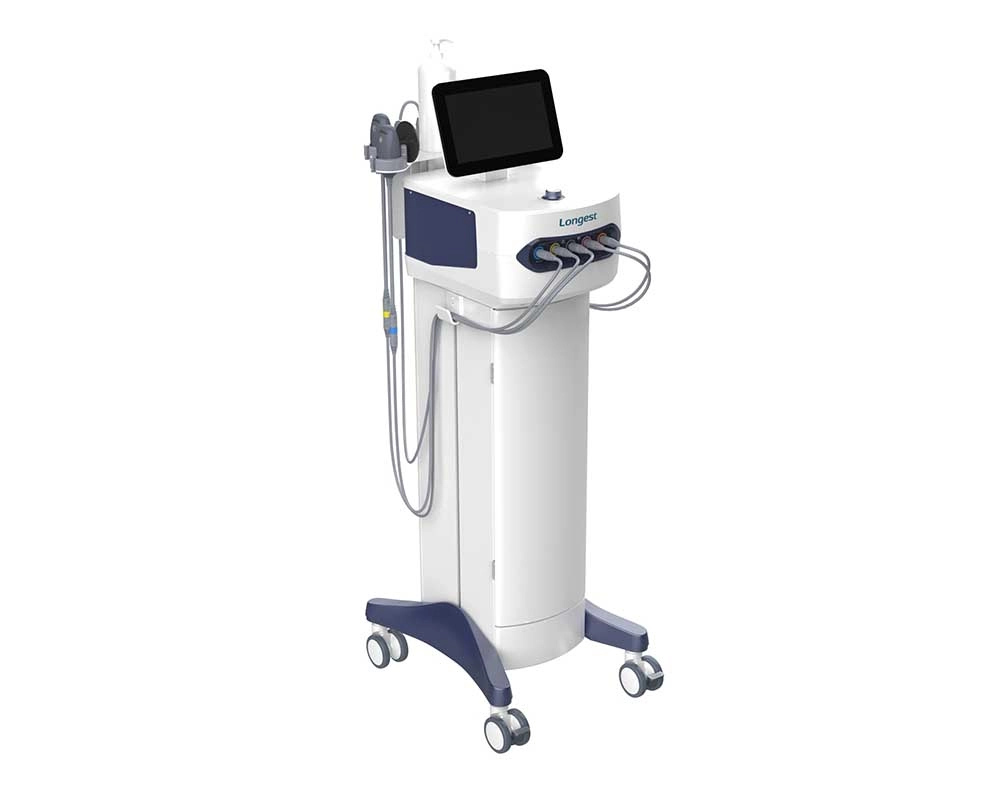
High Frequency Therapy Device LGT-3500LP
The LGT-3500 High Frequency Therapy Device redefines non-invasive electrotherapy. Powered by advanced TECAR Therapy technology, it delivers targeted, safe, and effective treatment for pain management, tissue repair and more—tailored to meet the diverse needs of clinics and hospitals.
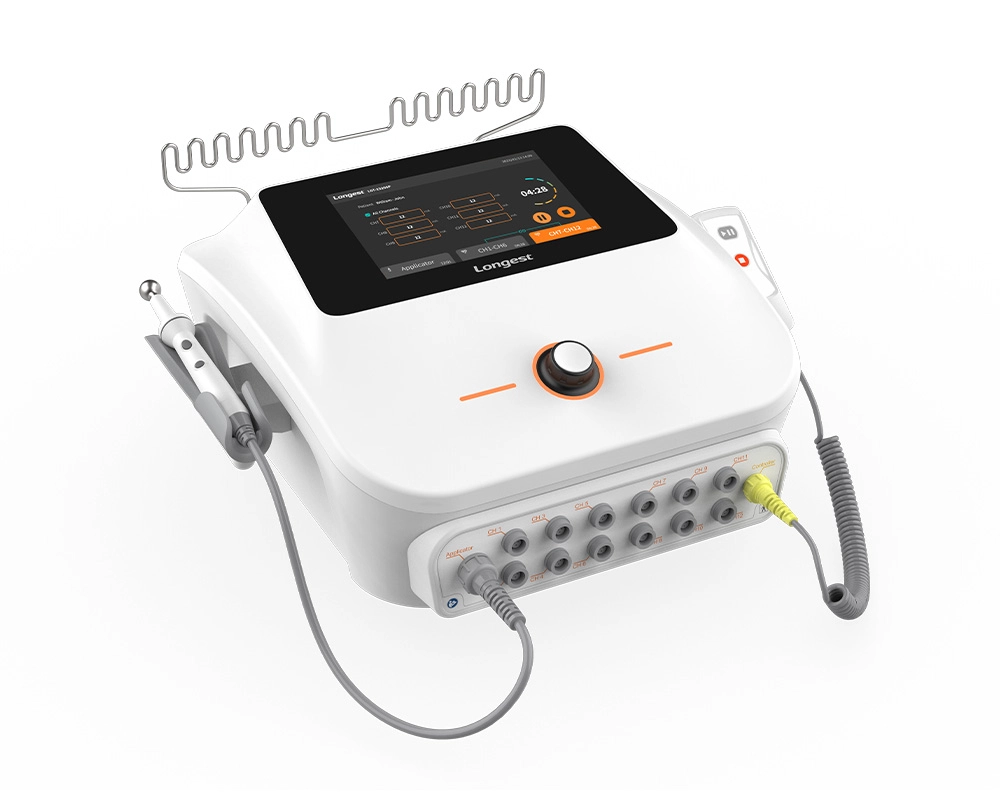
Professional 12-Channel Low-Frequency Electrical Stimulation Machine LGT-2320SP
LGT-2320SP is an advanced electrical stimulation sports training station. It leads to multisite high-efficiency strength gain and realizes bilateral balanced development with motor point detection.
Specifically designed for sports medicine professionals, this device is ideal for the treatment and rehabilitation of sports-related injuries. It delivers precise electrical impulses to targeted areas of the body, promoting pain relief, muscle strengthening, and accelerated recovery.
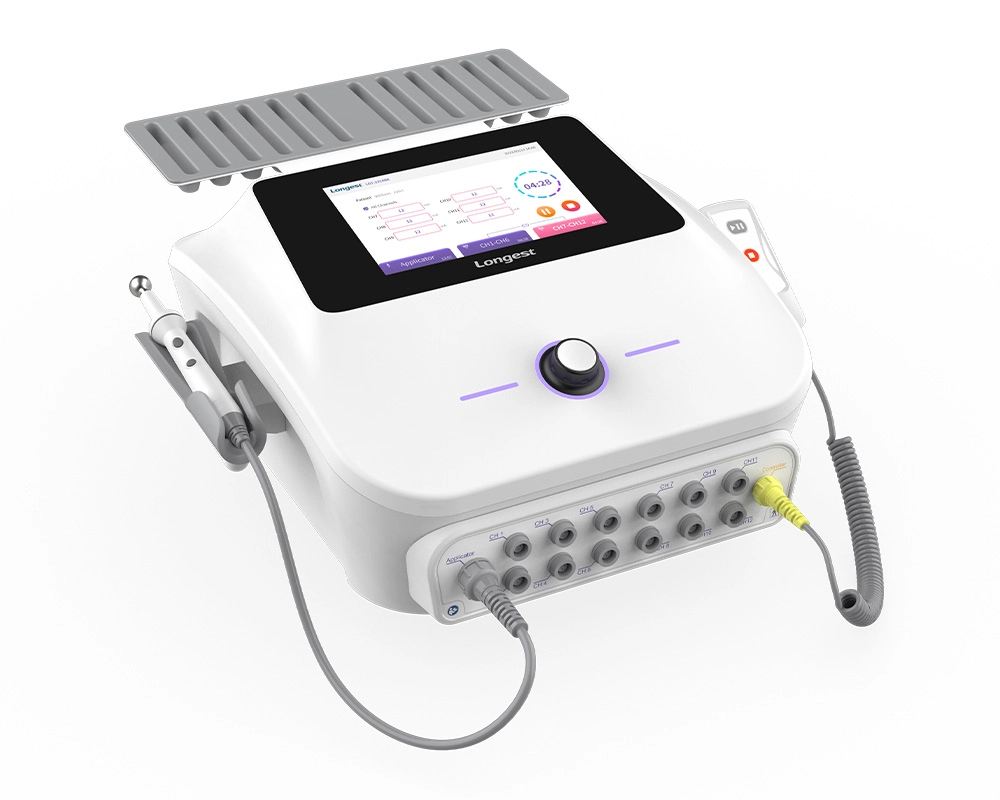
Professional 12-Channel Low-Frequency Electrical Stimulation Machine LGT-2320BE
The LGT-2320BE is an advanced EMS machine, leveraging the power of low-frequency electrical stimulation therapy to achieve remarkable results in body sculpting.
It not only efficiently contours and tones the body but also actively promotes muscle relaxation, relieving tension and soreness. Moreover, it plays a significant role in enhancing skin elasticity, rejuvenating the skin's appearance and suppleness.
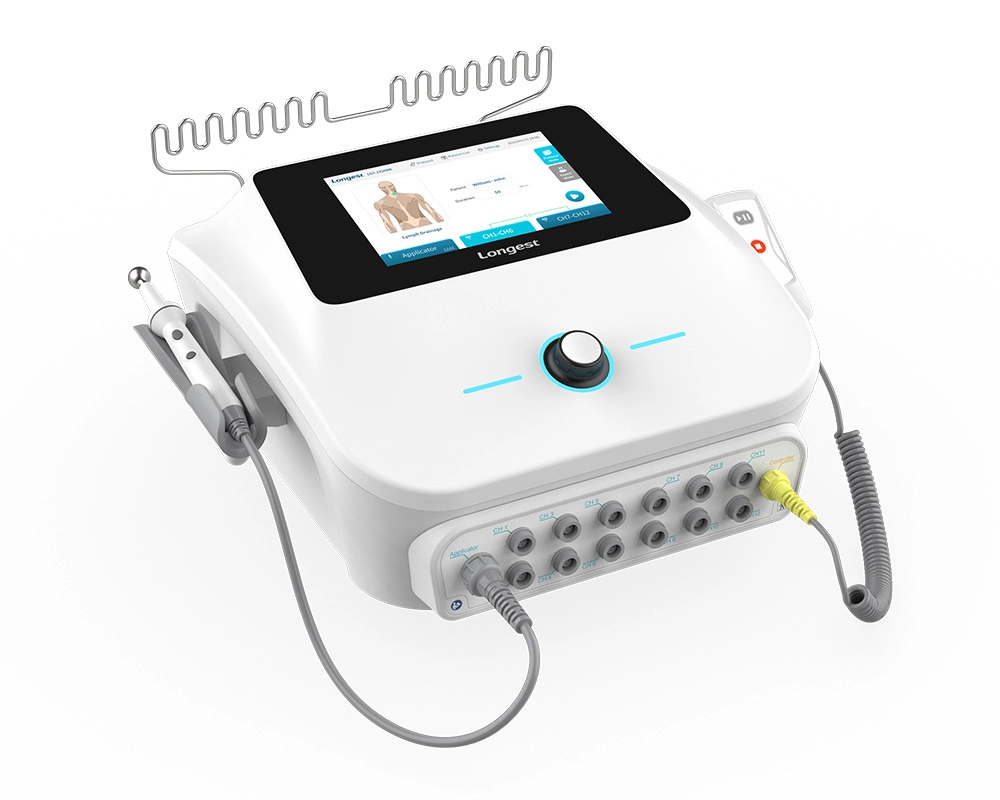
Neuromuscular Electrical Stimulation NMES Machine LGT-2320ME
The LGT-2320ME, a portable electro-stimulation therapy device, is mainly composed of the main unit, a hand switch, a pen electrode controller, and diverse types of electrodes.
It has the capacity to supply three channel groups (CH1-CH6, CH7-CH12, and the Applicator channel) with either TENS or NMES current. Specifically engineered for utilization in hospitals and clinics, this device effectively assists patients in reclaiming lost muscle strength and expedites recovery times, consequently enhancing the overall standard of patient care and bringing about more satisfactory rehabilitation outcomes.

Call us:
+86 020 – 66353999

export@longest.cn

Address:
301 & 401 of Building 2 & Building 3, No. 96, Chuangqiang Road, Ningxi Street, Zengcheng District, Guangzhou, Guangdong Province, 511399, P.R. China.
Tips: The content on this website is a general description of the product.
The final configuration, parameters, and functions of the product may vary in accordance with the regulatory requirements of different countries and regions.
© 2025 Longest Medical. All Rights Reserved. Powered by gooeyun.
LongestMedical
LongestGloba
longest
guangzhou_longest
GzLongest