


How the LGT-2520GP Shockwave Therapy Device Relieves Pain
- How the LGT-2520GP Shockwave Therapy Device Relieves Pain
- What is the Electromagnetic Focused Shockwave Therapy Machine LGT-2520GP?
- Overview: what a shockwave therapy device does
- How focused electromagnetic shockwaves reduce pain: the mechanisms
- Clinical indications: when to choose a shockwave therapy device
- Treatment planning with the LGT-2520GP shockwave therapy device
- Safety and tolerability of electromagnetic focused shockwave therapy
- Practical benefits in clinic: efficiency and patient experience
- Comparing the LGT-2520GP with other shockwave technologies
- Evidence snapshot for shockwave therapy devices
- How to integrate LGT-2520GP into a multimodal care pathway
- Brand advantages: why choose this product
- Real-world outcomes and ROI considerations
- Frequently Asked Questions (FAQ)
- Is the treatment painful?
- How many sessions are needed to see improvement?
- Are there patients who should not receive shockwave therapy?
- How does focused electromagnetic shockwave compare to injections?
- Will insurance cover treatment with a shockwave therapy device?
- Contact us / View the product
- References

How the LGT-2520GP Shockwave Therapy Device Relieves Pain
What is the Electromagnetic Focused Shockwave Therapy Machine LGT-2520GP?
The Electromagnetic Focused Shockwave Therapy Machine LGT-2520GP incorporates the state-of-the-art Electromagnetic Shockwave technology. This technology gives rise to a pressure field that converges within the adjustable focus at precise depths within particular tissues, attaining the maximum pressure. It is capable of precisely pinpointing the origin of musculoskeletal disorders, efficiently alleviating pain, facilitating tissue repair, and diminishing inflammation. The adjustable focus feature allows medical professionals to customize the treatment according to the specific requirements of each patient and the nature of their condition.
Overview: what a shockwave therapy device does
A shockwave therapy device generates acoustic pressure waves that travel through tissue and release energy where they converge. In focused systems like the LGT-2520GP, that energy can be concentrated at a specific depth and location to target tendons, ligaments, bone interfaces, or soft-tissue trigger points. The physiological response to these pressure waves — improved circulation, reduced pain signaling, and stimulation of tissue remodeling — is the basis for clinical improvement in many chronic musculoskeletal conditions. For clinicians seeking a noninvasive, clinic-based alternative to injections or surgery, a reliable shockwave therapy device can be an important option.
How focused electromagnetic shockwaves reduce pain: the mechanisms
Understanding how pain is reduced following treatment with a shockwave therapy device helps clinicians set realistic expectations and plan care. Several biologic mechanisms are supported by preclinical and clinical research:
- Mechanical stimulation and mechanotransduction: Focused acoustic pulses create micro-mechanical stress in targeted tissue, activating cellular signaling pathways that shift cells from a chronic degenerative state toward repair.
- Neovascularization and improved blood flow: Shockwaves upregulate angiogenic factors (for example VEGF), increasing new capillary formation and nutrient delivery to degenerated tissue.
- Modulation of pain mediators: Shockwave exposure can reduce levels of substance P and other inflammatory neuropeptides locally, decreasing nociceptor sensitivity and immediate pain perception.
- Promotion of tissue regeneration: Evidence shows increased expression of growth factors and recruitment of reparative cells that aid tendon and soft-tissue remodeling.
- Analgesic and motor effects: Acute analgesia may occur by interrupting pain circuits and causing temporary denervation followed by functional recovery.
These combined effects explain why patients often report both short-term pain relief and longer-term functional improvement after a series of sessions with a focused shockwave therapy device such as the LGT-2520GP.
Clinical indications: when to choose a shockwave therapy device
The LGT-2520GP is intended for musculoskeletal disorders where concentrated mechanical stimulation can help tissue healing and reduce pain. Common evidence-based indications include:
- Chronic tendinopathies (e.g., Achilles, patellar, lateral epicondylitis)
- Plantar fasciitis and heel pain
- Calcific shoulder tendinopathy
- Myofascial trigger points and chronic muscle pain
- Delayed or non-union bone healing adjunct therapy in some settings
Patient selection remains important: shockwave therapy devices are most effective for chronic, degenerative conditions (symptoms >3 months) that have not sufficiently responded to conservative care such as physical therapy, activity modification, or analgesics.
Treatment planning with the LGT-2520GP shockwave therapy device
One advantage of an electromagnetic focused shockwave system is precision. The LGT-2520GP allows clinicians to adjust focal depth and energy settings to match the anatomical target and tissue depth. A typical treatment plan includes:
- Initial assessment and imaging (ultrasound or MRI as indicated) to localize pathology
- Selection of focal depth and energy flux density (EFD) tailored to tendon, bone or soft tissue
- Series of 3–6 sessions spaced 1–2 weeks apart for most tendinopathies
- Concurrent rehabilitation (eccentric loading, stretching, activity modification) to maximize outcomes
Adjustability in the LGT-2520GP helps clinicians escalate or de-escalate energy and depth safely, matching the device output to each patient’s pain tolerance and therapeutic needs.
Safety and tolerability of electromagnetic focused shockwave therapy
Focused shockwave therapy is generally well tolerated when delivered by trained clinicians. Common immediate effects include transient local pain during application, mild erythema, or temporary swelling. Serious adverse events are uncommon when contraindications are observed (for example, pregnancy, untreated coagulopathy, local infection, or malignancy at the treatment site).
Because the LGT-2520GP concentrates energy at an adjustable focal point, practitioners can minimize surface discomfort and avoid unnecessary exposure to adjacent structures, improving the safety profile compared with less-targeted approaches.
Practical benefits in clinic: efficiency and patient experience
For clinics evaluating new equipment, the LGT-2520GP shockwave therapy device offers several practice advantages:
- Noninvasive, quick sessions (typically 5–20 minutes) that integrate easily into outpatient workflow
- Adjustable focus allows treatment of deep-seated lesions that radial devices cannot reach effectively
- Reduced need for repeat injections or imaging-guided procedures in many patients
- High patient acceptance due to rapid recovery and avoidance of systemic medications or surgery
Comparing the LGT-2520GP with other shockwave technologies
Clinicians should understand differences between commonly available shockwave device types when choosing equipment for a practice. Key distinctions are shown below.
| Feature | Electromagnetic Focused (e.g., LGT-2520GP) | Radial Pneumatic |
|---|---|---|
| Energy focus | Concentrated at adjustable focal depth | Surface-dispersed, maximum at skin level |
| Tissue depth reach | Adjustable to reach deeper tendons and bone interfaces | Best for superficial soft-tissue conditions |
| Typical clinical uses | Tendinopathies, calcific deposits, bone-related indications | Myofascial pain, superficial tendinopathies |
| Pain during treatment | Variable; adjustable energy to improve comfort | Often less focal but can produce more surface discomfort |
Sources: systematic reviews and manufacturer data summaries (see references).
Evidence snapshot for shockwave therapy devices
Systematic reviews and randomized trials support the efficacy of shockwave therapy devices for several chronic musculoskeletal conditions, particularly plantar fasciitis and certain tendinopathies. Results vary by device type, treatment protocol, and patient population. In general, focused systems with higher energy settings and appropriate dosing show stronger and longer-lasting benefits in chronic degenerative conditions.
How to integrate LGT-2520GP into a multimodal care pathway
Shockwave therapy is most effective when combined with an evidence-based rehabilitation program. Typical integration steps include:
- Baseline assessment and education about realistic outcomes
- Targeted treatment sessions with the LGT-2520GP to stimulate biological repair
- Concurrent loading program (eccentric or progressive resistance exercises)
- Pain neuroscience education and activity modification
- Periodic reassessment with functional outcome measures
This multimodal approach maximizes the chance of durable improvement in pain and function.
Brand advantages: why choose this product
When considering a shockwave therapy device for your clinic, the Electromagnetic Focused Shockwave Therapy Machine LGT-2520GP stands out for several practical reasons:
- Adjustable focal depth: clinicians can tailor the therapeutic zone to the pathology, improving precision and outcomes.
- Electromagnetic generator: provides consistent, reproducible pulses with stable energy delivery compared with some older technologies.
- Versatility: suitable for a broad range of musculoskeletal disorders from superficial to deep-seated lesions.
- Clinician-friendly controls: intuitive settings reduce learning curve and help integrate therapy into busy clinics.
- Evidence-aligned use: device capabilities match protocols shown to be effective in peer-reviewed research for chronic tendinopathy and plantar fasciitis.
Real-world outcomes and ROI considerations
Practices that adopt focused shockwave therapy devices often see improved patient retention, a broadened service offering, and reductions in referrals for invasive procedures. While purchase costs vary by supplier and configuration, the ability to offer a clinic-based, reimbursable intervention that patients tolerate well can generate a favorable return on investment when paired with appropriate clinical protocols.
Frequently Asked Questions (FAQ)
Is the treatment painful?
Some patients experience transient discomfort during shockwave application. The LGT-2520GP allows clinicians to titrate energy and adjust focal depth, improving comfort. Many clinics use progressive ramp-up of intensity and short rest intervals to enhance tolerability.
How many sessions are needed to see improvement?
Typical treatment courses for chronic tendinopathies and plantar fasciitis range from 3 to 6 sessions, spaced 1–2 weeks apart. Some patients notice early pain relief after 1–2 sessions, with continued improvement over weeks to months as tissue remodeling occurs.
Are there patients who should not receive shockwave therapy?
Contraindications commonly include pregnancy, untreated coagulopathy or anticoagulation (relative), local infection or tumor at the treatment site, and open growth plates in pediatric patients. Always perform a thorough history and clinical evaluation before treatment.
How does focused electromagnetic shockwave compare to injections?
Shockwave therapy offers a noninvasive alternative that aims to stimulate biological repair rather than mask symptoms. In some conditions, shockwave can reduce the need for corticosteroid injections or surgery. The choice depends on diagnosis, patient preference, and prior response to therapies.
Will insurance cover treatment with a shockwave therapy device?
Coverage varies by region, insurer, and indication. Some payers reimburse for specific diagnoses (e.g., chronic plantar fasciitis) while others consider it experimental. Check local reimbursement policies and document medical necessity thoroughly.
Contact us / View the product
If your clinic is evaluating a shockwave therapy device, contact our team to schedule a demo of the Electromagnetic Focused Shockwave Therapy Machine LGT-2520GP, request a clinical whitepaper, or discuss pricing and training. To learn more or to arrange a hands-on trial, reach out to our sales and clinical support specialists today.
References
- Wang CJ. Extracorporeal shockwave therapy in musculoskeletal disorders. Journal of Orthopaedic Surgery and Research. 2012;7:11. (Review of mechanisms and clinical applications)
- Wang CJ. Shock wave therapy promotes neovascularization at the tendon-bone junction: a histologic and functional study. Journal of Orthopaedic Research. 2003;21(5):984-989.
- Gerdesmeyer L, et al. Radial extracorporeal shock wave therapy is safe and effective in the treatment of chronic plantar fasciitis: results of a randomized, placebo-controlled trial. American Journal of Sports Medicine. 2008;36(11):2100-2109.
- Schmitz C, Császár NB, Milz S, et al. Efficacy and safety of extracorporeal shock wave therapy in musculoskeletal disorders: a systematic review. Journal of Orthopaedic Surgery and Research. 2015;10:106.
For clinical guidance, product demonstrations, or to receive device specifications and evidence summaries for the LGT-2520GP, please contact our team via the contact form on our website or call our clinical support line.
Top China Medical Device Manufacturers for Physiotherapy Equipment
Global Leaders in Rehabilitation: An In-Depth Look at International Medical Device Companies
Best Type of Bike for Rehabilitation: A Comprehensive Guide by Longest Medical
Wholesale dvt machine manufacturer and supplier
LGT-2640AP Electromagnetic Stimulator for Pelvic Floor Rehabilitation
What are the absolute contraindications for using the LGT-2640AP Electromagnetic Stimulator?
The absolute contraindications for using the LGT-2640AP include:
① Presence of magnetic metal implants (such as cochlear implants, cardiac pacemakers, and stents) in the treatment target area (non-magnetic metals like titanium alloy are usually safe).
② Malignant tumors.
③ Abdomen and lower abdomen of pregnant women.
④ Severe arrhythmia.
⑤ Acute bleeding.
LGT-2510B - Beauty Edition
How does PowerShocker LGT - 2510B assist with patient management?
It can save patients' information and treatment records. This gives caregivers access to valuable patient data, enabling them to make more informed decisions and achieve better treatment results.
LGT-2200SP
How Long Should I Use LGT-2200SP?
The recommended use time is 30 minutes per time, 2 times per day. Do not exceed 20 minutes in the first treatment. For someone's first treatment with this device, we suggest starting the treatment with 5 to 10 minutes. Longer is not necessarily better, especially after 30 minutes. There is no harm in treating longer, but you get all the benefits you need within 30 minutes of using the pump, even after a long race or intense workout.
LGT-2500F Copywriter - Medical Beauty Edition
Is OEM/ODM service available?
Yes. Contact us for more details. We offer professional OEM/ODM services.
Company
How is the company's cooperation with the international market?
In 2012, the International Sales Department was established, and cooperative relationships have been established with distributors and agents in more than 80 countries around the world. The products are widely used in overseas medical institutions and are highly recognized. We actively participate in international academic exchange activities to promote resource sharing.
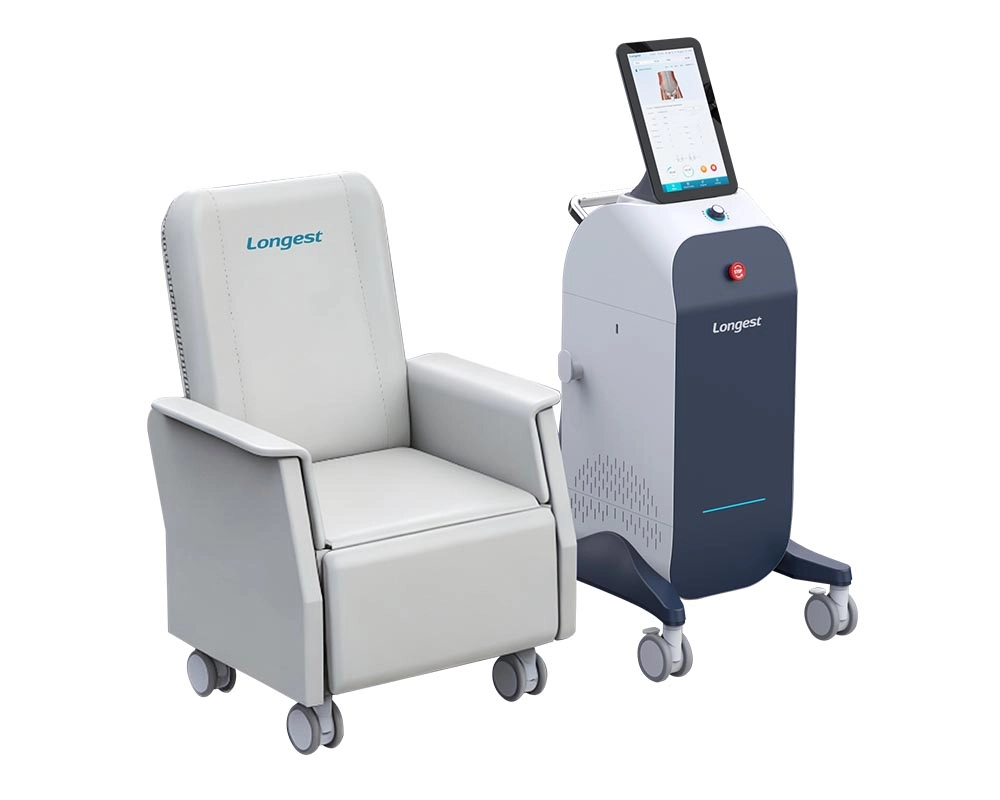
Electromagnetic Stimulator for Pelvic floor rehabilitation LGT-2640AP
The LGT-2640AP Pelvic Floor Magnetic Stimulator is a precision rehabilitation device designed for targeted pelvic floor therapy. Featuring 24 visualized preset protocols (paired with anatomical diagrams), customizable treatment plans, and a pre-adaptation function, it delivers non-invasive, painless stimulation to support postpartum recovery, male pelvic floor rehabilitation, and geriatric pelvic health.
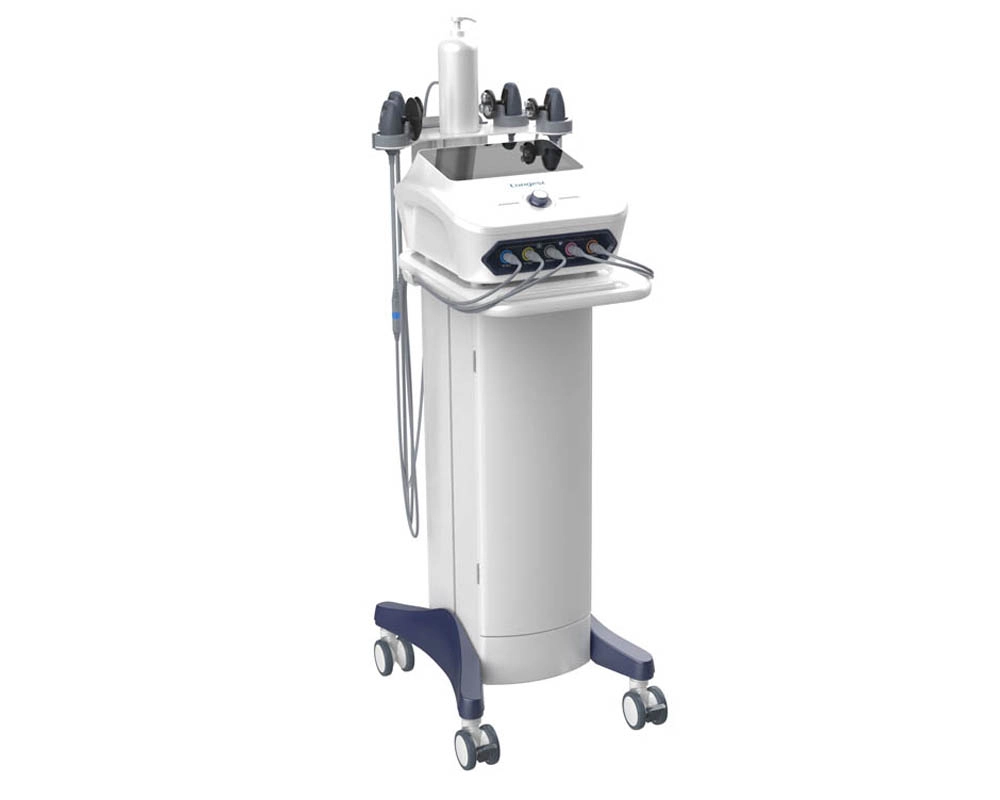
High-Frequency Therapy Device LGT-3500GP(Desktop Design)
LGT-3500GP fits tight spaces without sacrificing performance. Equipped with full TECAR tech, dual tissue-targeting modes, and core safety features, it handles post-op rehab, shallow tissue care, and more—lightweight, durable, and perfect for space-conscious facilities.
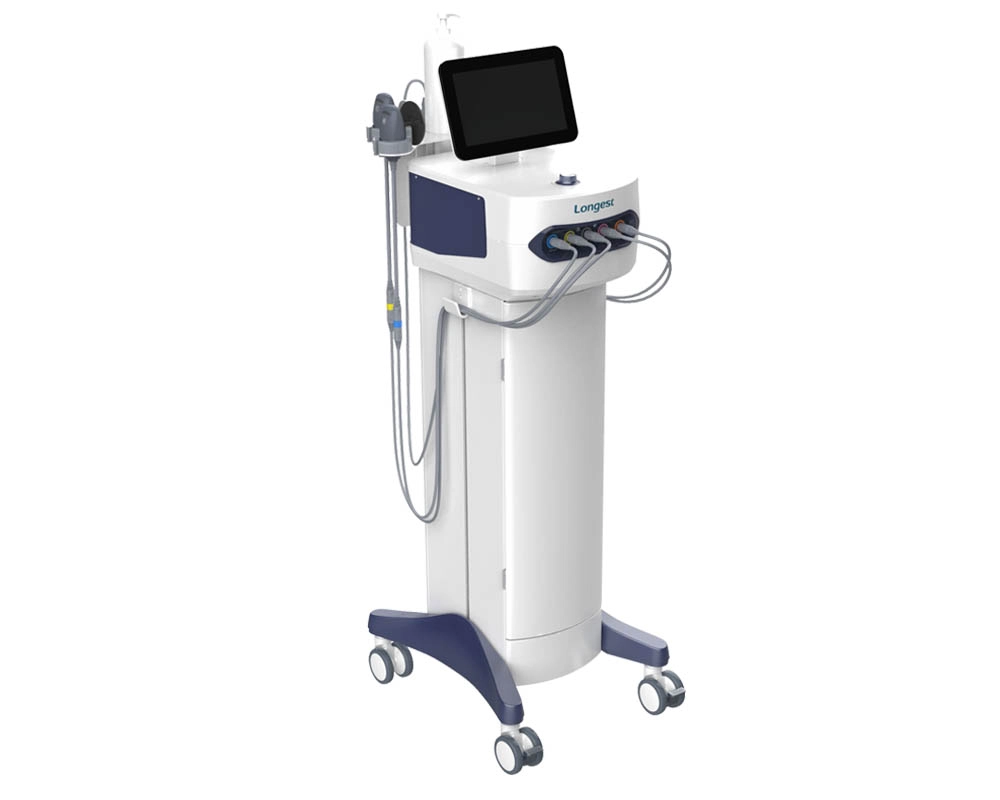
High Frequency Therapy Device LGT-3500LP(Upright Design)
The LGT-3500LP has an upright design with plenty of storage and rolling casters for easy mobility. It uses TECAR Therapy, and it has dual CET/RET modes, 300 KHz~1 MHz frequencies, and safety features like real-time temperature monitoring. This gives you precise, efficient treatments for deep tissue repair and pain relief.
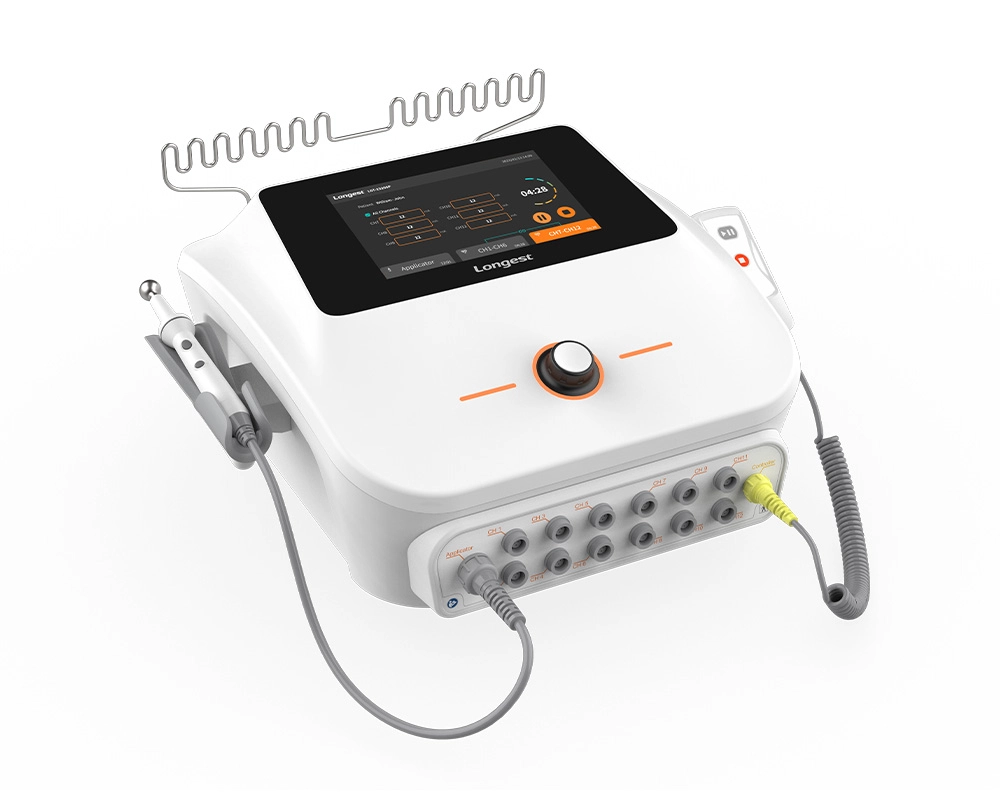
Professional 12-Channel Low-Frequency Electrical Stimulation Machine LGT-2320SP
LGT-2320SP is an advanced electrical stimulation sports training station. It leads to multisite high-efficiency strength gain and realizes bilateral balanced development with motor point detection.
Specifically designed for sports medicine professionals, this device is ideal for the treatment and rehabilitation of sports-related injuries. It delivers precise electrical impulses to targeted areas of the body, promoting pain relief, muscle strengthening, and accelerated recovery.

Call us:
+86 020 – 66353999

export@longest.cn

Address:
301 & 401 of Building 2 & Building 3, No. 96, Chuangqiang Road, Ningxi Street, Zengcheng District, Guangzhou, Guangdong Province, 511399, P.R. China.
Tips: The content on this website is a general description of the product.
The final configuration, parameters, and functions of the product may vary in accordance with the regulatory requirements of different countries and regions.
© 2025 Longest Medical. All Rights Reserved. Powered by gooeyun.
LongestMedical
LongestGloba
longest
guangzhou_longest
GzLongest