


Best Type of Bike for Rehabilitation: A Comprehensive Guide by Longest Medical
- Understanding the Importance of the Best Type of Bike for Rehabilitation
- Types of Rehabilitation Bikes
- Upright Bikes: Active Engagement and Muscle Strength
- Recumbent Bikes: Comfort and Support for Sensitive Cases
- Dual-Action or Hybrid Bikes: Combining Upper and Lower Body Therapy
- Key Features to Consider When Selecting the Best Type of Bike for Rehabilitation
- Adjustability and Ergonomics
- Resistance Control and Monitor Integration
- Safety Features
- The Role of Rehabilitation Bikes in Different Therapy Fields
- Orthopedic Rehabilitation
- Neurological Rehabilitation
- Cardiopulmonary Rehabilitation
- Why Longest Medical is Your Ideal Partner for Rehabilitation Equipment
- Frequently Asked Questions
Understanding the Importance of the Best Type of Bike for Rehabilitation
Choosing the best type of bike for rehabilitation is crucial in physical therapy to ensure effective recovery, improve mobility, and enhance cardiovascular health. Rehabilitation bikes help patients regain muscle strength, flexibility, and endurance post injury or surgery, especially in orthopedic, neurological, and postoperative recovery contexts. Longest Medical, a global leader in rehabilitation technology, emphasizes using high-quality, purpose-built bikes tailored to patient needs for optimal outcomes.
Types of Rehabilitation Bikes
There are mainly three types of bikes used in rehabilitation: upright bikes, recumbent bikes, and hybrid or dual-action bikes. Each type serves unique therapeutic purposes and caters to different patient capabilities and recovery stages.
Upright Bikes: Active Engagement and Muscle Strength
Upright bikes mimic traditional cycling posture, engaging core and lower limb muscles actively. This bike type benefits patients aiming to strengthen their quadriceps, hamstrings, glutes, and calves, often used in early to mid-stage rehabilitation. The upright posture encourages better balance and coordination but may not be suitable for patients with lower back pain or balance impairment.
Recumbent Bikes: Comfort and Support for Sensitive Cases
Recumbent bikes feature a reclined seating position and back support, reducing pressure on the lower back and joints. This configuration is ideal for elderly patients, individuals recovering from hip or knee surgery, and those with neurological impairments. The compatibility of low resistance settings with sustained movement aids in improving circulation and joint mobility with minimal strain.
Dual-Action or Hybrid Bikes: Combining Upper and Lower Body Therapy
Dual-action bikes incorporate moving handlebars, enabling simultaneous arm and leg movement. This design is particularly advantageous for neurological rehabilitation, including stroke recovery, by stimulating both upper and lower body muscles and improving motor coordination. These bikes enhance cardiovascular endurance and functional mobility, promoting comprehensive rehabilitation.
Key Features to Consider When Selecting the Best Type of Bike for Rehabilitation
Adjustability and Ergonomics
The bike must accommodate various body types and rehabilitation stages. Adjustable seat height, handlebar position, and resistance levels are essential for tailoring therapy. Ergonomic design supports correct posture, reducing risk of secondary injuries.
Resistance Control and Monitor Integration
Precise resistance adjustments enable progressive therapy, essential for gradual muscle strengthening and endurance building. Many modern rehabilitation bikes include interactive display monitors providing real-time feedback on heart rate, calories burned, and distance, helping therapists track patient progress.
Safety Features
Non-slip pedals, sturdy frames, and emergency stop mechanisms are vital. Safety ensures patients can exercise confidently without risk of falls or overexertion.
The Role of Rehabilitation Bikes in Different Therapy Fields
Orthopedic Rehabilitation
Postoperative recovery from joint replacements, ligament repairs, or fractures benefits from gentle, controlled cycling to restore joint mobility, reduce stiffness, and enhance muscular balance.
Neurological Rehabilitation
For conditions such as stroke, multiple sclerosis, or spinal cord injuries, bikes promoting bilateral movement support neuroplasticity and motor relearning.
Cardiopulmonary Rehabilitation
Cycling improves cardiovascular health, aiding patients recovering from cardiac events or chronic pulmonary conditions by boosting endurance with minimal joint stress.
Why Longest Medical is Your Ideal Partner for Rehabilitation Equipment
Founded in 2000, Longest Medical has been a pioneer in delivering comprehensive rehabilitation and aesthetic solutions. Our non-invasive equipment portfolio, including active-passive trainers, aligns perfectly with the need for safe, effective rehabilitation bikes. We prioritize innovation, reliability, and clinical evidence in our product lines, helping healthcare providers elevate patient care standards worldwide.
Frequently Asked Questions
What is the best type of bike for elderly rehabilitation?Recumbent bikes are generally preferred for elderly rehabilitation due to their ergonomic support and reduced joint strain.
Can rehabilitation bikes help after knee surgery?
Yes, rehabilitation bikes are effective in restoring knee mobility and strengthening surrounding muscles post-surgery.
How often should patients use rehabilitation bikes?
Therapy frequency depends on individual recovery plans, but consistent daily or every-other-day sessions of 15-30 minutes are common.
Do all rehab bikes have adjustable resistance levels?
Most modern rehabilitation bikes come with adjustable resistance to cater to different stages of recovery.
Are there rehabilitation bikes suitable for neurological patients?
Yes, dual-action or hybrid bikes that engage both upper and lower limbs are ideal for neurological rehabilitation.
Where can I buy professional rehabilitation bikes?
Longest Medical provides a full range of rehabilitation equipment designed for clinical and home use globally.
Tips for buy best cardiac rehab equipment
The active passive trainer Cost Guide
Top 10 Electrotherapy Devices for Clinic Use (2025)

Buying Guide: Choosing a Shockwave Therapy Device for Clinics
2510A physical therapy
Can shockwave treatment be combined with other therapies?
Shockwave treatment can be combined with a variety of therapies. For example, when combined with physical therapies such as electrotherapy and laser, it can improve circulation, repair tissues, and relieve pain. It can also be combined with rehabilitation therapies such as rehabilitation training and deep muscle massage to accelerate the patient's rehabilitation process and improve the quality of life. However, the specific treatment plan should be formulated according to the specific condition and individual differences of the patient.
Company
What is the scale of the company and what about its team?
The company is located in Guangzhou Zengcheng Economic and Technological Development Zone, covering an area of 25,012 square meters and with a building area of 84,847 square meters. It has more than 700 employees, and all departments collaborate to provide services to the global medical market.
After-sales Service
What types of technical support does Longest provide?
Document support: We provide Service Manuals and Troubleshooting Guides for our equipment. Video tutorials: Online instructional videos on equipment operation, maintenance, and common fault handling are available.
On-site training: We offer door-to-door installation training for distributors and medical institutions, including operation demonstrations, routine maintenance, and emergency handling.
High Frequency Therapy Device
What therapeutic effects can be achieved?
Core effects include relieving pain, reducing inflammation and swelling, promoting tissue repair, and accelerating blood circulation and metabolism.
5- LGT-2500X copywriting, physical therapy version
What are the benefits of shockwave treatment?
The benefits of shockwave treatment include alleviating chronic pain, stimulating the body's natural healing response, promoting tissue regeneration, increasing blood circulation, and restoring mobility and functionality.
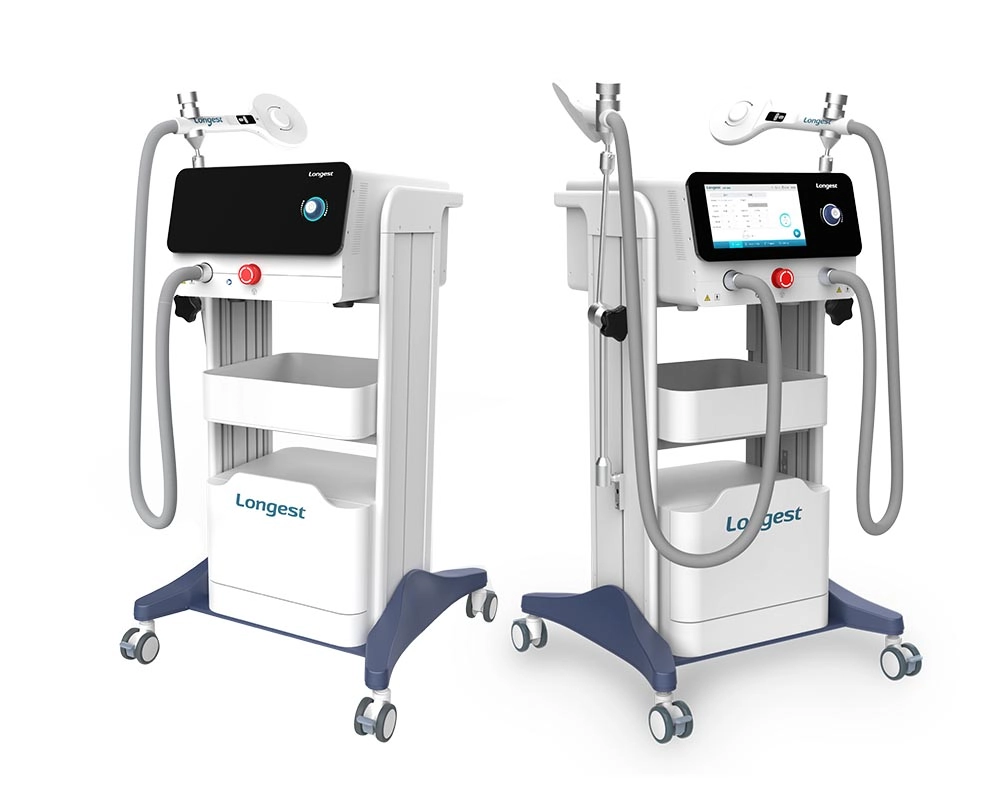
Electromagnetic Stimulator for Musculoskeletal Rehabilitation LGT-2660AP/BP
The LGT-2660 Series Electromagnetic Stimulator for Musculoskeletal Pain is an advanced rehabilitation device engineered to address a wide range of musculoskeletal pain conditions and associated dysfunctions. Operating on the principle of electromagnetic induction, it generates induced currents to regulate neuromuscular function while delivering deeply penetrating energy—this energy transcends superficial tissues to act directly on muscles, joints, and bones. For both acute and chronic musculoskeletal pain, it provides a safe, efficient, and medication-free new solution.
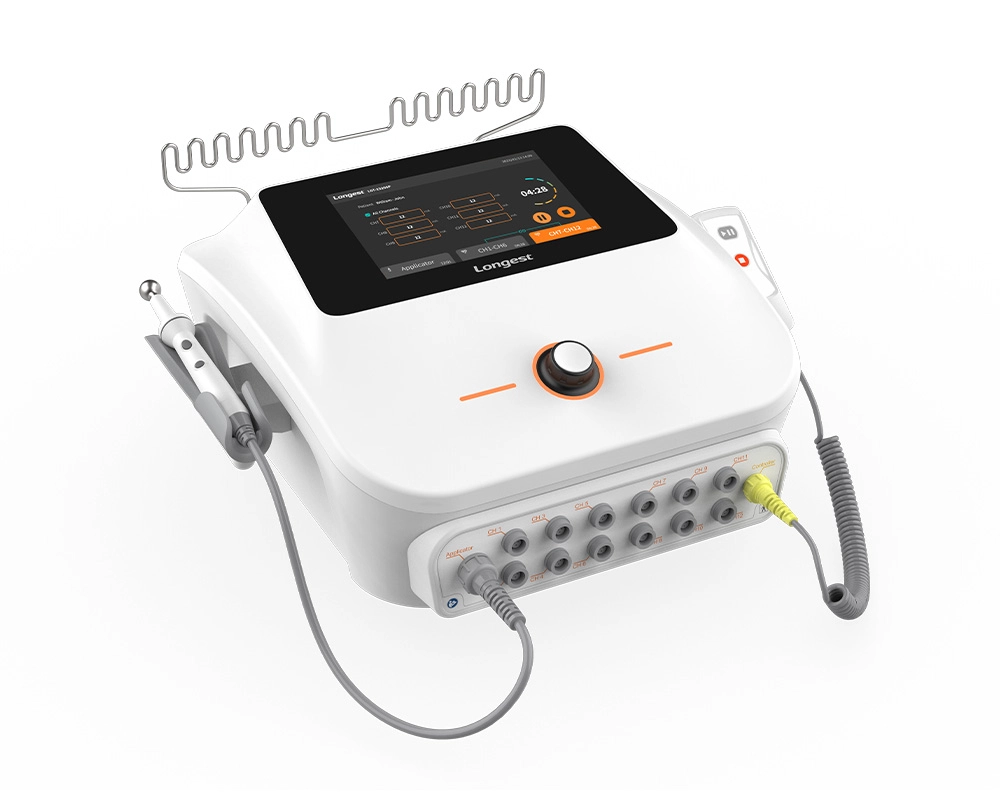
Professional 12-Channel Low-Frequency Electrical Stimulation Machine LGT-2320SP
LGT-2320SP is an advanced electrical stimulation sports training station. It leads to multisite high-efficiency strength gain and realizes bilateral balanced development with motor point detection.
Specifically designed for sports medicine professionals, this device is ideal for the treatment and rehabilitation of sports-related injuries. It delivers precise electrical impulses to targeted areas of the body, promoting pain relief, muscle strengthening, and accelerated recovery.
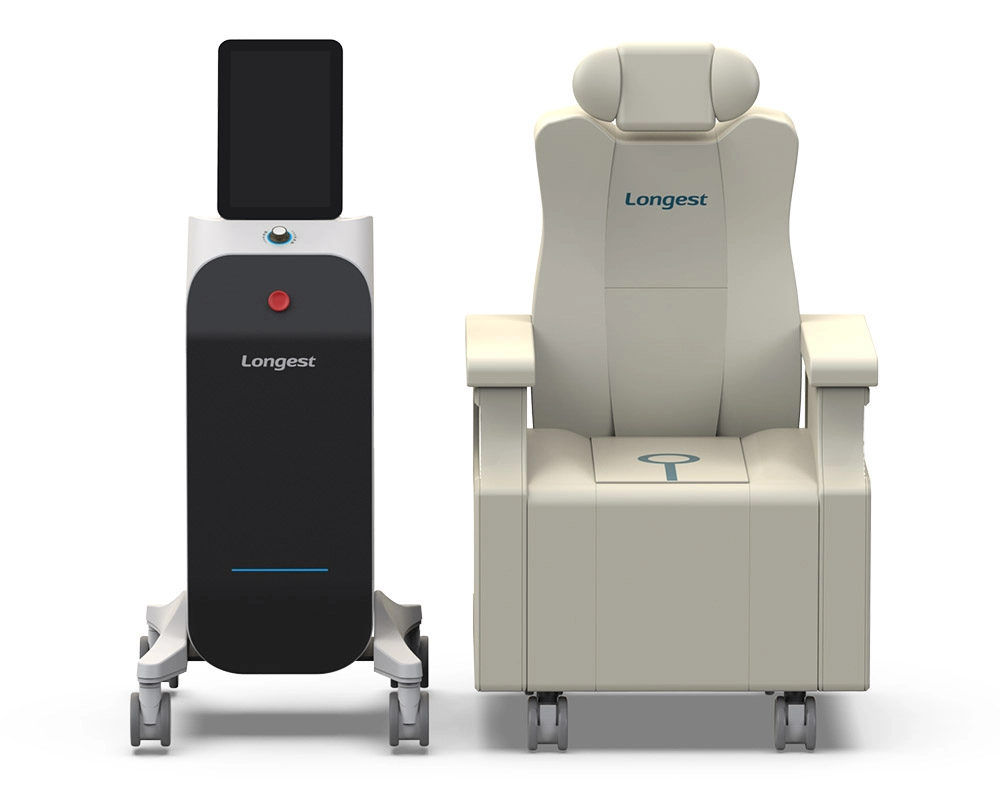
Electromagnetic Stimulator for Pelvic floor rehabilitation LGT-2640AP
The LGT-2640AP Pelvic Floor Magnetic Stimulator is a precision rehabilitation device designed for targeted pelvic floor therapy. Featuring 24 visualized preset protocols (paired with anatomical diagrams), customizable treatment plans, and a pre-adaptation function, it delivers non-invasive, painless stimulation to support postpartum recovery, male pelvic floor rehabilitation, and geriatric pelvic health.
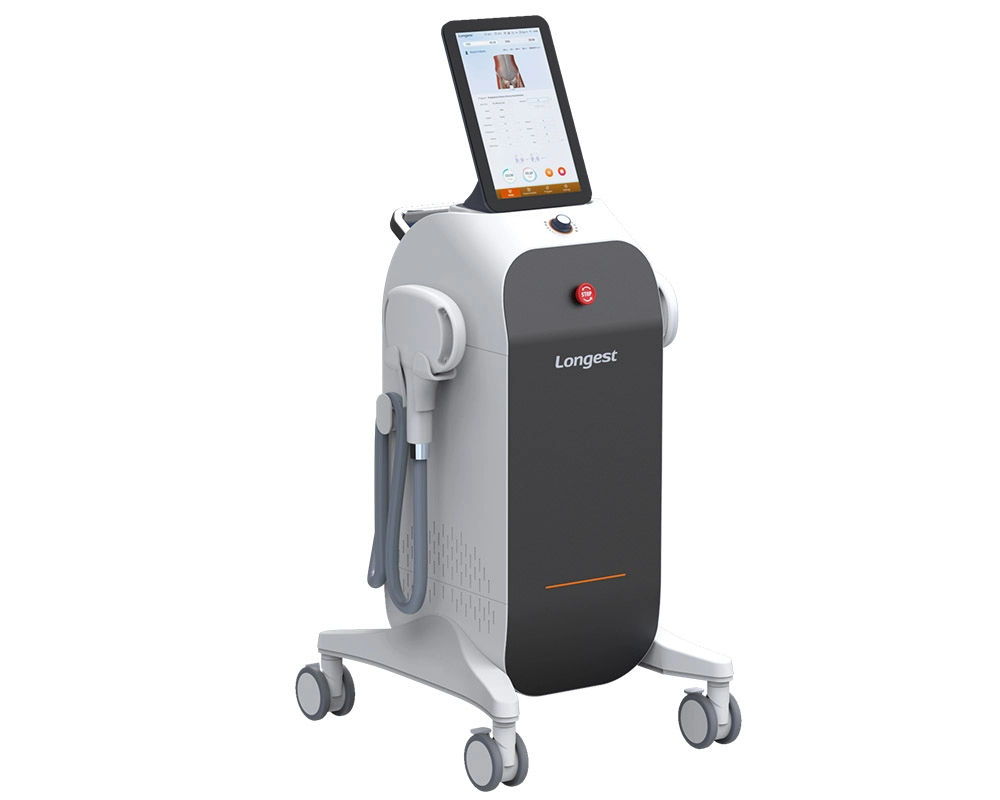
Electromagnetic Stimulator for Body Shaping LGT-2650BP
The LGT-2650BP is a premium unisex body contouring device. Powered by high-intensity magnetic stimulation, it induces intense muscle contractions—effectively boosting muscle tone while reducing stubborn fat deposits. It is widely suited for weight management, body shaping, and individuals with excess weight alike.

Call us:
+86 020 – 66353999

export@longest.cn

Address:
301 & 401 of Building 2 & Building 3, No. 96, Chuangqiang Road, Ningxi Street, Zengcheng District, Guangzhou, Guangdong Province, 511399, P.R. China.
Tips: The content on this website is a general description of the product.
The final configuration, parameters, and functions of the product may vary in accordance with the regulatory requirements of different countries and regions.
© 2025 Longest Medical. All Rights Reserved. Powered by gooeyun.
LongestMedical
LongestGloba
longest
guangzhou_longest
GzLongest