


Safety & Side Effects of Radial Shockwave Therapy Devices
- Safety & Side Effects of Radial Shockwave Therapy Devices
- What is a shockwave therapy device and how does radial shockwave work?
- Clinical intent and typical uses of a shockwave therapy device
- Common side effects and expected immediate reactions
- Less common and rare adverse events — what clinicians should watch for
- Contraindications and precautions for radial shockwave therapy devices
- How device design and settings influence safety — commercial perspective on shockwave therapy device selection
- Comparison: radial vs focused shockwave devices (safety and practical differences)
- Best practices to minimize side effects when using a shockwave therapy device
- How PowerShocker LGT-2500X addresses safety, workflow, and clinical effectiveness
- Clinical evidence and what systematic reviews show about shockwave therapy safety
- Patient selection, informed consent and documentation — critical safety steps
- Post-treatment care and follow-up monitoring to detect and manage side effects
- Brand advantages summary — why choose PowerShocker LGT-2500X for clinical practice?
- Frequently Asked Questions (FAQ)
- Q: Are side effects from radial shockwave therapy permanent?
- Q: Can radial shockwave therapy be used with anticoagulant medications?
- Q: How do I minimize pain during treatment?
- Q: Is shockwave therapy device safe for elderly patients?
- Q: How many sessions are typically required?
- Contact us / See the product
- References and further reading

Safety & Side Effects of Radial Shockwave Therapy Devices
What is a shockwave therapy device and how does radial shockwave work?
Shockwave therapy devices deliver mechanical acoustic pulses to tissues to stimulate biological repair mechanisms in musculoskeletal disorders. The term shockwave therapy device covers both focused and radial systems; radial shockwave therapy (rESWT) delivers pressure waves that spread radially from the applicator tip and are generally lower in peak pressure and more superficial in penetration compared with focused systems. These characteristics make radial devices suitable for many tendinopathies, myofascial trigger points, and superficial soft-tissue conditions commonly treated in outpatient clinics.
Clinical intent and typical uses of a shockwave therapy device
Clinicians use shockwave therapy devices in indications such as plantar fasciitis, Achilles and patellar tendinopathy, lateral epicondylitis (tennis elbow), calcific shoulder tendinopathy, and certain myofascial pain syndromes. The objective is to reduce pain, stimulate tissue remodeling, and improve function. Clinical guidelines and systematic reviews generally report positive outcomes for several of these conditions when patients are properly selected and treatment parameters are optimized.
Common side effects and expected immediate reactions
When using a shockwave therapy device, most patients experience only mild, transient side effects. Typical immediate reactions include:
- Mild to moderate treatment pain or discomfort during application (commonly managed by adjusting energy or pauses)
- Local erythema (redness) and mild swelling at the treatment site
- Temporary bruising or petechiae
- Short-term numbness, tingling, or temporary increase in pain for 24–72 hours
These effects typically resolve without intervention. Serious adverse events are rare when protocols and contraindications are respected.
Less common and rare adverse events — what clinicians should watch for
Less common reactions include larger hematomas, persistent localized pain beyond the expected window, or skin blistering if protocols are violated (for example, overly high energy levels on thin skin). Very rare but important complications reported in the literature include tendon rupture or nerve injury; however, these are uncommon and often associated with inappropriate treatment parameters, pre-existing tissue compromise, or inadequate patient selection. Proper training, conservative energy titration, and careful monitoring dramatically reduce these risks.
Contraindications and precautions for radial shockwave therapy devices
Contraindications and precautions are key to safe use of any shockwave therapy device. Common absolute and relative contraindications include:
- Absolute: pregnancy (over treatment site), active infection at the treatment site, malignancy in the treatment area, coagulation disorders or ongoing anticoagulation without clearance, and presence of open growth plates in children (use per pediatric guidance)
- Relative: implanted electronic devices (pacemakers) near treatment area — consult manufacturer guidance; recent corticosteroid injection into the target tendon (wait recommended interval); severe peripheral vascular disease; uncontrolled diabetes or neuropathy with reduced sensation
Clinicians should take a targeted medical history, perform a focused exam, and obtain informed consent describing expected benefits and potential side effects before treatment.
How device design and settings influence safety — commercial perspective on shockwave therapy device selection
Device mechanics (compressed-air radial vs electromagnetic vs electrohydraulic focused) and user controls determine both efficacy and safety. Adjustable parameters include energy (pressure) level, frequency (pulses per second), number of pulses per session, and applicator head size. A modern shockwave therapy device should provide precise, repeatable parameter control, easy-to-read feedback, and safety interlocks to prevent accidental overexposure. These features are especially important in busy clinics aiming to balance (delivering consistent clinical results) with patient safety.
Comparison: radial vs focused shockwave devices (safety and practical differences)
| Characteristic | Radial Shockwave (rESWT) | Focused Shockwave (fESWT) |
|---|---|---|
| Energy delivery | Lower peak pressure, broader surface area | Higher peak pressure, concentrated energy at depth |
| Penetration depth | Superficial (suitable for tendons and soft tissues) | Deeper penetration (can reach bone/tendon insertion sites) |
| Common indications | Tendinopathies, myofascial pain, plantar fasciitis (superficial cases) | Calcific tendinopathy, deeper lesions |
| Typical side effects | Local pain, erythema, bruising (generally mild) | Similar but with slightly higher risk of deep tissue soreness |
| Safety considerations | Lower risk of deep tissue injury; careful with superficial nerves | Requires precise targeting to avoid unintended deep tissue effects |
Sources for the table data: reviews in peer-reviewed literature and clinical guidance (see references).
Best practices to minimize side effects when using a shockwave therapy device
Follow these practical steps to optimize safety and outcomes:
- Perform a structured assessment and confirm indication—document baseline pain and function.
- Start with conservative energy settings and titrate up per patient tolerance and response.
- Use ultrasound or palpation to localize the target; avoid treating over open wounds, implants, or growth plates.
- Observe short-interval follow-up after first treatments to assess adverse effects and response.
- Advise patients about post-treatment expectations (temporary soreness, icing, activity modification) and red flags that require earlier review.
How PowerShocker LGT-2500X addresses safety, workflow, and clinical effectiveness
PowerShocker LGT-2500X is a compressed pneumatic ballistic shockwave therapy device, bringing the most advanced way to treat musculoskeletal disorders with quality, speed, and ease. With High Quality features and a sleek design, it is a premier solution for clinics to streamline workflow, increase efficiency, and improve patient care.
Key device-related safety and workflow advantages of PowerShocker LGT-2500X include:
- Precise control of pressure and frequency allowing conservative titration to improve patient comfort and reduce overtreatment risk
- Multiple applicator heads so clinicians can select appropriate contact areas and distribute energy safely across tissue
- Clear user interface and preset protocols to standardize treatments across clinicians and reduce operator error
- Robust build and routine maintenance guidance to ensure consistent performance and safety over device lifetime
Clinical evidence and what systematic reviews show about shockwave therapy safety
Systematic reviews and meta-analyses indicate that extracorporeal shockwave therapy (both radial and focused) can be effective for several musculoskeletal conditions, notably plantar fasciitis and certain tendinopathies. These reviews also report that adverse events are generally mild and transient. The balance of evidence suggests a favorable safety profile when devices are used according to established protocols and contraindications are respected. (See references for representative systematic reviews and clinical reports.)
Patient selection, informed consent and documentation — critical safety steps
To align with E‑E‑A‑T and medico-legal best practice, clinicians should document: the indication, baseline assessment (pain scores, activity limits), chosen device parameters, contraindication checks, and informed consent discussion covering benefits, likely side effects, and rare but serious risks. Clear documentation protects patients and clinicians and supports reproducible outcomes across a clinic.
Post-treatment care and follow-up monitoring to detect and manage side effects
After a shockwave therapy session, clinicians should advise patients about expected transient effects and provide clear return instructions for any worrying signs (increasing redness, spreading numbness, escalating pain beyond expected patterns). Schedule follow-up visits to assess response and adjust subsequent sessions. Early recognition of a rare complication, such as larger hematoma or persistent neuropathic symptoms, allows timely management and mitigation.
Brand advantages summary — why choose PowerShocker LGT-2500X for clinical practice?
When evaluating commercial shockwave therapy devices for clinic purchase, the PowerShocker LGT-2500X stands out for several practical reasons that support safety and clinic efficiency:
- Engineered for reliable, reproducible energy delivery and precise user control — reducing operator variability and risk.
- Preset protocols and multiple applicators designed to simplify safe parameter selection for common indications.
- Sleek design and streamlined workflow help increase patient throughput while maintaining careful monitoring and documentation.
- Comprehensive training and technical support help ensure clinicians are competent in safety practices and device maintenance.
Frequently Asked Questions (FAQ)
Q: Are side effects from radial shockwave therapy permanent?
A: No. Most side effects (pain, redness, bruising) are temporary and resolve in days to a couple of weeks. Permanent effects are rare when contraindications are followed and proper technique is used.
Q: Can radial shockwave therapy be used with anticoagulant medications?
A: Anticoagulation is a relative contraindication because of increased bleeding risk. Management should be individualized: consult the patient’s prescribing clinician and follow local protocols before treatment.
Q: How do I minimize pain during treatment?
A: Start at lower energy settings, use analgesia or topical measures per local protocol, and communicate actively with the patient to adjust energy and pauses. Many devices, including PowerShocker LGT-2500X, allow fine-tuned control to balance efficacy and comfort.
Q: Is shockwave therapy device safe for elderly patients?
A: Yes — elderly patients frequently tolerate radial shockwave therapy well, provided there are no specific contraindications (active infection, fragile skin, untreated malignancy in the area). Adjust energy settings for tissue quality and monitor closely.
Q: How many sessions are typically required?
A: Treatment protocols vary by indication, but many patients receive 3–6 sessions spaced weekly. Clinicians should individualize based on response and published protocols.
Contact us / See the product
To learn more about the PowerShocker LGT-2500X, request clinical specifications, or schedule a demonstration, contact our sales and clinical support team. Our specialists can provide device parameter guidance, training options, and evidence summaries tailored to your practice needs.
References and further reading
- NHS.UK. Shockwave therapy. NHS information page — overview of uses, side effects, and precautions (NHS.uk).
- Wang CJ. Extracorporeal shockwave therapy in musculoskeletal disorders. J Orthop Surg Res. 2012; Review on mechanisms, indications, and safety considerations (PubMed).
- Selected systematic reviews and meta-analyses on ESWT for plantar fasciitis and tendinopathies — see Cochrane reviews and peer-reviewed meta-analyses for condition-specific summaries.
- Device manufacturer guidance and local clinical protocols for contraindications, patient selection, and parameter settings recommended for safe administration.
Note: The references above represent authoritative sources and reviews. For direct links and full citations, ask our clinical support team or consult PubMed/Cochrane and national health guidance for condition-specific systematic reviews.
Active Passive Trainer Cost in San Francisco: A Practical Buyer’s Guide
The B2B Buyer’s Guide to shockwave therapy machine | Longest Ultimate Insights
Top 10 physio equipment Manufacturers and Supplier Brands

Buying Guide: Choosing a Shockwave Therapy Device for Clinics
LGT-2510B - Beauty Edition
Is OEM/ODM service available?
Yes. Contact us for more details. We offer professional OEM/ODM services.
Company
What is the scale of the company and what about its team?
The company is located in Guangzhou Zengcheng Economic and Technological Development Zone, covering an area of 25,012 square meters and with a building area of 84,847 square meters. It has more than 700 employees, and all departments collaborate to provide services to the global medical market.
LGT-231
Are there any side effects of using a low - frequency electrical stimulation device?
Mild skin irritation may occur at the electrode contact points in some cases. This can usually be alleviated by cleaning the skin properly and ensuring correct electrode placement. If the intensity is set too high, it may cause discomfort or muscle soreness. But these side effects are generally temporary. However, if you experience any severe or persistent discomfort, stop using the device immediately and consult a doctor.
2500s plus beauty version
What are the investment benefits of the PowerShocker LGT-2500S Plus?
Favorable price, long lifespan, low maintenance cost, and good after-sales service and technical support.
LGT-2500F Copywriting - Physical Therapy Edition
What is the user interface of the system like?
The system has an intuitive user interface. It features a large 10.4’’ touchscreen, touch control, and a rotary knob. With just a few touches, the system operates intuitively.
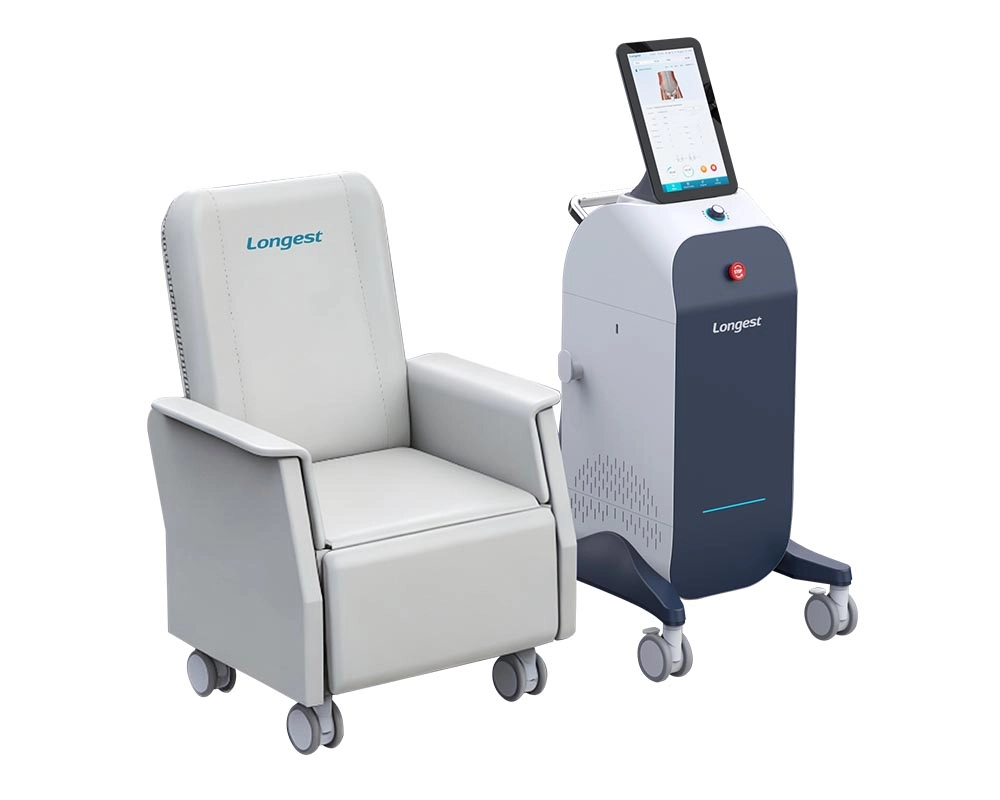
Electromagnetic Stimulator for Pelvic floor rehabilitation LGT-2640AP
The LGT-2640AP Pelvic Floor Magnetic Stimulator is a precision rehabilitation device designed for targeted pelvic floor therapy. Featuring 24 visualized preset protocols (paired with anatomical diagrams), customizable treatment plans, and a pre-adaptation function, it delivers non-invasive, painless stimulation to support postpartum recovery, male pelvic floor rehabilitation, and geriatric pelvic health.
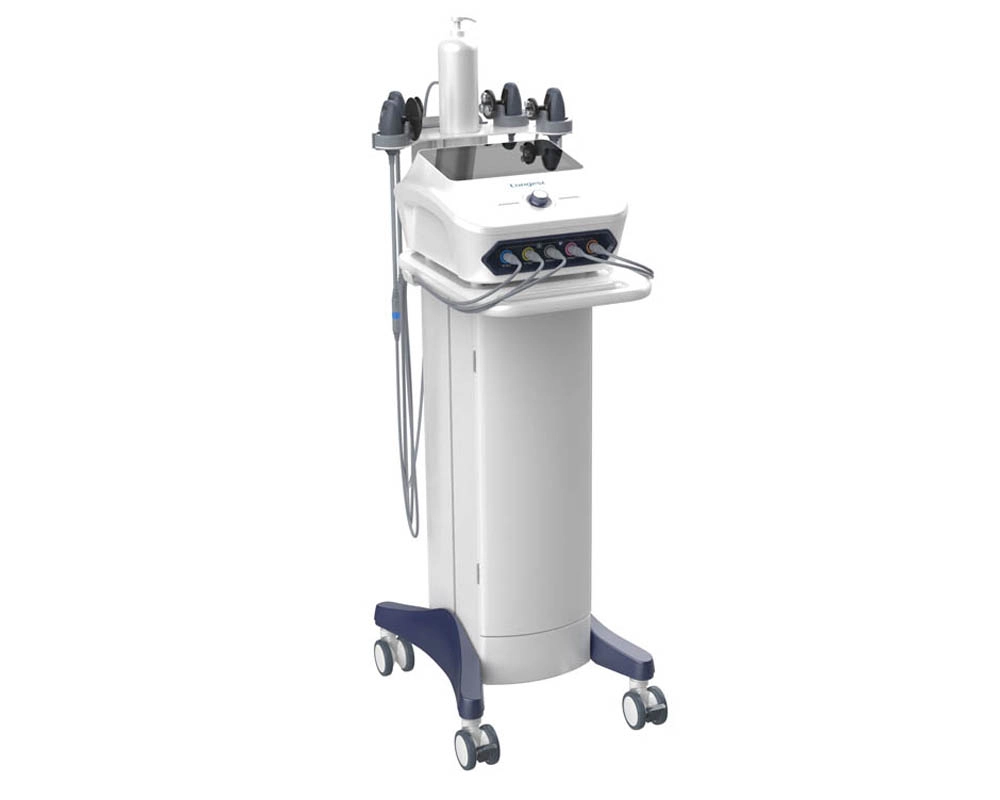
High-Frequency Therapy Device LGT-3500GP(Desktop Design)
LGT-3500GP fits tight spaces without sacrificing performance. Equipped with full TECAR tech, dual tissue-targeting modes, and core safety features, it handles post-op rehab, shallow tissue care, and more—lightweight, durable, and perfect for space-conscious facilities.
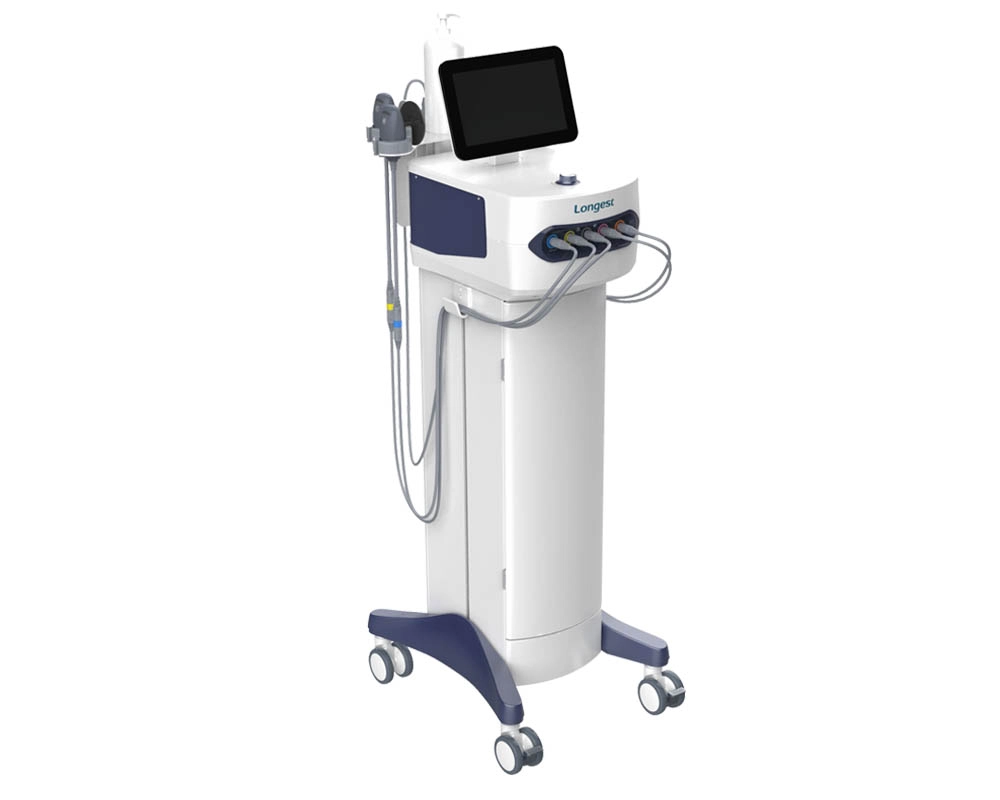
High Frequency Therapy Device LGT-3500LP(Upright Design)
The LGT-3500LP has an upright design with plenty of storage and rolling casters for easy mobility. It uses TECAR Therapy, and it has dual CET/RET modes, 300 KHz~1 MHz frequencies, and safety features like real-time temperature monitoring. This gives you precise, efficient treatments for deep tissue repair and pain relief.
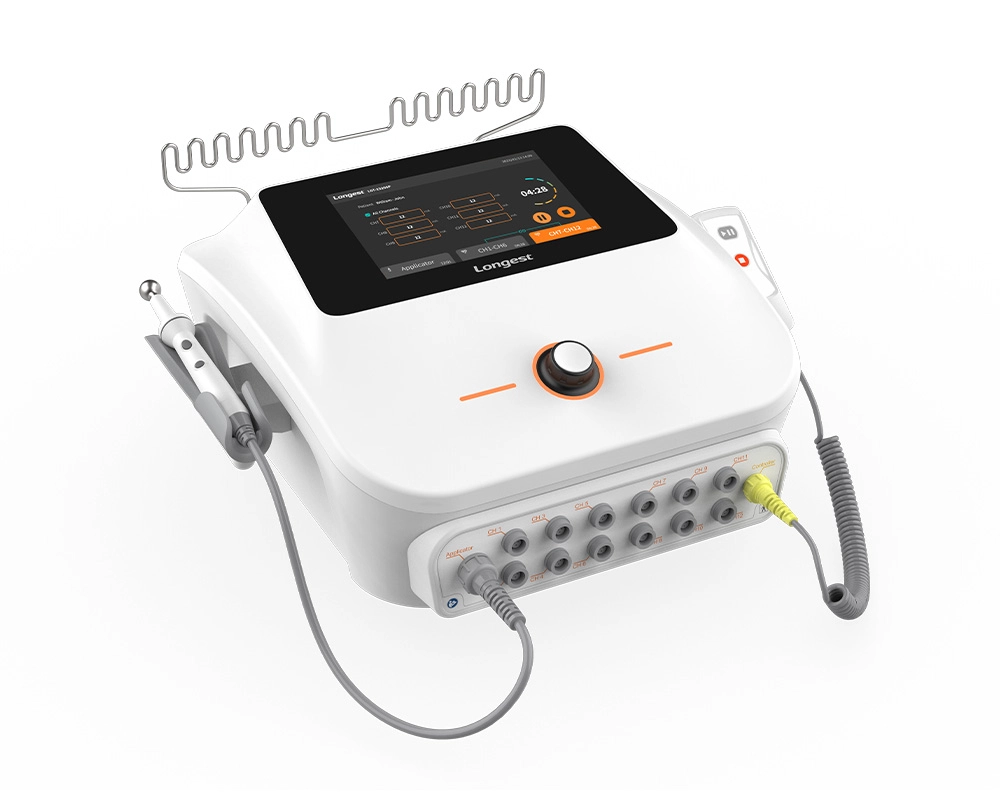
Professional 12-Channel Low-Frequency Electrical Stimulation Machine LGT-2320SP
LGT-2320SP is an advanced electrical stimulation sports training station. It leads to multisite high-efficiency strength gain and realizes bilateral balanced development with motor point detection.
Specifically designed for sports medicine professionals, this device is ideal for the treatment and rehabilitation of sports-related injuries. It delivers precise electrical impulses to targeted areas of the body, promoting pain relief, muscle strengthening, and accelerated recovery.

Call us:
+86 020 – 66353999

export@longest.cn

Address:
301 & 401 of Building 2 & Building 3, No. 96, Chuangqiang Road, Ningxi Street, Zengcheng District, Guangzhou, Guangdong Province, 511399, P.R. China.
Tips: The content on this website is a general description of the product.
The final configuration, parameters, and functions of the product may vary in accordance with the regulatory requirements of different countries and regions.
© 2025 Longest Medical. All Rights Reserved. Powered by gooeyun.
LongestMedical
LongestGloba
longest
guangzhou_longest
GzLongest