


Shockwave Machine Comparison: Radial vs Focused Devices
- Selecting the Right Shockwave Technology for Clinical Practice
- Introduction: why choosing the right shockwave therapy machine matters
- How radial and focused shockwave machines work — core technical differences (shockwave therapy machine)
- Clinical indications and evidence: when to choose radial vs focused (focused shockwave therapy machine)
- Comparative outcomes and evidence strength (shockwave therapy machine clinical outcomes)
- Practical treatment parameters: dosing, sessions and anesthesia (radial shockwave machine)
- Device features, usability and integration into practice (buying a shockwave therapy machine)
- Cost, reimbursement and ROI considerations (shockwave therapy machine purchase)
- Safety, contraindications and documentation (focused shockwave therapy machine safety)
- Side-by-side technical and clinical comparison table
- Selecting a device for your clinic: workflow and patient pathway considerations (shockwave therapy machine selection)
- Why vendor choice and after-sales support matters — profile: Longest Medical
- Implementation tips and clinical pearls (clinical use of shockwave therapy machine)
- Frequently Asked Questions (FAQ)
- 1. Which is better: radial or focused shockwave therapy machine?
- 2. How many sessions are needed for typical indications?
- 3. Are shockwave treatments safe?
- 4. Do I need both radial and focused machines in my clinic?
- 5. How do I evaluate a supplier and warranty?
- 6. Will anesthesia affect treatment outcomes?
- Contact and next steps — see products or request consultation
- References and sources
Selecting the Right Shockwave Technology for Clinical Practice
Introduction: why choosing the right shockwave therapy machine matters
Shockwave therapy has become a mainstream option in musculoskeletal, rehabilitation and aesthetic medicine. When clinics evaluate a shockwave therapy machine, they face a key technical choice: radial (rESWT) or focused (fESWT) devices. The right selection affects clinical outcomes, reimbursement, clinic workflow and return on investment. This article explains mechanism differences, clinical indications, comparative evidence, operational parameters, safety and practical purchasing guidance so you can make an evidence-informed choice for your practice.
How radial and focused shockwave machines work — core technical differences (shockwave therapy machine)
Understanding the physical principles clarifies why radial and focused shockwave therapy machines produce different clinical effects.
| Feature | Radial Shockwave (rESWT) | Focused Shockwave (fESWT) |
|---|---|---|
| Energy generation | Compressed-air or pneumatic projectile; lower peak pressure | Electromagnetic, piezoelectric or electrohydraulic; high peak pressure focused to a small focal zone |
| Energy distribution | Surface-diffuse, energy spreads radially from applicator | Concentrated in a small focal volume at controlled depth |
| Penetration depth | Superficial to mid-depth (typically up to ~3–4 cm effective) | Variable; can reach deeper targets (up to ~12 cm depending on device and settings) |
| Pulse characteristics | Lower pressure, longer rise time | Higher peak pressure, shorter pulse duration |
| Typical clinical feel | Broader, more diffuse sensation; often needs less anesthesia | Sharp, deep focal sensation; sometimes requires local anesthesia for high-energy settings |
Sources: International Society for Medical Shockwave Treatment (ISMST), peer-reviewed reviews and device technical specifications.
Clinical indications and evidence: when to choose radial vs focused (focused shockwave therapy machine)
Both modalities are used for tendinopathies, plantar fasciitis, calcific shoulder tendinopathy, myofascial pain and some aesthetic applications. However, specific conditions may respond better to one modality:
- Plantar fasciitis: strong evidence supports both radial and focused ESWT; many randomized trials show symptom improvement versus placebo. Choice depends on operator experience and device availability.
- Achilles and patellar tendinopathy: clinical trials report benefit from both modalities, but focused ESWT may be preferred for deeper, focal lesions.
- Calcific tendinopathy of the shoulder: focused shockwave therapy has robust evidence for resolving calcifications when energy is concentrated on deposits.
- Superficial myofascial trigger points and skin/aesthetic uses: radial shockwaves are commonly used because of their wide area effect and lower energy profile.
Systematic reviews and clinical guidelines emphasize that energy dose, number of sessions and treatment protocol variability affect outcomes; device type is one factor among many (operator skill, patient selection, adjunct therapies).
References: randomized trials and systematic reviews indexed on PubMed and guidance from specialist societies such as ISMST.
Comparative outcomes and evidence strength (shockwave therapy machine clinical outcomes)
Direct head-to-head randomized trials comparing radial and focused devices are limited and heterogeneous. Key takeaways from available literature:
- Both modalities reduce pain and improve function in many tendinopathies compared to placebo.
- Focused ESWT may provide superior results for treating discrete calcific deposits and deeper lesions due to its focal energy delivery.
- Radial ESWT is effective for more superficial, diffuse conditions and is often favored for comfort and ease of use.
Because meta-analyses pool heterogeneous trials, clinicians should interpret pooled effect sizes alongside device parameters (energy flux density, number of pulses) reported in individual studies.
Practical treatment parameters: dosing, sessions and anesthesia (radial shockwave machine)
Key parameters to plan a treatment regimen:
- Energy flux density (EFD): often reported for focused devices (mJ/mm2); radial devices may report pressure (bar) or energy equivalence—ensure you compare consistent metrics from manufacturers.
- Pulses per session: typically 1000–4000 pulses depending on indication and device.
- Number of sessions: commonly 3–6 sessions spaced weekly or biweekly.
- Anesthesia: superficial radial treatments often well tolerated without anesthesia; high-energy focused treatments sometimes require local anesthesia or procedural sedation for patient comfort, but anesthesia can blunt therapeutic effect and should be used judiciously.
Document protocols in your clinic, monitor outcomes and titrate energy based on patient tolerance and response.
Device features, usability and integration into practice (buying a shockwave therapy machine)
Beyond modality, evaluate these practical aspects when purchasing a shockwave therapy machine:
- Energy control and reproducibility: precise EFD settings and clear readouts support reproducible treatment and clinical audits.
- Applicator variety: availability of focused heads, radial applicators and various cones/filters increases versatility across indications.
- Portability and footprint: consult room size and mobility needs—some pneumatic radial devices are compact, while some focused systems are cart-based.
- Service and warranty: access to trained biomedical service, consumable costs and warranty length influence long-term cost of ownership.
- Training and clinical support: vendor-provided training, evidence-based protocols and marketing support speed clinical adoption.
Cost, reimbursement and ROI considerations (shockwave therapy machine purchase)
Upfront device cost varies widely: radial devices commonly sit at a lower entry price than high-end focused systems, but total cost‑of‑ownership includes maintenance, applicator replacements and training. Reimbursement depends on local payer policies and procedural codes. Calculate ROI by estimating:
- Average revenue per session (clinic fee or insurance reimbursement)
- Patients treated per week
- Operating days and expected device lifespan
Example simple ROI model: (Revenue per session × Patients per week × Weeks per year) − (annualized device cost + consumables + service). Many clinics recoup costs within 12–36 months depending on utilization.
Safety, contraindications and documentation (focused shockwave therapy machine safety)
General safety profile of ESWT is favorable when used appropriately. Common side effects: transient pain, bruising, petechiae and local swelling. Contraindications typically include immediate pregnancy, coagulopathy or anticoagulation (relative), local infection and certain implanted electronic devices (consult device labeling). Document informed consent, baseline pain/function scores and adverse events. Follow manufacturer instructions for maintenance and safety checks.
Side-by-side technical and clinical comparison table
| Comparison Point | Radial ESWT | Focused ESWT |
|---|---|---|
| Mechanism | Pneumatic/ballistic, energy disperses radially | Electromagnetic, piezoelectric or electrohydraulic, energy concentrated at focal zone |
| Best for | Superficial/diffuse conditions, myofascial pain, superficial tendinopathies | Deep lesions, calcific deposits, targeted tendinopathy |
| Typical penetration | Superficial to mid (≈ up to 3–4 cm) | Variable, can reach deeper (up to ≈ 10–12 cm depending on device) |
| Comfort | Generally better tolerated | Can be more uncomfortable at high energies |
| Anesthesia | Rarely needed | Occasionally used for high-energy treatments |
| Evidence strength | Good for many superficial indications | Strong for focal deep conditions like calcifications |
| Cost | Often lower initial cost | Often higher initial cost |
Selecting a device for your clinic: workflow and patient pathway considerations (shockwave therapy machine selection)
Decision steps:
- Map your patient mix (percentage of deep-target vs superficial conditions).
- Audit expected throughput and clinic space.
- Compare device specifications (EFD range, focal depth, applicator types).
- Request clinical protocols, training and post-sale service plans from vendors.
- Consider combining modalities: some clinics invest in both radial and focused technology if clinical volume and budget justify it.
Why vendor choice and after-sales support matters — profile: Longest Medical
Founded in 2000, Longest Medical is a leading global rehabilitation and aesthetic solutions company, focusing on non-invasive medical solutions. Its products include shock wave therapy, compression therapy, electrotherapy, electrostatic oscillation therapy, cryotherapy, ultrasound therapy, and active-passive trainers. These product lines can provide comprehensive and powerful equipment solutions for physical therapy, neurological rehabilitation, postoperative recovery, veterinary diagnosis and treatment, medical aesthetics, and other fields.
In the shockwave domain, Longest Medical offers both radial shockwave therapy machines and focused shockwave therapy machines with configurable applicators and clinically informed protocols. Other flagship products include electrical muscle stimulation machines, air relax compression systems, active passive trainers, compression therapy machines, DVT medical devices, lymphatic massage devices and pressotherapy machines. Key advantages:
- Comprehensive portfolio: multiple complementary rehab and aesthetic devices enable bundled solutions for clinics.
- Technical support and training: vendor training and clinical protocol support facilitate faster adoption and safer treatments.
- Global presence and quality control: long operational history and international distribution channels demonstrate market credibility.
- Device versatility: configurations for both radial and focused shockwave therapy machines permit tailoring to clinic needs.
When evaluating suppliers, verify device specifications (EFD, depth, applicator options), regulatory clearances for your market and available clinical evidence for the specific model.
Implementation tips and clinical pearls (clinical use of shockwave therapy machine)
- Standardize protocols and outcome measures (VAS, PROMs) to audit effectiveness.
- Combine ESWT with progressive loading programs and physical therapy for tendinopathies—multimodal care improves outcomes.
- Start with conservative energy settings and titrate based on patient tolerance and response.
- Document exact device, applicator, energy setting and pulse count to support reproducibility and potential publication of clinic results.
Frequently Asked Questions (FAQ)
1. Which is better: radial or focused shockwave therapy machine?
Neither is universally “better.” Focused devices are preferable for deep, focal pathology (e.g., calcific tendinopathy), while radial devices are often effective for superficial, diffuse conditions and are generally more comfortable for patients. Choice should be based on predominant indications, evidence, operator experience and budget.
2. How many sessions are needed for typical indications?
Common protocols use 3–6 sessions spaced 1–2 weeks apart. Efficacy depends on energy dose, pulses per session and underlying pathology; monitor progress and adjust protocols accordingly.
3. Are shockwave treatments safe?
Yes—when used per contraindications and manufacturer guidance. Side effects are usually transient (pain, bruising). Avoid use in pregnancy, over open growth plates in children, and with local infections. Check device labeling for contraindications.
4. Do I need both radial and focused machines in my clinic?
Not necessarily. If your practice treats a broad range of conditions including deep calcific lesions, owning both may expand treatment capability. Many clinics start with one modality and add the other based on demand and ROI.
5. How do I evaluate a supplier and warranty?
Assess clinical training, after-sale technical support, warranty duration, availability of consumables and local service partners. Ask for clinical protocols and evidence for the specific device model.
6. Will anesthesia affect treatment outcomes?
Some evidence suggests deep local anesthesia may blunt the beneficial biological response for certain protocols. Use anesthesia judiciously—prefer adjusting energy to patient tolerance where possible.
Contact and next steps — see products or request consultation
If you are evaluating shockwave therapy machines for a clinical or aesthetic practice, request a vendor demonstration, device technical data sheets and clinical protocol templates. For comprehensive solutions covering shockwave therapy machines, focused shockwave therapy machines, electrical muscle stimulation machines, air relax compression, active-passive trainers, compression therapy machines, DVT medical devices, lymphatic massage devices and pressotherapy machines, consider contacting Longest Medical for product details, demonstrations and clinical support.
Contact your chosen supplier for a live demo and ROI assessment tailored to your caseload.
References and sources
- International Society for Medical Shockwave Treatment (ISMST) — Clinical information and guidelines. https://www.ismst.org/ (accessed 2025-12-19).
- PubMed search results for 'extracorporeal shock wave therapy' — peer-reviewed literature and systematic reviews. https://pubmed.ncbi.nlm.nih.gov/?term=extracorporeal+shock+wave+therapy (accessed 2025-12-19).
- Wikipedia — Extracorporeal shock wave therapy. General overview and technology background. https://en.wikipedia.org/wiki/Extracorporeal_shock_wave_therapy (accessed 2025-12-19).
- Longest Medical official website — corporate profile and product portfolio. https://www.longest.cn/ (accessed 2025-12-19).
- Cochrane Library search for shock wave therapy evidence summaries. https://www.cochranelibrary.com/ (accessed 2025-12-19).
Wholesale best shockwave therapy machine manufacturer and supplier
Shockwave Device ROI: Calculating Clinic Revenue Impact
Can I Do Shockwave Therapy at Home? A Complete Guide for Safe and Effective Use
What are electrotherapy devices and how do they work?
LGT-231
What is low - frequency electrical stimulation?
Low - frequency electrical stimulation uses electrical currents with frequencies typically below 1000 Hz to stimulate nerves and muscles. This stimulation can help with muscle contraction, pain relief, and nerve function improvement.
Electrostatic Oscillation
Is the operation complicated?
The operation is very simple, you can get started in just a few steps, and it comes with a detailed operation guide and video tutorial. Even non-professionals can learn quickly, which is very suitable for professionals and individuals to use at home.
5- LGT-2500X copywriting, physical therapy version
Why is the investment in this devices worthwhile?
It has a favorable price, long lifespan, and low maintenance cost. There is also comprehensive after - sales service and technical support.
Kinesiotherapy
What is an active-passive trainer for mobility rehabilitation?
An active-passive trainer is a type of therapy device used in mobility rehabilitation. It enables individuals with mobility impairments to perform both active and passive movements, thereby improving their muscle strength, range of motion, and overall motor function.
LGT-2500F Copywriting - Physical Therapy Edition
What support do I get after buying the equipment?
The Longest team offers professional support. We have over two decades of shockwave technology experience. We customer-centric services ensure your satisfaction. This includes product education and training for understanding the equipment's use and technical aspects and skills for managing it (installation, safe operation, cleaning). We also provide marketing materials (pictures, videos, brochures) to help with sales and business growth.
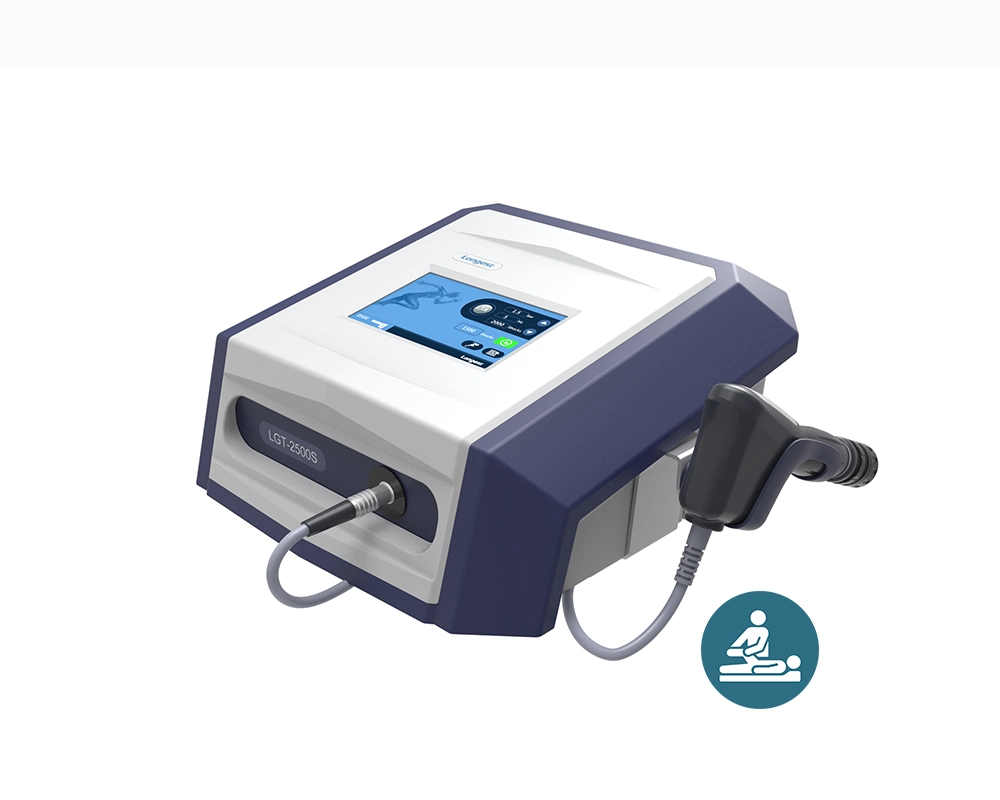
Electrical Extracorporeal Shock Wave Therapy Device PowerShocker LGT-2500S
The LGT-2500S is a portable, tabletop extracorporeal shock wave therapy (ESWT) device. It effectively stimulates the healing of troublesome tissue, alleviates pain, and non-invasively supports the recovery of the patient's tissue. It is a completely natural and drug-free option for various conditions in physiotherapy, veterinary medicine, and aesthetic medicine.
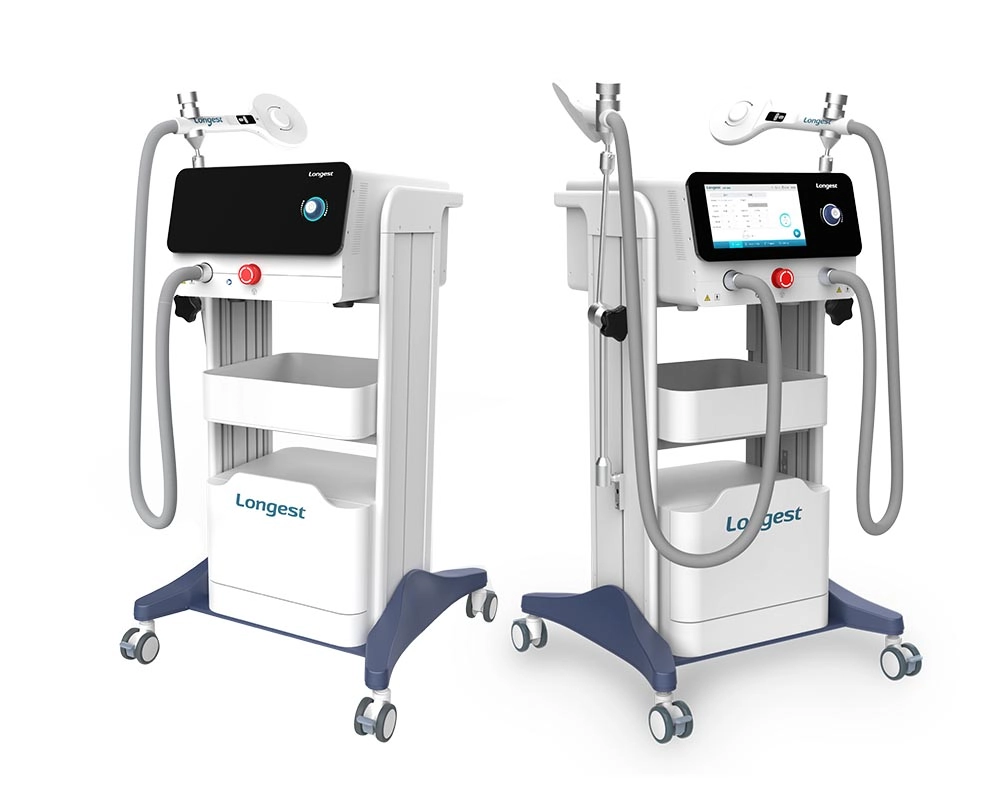
Electromagnetic Stimulator for Musculoskeletal Rehabilitation LGT-2660AP/BP
The LGT-2660 Series Electromagnetic Stimulator for Musculoskeletal Pain is an advanced rehabilitation device engineered to address a wide range of musculoskeletal pain conditions and associated dysfunctions. Operating on the principle of electromagnetic induction, it generates induced currents to regulate neuromuscular function while delivering deeply penetrating energy—this energy transcends superficial tissues to act directly on muscles, joints, and bones. For both acute and chronic musculoskeletal pain, it provides a safe, efficient, and medication-free new solution.
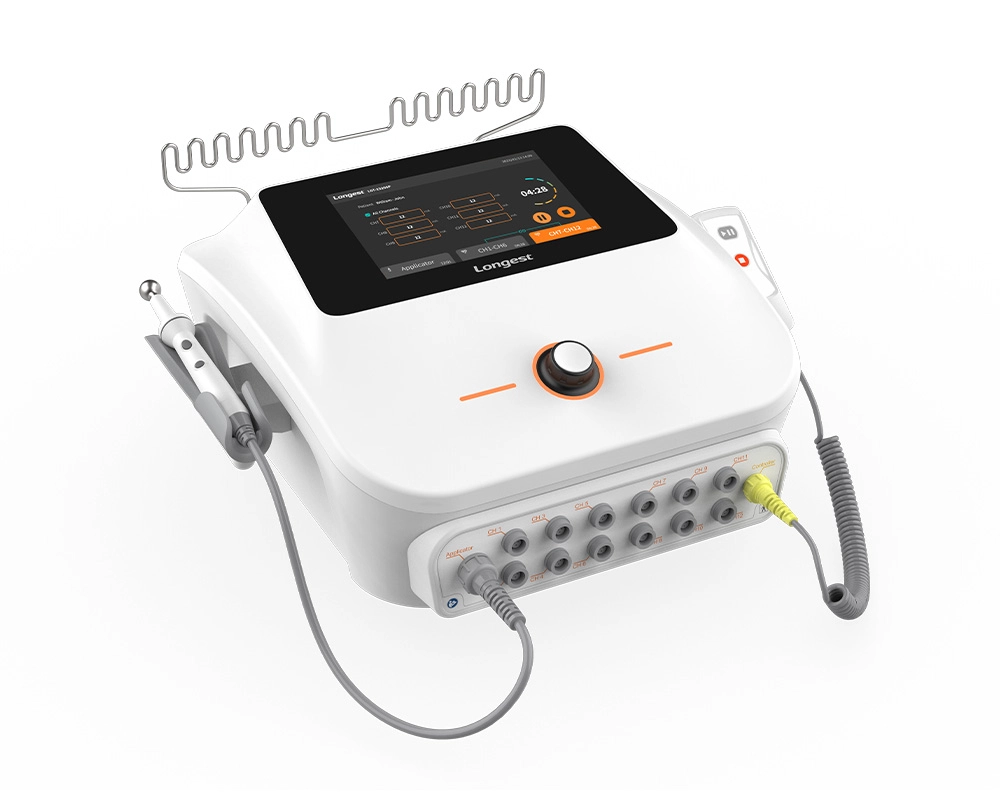
Professional 12-Channel Low-Frequency Electrical Stimulation Machine LGT-2320SP
LGT-2320SP is an advanced electrical stimulation sports training station. It leads to multisite high-efficiency strength gain and realizes bilateral balanced development with motor point detection.
Specifically designed for sports medicine professionals, this device is ideal for the treatment and rehabilitation of sports-related injuries. It delivers precise electrical impulses to targeted areas of the body, promoting pain relief, muscle strengthening, and accelerated recovery.
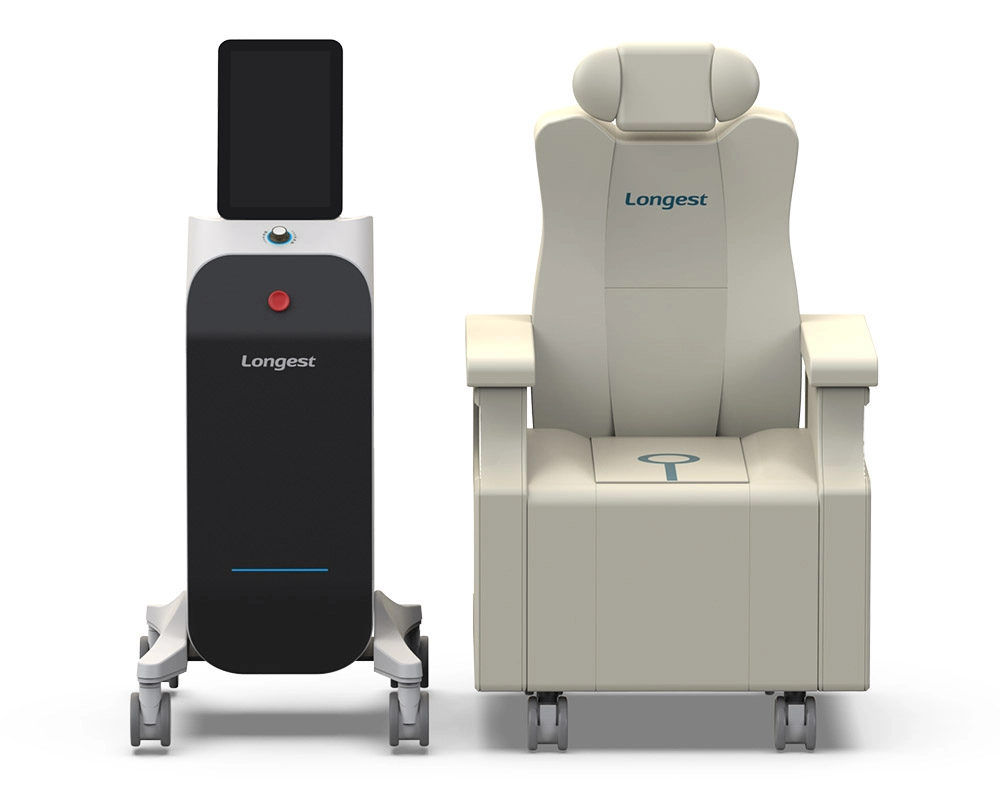
Electromagnetic Stimulator for Pelvic floor rehabilitation LGT-2640AP
The LGT-2640AP Pelvic Floor Magnetic Stimulator is a precision rehabilitation device designed for targeted pelvic floor therapy. Featuring 24 visualized preset protocols (paired with anatomical diagrams), customizable treatment plans, and a pre-adaptation function, it delivers non-invasive, painless stimulation to support postpartum recovery, male pelvic floor rehabilitation, and geriatric pelvic health.

Call us:
+86 020 – 66353999

export@longest.cn

Address:
301 & 401 of Building 2 & Building 3, No. 96, Chuangqiang Road, Ningxi Street, Zengcheng District, Guangzhou, Guangdong Province, 511399, P.R. China.
Tips: The content on this website is a general description of the product.
The final configuration, parameters, and functions of the product may vary in accordance with the regulatory requirements of different countries and regions.
© 2025 Longest Medical. All Rights Reserved. Powered by gooeyun.
LongestMedical
LongestGloba
longest
guangzhou_longest
GzLongest