


What are common side effects of shockwave therapy devices?
- Introduction
- 1. What Are the Common Side Effects of Shockwave Therapy Devices?
- 2. How Are These Side Effects Managed?
- 3. Are There Any Contraindications for Shockwave Therapy?
- 4. How Does Shockwave Therapy Work?
- 5. What Are the Benefits of Shockwave Therapy?
- 6. What Are the Considerations for Medical Device Procurement?
- Longest Brand Advantages
- Data Sources
Introduction
Shockwave therapy devices have gained prominence in the medical field for their non-invasive approach to treating various musculoskeletal conditions. As their adoption increases, it's crucial for medical device procurement professionals to understand the common side effects associated with these devices to make informed decisions. This article delves into the typical side effects of shockwave therapy, their management, and essential considerations for procurement.
1. What Are the Common Side Effects of Shockwave Therapy Devices?
Shockwave therapy is generally well-tolerated, but some patients may experience temporary side effects, including:
- Skin Redness and Bruising: Mild redness or bruising at the treatment site is common and typically resolves within a few days.
- Swelling: Temporary swelling around the treated area may occur, subsiding without intervention.
- Pain or Discomfort: Some individuals might experience mild pain during or after treatment, usually alleviated with over-the-counter pain relievers.
- Numbness or Tingling: Temporary numbness or tingling sensations in the treated area may occur but typically resolve on their own.
2. How Are These Side Effects Managed?
Effective management strategies include:
- Rest: Encouraging patients to rest and avoid strenuous activities post-treatment.
- Cold Compresses: Applying ice packs to reduce swelling and discomfort.
- Over-the-Counter Analgesics: Recommending pain relievers like ibuprofen for pain management.
- Monitoring: Advising patients to monitor the treated area and report any persistent or severe reactions.
3. Are There Any Contraindications for Shockwave Therapy?
Certain conditions may contraindicate the use of shockwave therapy, including:
- Pregnancy: Due to potential risks to the fetus.
- Active Infections: Presence of infections at the treatment site.
- Malignancies: Known or suspected cancer in the treatment area.
- Bleeding Disorders: Patients with bleeding disorders or those on anticoagulant therapy.
4. How Does Shockwave Therapy Work?
Shockwave therapy utilizes high-energy acoustic waves to stimulate healing in damaged tissues. These waves promote increased blood flow, reduce inflammation, and encourage cell regeneration, aiding in the recovery of musculoskeletal injuries.
5. What Are the Benefits of Shockwave Therapy?
Key benefits include:
- Non-Invasive Treatment: Offers a non-surgical option for pain management.
- Accelerated Healing: Stimulates tissue repair and regeneration.
- Reduced Need for Medications: Decreases reliance on pain medications.
- Minimal Downtime: Allows patients to resume normal activities relatively quickly.
6. What Are the Considerations for Medical Device Procurement?
When procuring shockwave therapy devices, consider the following:
- Device Quality: Ensure the device meets regulatory standards and has a proven track record.
- Training and Support: Verify that comprehensive training and ongoing support are available for healthcare providers.
- Patient Safety Features: Look for devices with adjustable settings to tailor treatments to individual patient needs.
- Cost-Effectiveness: Evaluate the device's cost relative to its features and potential patient outcomes.
Longest Brand Advantages
Longest offers several advantages in the shockwave therapy device market, including:
- Advanced Technology: Incorporates the latest advancements for effective treatments.
- Comprehensive Training Programs: Provides extensive training to ensure optimal device utilization.
- Robust Support System: Offers reliable customer service and technical support.
- Proven Efficacy: Demonstrates consistent positive patient outcomes.
Data Sources
- Shockwave Therapy Side Effects, Risks, & Contraindications. SoftWave Clinics. November 2025.
- Shockwave Therapy: Healing With Low-Energy Shockwaves. WebMD. November 2025.
- ORBASONE. FDA. September 2025.
- Shockwave Device FAQ. Shockwave Device. November 2025.
- The Power of Shockwave Therapy for Pain Management. Shockwave Machines. November 2025.

From "Being Able to Eat" to "Eating Well": Advancing Rehabilitation with Warmth on World Dysphagia Day
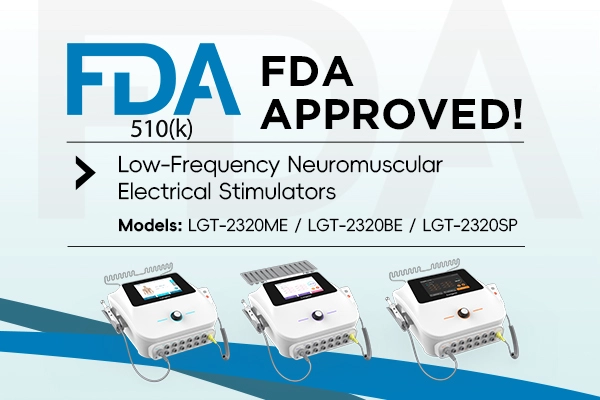
Longest Medical LGT-2320 Series Electrotherapy Devices Gain FDA Approval
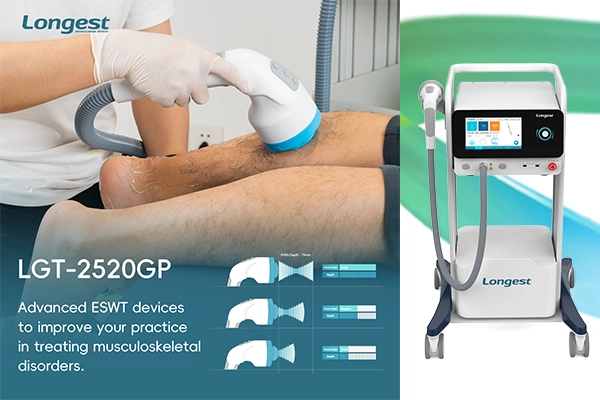
The Definitive Guide to Shockwave Therapy Machines: Technology, Benefits, and Choosing the Best Device
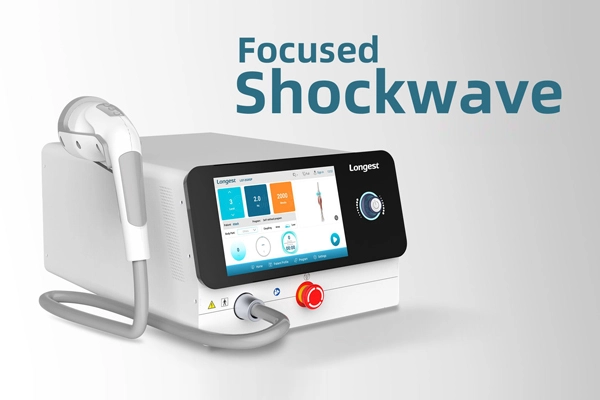
Unlocking Deep Healing: The Definitive Guide to Focused Shockwave Therapy Machines
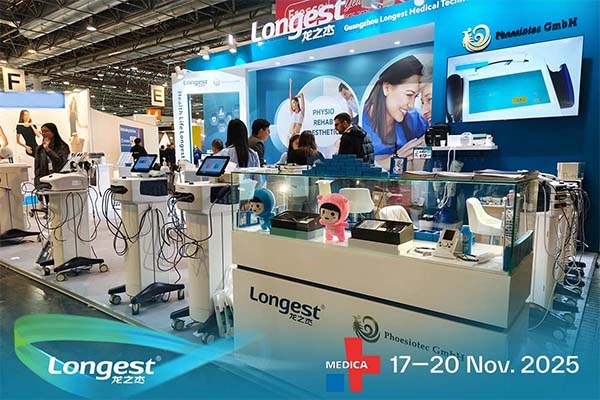
Longest Medical Concludes a Brilliant Journey at MEDICA 2025
Company
How is the company's cooperation with the international market?
In 2012, the International Sales Department was established, and cooperative relationships have been established with distributors and agents in more than 80 countries around the world. The products are widely used in overseas medical institutions and are highly recognized. We actively participate in international academic exchange activities to promote resource sharing.
LGT - 2360S
Is OEM/ODM service available?
Yes. Contact us for more details. We offer professional OEM/ODM services.
After-sales Service
What information should I provide when reporting a repair?
1. Equipment nameplate information: Include the model and serial number (e.g., the serial number EN2500S000000000 for the LGT-2500S model);
2. Detailed fault description: Clearly explain the nature and symptoms of the malfunction;
3. Visual documentation: Attach clear pictures or videos of the fault to aid in diagnosis.
Cryotherapy
What are the differences between Whole - body Cryotherapy and Localized Cryotherapy?
Whole - body cryotherapy offers systemic benefits, ideal for general pain relief, athletic recovery, or body slimming. Localized cryotherapy targets specific injuries or areas, providing focused pain relief and reducing inflammation.
LGT-2410S W
Does your product come with a warranty?
Yes, we're committed to delivering quality products and excellent after-sales service to enhance your overall experience.
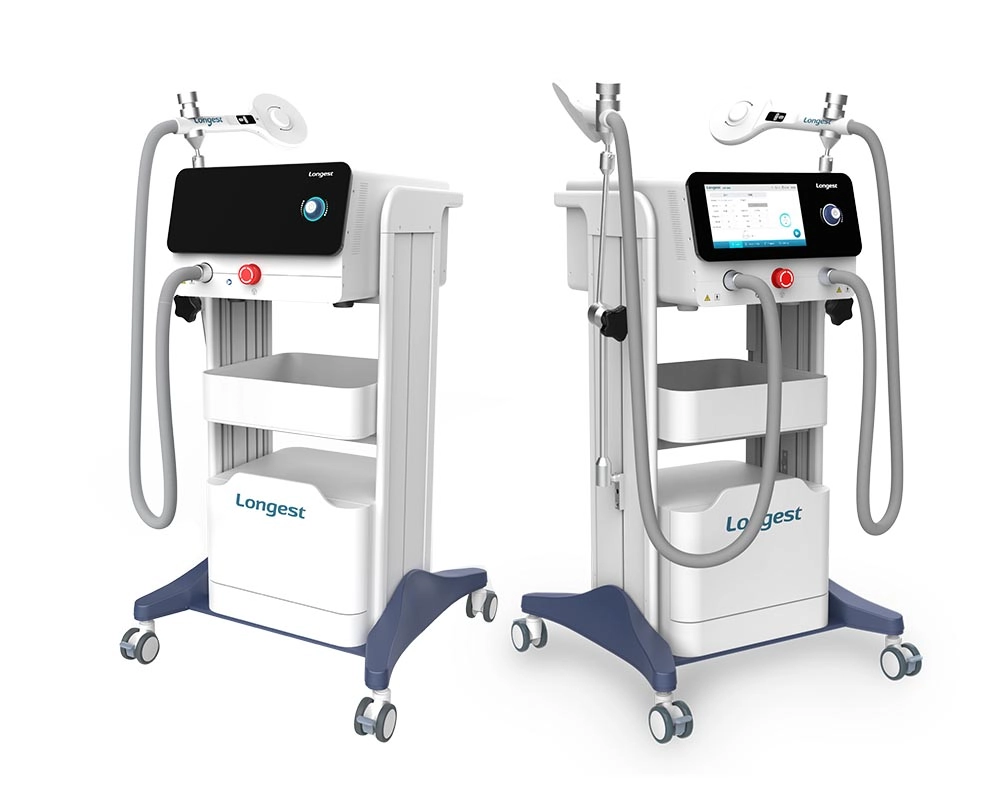
Electromagnetic Stimulator for Musculoskeletal Rehabilitation LGT-2660AP/BP
The LGT-2660 Series Electromagnetic Stimulator for Musculoskeletal Pain is an advanced rehabilitation device engineered to address a wide range of musculoskeletal pain conditions and associated dysfunctions. Operating on the principle of electromagnetic induction, it generates induced currents to regulate neuromuscular function while delivering deeply penetrating energy—this energy transcends superficial tissues to act directly on muscles, joints, and bones. For both acute and chronic musculoskeletal pain, it provides a safe, efficient, and medication-free new solution.
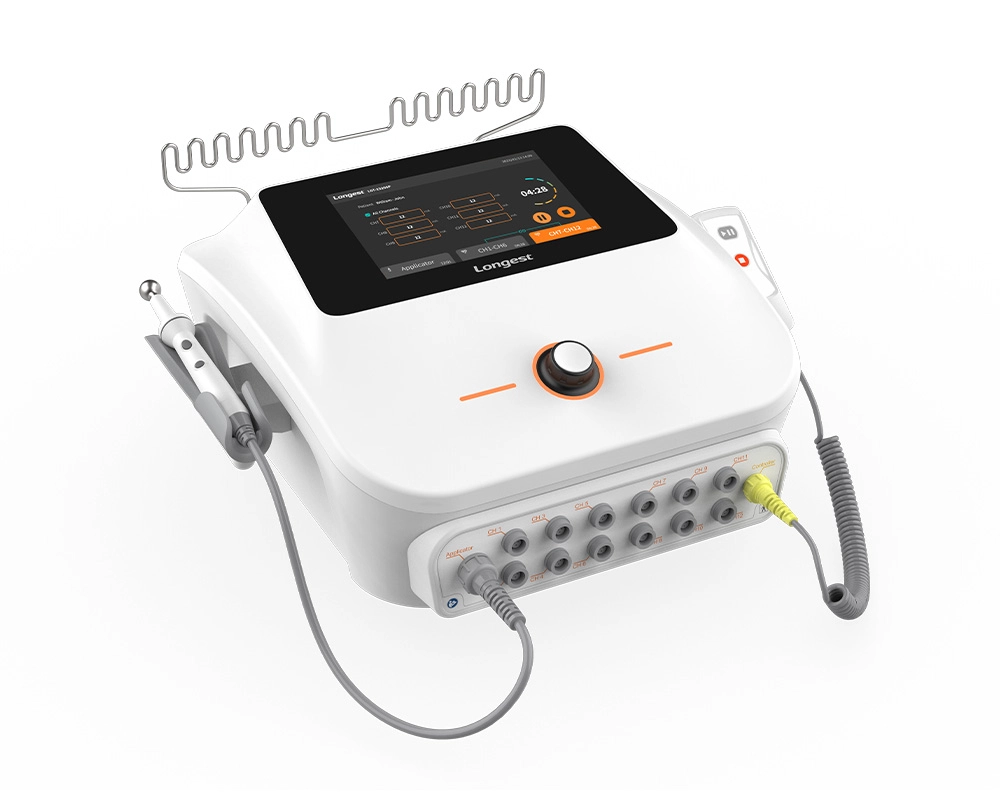
Professional 12-Channel Low-Frequency Electrical Stimulation Machine LGT-2320SP
LGT-2320SP is an advanced electrical stimulation sports training station. It leads to multisite high-efficiency strength gain and realizes bilateral balanced development with motor point detection.
Specifically designed for sports medicine professionals, this device is ideal for the treatment and rehabilitation of sports-related injuries. It delivers precise electrical impulses to targeted areas of the body, promoting pain relief, muscle strengthening, and accelerated recovery.
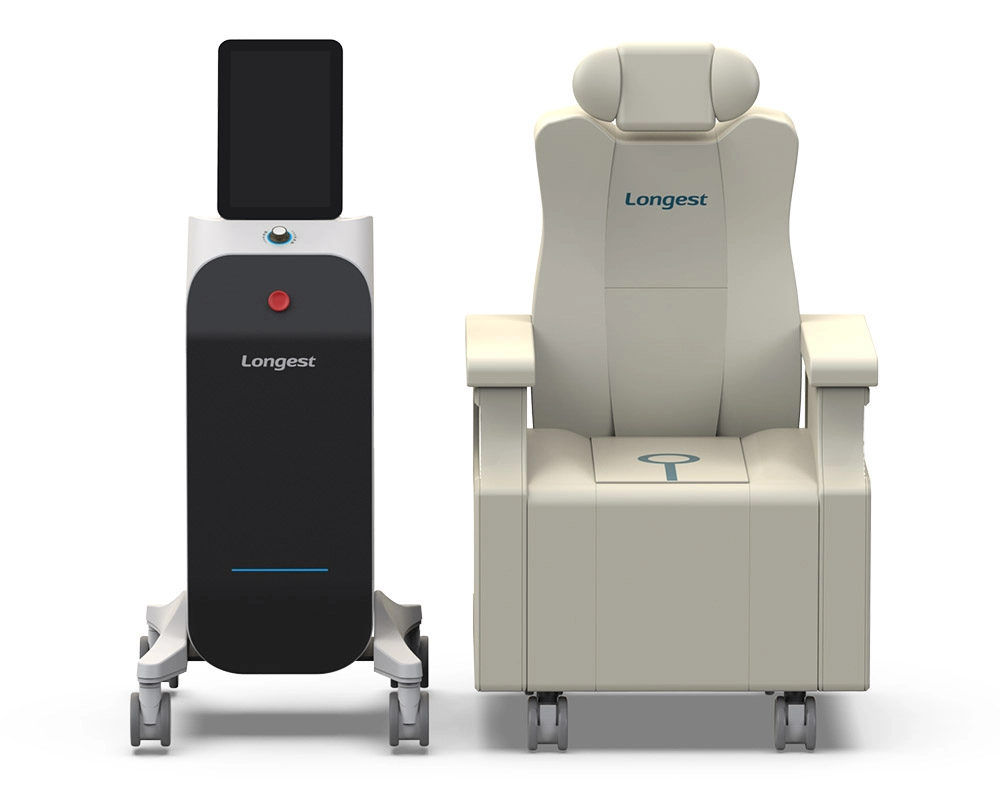
Electromagnetic Stimulator for Pelvic floor rehabilitation LGT-2640AP
The LGT-2640AP Pelvic Floor Magnetic Stimulator is a precision rehabilitation device designed for targeted pelvic floor therapy. Featuring 24 visualized preset protocols (paired with anatomical diagrams), customizable treatment plans, and a pre-adaptation function, it delivers non-invasive, painless stimulation to support postpartum recovery, male pelvic floor rehabilitation, and geriatric pelvic health.
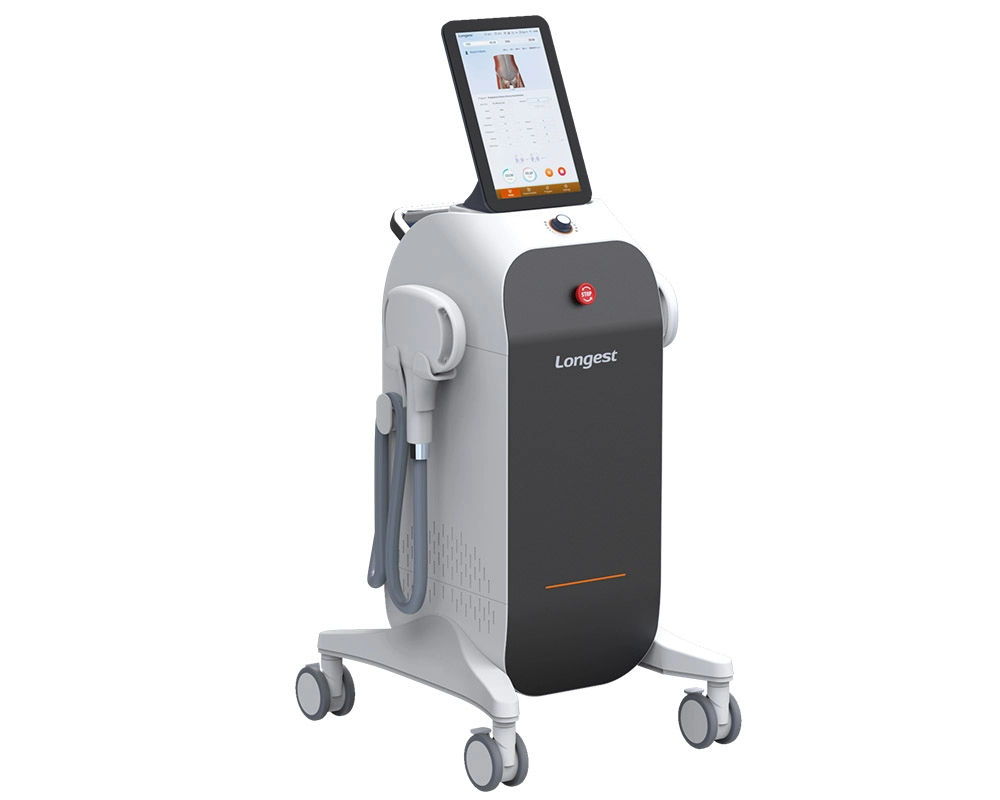
Electromagnetic Stimulator for Body Shaping LGT-2650BP
The LGT-2650BP is a premium unisex body contouring device. Powered by high-intensity magnetic stimulation, it induces intense muscle contractions—effectively boosting muscle tone while reducing stubborn fat deposits. It is widely suited for weight management, body shaping, and individuals with excess weight alike.
Get in touch with us

Call us:
+86 020 – 66353999

export@longest.cn

Address:
301 & 401 of Building 2 & Building 3, No. 96, Chuangqiang Road, Ningxi Street, Zengcheng District, Guangzhou, Guangdong Province, 511399, P.R. China.
Tips: The content on this website is a general description of the product.
The final configuration, parameters, and functions of the product may vary in accordance with the regulatory requirements of different countries and regions.
© 2025 Longest Medical. All Rights Reserved. Powered by gooeyun.
LongestMedical
LongestGloba
longest
guangzhou_longest
GzLongest