


Buying Guide: Choosing the Right Shockwave Therapy Machine
- How to Select the Best Shockwave Therapy Device for Your Clinic
- Understand the types of shockwave therapy machines and why the choice matters
- Clinical indications and evidence for shockwave therapy machines
- Key technical specifications to compare in a shockwave therapy machine (: shockwave therapy machine)
- Comparison: focused vs radial vs combined shockwave therapy machines
- Operational and business considerations for purchasing a shockwave therapy machine
- Integrations and complementary equipment (: electrical muscle stimulation machine, compression therapy machine)
- How to evaluate suppliers: warranty, clinical support and credentials (: shockwave therapy machine supplier)
- Founded in 2000, Longest Medical is a leading global rehabilitation and aesthetic solutions company, focusing on non-invasive medical solutions.
- Purchase checklist: final practical steps before buying your shockwave therapy machine
- Costs, ROI and typical session pricing
- FAQ — Frequently Asked Questions about buying a shockwave therapy machine
- Contact, demo and product inquiry (CTA)
- References and further reading
How to Select the Best Shockwave Therapy Device for Your Clinic
Understand the types of shockwave therapy machines and why the choice matters
Shockwave therapy machine is a broad term that covers devices delivering high-energy acoustic pulses to biological tissue to promote pain relief and tissue repair. Two primary technologies are used clinically: focused extracorporeal shock wave therapy (f-ESWT) and radial pressure wave therapy (r-ESWT). Choosing between focused, radial or hybrid devices affects clinical indications, treatment depth, session times, consumable costs and return on investment for your practice.
Clinical indications and evidence for shockwave therapy machines
Evidence supports shockwave therapy for a range of musculoskeletal conditions (e.g., plantar fasciitis, Achilles tendinopathy, lateral epicondylitis), some chronic soft-tissue pathologies and selected aesthetic uses. High-quality randomized controlled trials and systematic reviews show moderate-to-strong benefit for chronic plantar fasciitis and certain tendinopathies compared with placebo or conservative care when properly dosed and delivered. However, outcomes depend on device settings (energy density, number of pulses), correct diagnosis and protocol adherence.
Key evidence sources: systematic reviews and ISMST (International Society for Medical Shockwave Treatment) position statements that summarize indications and recommended energy ranges. Always review indications, contraindications and local regulations before adopting therapy in your clinic.
Key technical specifications to compare in a shockwave therapy machine (: shockwave therapy machine)
When evaluating devices, focus on objective technical parameters that directly affect clinical performance and operational cost:
- Energy Flux Density (EFD): measured in mJ/mm2; higher EFDs deliver more energy per pulse and reach deeper tissue. Typical f-ESWT devices: 0.08–0.6 mJ/mm2 range; r-ESWT typically offers lower EFD (0.02–0.35 mJ/mm2). Confirm EFD calibration and reporting method.
- Focal depth / penetration: focused devices have adjustable focal depths (useful for deep tendons or bone interfaces); radial devices have a more superficial pressure field.
- Frequency (Hz) and pulse rate: affects treatment time — higher Hz reduces session length but may alter clinical effect.
- Applicator types and ergonomics: interchangeable heads, ease of handling, weight and handpiece ergonomics influence clinician fatigue and treatment accuracy.
- Energy control and reproducibility: digital controls, presets for protocols, dose reproducibility and ability to document delivered energy for audits and reimbursement.
- Maintenance and consumables: probe lifetime, replacement costs, warranty on transducers and handpieces.
- Safety features and regulatory clearances (CE, FDA 510(k) where applicable): essential for institutional purchasing.
Comparison: focused vs radial vs combined shockwave therapy machines
Below is a concise comparison to guide device selection based on clinical need and business model.
| Feature | Focused (f-ESWT) | Radial (r-ESWT) | Combined/Hybrid |
|---|---|---|---|
| Typical energy (EFD) | ~0.08–0.6 mJ/mm² (can reach higher) | ~0.02–0.35 mJ/mm² | Offers both ranges |
| Penetration depth | Adjustable focal depth; reaches deeper structures | Superficial to mid-depth | Flexible by indication |
| Best clinical uses | Deep tendinopathies, calcifications | Superficial tendinopathies, trigger points | Broad case-mix clinics |
| Session speed | Varies; often slightly longer per site | Usually faster with higher pulse rates | Depends on selected mode |
| Costs | Generally higher upfront | Lower upfront | Highest upfront, broad utility |
Sources: ISMST guidance and published systematic reviews (see References).
Operational and business considerations for purchasing a shockwave therapy machine
Beyond technical specs, evaluate total cost of ownership and business fit:
- Case mix and utilization assumptions: estimate the number of treatable patients per week and desired revenue per treatment to calculate payback period.
- Training and protocol support: does the vendor provide clinical training, documentation templates, and published protocols for common indications?
- Service, warranty and spare parts: check response times, availability of calibrated transducers, and service network in your region.
- Regulatory compliance and documentation: ensure CE or FDA clearance for your intended indication and retain clear device documentation for audits and reimbursement.
- Reimbursement and coding: reimbursement varies by country and payer. Confirm local codes and expected reimbursement rates before forecasting ROI.
Integrations and complementary equipment (: electrical muscle stimulation machine, compression therapy machine)
Many clinics bundle shockwave therapy with complementary modalities to broaden service offerings and revenue per visit. Common adjunct devices include:
- Electrical muscle stimulation machine (EMS/TENS) — useful for pain modulation and post-procedure rehabilitation.
- Compression therapy machine / Pressotherapy machine — for edema control and lymphatic drainage after procedures.
- Active-passive trainers and rehabilitation devices — to guide functional recovery following painful musculoskeletal interventions.
When selecting complementary products, consider workflow (same treatment room?), integrated treatment protocols from the vendor, and training/marketing support to help clinicians cross-sell services.
How to evaluate suppliers: warranty, clinical support and credentials (: shockwave therapy machine supplier)
Select suppliers with demonstrated clinical evidence, robust after-sales service and transparent technical documentation. Questions to ask potential vendors:
- Can you provide randomized controlled trial references or clinical case series performed with this specific model?
- What are the warranty terms for the handpiece/transducer and electronics? Is accidental damage covered?
- Do you offer on-site training, online modules, and marketing collateral for clinicians?
- What regulatory clearances does the device hold in relevant markets (CE mark, FDA 510(k), ISO certifications)?
- What is the expected lifetime of consumables and the schedule/cost for preventative maintenance?
Founded in 2000, Longest Medical is a leading global rehabilitation and aesthetic solutions company, focusing on non-invasive medical solutions.
Its products include shock wave therapy, compression therapy, electrotherapy, electrostatic oscillation therapy, cryotherapy, ultrasound therapy, and active-passive trainers. These product lines can provide comprehensive and powerful equipment solutions for physical therapy, neurological rehabilitation, postoperative recovery, veterinary diagnosis and treatment, medical aesthetics, and other fields.
Longest Medical’s product portfolio relevant to this guide includes: shockwave therapy machine, focused shockwave therapy machine, electrical muscle stimulation machine, air relax compression systems, active passive trainer, compression therapy machine, DVT medical device, lymphatic massage device and Pressotherapy machine. Key competitive advantages of Longest Medical include:
- Product breadth: a wide portfolio allows clinics to procure compatible modalities from a single supplier, simplifying training and service.
- Focus on non-invasive therapies: range of devices tailored to outpatient rehabilitation, sports medicine and medical aesthetics.
- Operational support: typically provides clinical training, protocol libraries and after-sales service to support adoption (verify specific services with regional offices).
- Global presence and production experience since 2000: likely to offer established supply chains and spare parts availability in multiple markets.
When assessing Longest or any supplier, confirm device-specific performance metrics (EFD, focal depth, frequency), regulatory certifications for your market, and available clinical evidence for the specific model you plan to purchase.
Purchase checklist: final practical steps before buying your shockwave therapy machine
Use this checklist to finalize a purchase decision:
- Confirm clinical indications you will treat and match device type (focused vs radial) to those conditions.
- Request device specifications sheet: EFD curves, focal depth, frequency range, probe life and calibration protocol.
- Ask for a demonstrator unit or trial period to test ergonomics and workflow with clinicians.
- Obtain clear quotes showing warranty, shipping, installation and training costs.
- Check local regulatory clearance and reimbursement landscape before procurement.
- Plan for marketing and patient education to maximize device utilization after purchase.
Costs, ROI and typical session pricing
Device purchase cost ranges widely depending on technology and manufacturer: radial-only devices generally have lower entry cost; focused and hybrid units command higher capital investment. Pricing also depends on accessories, warranty and included training. Estimate utilization conservatively (e.g., 5–15 treatable cases/week initially) and model ROI including consumables, maintenance and staff time. Many clinics recoup the device cost within 12–36 months when utilization and reimbursement are adequate.
FAQ — Frequently Asked Questions about buying a shockwave therapy machine
Q1: What is the difference between focused and radial shockwave therapy machines?
A: Focused devices concentrate acoustic energy at an adjustable focal point to reach deeper structures and typically deliver higher energy flux densities; radial devices generate pressure waves that disperse superficially and are often used for superficial tendinopathies and trigger points. Choice depends on clinical indications and budget.
Q2: Is shockwave therapy machine treatment painful?
A: Discomfort varies by energy level, treated area and patient sensitivity. Most patients tolerate treatments with local analgesia strategies (e.g., topical or mild analgesics) and gradual energy ramping. Clinician technique matters for patient comfort.
Q3: How many treatments are usually required?
A: Protocols vary; many conditions require 3–6 sessions spaced weekly. Evidence-based protocols depend on condition, energy dose and clinical response.
Q4: Do I need special training to use a shockwave therapy machine?
A: Yes. Proper diagnosis, parameter selection and application technique are essential for safety and outcomes. Choose a vendor that offers clinical training and protocol support.
Q5: What maintenance should I expect?
A: Regular checks include handpiece/transducer inspection, software updates, and preventive maintenance per manufacturer guidance. Handpieces have finite lifespans and may require periodic replacement.
Q6: Can shockwave therapy be combined with EMS or compression therapy?
A: Yes. Combining shockwave therapy with post-treatment EMS, compression therapy (pressotherapy), or active rehabilitation can enhance functional recovery. Integrating complementary modalities is common in multidisciplinary clinics.
Contact, demo and product inquiry (CTA)
If you are evaluating shockwave therapy machine options for your clinic, request a demo or product portfolio from manufacturers that offer clinical training and regional service. For integrated, non-invasive rehabilitation and aesthetic solutions, view Longest Medical’s product range or contact their regional sales team for technical specs, clinical protocols and trial opportunities.
View products / Contact: Visit https://www.longestmedical.com or contact your local Longest Medical distributor for demos, quotations and clinical training options.
References and further reading
- International Society for Medical Shockwave Treatment (ISMST) — Guidelines and position statements. https://www.ismst.org/ (accessed 2025-12-10)
- Rompe JD, et al. Extracorporeal shock wave therapy in musculoskeletal disorders: A review. PubMed/NLM. https://pubmed.ncbi.nlm.nih.gov/ (search results and summarized reviews) (accessed 2025-12-10)
- Cochrane Review — Shock wave therapy for plantar fasciitis. https://www.cochranelibrary.com/ (accessed 2025-12-10)
- FDA — Medical Device Databases and 510(k) Premarket Notification. https://www.fda.gov/medical-devices (accessed 2025-12-10)
- Longest Medical official website — company and product information. https://www.longestmedical.com (accessed 2025-12-10)
What is the Fastest Way to Heal a Shoulder? Expert Insights from Longest Medical
Shockwave Device ROI: Calculating Clinic Revenue Impact
Active Passive Trainer Cost in Japan: Complete Price Guide & Buying Tips
Active Passive Trainer Cost in Korea: Pricing Guide for Buyers and Clinics
5- LGT-2500X copywriting, physical therapy version
How is patient privacy protected in the PowerShocker LGT-2500X?
It has an account management feature. Therapists need to log in to their personal accounts to view patient data, ensuring patient privacy.
LGT-2320SP
Does your product come with a warranty?
Yes, we're committed to delivering quality products and excellent after-sales service to enhance your overall experience.
What are the benefits of using an electrical stimulation machine after exercise?
It can accelerate muscle recovery, reduce the soreness caused by lactic acid accumulation, promote blood circulation, and help damaged muscle tissues repair faster, enabling athletes to return to high-intensity training sooner.
Pressotherapy
Who is Pressotherapy for?
People who rely on lymphatic drainage to detoxify their bodies. People who receive regular body contouring treatments. People suffering from lymphedema. Those undergoing pre - and post - surgery procedures. Athletes or fitness enthusiasts. People who feel pain, stiffness, and fatigue in their muscles and joints. People suffering from poor blood circulation.
LGT-2202DVT
How long should a DVT pump be used?
The duration of DVT pump usage depends on the individual's condition. In some cases, they may be used during hospitalization and then discontinued once the risk of thrombosis decreases. In other instances, individuals may be instructed to continue using the pump at home for a specific period or until they recover fully.
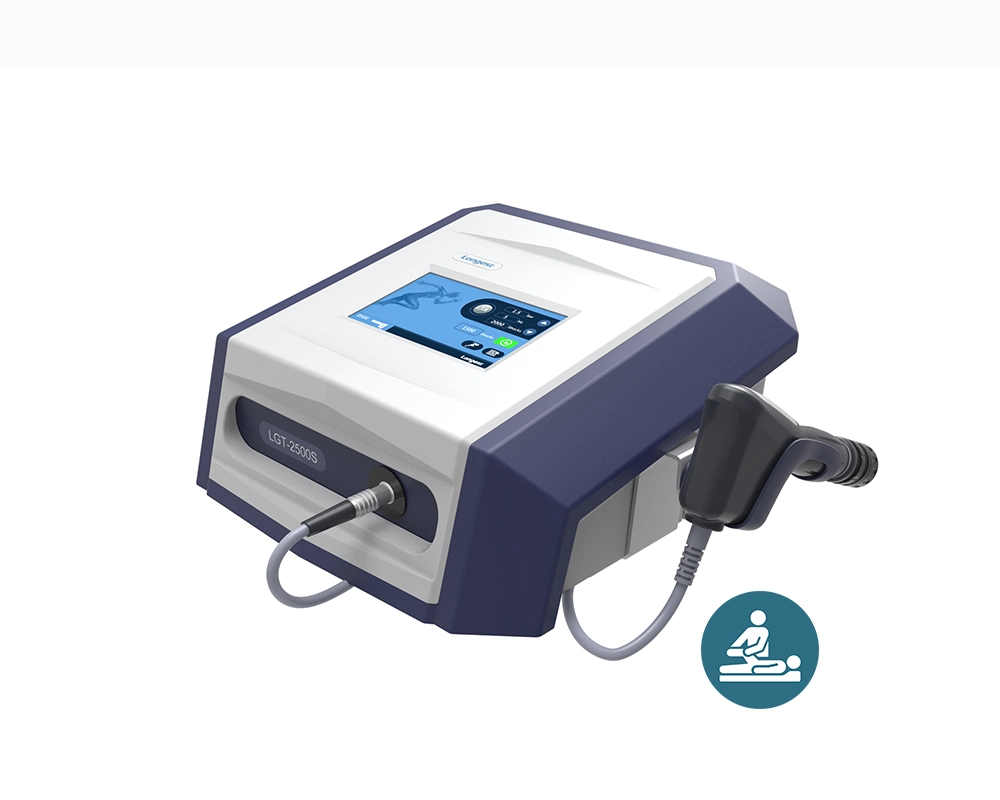
Electrical Extracorporeal Shock Wave Therapy Device PowerShocker LGT-2500S
The LGT-2500S is a portable, tabletop extracorporeal shock wave therapy (ESWT) device. It effectively stimulates the healing of troublesome tissue, alleviates pain, and non-invasively supports the recovery of the patient's tissue. It is a completely natural and drug-free option for various conditions in physiotherapy, veterinary medicine, and aesthetic medicine.
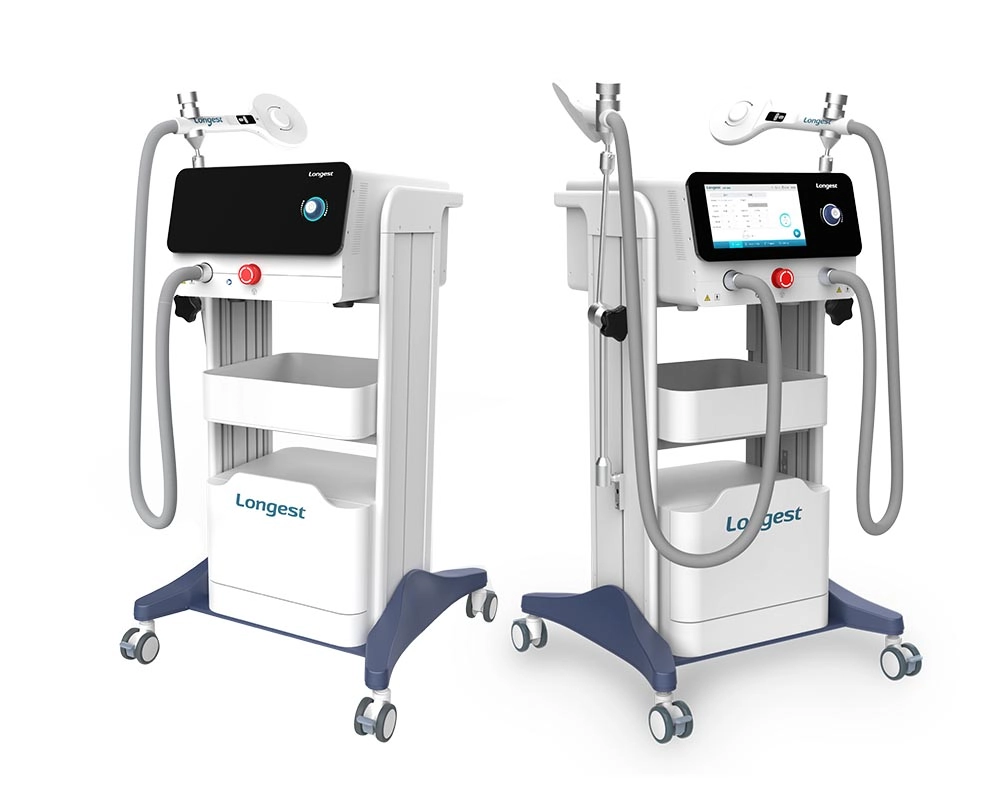
Electromagnetic Stimulator for Musculoskeletal Rehabilitation LGT-2660AP/BP
The LGT-2660 Series Electromagnetic Stimulator for Musculoskeletal Pain is an advanced rehabilitation device engineered to address a wide range of musculoskeletal pain conditions and associated dysfunctions. Operating on the principle of electromagnetic induction, it generates induced currents to regulate neuromuscular function while delivering deeply penetrating energy—this energy transcends superficial tissues to act directly on muscles, joints, and bones. For both acute and chronic musculoskeletal pain, it provides a safe, efficient, and medication-free new solution.
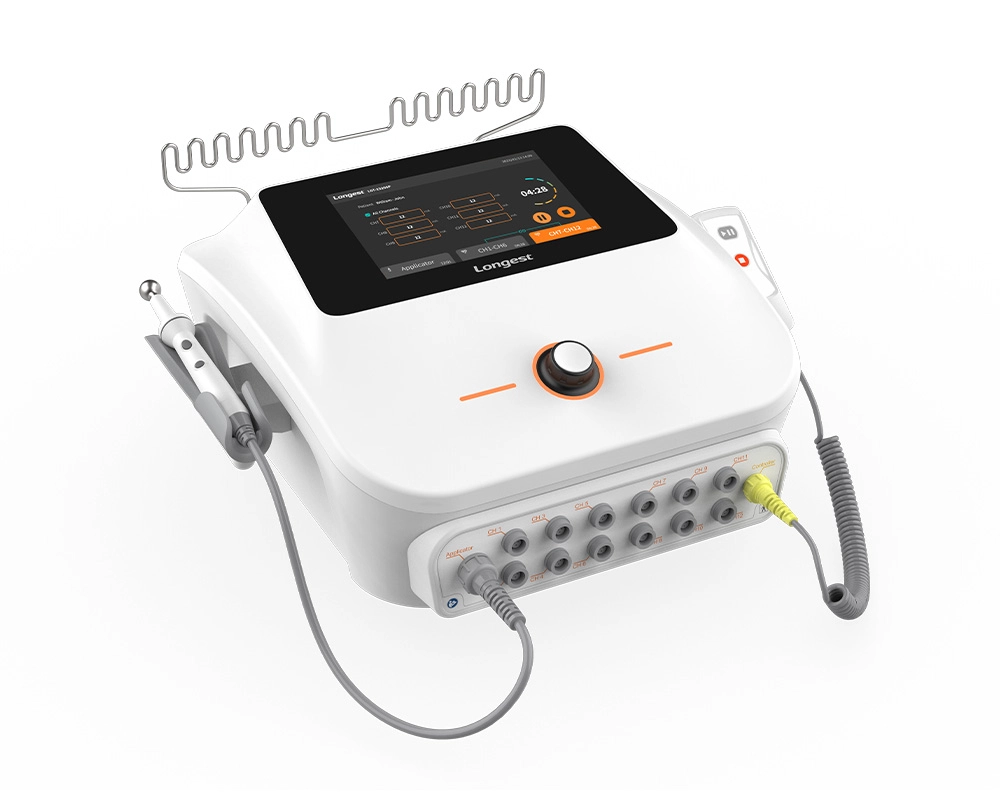
Professional 12-Channel Low-Frequency Electrical Stimulation Machine LGT-2320SP
LGT-2320SP is an advanced electrical stimulation sports training station. It leads to multisite high-efficiency strength gain and realizes bilateral balanced development with motor point detection.
Specifically designed for sports medicine professionals, this device is ideal for the treatment and rehabilitation of sports-related injuries. It delivers precise electrical impulses to targeted areas of the body, promoting pain relief, muscle strengthening, and accelerated recovery.
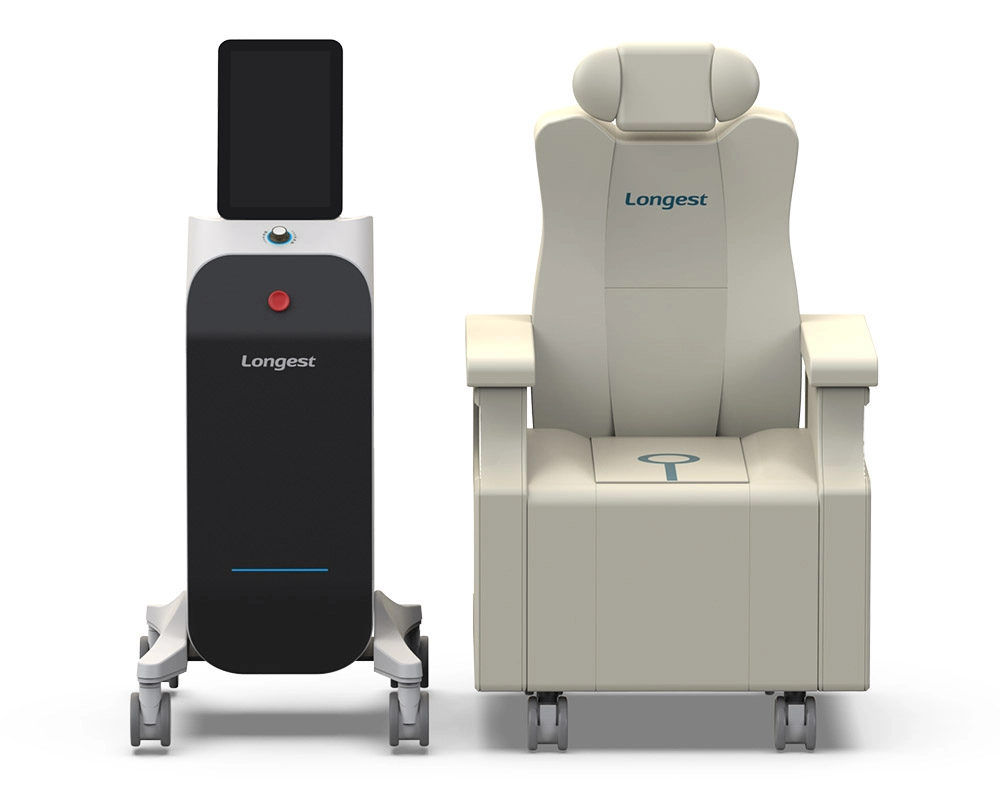
Electromagnetic Stimulator for Pelvic floor rehabilitation LGT-2640AP
The LGT-2640AP Pelvic Floor Magnetic Stimulator is a precision rehabilitation device designed for targeted pelvic floor therapy. Featuring 24 visualized preset protocols (paired with anatomical diagrams), customizable treatment plans, and a pre-adaptation function, it delivers non-invasive, painless stimulation to support postpartum recovery, male pelvic floor rehabilitation, and geriatric pelvic health.

Call us:
+86 020 – 66353999

export@longest.cn

Address:
301 & 401 of Building 2 & Building 3, No. 96, Chuangqiang Road, Ningxi Street, Zengcheng District, Guangzhou, Guangdong Province, 511399, P.R. China.
Tips: The content on this website is a general description of the product.
The final configuration, parameters, and functions of the product may vary in accordance with the regulatory requirements of different countries and regions.
© 2025 Longest Medical. All Rights Reserved. Powered by gooeyun.
LongestMedical
LongestGloba
longest
guangzhou_longest
GzLongest