


How to choose the right electrotherapy device for athletes?
- 1. What Are the Different Types of Electrotherapy Devices Available for Athletes?
- 2. How Does Artificial Intelligence Enhance Electrotherapy Devices?
- 3. What Are the Key Safety Considerations When Using Electrotherapy Devices?
- 4. How Do Electrotherapy Devices Contribute to Athletic Performance and Recovery?
- 5. What Are the Cost Considerations When Selecting an Electrotherapy Device?
- 6. How Do Electrotherapy Devices Integrate with Other Training and Rehabilitation Modalities?
- 7. What Are the Regulatory Standards and Certifications for Electrotherapy Devices?
- 8. How Do Electrotherapy Devices Address Specific Athletic Injuries?
- Longest Brand Advantages
- Data Sources
1. What Are the Different Types of Electrotherapy Devices Available for Athletes?
Electrotherapy devices are primarily categorized based on their therapeutic modalities:
- Transcutaneous Electrical Nerve Stimulation (TENS): Utilizes electrical impulses to alleviate pain by blocking nerve signals and promoting endorphin release.
- Neuromuscular Electrical Stimulation (NMES): Stimulates muscle contractions to enhance strength, prevent atrophy, and improve muscle function.
- Interferential Current Therapy (IFT): Employs medium-frequency currents to reduce pain and inflammation, often used for deeper tissue penetration.
- High-Voltage Pulsed Current (HVPC): Aids in tissue healing and edema reduction through high-voltage pulses.
- Microcurrent Therapy: Delivers low-intensity currents to promote cellular repair and reduce pain.
Each modality offers distinct benefits, and the choice depends on the athlete's specific needs and treatment goals.
2. How Does Artificial Intelligence Enhance Electrotherapy Devices?
Integrating AI into electrotherapy devices offers several advantages:
- Personalized Treatment Plans: AI algorithms analyze individual responses to therapy, adjusting parameters for optimal results.
- Real-Time Monitoring: Continuous assessment of muscle activity and pain levels allows for immediate adjustments during sessions.
- Data Analytics: AI processes treatment data to identify patterns, improving future therapy sessions and outcomes.
- Predictive Maintenance: AI can predict device malfunctions, ensuring consistent performance and reducing downtime.
These AI-driven features enhance the efficacy and user experience of electrotherapy devices for athletes.
3. What Are the Key Safety Considerations When Using Electrotherapy Devices?
Ensuring safety is paramount when using electrotherapy devices. Key considerations include:
- Contraindications: Avoid use over areas with impaired sensation, open wounds, or active infections. Electrotherapy is also contraindicated for individuals with pacemakers, epilepsy, or during pregnancy.
- Electrode Placement: Proper placement is crucial to prevent adverse effects. Electrodes should not be placed on the head, neck, chest, or over broken skin.
- Device Maintenance: Regular inspection and maintenance of devices prevent malfunctions and ensure safety. This includes checking electrode condition and ensuring proper storage to prevent drying out.
Adhering to these safety guidelines minimizes risks associated with electrotherapy treatments.
4. How Do Electrotherapy Devices Contribute to Athletic Performance and Recovery?
Electrotherapy devices offer several benefits for athletes:
- Pain Management: Effective in reducing acute and chronic pain, facilitating quicker return to training and competition.
- Muscle Strengthening: NMES devices aid in muscle strengthening and re-education, beneficial for rehabilitation and performance enhancement.
- Injury Prevention: Regular use can prevent muscle atrophy and improve muscle endurance, reducing the risk of injuries.
- Enhanced Recovery: Accelerates tissue healing and reduces inflammation, leading to faster recovery times post-exercise or injury.
Incorporating electrotherapy into an athlete's regimen can lead to improved performance and reduced downtime.
5. What Are the Cost Considerations When Selecting an Electrotherapy Device?
When evaluating electrotherapy devices, consider the following cost factors:
- Initial Investment: Prices vary based on device features, with advanced models incorporating AI and multiple modalities typically costing more.
- Maintenance Costs: Regular maintenance, including electrode replacement and device servicing, adds to the total cost of ownership.
- Consumables: Ongoing expenses such as electrode gels and pads should be factored into the budget.
- Warranty and Support: Devices with comprehensive warranties and reliable customer support may offer better long-term value.
Balancing these costs against the device's benefits and the athlete's specific needs is essential for making a cost-effective choice.
6. How Do Electrotherapy Devices Integrate with Other Training and Rehabilitation Modalities?
Electrotherapy devices can complement other training and rehabilitation methods:
- Physical Therapy: Used alongside manual therapies to enhance muscle activation and promote healing.
- Strength Training: Combined with exercise regimens to improve muscle strength and endurance.
- Recovery Protocols: Incorporated into post-training routines to reduce muscle soreness and expedite recovery.
Integrating electrotherapy with other modalities provides a holistic approach to athletic training and rehabilitation.
7. What Are the Regulatory Standards and Certifications for Electrotherapy Devices?
Ensuring that electrotherapy devices meet regulatory standards is crucial:
- FDA Approval: In the United States, devices should have FDA clearance, such as FDA 510(k) clearance, indicating they are safe and effective for public use.
- CE Marking: In Europe, CE marking signifies compliance with health, safety, and environmental protection standards.
- ISO Certifications: Compliance with ISO standards, such as ISO 13485 for medical devices, ensures quality management systems are in place.
Verifying these certifications ensures the device's quality and safety for use in athletic settings.
8. How Do Electrotherapy Devices Address Specific Athletic Injuries?
Electrotherapy devices are effective in treating various athletic injuries:
- Muscle Strains: NMES aids in muscle strengthening and re-education, promoting faster recovery.
- Ligament Sprains: TENS can reduce pain and inflammation, facilitating rehabilitation.
- Joint Injuries: Electrotherapy enhances circulation and tissue healing, supporting joint recovery.
- Overuse Injuries: Regular use can prevent muscle atrophy and improve muscle endurance, reducing the risk of overuse injuries.
Targeted electrotherapy treatments can accelerate recovery and improve outcomes for athletes.
Longest Brand Advantages
Longest offers a range of electrotherapy devices tailored for athletes, featuring:
- Advanced AI Integration: Personalized treatment plans and real-time monitoring for optimal results.
- Comprehensive Safety Features: Adherence to international safety standards and user-friendly interfaces.
- Cost-Effectiveness: Competitive pricing with durable devices and low maintenance costs.
- Versatility: Multi-modality devices suitable for various therapeutic applications.
Choosing Longest ensures access to high-quality electrotherapy solutions designed to meet the unique needs of athletes.
Data Sources
- Accio Health. (2025). Electro Therapy Devices for Pain Relief & Recovery.
- Medcom Group. (2025). When to Recommend Electrotherapy to Your Patient.
- OccupationalTherapy.com. (2025). Therapeutic Modalities: Electrotherapy.
- Welly.it. (2025). Who Should Not Use Electrotherapy? Safe Usage Guide.
- Musculoskeletal Key. (2025). Electrotherapy.

From "Being Able to Eat" to "Eating Well": Advancing Rehabilitation with Warmth on World Dysphagia Day
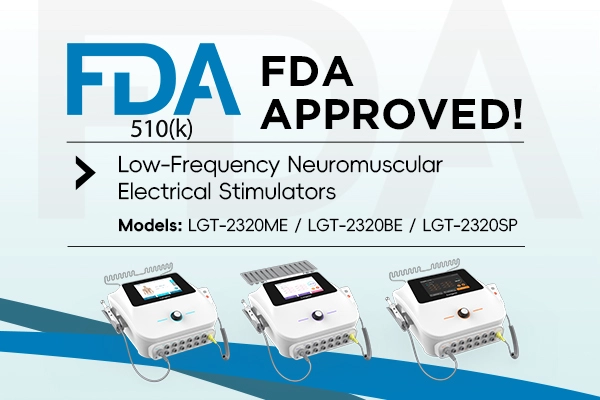
Longest Medical LGT-2320 Series Electrotherapy Devices Gain FDA Approval
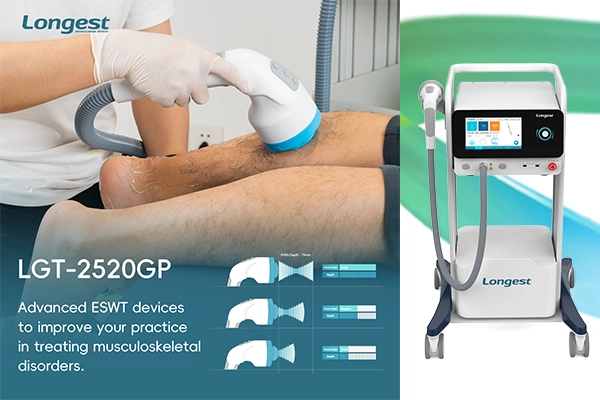
The Definitive Guide to Shockwave Therapy Machines: Technology, Benefits, and Choosing the Best Device
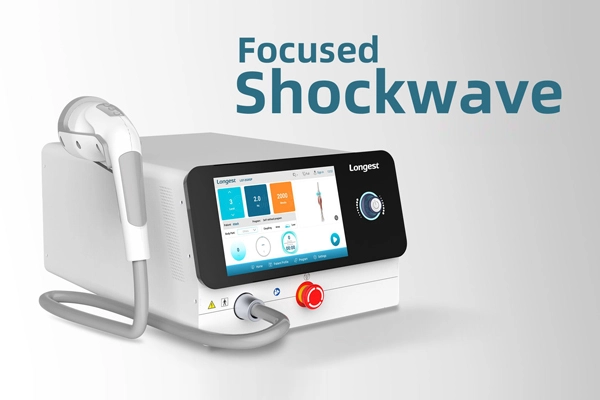
Unlocking Deep Healing: The Definitive Guide to Focused Shockwave Therapy Machines
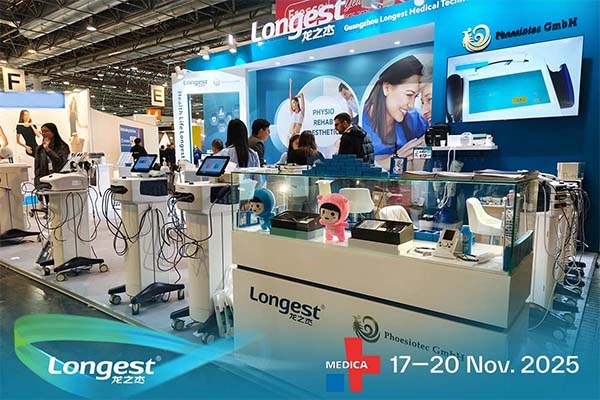
Longest Medical Concludes a Brilliant Journey at MEDICA 2025
2500X
Is OEM/ODM service available?
Yes. Contact us for more details. We offer professional OEM/ODM services.
LGT-2500S - Beauty
Does the software / application have multiple language interface options?
Yes, the software/application supports more than 10 kinds of languages.
Electromagnetic Stimulator
Which populations cannot use magnetic stimulation therapy (absolute contraindications)?
Absolute contraindications include:
① Presence of magnetic metal implants in the treatment target area (such as cardiac pacemakers, cochlear implants, stents, etc., excluding non-magnetic titanium alloys);
② Patients with malignant tumors;
③ Waist, abdomen and lower abdomen of pregnant women;
④ Patients with severe arrhythmia; ⑤ Patients in the acute bleeding phase.
Shockwave
What are the different types of shockwave therapy devices available?
· LGT - 2500S:The most economical ESWT device, it features high durability and can endure up to 2 million pulses.
· LGT -2500S Plus:An ESWT device with integrated vibration massage therapy.
· LGT - 2500X:This ESWT device has a more modern and sleek appearance. Its pressure ranges from 0.3 bar to 5.0 bar. It also provides pre - and post - treatment VAS (Visual Analogue Scale) and range of motion comparisons.
· LGT - 2520GP:A cutting - edge focused shockwave therapy device. It has an adjustable coupling area to reach different depths and offers a wide range of preset protocols with image guidance.
2410S
What will happen if the skin temperature is too low during the treatment?
If the skin temperature drops below the target temperature or the safety threshold, the device will automatically shut down to prioritize patient safety.
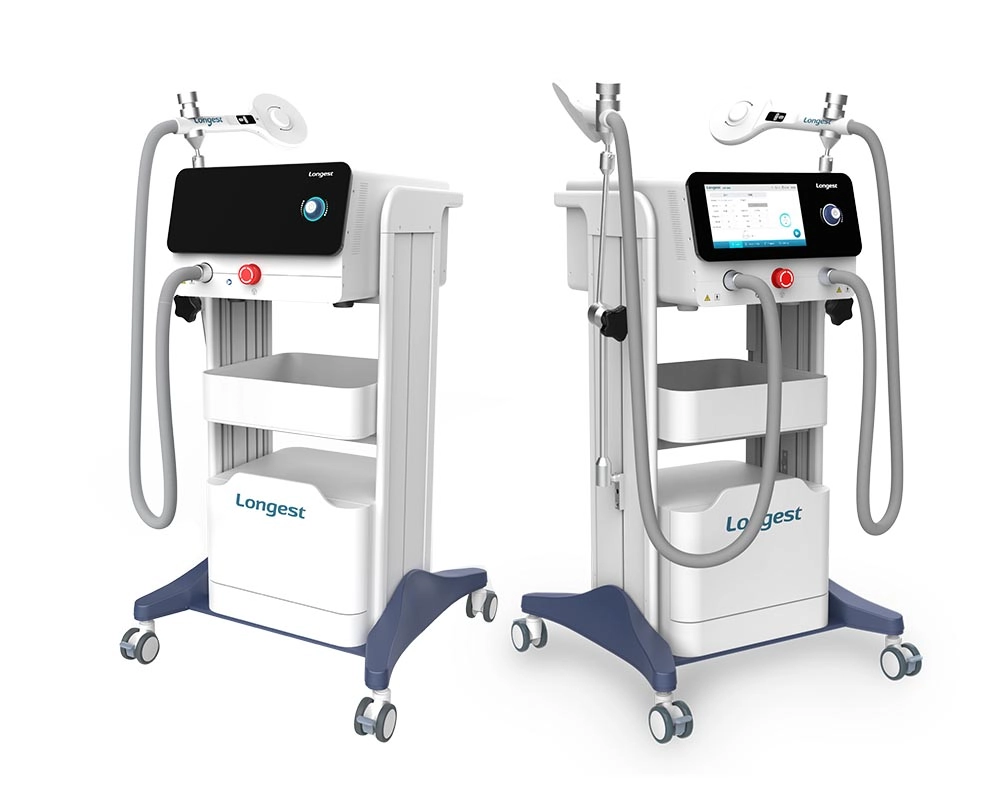
Electromagnetic Stimulator for Musculoskeletal Rehabilitation LGT-2660AP/BP
The LGT-2660 Series Electromagnetic Stimulator for Musculoskeletal Pain is an advanced rehabilitation device engineered to address a wide range of musculoskeletal pain conditions and associated dysfunctions. Operating on the principle of electromagnetic induction, it generates induced currents to regulate neuromuscular function while delivering deeply penetrating energy—this energy transcends superficial tissues to act directly on muscles, joints, and bones. For both acute and chronic musculoskeletal pain, it provides a safe, efficient, and medication-free new solution.
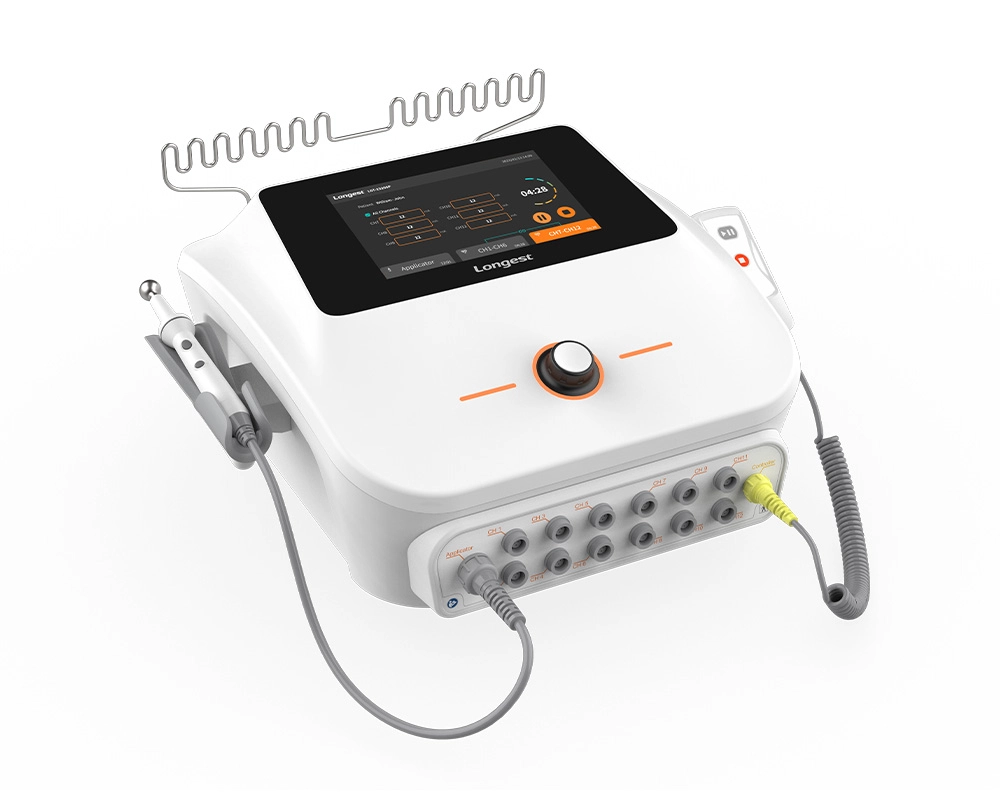
Professional 12-Channel Low-Frequency Electrical Stimulation Machine LGT-2320SP
LGT-2320SP is an advanced electrical stimulation sports training station. It leads to multisite high-efficiency strength gain and realizes bilateral balanced development with motor point detection.
Specifically designed for sports medicine professionals, this device is ideal for the treatment and rehabilitation of sports-related injuries. It delivers precise electrical impulses to targeted areas of the body, promoting pain relief, muscle strengthening, and accelerated recovery.
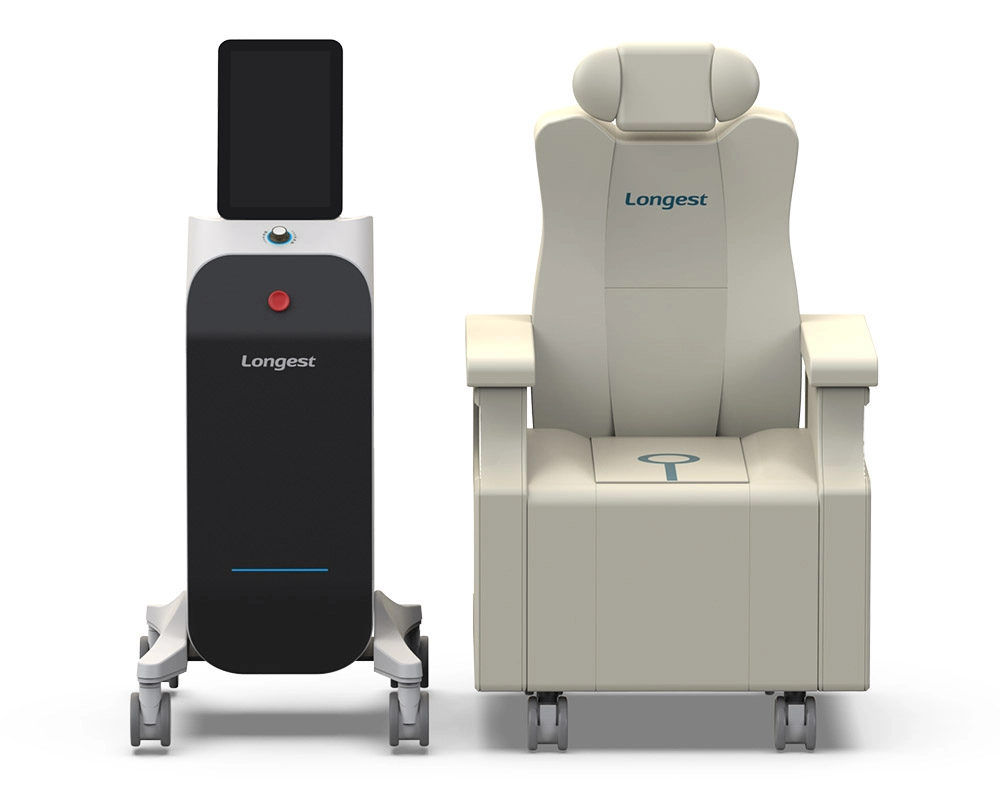
Electromagnetic Stimulator for Pelvic floor rehabilitation LGT-2640AP
The LGT-2640AP Pelvic Floor Magnetic Stimulator is a precision rehabilitation device designed for targeted pelvic floor therapy. Featuring 24 visualized preset protocols (paired with anatomical diagrams), customizable treatment plans, and a pre-adaptation function, it delivers non-invasive, painless stimulation to support postpartum recovery, male pelvic floor rehabilitation, and geriatric pelvic health.
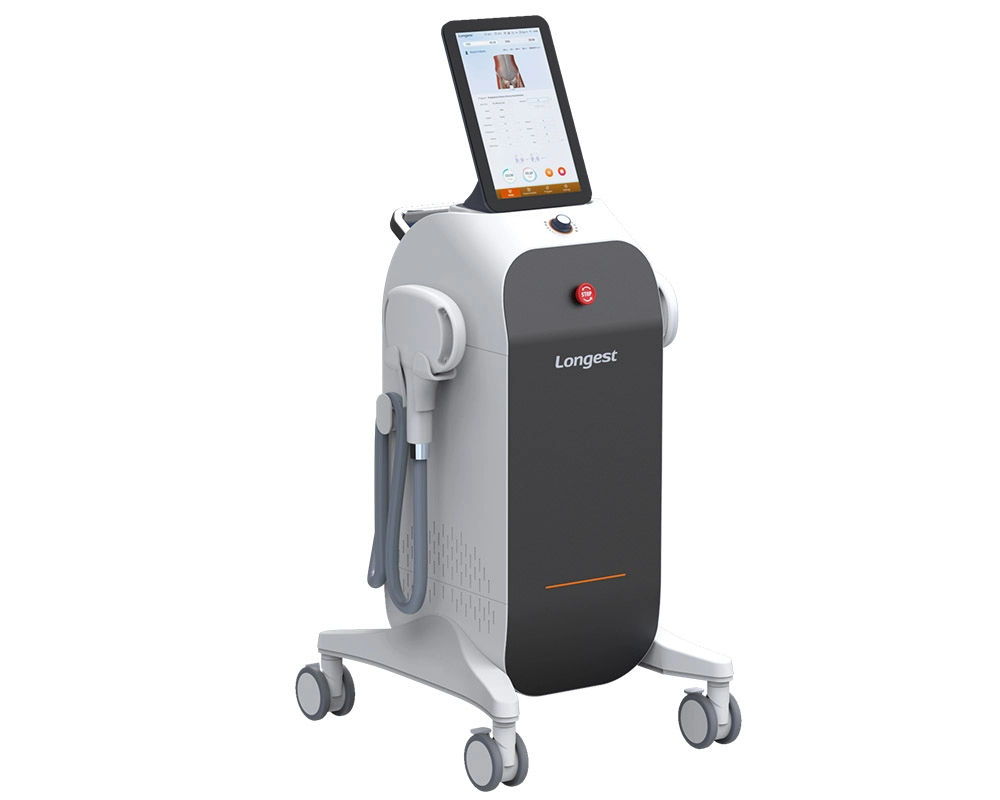
Electromagnetic Stimulator for Body Shaping LGT-2650BP
The LGT-2650BP is a premium unisex body contouring device. Powered by high-intensity magnetic stimulation, it induces intense muscle contractions—effectively boosting muscle tone while reducing stubborn fat deposits. It is widely suited for weight management, body shaping, and individuals with excess weight alike.
Get in touch with us

Call us:
+86 020 – 66353999

export@longest.cn

Address:
301 & 401 of Building 2 & Building 3, No. 96, Chuangqiang Road, Ningxi Street, Zengcheng District, Guangzhou, Guangdong Province, 511399, P.R. China.
Tips: The content on this website is a general description of the product.
The final configuration, parameters, and functions of the product may vary in accordance with the regulatory requirements of different countries and regions.
© 2025 Longest Medical. All Rights Reserved. Powered by gooeyun.
LongestMedical
LongestGloba
longest
guangzhou_longest
GzLongest