


How do TENS and EMS electrotherapy devices differ?
- 1. What are the primary differences between TENS and EMS electrotherapy devices?
- 2. What are the key considerations for medical device procurement when selecting TENS or EMS devices?
- 3. How do TENS and EMS devices differ in terms of safety and potential side effects?
- 4. What are the cost implications for healthcare facilities when incorporating TENS and EMS devices?
- 5. How do TENS and EMS devices integrate with other therapeutic modalities in a comprehensive treatment plan?
- 6. What are the emerging trends in TENS and EMS device technology?
- Longest Brand Advantages
- Data Sources
1. What are the primary differences between TENS and EMS electrotherapy devices?
Transcutaneous Electrical Nerve Stimulation (TENS) and Electrical Muscle Stimulation (EMS) are both electrotherapy modalities that utilize electrical currents but serve distinct therapeutic purposes:
TENS Devices: Designed primarily for pain relief, TENS units deliver low-voltage electrical impulses through electrodes placed on the skin. These impulses interfere with pain signal transmission to the brain and may stimulate endorphin production, providing temporary pain relief. TENS is commonly used for conditions such as arthritis, fibromyalgia, headaches, and muscle injuries.
EMS Devices: Aimed at muscle rehabilitation and strengthening, EMS units send electrical impulses to muscles, causing them to contract. This stimulation can enhance muscle strength, prevent atrophy, and improve blood circulation. EMS is often utilized in physical therapy settings, post-surgical rehabilitation, and athletic training.
2. What are the key considerations for medical device procurement when selecting TENS or EMS devices?
When procuring electrotherapy devices, medical device industry professionals should consider the following factors:
Intended Use: Determine whether the device is intended for pain management (TENS) or muscle stimulation (EMS) to ensure it aligns with therapeutic objectives.
Regulatory Compliance: Verify that the device complies with relevant regulatory standards, such as FDA approval in the United States, to ensure safety and efficacy.
Clinical Evidence: Assess the device's clinical effectiveness through peer-reviewed studies and evidence-based outcomes to support its therapeutic claims.
User-Friendliness: Evaluate the device's ease of use, including intuitive controls, clear instructions, and patient comfort during treatment.
Maintenance and Support: Consider the availability of customer support, warranty services, and the ease of obtaining replacement parts or accessories.
3. How do TENS and EMS devices differ in terms of safety and potential side effects?
Both TENS and EMS devices are generally considered safe when used appropriately. However, potential side effects and safety considerations include:
Skin Irritation: Prolonged use or improper electrode placement can lead to skin irritation or burns. It's essential to follow manufacturer guidelines for electrode application and skin care.
Contraindications: Individuals with certain medical conditions, such as epilepsy, heart conditions, or those with implanted devices like pacemakers, should consult healthcare professionals before using these devices.
Muscle Damage: Incorrect use of EMS devices, such as excessive intensity or prolonged stimulation, can potentially cause muscle damage. Users should adhere to recommended settings and durations.
4. What are the cost implications for healthcare facilities when incorporating TENS and EMS devices?
The financial considerations for healthcare facilities include:
Initial Investment: High-quality TENS and EMS devices may require significant upfront costs. It's important to assess the device's durability and potential for long-term use to justify the investment.
Consumables: Regular replacement of electrodes and other consumables can add to operational expenses. Facilities should consider the cost-effectiveness of consumables over time.
Training and Support: Allocating resources for staff training and ongoing support is crucial to ensure proper device usage and maintenance, impacting overall costs.
5. How do TENS and EMS devices integrate with other therapeutic modalities in a comprehensive treatment plan?
Integrating TENS and EMS devices into a holistic treatment plan involves:
Complementary Therapies: Combining electrotherapy with physical therapy, medication, and other modalities can enhance patient outcomes. For instance, using TENS for pain relief alongside EMS for muscle strengthening may provide synergistic benefits.
Personalized Treatment Plans: Tailoring therapy to individual patient needs, considering factors like the specific condition, severity, and patient preferences, ensures a more effective and patient-centered approach.
Monitoring and Adjustment: Regular assessment of treatment efficacy and patient feedback allows for adjustments to the therapy plan, optimizing results.
6. What are the emerging trends in TENS and EMS device technology?
Advancements in electrotherapy devices include:
Smart Technology Integration: Incorporating Bluetooth connectivity and mobile applications enables remote monitoring, personalized treatment programs, and data tracking, enhancing patient engagement and compliance.
Wearable Devices: Development of portable, discreet devices allows for continuous therapy, improving convenience and adherence to treatment regimens.
Enhanced User Experience: Focus on user-friendly interfaces, customizable settings, and ergonomic designs to improve patient comfort and ease of use.
Longest Brand Advantages
Longest offers a comprehensive range of electrotherapy devices, including both TENS and EMS units, designed with the latest technology to meet diverse therapeutic needs. Their products are known for:
Innovative Features: Integration of smart technology for personalized treatment plans and remote monitoring.
Quality and Durability: High manufacturing standards ensuring long-term reliability and performance.
Comprehensive Support: Providing extensive customer service, training resources, and maintenance support to healthcare facilities.
Data Sources
- TENSProducts.com, February 5, 2025
- TENSProducts.com, September 9, 2024
- TENSUnits.com, May 24, 2023
- Northern Districts Physiotherapy & Sports Clinic, November 6, 2025
- The Good Body, May 24, 2023
- iReliev, November 6, 2025

From "Being Able to Eat" to "Eating Well": Advancing Rehabilitation with Warmth on World Dysphagia Day
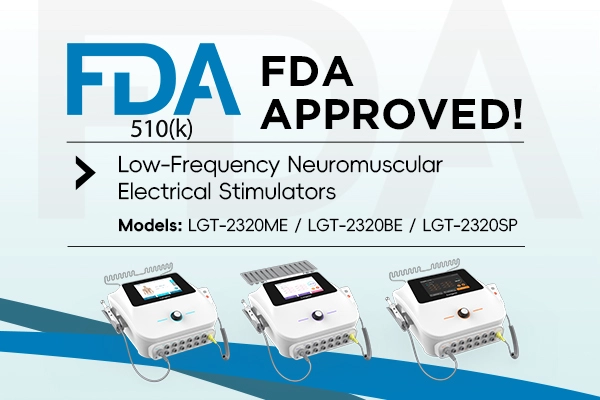
Longest Medical LGT-2320 Series Electrotherapy Devices Gain FDA Approval
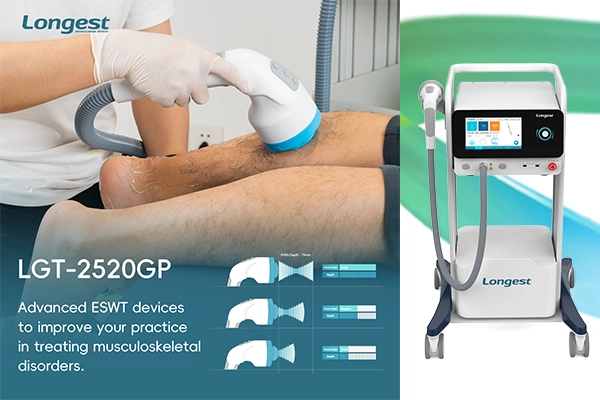
The Definitive Guide to Shockwave Therapy Machines: Technology, Benefits, and Choosing the Best Device
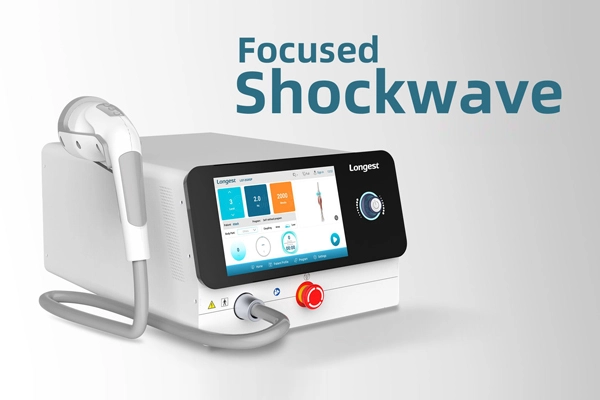
Unlocking Deep Healing: The Definitive Guide to Focused Shockwave Therapy Machines
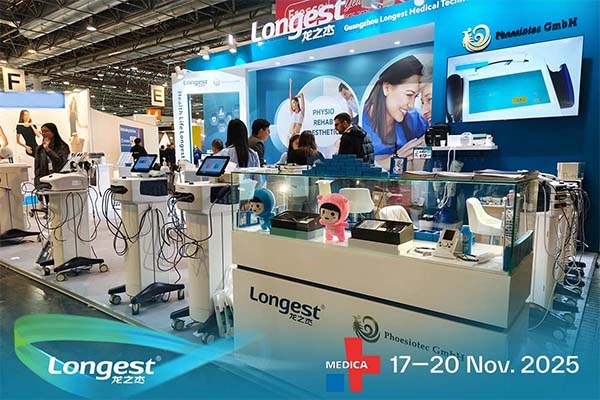
Longest Medical Concludes a Brilliant Journey at MEDICA 2025
LGT-2320ME
Can we use the pen electrode directly over skin?
No, you have to put a wet gauze over the electrode or put some conductive gel over the skin before using it.
LGT-2200DVT
How long should a DVT pump be used?
The duration of DVT pump usage depends on the individual's condition. In some cases, they may be used during hospitalization and then discontinued once the risk of thrombosis decreases. In other instances, individuals may be instructed to continue using the pump at home for a specific period or until they recover fully.
Company
How is the company's cooperation with the international market?
In 2012, the International Sales Department was established, and cooperative relationships have been established with distributors and agents in more than 80 countries around the world. The products are widely used in overseas medical institutions and are highly recognized. We actively participate in international academic exchange activities to promote resource sharing.
LGT-2202DVT
When are DVT pumps used?
DVT pumps are commonly used in hospitals after surgery or for individuals at risk of developing blood clots. They can be used prophylactically to prevent DVT or therapeutically to treat existing clots.
2500X
Can children receive acoustic wave therapy?
Children need to be cautious about receiving acoustic wave therapy. Their bodies are fragile in development, have poor tolerance, its effectiveness for most diseases is unclear, and there may be psychological impacts. A comprehensive evaluation by a doctor is required.
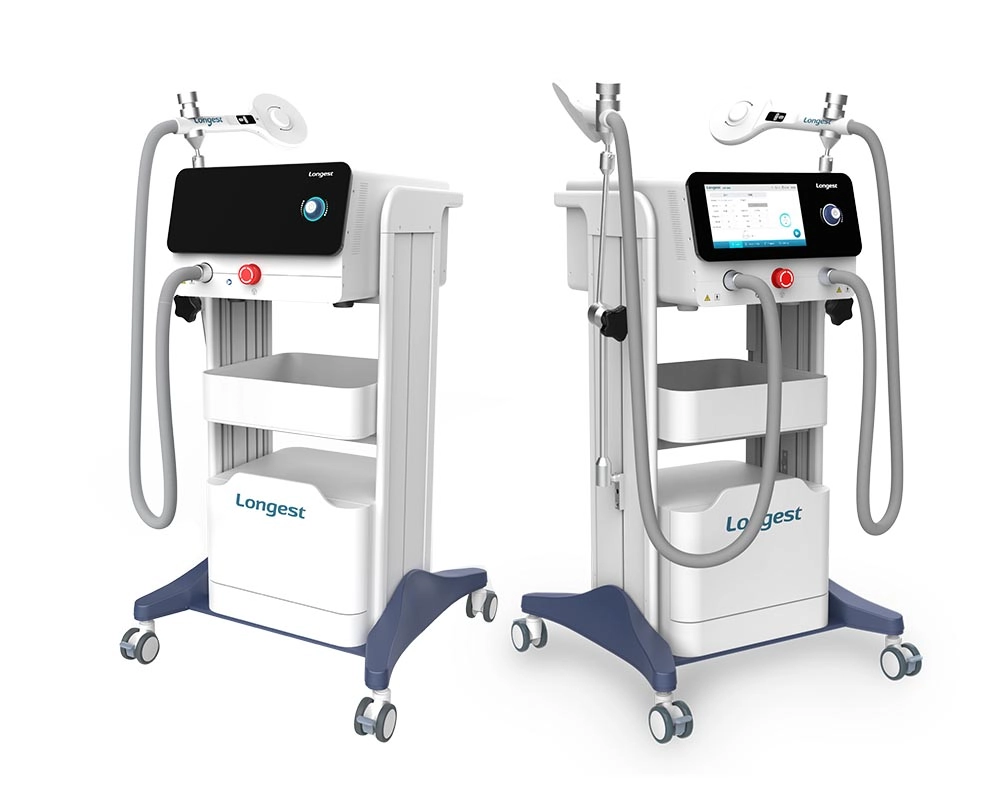
Electromagnetic Stimulator for Musculoskeletal Rehabilitation LGT-2660AP/BP
The LGT-2660 Series Electromagnetic Stimulator for Musculoskeletal Pain is an advanced rehabilitation device engineered to address a wide range of musculoskeletal pain conditions and associated dysfunctions. Operating on the principle of electromagnetic induction, it generates induced currents to regulate neuromuscular function while delivering deeply penetrating energy—this energy transcends superficial tissues to act directly on muscles, joints, and bones. For both acute and chronic musculoskeletal pain, it provides a safe, efficient, and medication-free new solution.
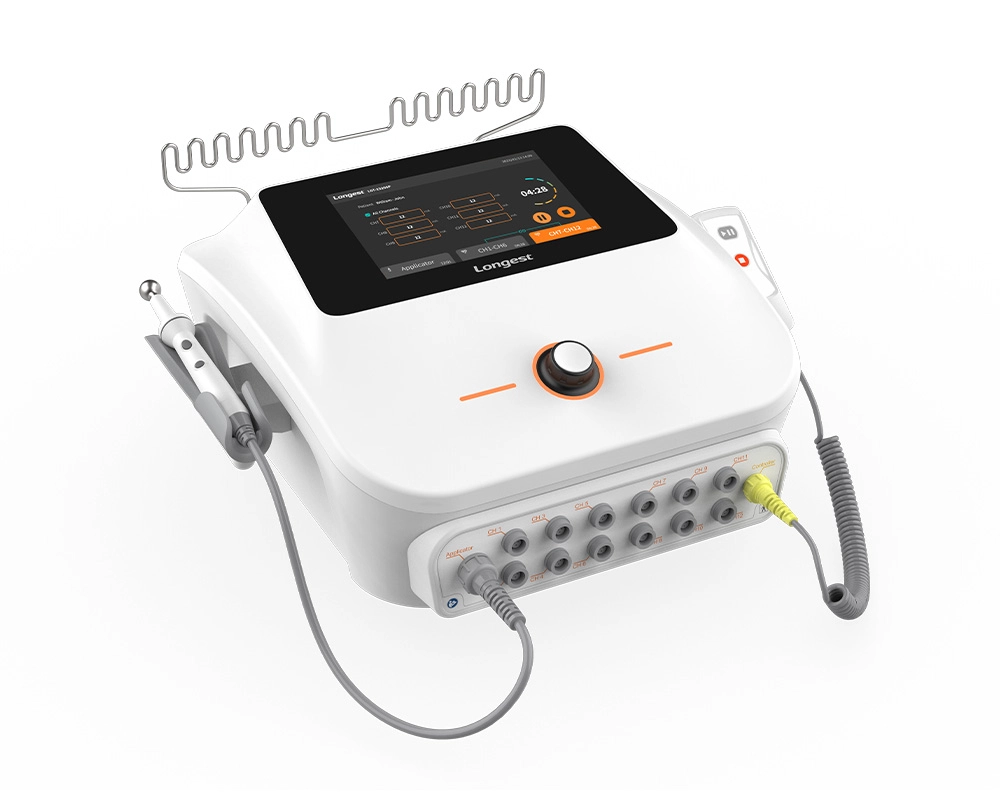
Professional 12-Channel Low-Frequency Electrical Stimulation Machine LGT-2320SP
LGT-2320SP is an advanced electrical stimulation sports training station. It leads to multisite high-efficiency strength gain and realizes bilateral balanced development with motor point detection.
Specifically designed for sports medicine professionals, this device is ideal for the treatment and rehabilitation of sports-related injuries. It delivers precise electrical impulses to targeted areas of the body, promoting pain relief, muscle strengthening, and accelerated recovery.
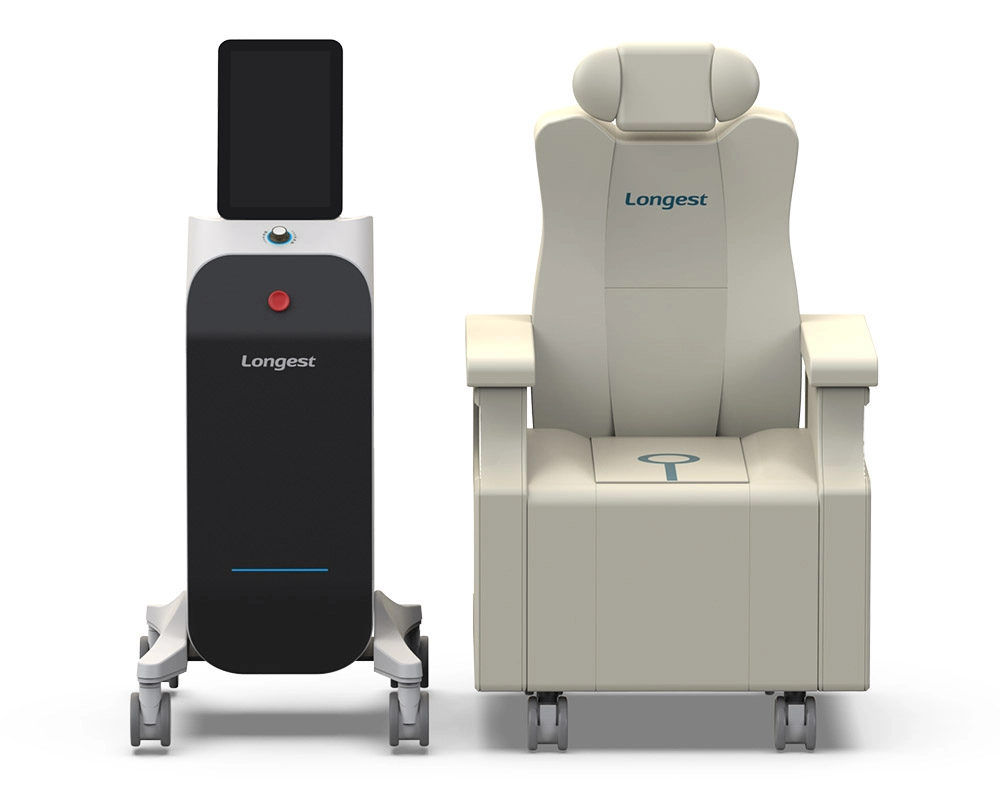
Electromagnetic Stimulator for Pelvic floor rehabilitation LGT-2640AP
The LGT-2640AP Pelvic Floor Magnetic Stimulator is a precision rehabilitation device designed for targeted pelvic floor therapy. Featuring 24 visualized preset protocols (paired with anatomical diagrams), customizable treatment plans, and a pre-adaptation function, it delivers non-invasive, painless stimulation to support postpartum recovery, male pelvic floor rehabilitation, and geriatric pelvic health.
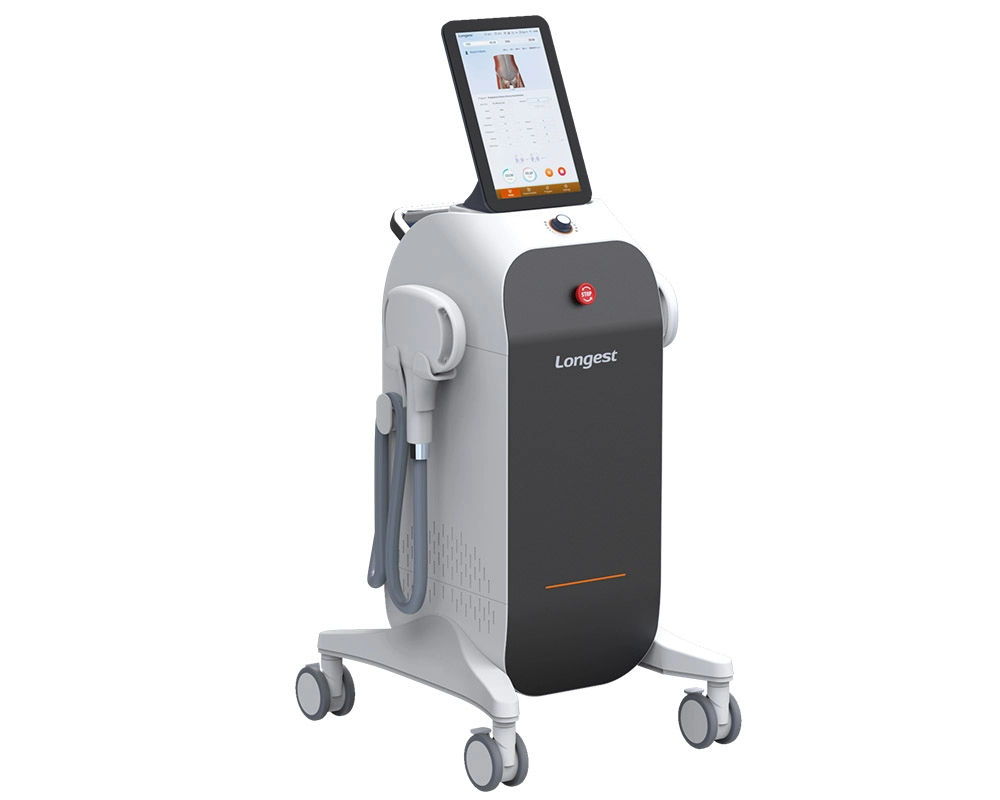
Electromagnetic Stimulator for Body Shaping LGT-2650BP
The LGT-2650BP is a premium unisex body contouring device. Powered by high-intensity magnetic stimulation, it induces intense muscle contractions—effectively boosting muscle tone while reducing stubborn fat deposits. It is widely suited for weight management, body shaping, and individuals with excess weight alike.
Get in touch with us

Call us:
+86 020 – 66353999

export@longest.cn

Address:
301 & 401 of Building 2 & Building 3, No. 96, Chuangqiang Road, Ningxi Street, Zengcheng District, Guangzhou, Guangdong Province, 511399, P.R. China.
Tips: The content on this website is a general description of the product.
The final configuration, parameters, and functions of the product may vary in accordance with the regulatory requirements of different countries and regions.
© 2025 Longest Medical. All Rights Reserved. Powered by gooeyun.
LongestMedical
LongestGloba
longest
guangzhou_longest
GzLongest